Principles Of Law In Oakland
Description

Get your form ready online
Our built-in tools help you complete, sign, share, and store your documents in one place.
Make edits, fill in missing information, and update formatting in US Legal Forms—just like you would in MS Word.
Download a copy, print it, send it by email, or mail it via USPS—whatever works best for your next step.
Sign and collect signatures with our SignNow integration. Send to multiple recipients, set reminders, and more. Go Premium to unlock E-Sign.
If this form requires notarization, complete it online through a secure video call—no need to meet a notary in person or wait for an appointment.
We protect your documents and personal data by following strict security and privacy standards.

Make edits, fill in missing information, and update formatting in US Legal Forms—just like you would in MS Word.

Download a copy, print it, send it by email, or mail it via USPS—whatever works best for your next step.

Sign and collect signatures with our SignNow integration. Send to multiple recipients, set reminders, and more. Go Premium to unlock E-Sign.

If this form requires notarization, complete it online through a secure video call—no need to meet a notary in person or wait for an appointment.

We protect your documents and personal data by following strict security and privacy standards.
Looking for another form?
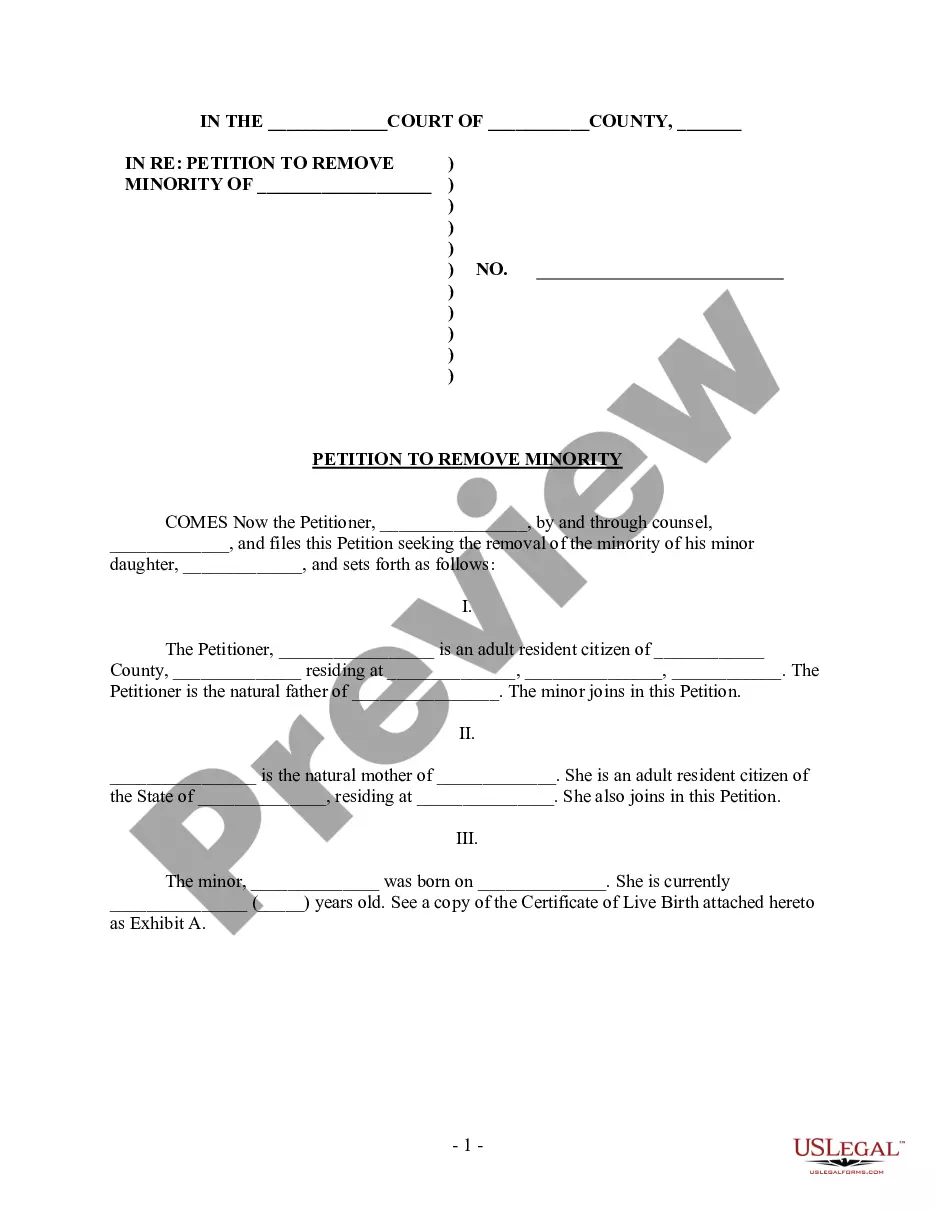
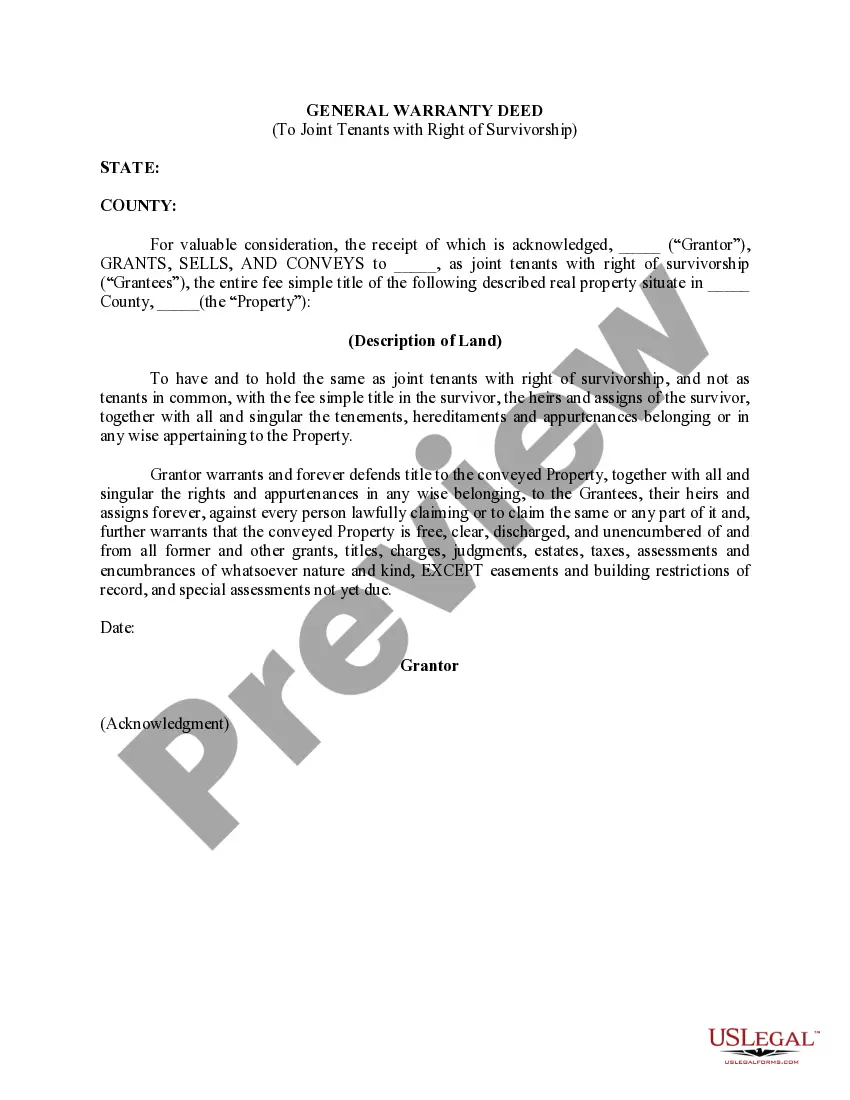
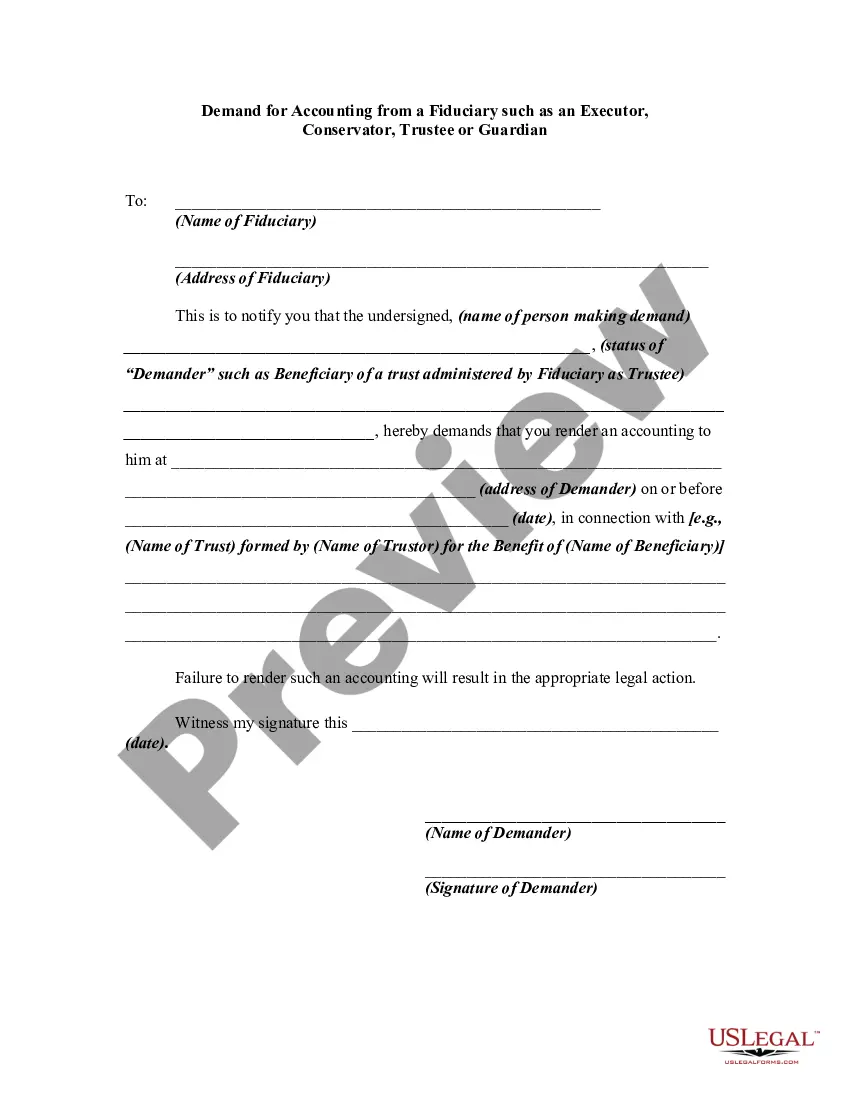
Form popularity
FAQ
By law, security deposits must be returned when the tenant moves out, minus allowed expenses. The law limits the amount of security deposits. o Until July 1, 2024, the limit is two times the monthly rent (or, for furnished units, three times the rent). o After July 1, 2024, the limit is one month's rent.
AB 12 amends California Civil Code Section 1950.5 to limit the maximum security deposit for a dwelling unit to one month's rent, regardless of whether the unit is furnished or unfurnished.
California Civil Code §1950.5 requires that a landlord, within 21 days of a tenant vacating a unit, either return the full security deposit to the tenant, or send the tenant an itemized list of any lawful deductions made along with the balance of the security deposit.
The Oakland Campaign Reform Act (OCRA) and other local campaign ordinances contain restrictions and requirements such as contribution limits, optional spending limits, prohibitions on contributions from contractors, and electronic filing of campaign data.
A property owner must let an original tenant replace a roommate who was allowed under the lease. If the lease requires the property owner's approval of a sublet, the owner may object to a replacement tenant only if the property owner has a reasonable basis to do so.
After the tenant moves out, a landlord has 21 days to return the security. If a landlord does not return the full deposit, the landlord must provide an “accounting” showing how the deposit was spent. The accounting must show what repairs were made and the costs of those repairs.
Single family residences and condominiums are exempt from the Rent Adjustment Ordinance if the unit is rented as one single unit and not rented room by room for more than 30 continuous days (like a rooming house).
Normal wear and tear generally refers to the expected deterioration of a rental unit as a result of the tenant's everyday use. This can include things like loose doorknobs, worn out carpet, and minor scratches on the walls and floors.
Our Student Welcome Center staff is here for you! Email enroll@ousd. Text 510-879-4600.
Filing a Claim The City of Oakland has a standard claim form that can be used for your convenience. You can file the form electronically at claims@oaklandcityattorney, or you can send the form by mail to: Oakland City Attorney's Office, 1 Frank H. Ogawa Plaza, 6th Floor, Oakland, CA 94612.
