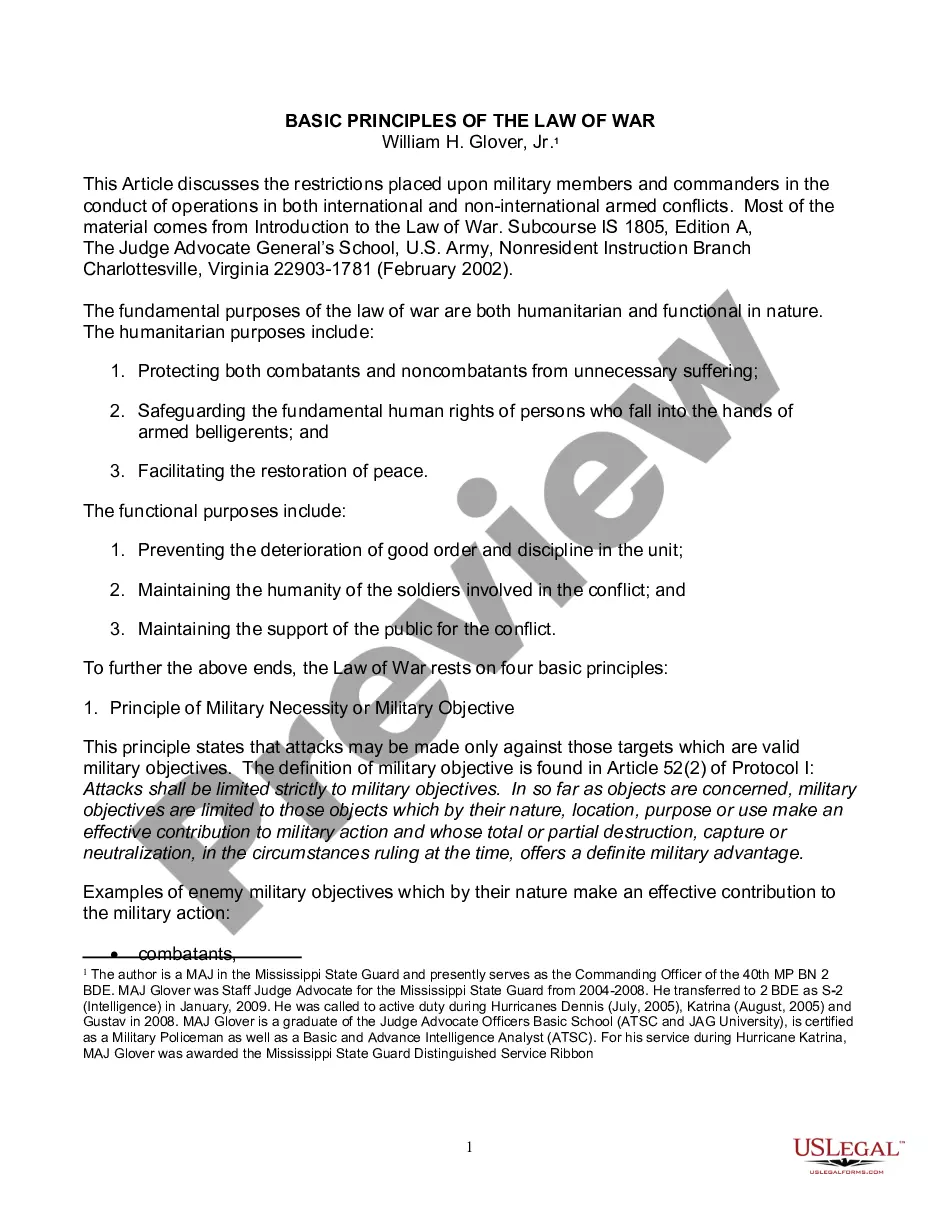
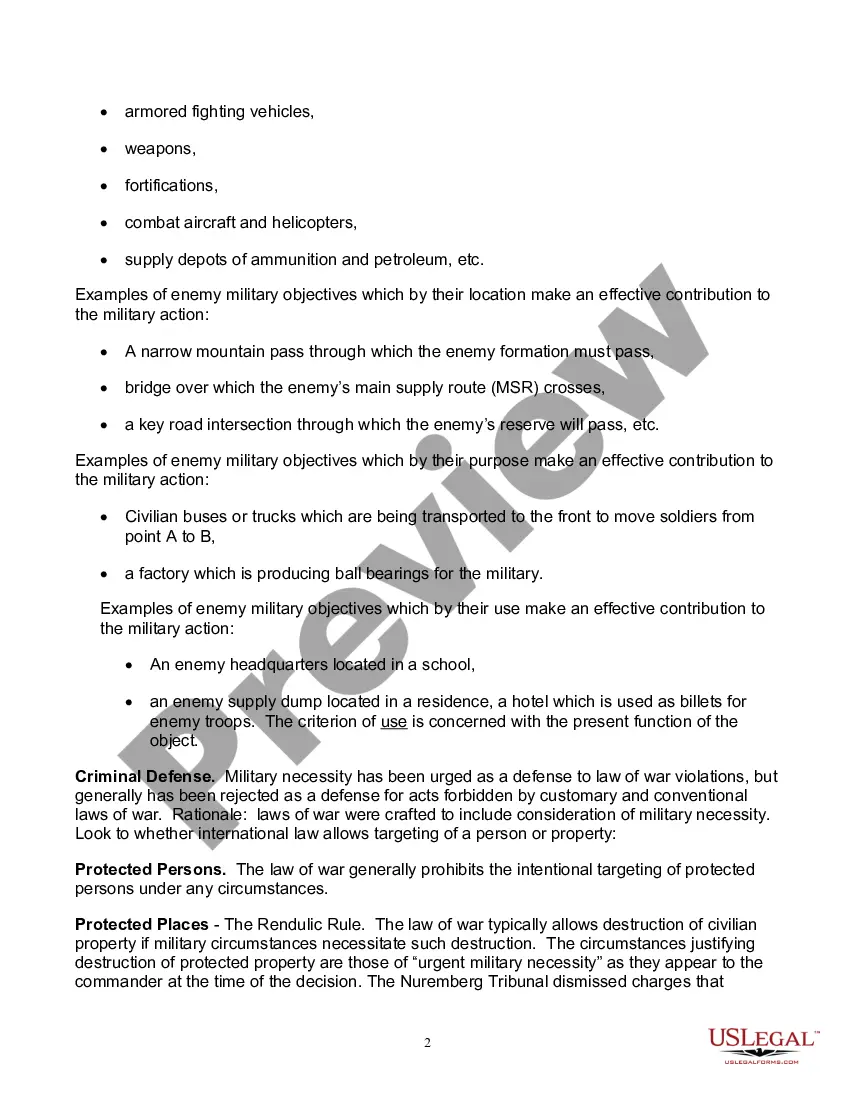
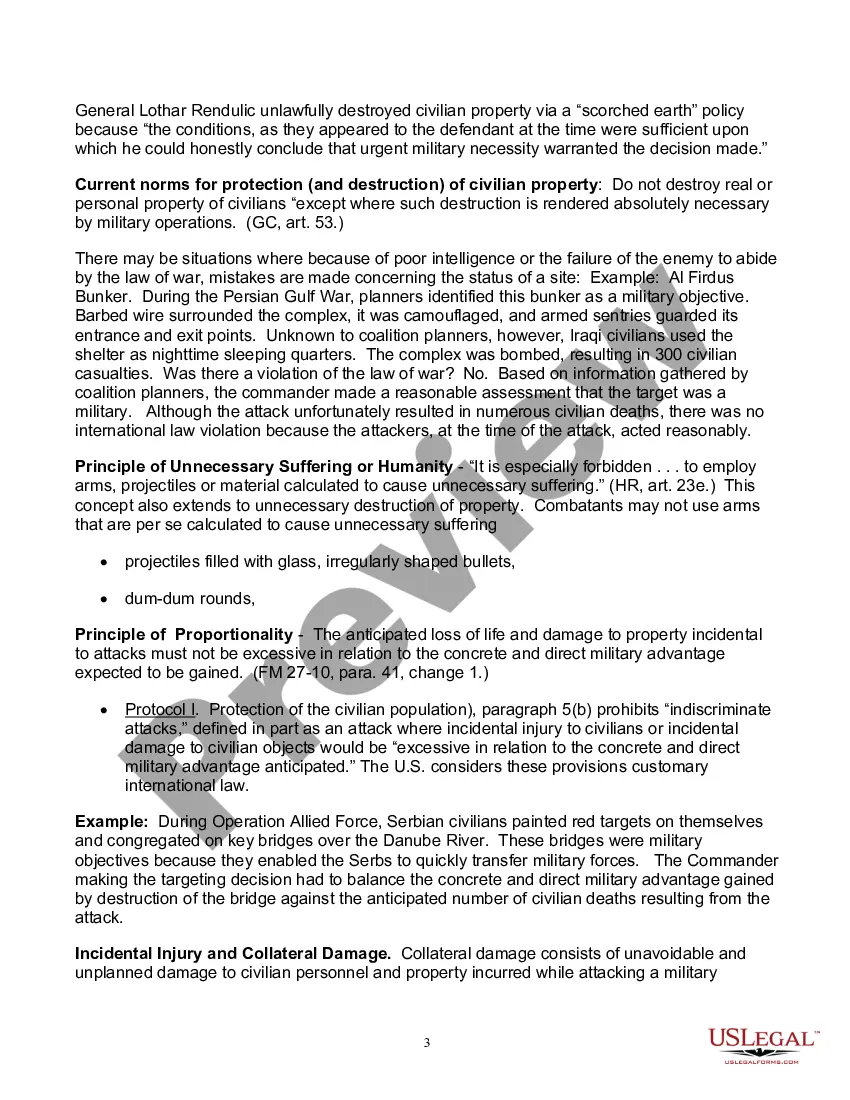
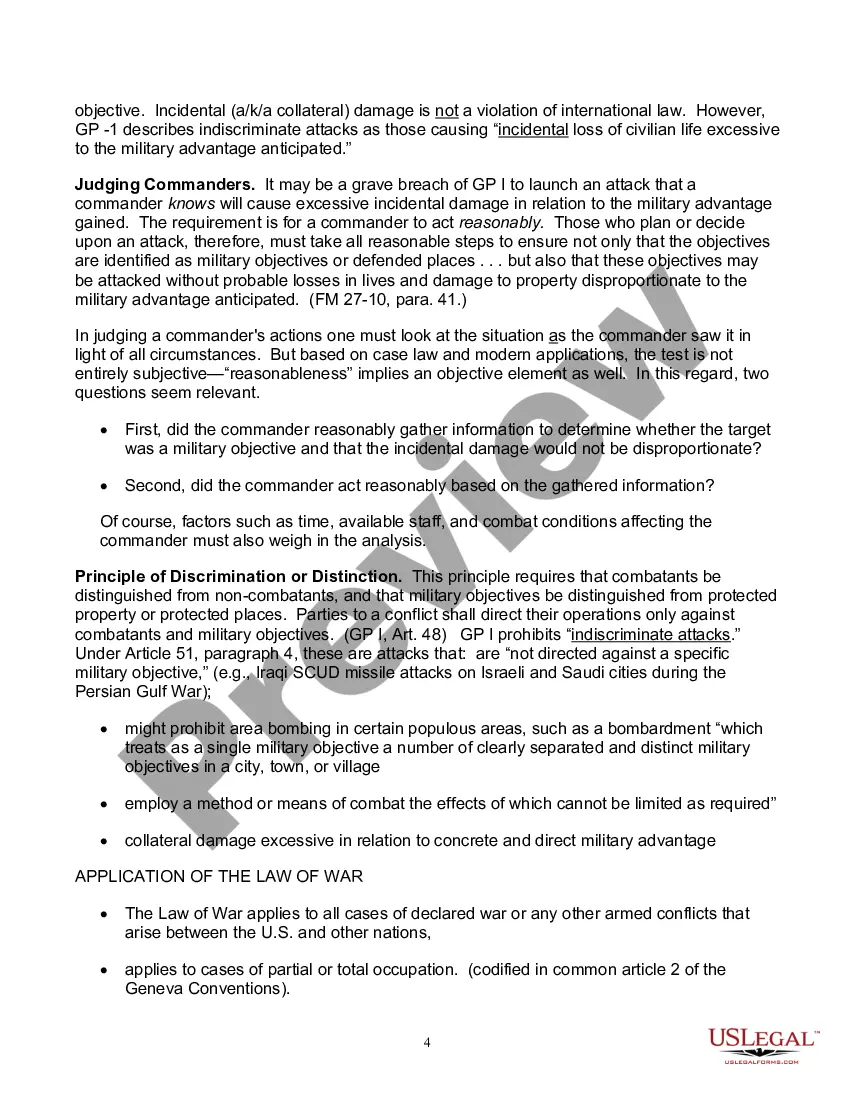
Principle With Law In Minnesota
Description
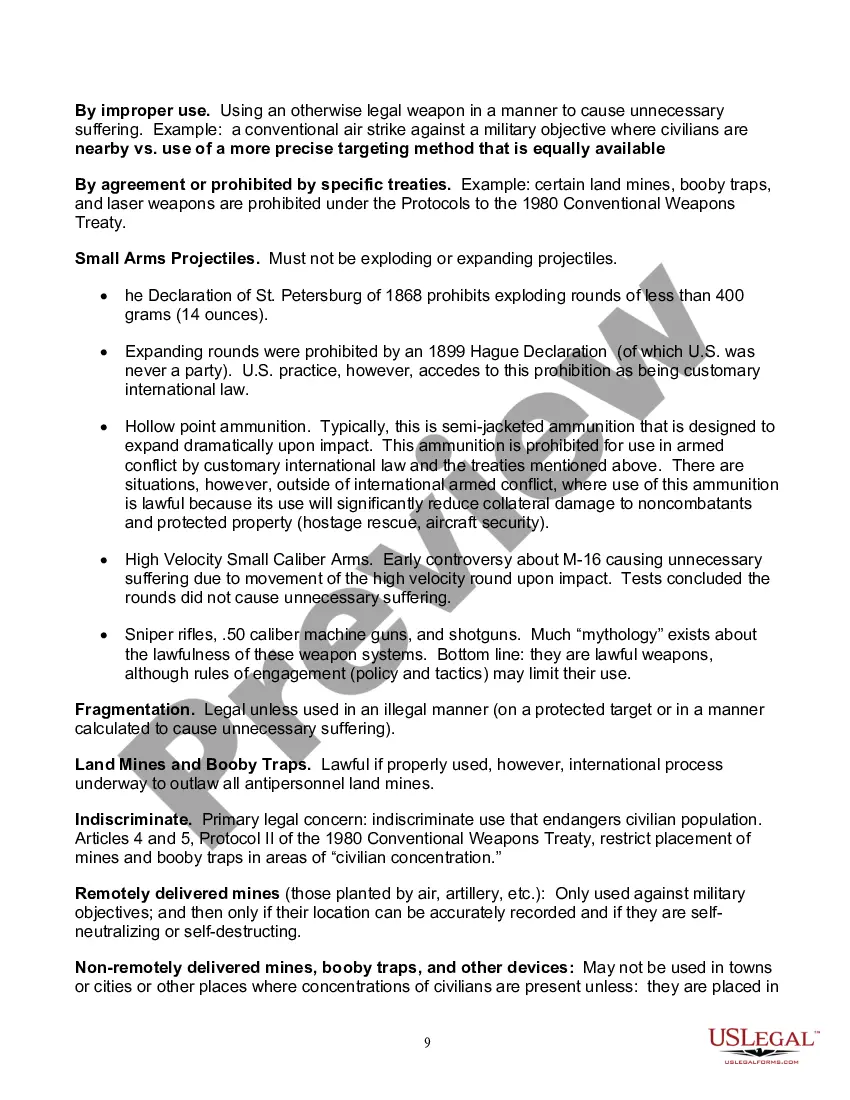
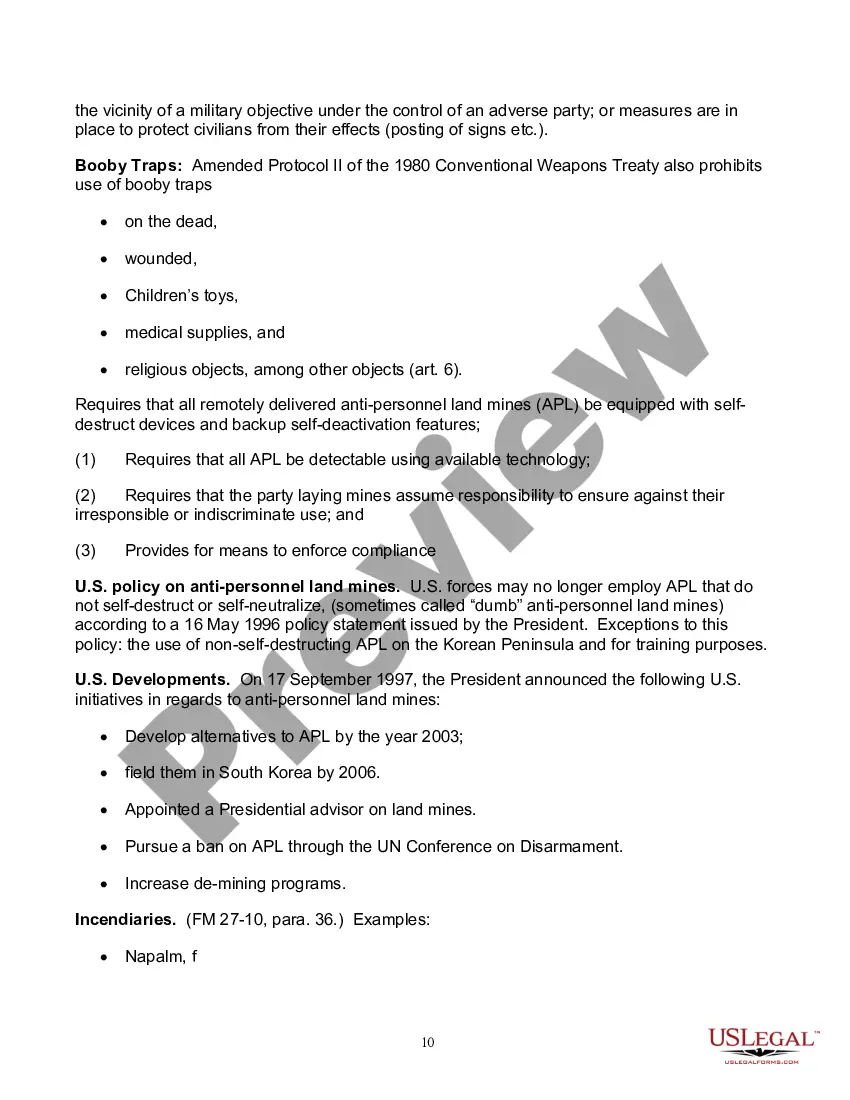

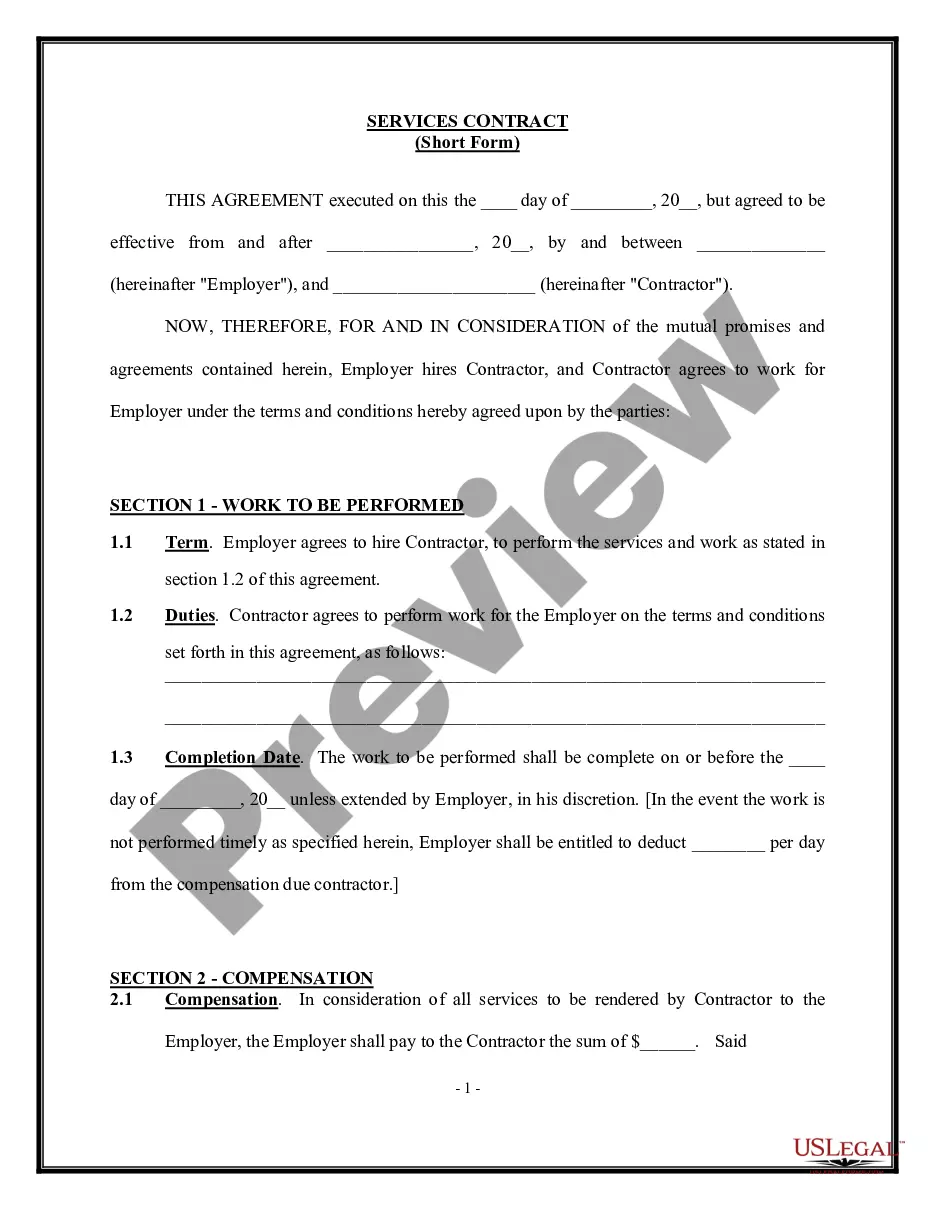
Get your form ready online
Our built-in tools help you complete, sign, share, and store your documents in one place.
Make edits, fill in missing information, and update formatting in US Legal Forms—just like you would in MS Word.
Download a copy, print it, send it by email, or mail it via USPS—whatever works best for your next step.
Sign and collect signatures with our SignNow integration. Send to multiple recipients, set reminders, and more. Go Premium to unlock E-Sign.
If this form requires notarization, complete it online through a secure video call—no need to meet a notary in person or wait for an appointment.
We protect your documents and personal data by following strict security and privacy standards.

Make edits, fill in missing information, and update formatting in US Legal Forms—just like you would in MS Word.

Download a copy, print it, send it by email, or mail it via USPS—whatever works best for your next step.

Sign and collect signatures with our SignNow integration. Send to multiple recipients, set reminders, and more. Go Premium to unlock E-Sign.

If this form requires notarization, complete it online through a secure video call—no need to meet a notary in person or wait for an appointment.

We protect your documents and personal data by following strict security and privacy standards.
Looking for another form?








Form popularity
FAQ
A bill needs 68 votes to pass the House and 34 votes to pass the Senate. If the House and Senate each pass the same version of the bill, it goes to the governor for a signature.
Rule 69. In aid of the judgment or execution, the judgment creditor, or successor in interest when that interest appears of record, may obtain discovery from any person, including the judgment debtor, in the manner provided by these rules.
Civil actions (except family cases) must be filed with the court within one year after service of the summons and complaint on the defendant.
There are no general rules related to the time period to file a case. However, you almost always have at least a year to file a civil lawsuit. Depending on the type of case or civil action, it could be much longer. Different statutes of limitations apply to different types of cases and causes of action.
How Long Is The Statute Of Limitations In Minnesota? Personal Injury – 6 Years. Assault and Battery – 2 Years. Medical Malpractice – 4 Years. Product Liability – 4 or 6 Years. Wrongful Death – 3 Years.
The rule places a ten year limit on the admissibility of convictions. This limitation is based on the assumption that after such an extended period of time the conviction has lost its probative value on the issue of credibility.
Civil actions (except family cases) must be filed with the court within one year after service of the summons and complaint on the defendant.
Rule 5.04 - Filing; Certificate of Service (a) Deadline for Filing Action. Any action that is not filed with the court within one year of commencement against any party is deemed dismissed with prejudice against all parties unless the parties within that year sign a stipulation to extend the filing period.
Effective Oct. 1, 2024, no contract or policy of long-term disability insurance limiting the duration of coverage for mental health or substance use disorders can be offered in Minnesota without a disclosure provided at the time of application that includes specific information about the limited duration of coverage.
Rule 11.04When Documents May Be Filed as Non-Public (a) The court has issued an order permitting the filing of the particular document or class of documents under seal or as confidential.
