Principle For Legal In Minnesota
Description

Get your form ready online
Our built-in tools help you complete, sign, share, and store your documents in one place.
Make edits, fill in missing information, and update formatting in US Legal Forms—just like you would in MS Word.
Download a copy, print it, send it by email, or mail it via USPS—whatever works best for your next step.
Sign and collect signatures with our SignNow integration. Send to multiple recipients, set reminders, and more. Go Premium to unlock E-Sign.
If this form requires notarization, complete it online through a secure video call—no need to meet a notary in person or wait for an appointment.
We protect your documents and personal data by following strict security and privacy standards.

Make edits, fill in missing information, and update formatting in US Legal Forms—just like you would in MS Word.

Download a copy, print it, send it by email, or mail it via USPS—whatever works best for your next step.

Sign and collect signatures with our SignNow integration. Send to multiple recipients, set reminders, and more. Go Premium to unlock E-Sign.

If this form requires notarization, complete it online through a secure video call—no need to meet a notary in person or wait for an appointment.

We protect your documents and personal data by following strict security and privacy standards.
Looking for another form?

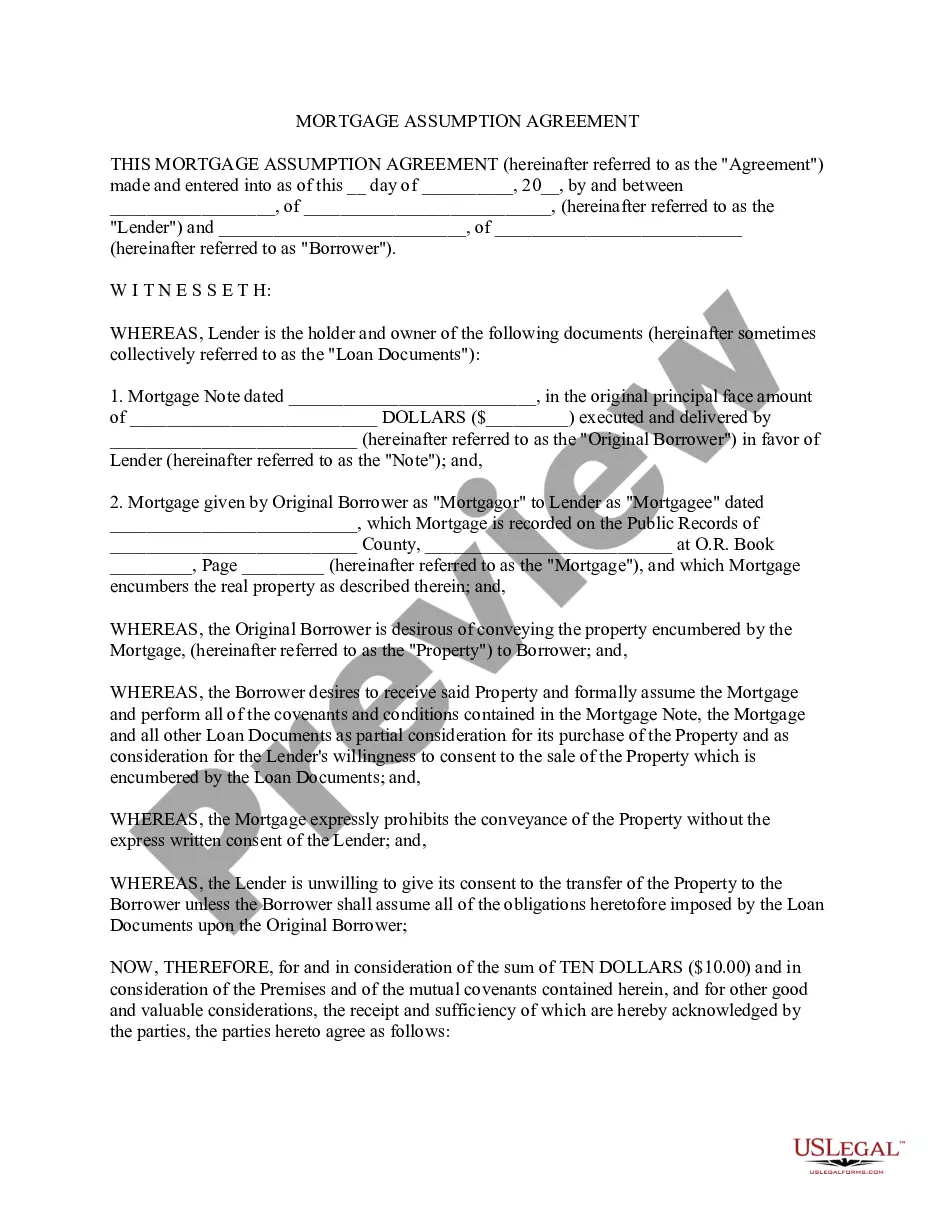

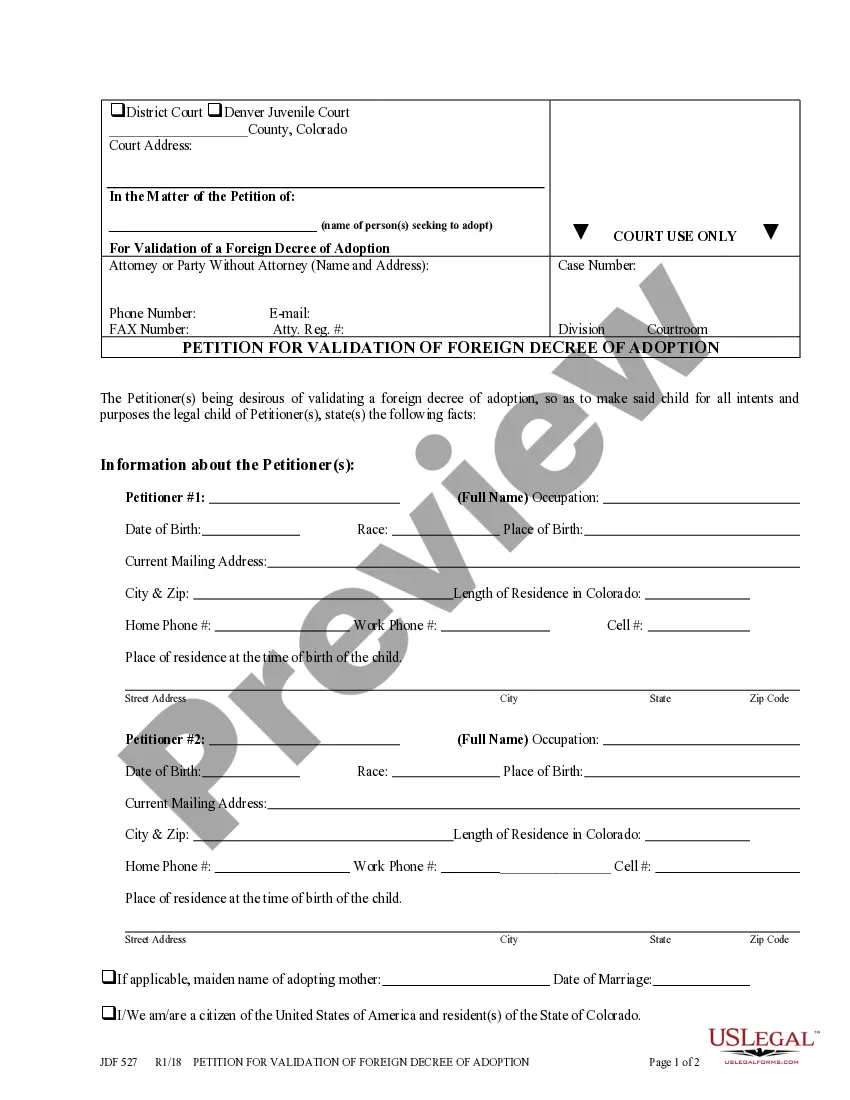





Form popularity
FAQ
Rule 5 prescribes the procedure at the defendant's initial appearance. In most misdemeanor cases, the initial appearance will also be the time of arraignment and disposition. Rule 5.02 requires the appointment of a qualified interpreter for a defendant disabled in communication.
Rule 5.04 - Filing; Certificate of Service (a) Deadline for Filing Action. Any action that is not filed with the court within one year of commencement against any party is deemed dismissed with prejudice against all parties unless the parties within that year sign a stipulation to extend the filing period.
Rule 21. Parties may be dropped or added by order of the court on motion of any party or upon the court's own initiative at any stage of the action and on such terms as are just. Any claim against a party may be severed and proceeded with separately.
Rule 11.04When Documents May Be Filed as Non-Public (a) The court has issued an order permitting the filing of the particular document or class of documents under seal or as confidential.
Rule 106, also known as the “rule of completeness,” is premised upon notions of fundamental fairness and ostensibly permits a party to force its adversary to introduce the remainder of a written or recorded statement when the adversary has offered a portion in a selective and misleading manner.
Minnesota Applicants to the Minnesota bar must have either (1) a degree from a law school that is fully or provisionally approved by the ABA or (2) all of the following: (a) a JD from any US law school, (b) a bachelor's degree accredited by an agency recognized by the US Department of Education, and (c) evidence that ...
Legal Requirements in Minnesota POA forms in Minnesota must meet specific legal criteria for validity. The document must be signed by the principal and notarized for authentication. Minnesota statutes require the principal to be of sound mind and at least 18 years old.
Rule 63. Disability or Disqualification of Judge; Notice to Remove; Assignment of a Judge.
Rule 60. Clerical mistakes in judgments, orders, or other parts of the record and errors therein arising from oversight or omission may be corrected by the court at any time upon its own initiative or on the motion of any party and after such notice, if any, as the court orders.
Rule 60. Clerical mistakes in judgments, orders, or other parts of the record and errors therein arising from oversight or omission may be corrected by the court at any time upon its own initiative or on the motion of any party and after such notice, if any, as the court orders.
