Principle With Law In Miami-Dade
Description


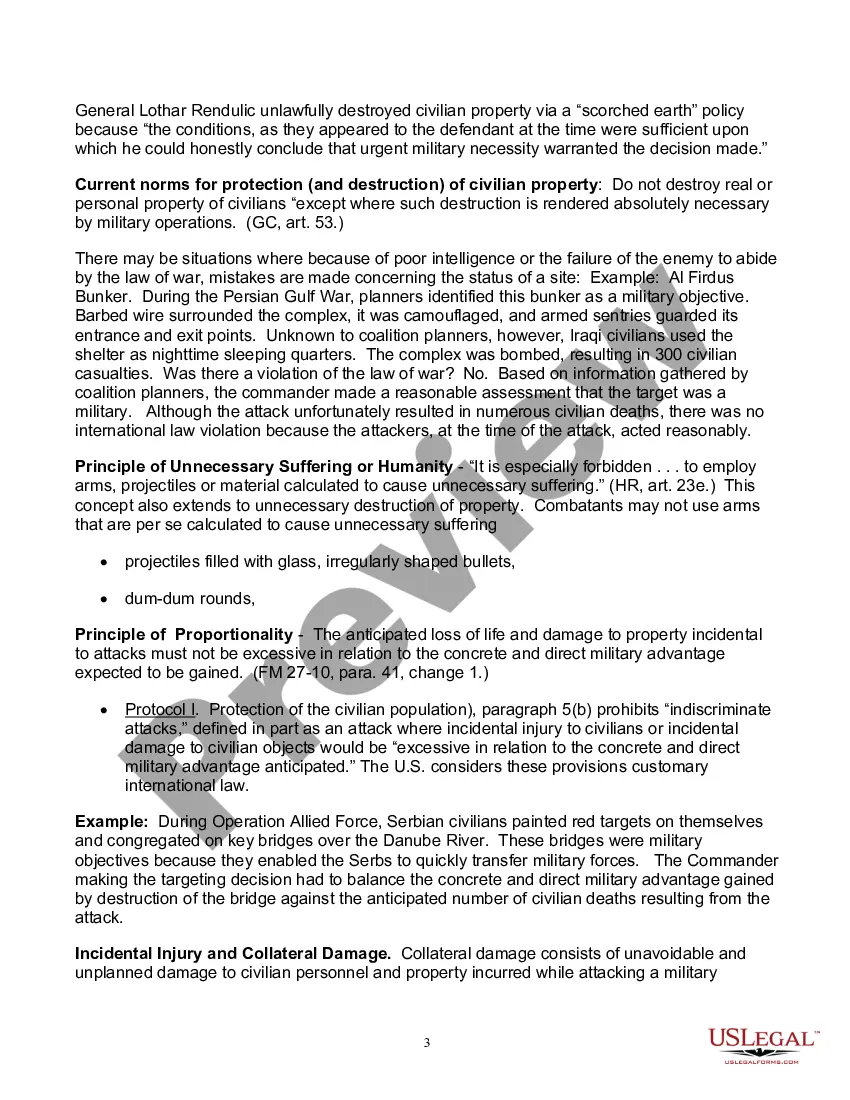
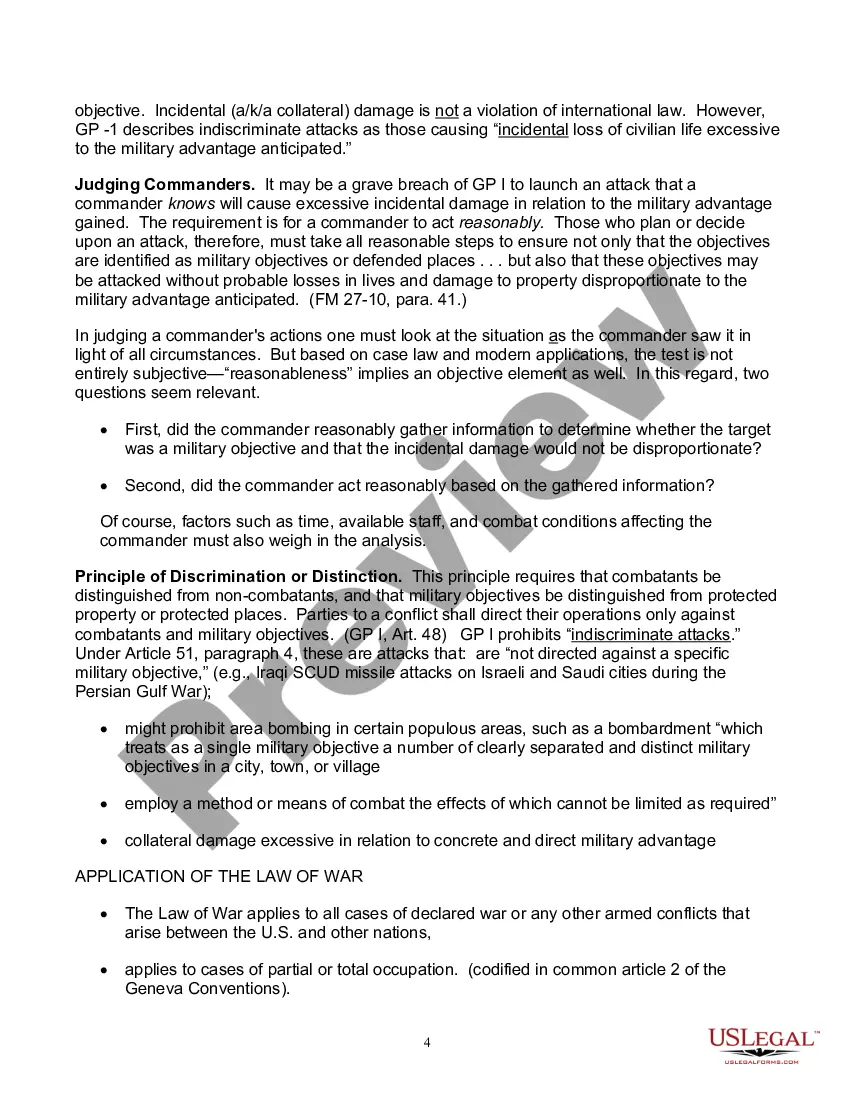
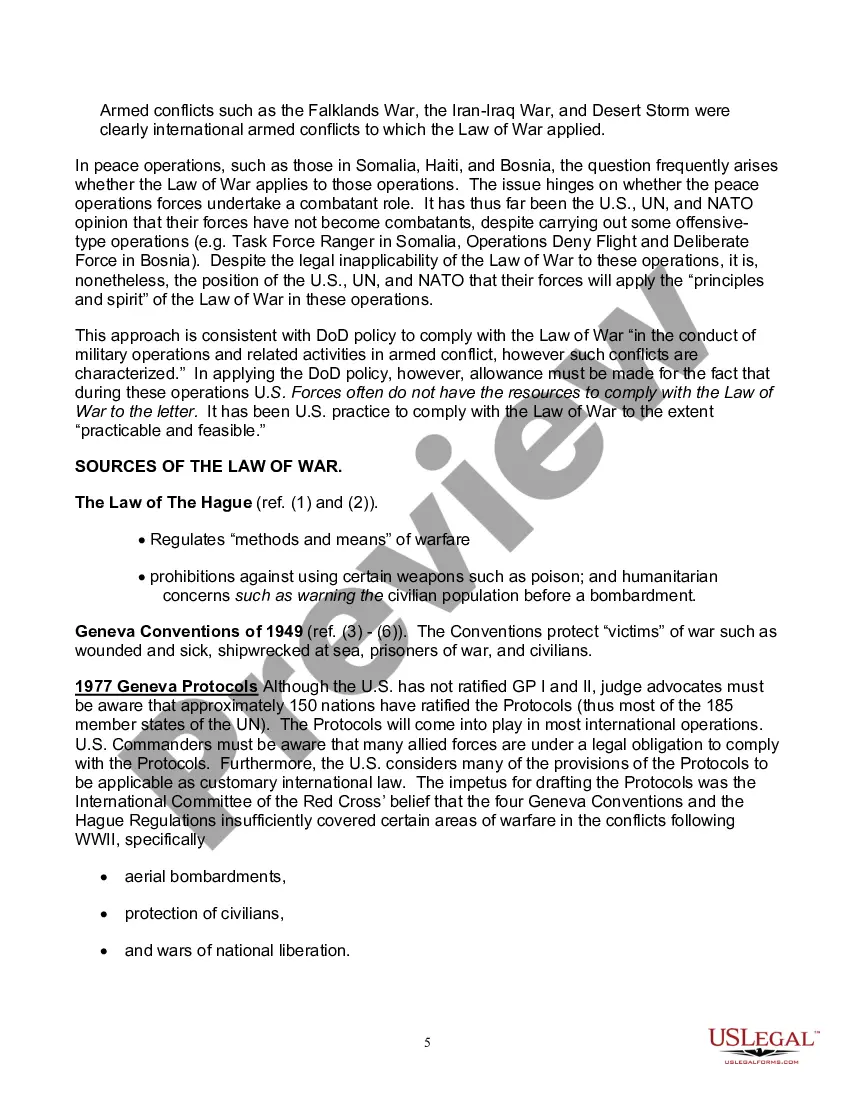
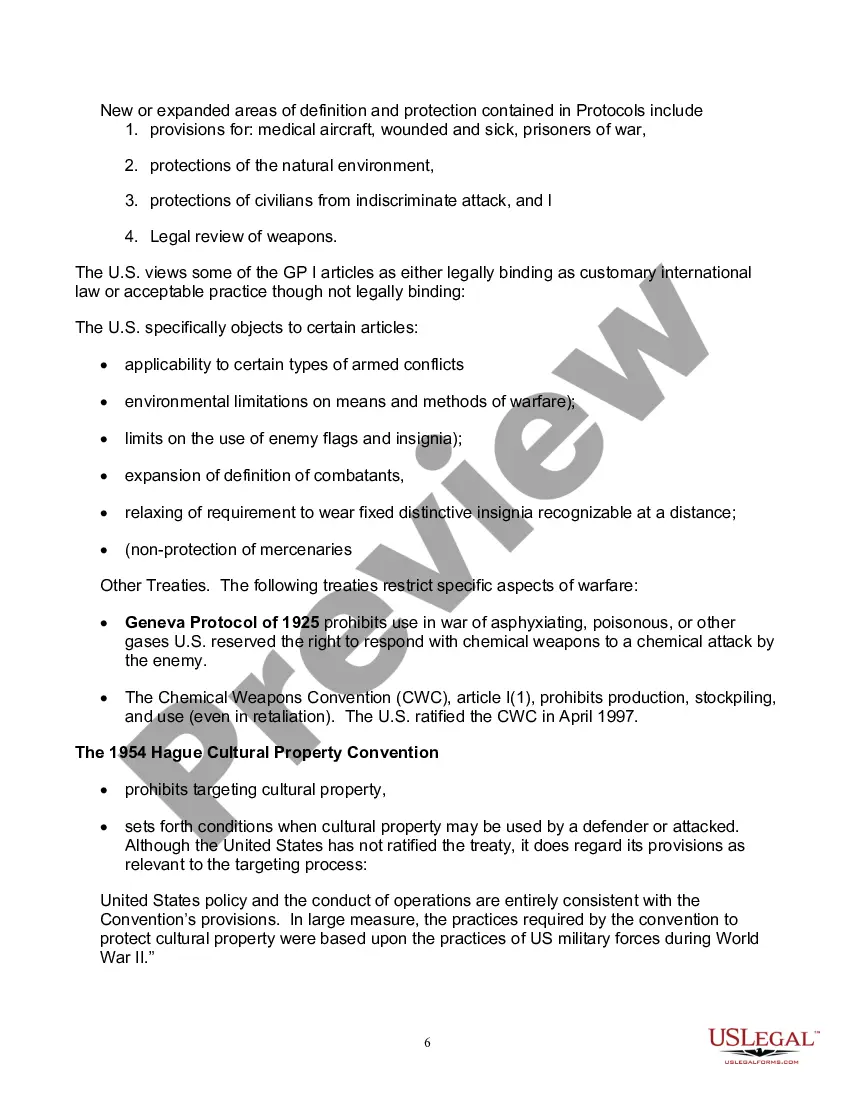


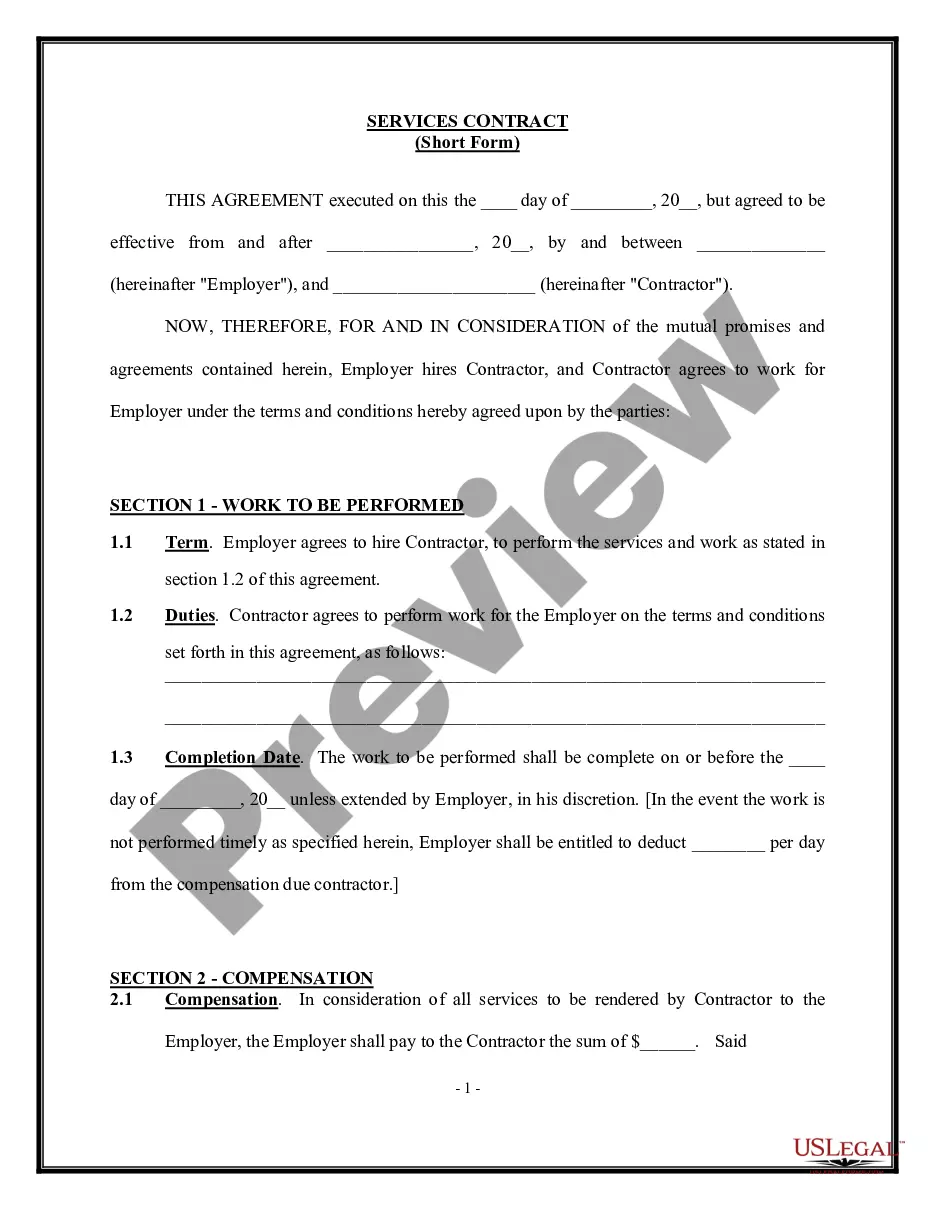
Get your form ready online
Our built-in tools help you complete, sign, share, and store your documents in one place.
Make edits, fill in missing information, and update formatting in US Legal Forms—just like you would in MS Word.
Download a copy, print it, send it by email, or mail it via USPS—whatever works best for your next step.
Sign and collect signatures with our SignNow integration. Send to multiple recipients, set reminders, and more. Go Premium to unlock E-Sign.
If this form requires notarization, complete it online through a secure video call—no need to meet a notary in person or wait for an appointment.
We protect your documents and personal data by following strict security and privacy standards.

Make edits, fill in missing information, and update formatting in US Legal Forms—just like you would in MS Word.

Download a copy, print it, send it by email, or mail it via USPS—whatever works best for your next step.

Sign and collect signatures with our SignNow integration. Send to multiple recipients, set reminders, and more. Go Premium to unlock E-Sign.

If this form requires notarization, complete it online through a secure video call—no need to meet a notary in person or wait for an appointment.

We protect your documents and personal data by following strict security and privacy standards.
Looking for another form?



Form popularity
FAQ
But, you cannot be evicted without a court order.
County Civil Judges have jurisdiction over Contract and Indebtedness cases up to $50,000, Landlord Tenant/Eviction cases, Small Claims and debt collection cases (amounts up to $8,000), Auto negligence, Condominium and Personal Injury Protection cases $8,001 to $50,000.
In most cases, the eviction process can take anywhere from a few weeks to several months. It generally begins with a notice to the tenant, which provides them with a set period to correct the issue, such as paying rent or moving out.
To file a formal consumer complaint, complete the below affidavit and save a copy of your completed affidavit for your records. You can print, sign, date and submit the affidavit by email (send as a pdf attachment to consumer@miamidade), fax to 786-469-2303 or mail to the address at the top of the affidavit.
Who Pays Legal Fees for Eviction? During the eviction process, both parties are responsible for paying their own legal fees until the court reaches a decision.
NOTE: Throughout Miami-Dade County, the owner may not use your status as a voucher holder to deny your tenancy. Owners cannot say “I don't take section 8”. How do I file a complaint? If you believe you are a victim of illegal housing discrimination, you can contact HUD or MDHCV.
Contact Clerk of the Court and Comptroller For general information, call 305-275-1155 for the Interactive Voice Response System.
Housing Code is the municipal rules governing the standards of construction for houses.
08-133, which requires issuance of a Certificate of Use (CU) by the Department of Planning and Zoning (DP&Z) for residential properties (in unincorporated Miami- Dade County) which are acquired through a Certificate of Title (Foreclosures and Judgments), in ance with Chapter 45, Florida Statutes.
Under Section 8-11(f) of the Miami-Dade County Code, the owner of a building which has been in existence for forty (40) years or longer is required to have the building inspected for the purpose of determining the general structural condition of the building and the general condition of its electrical systems.
