Training Contract For Barrister In Pima
Description

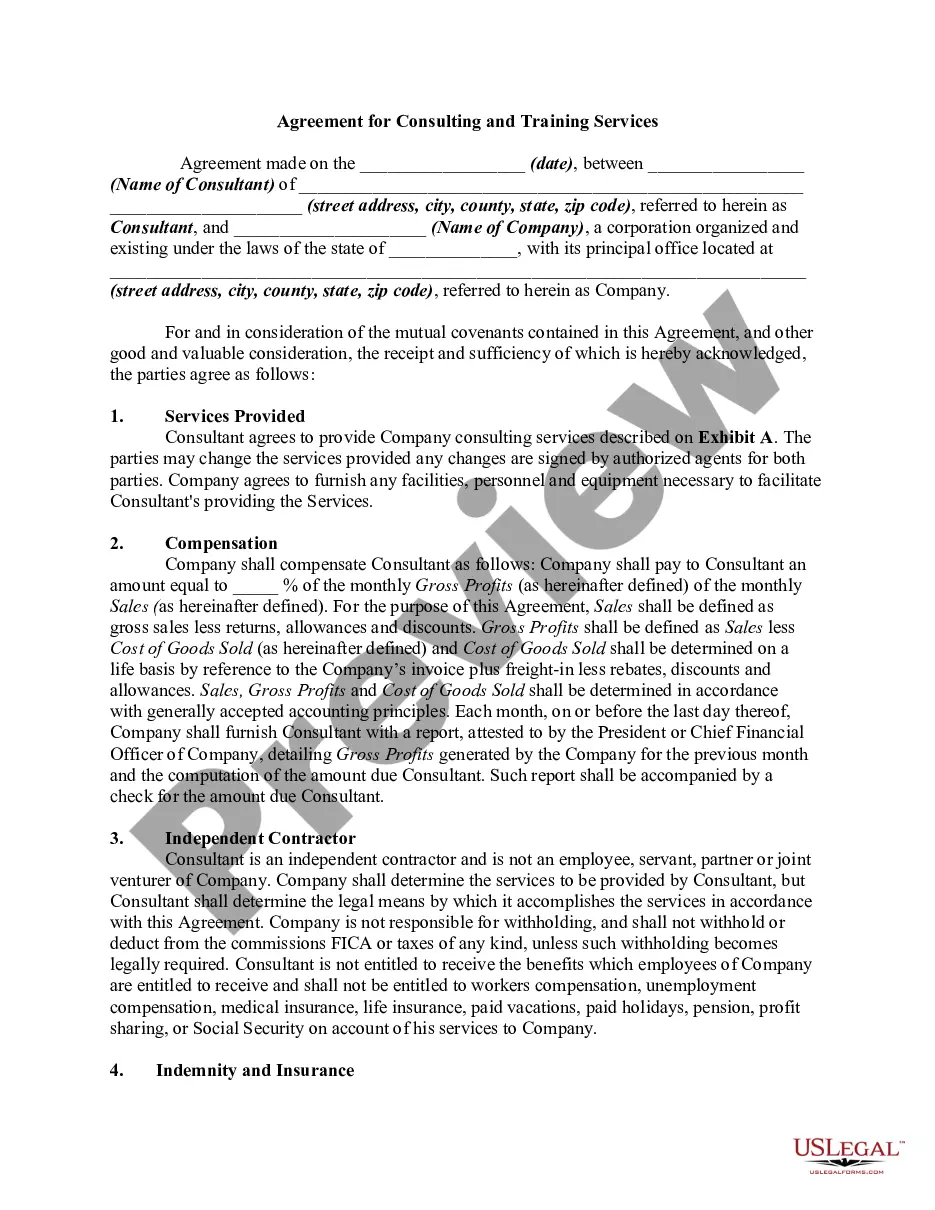
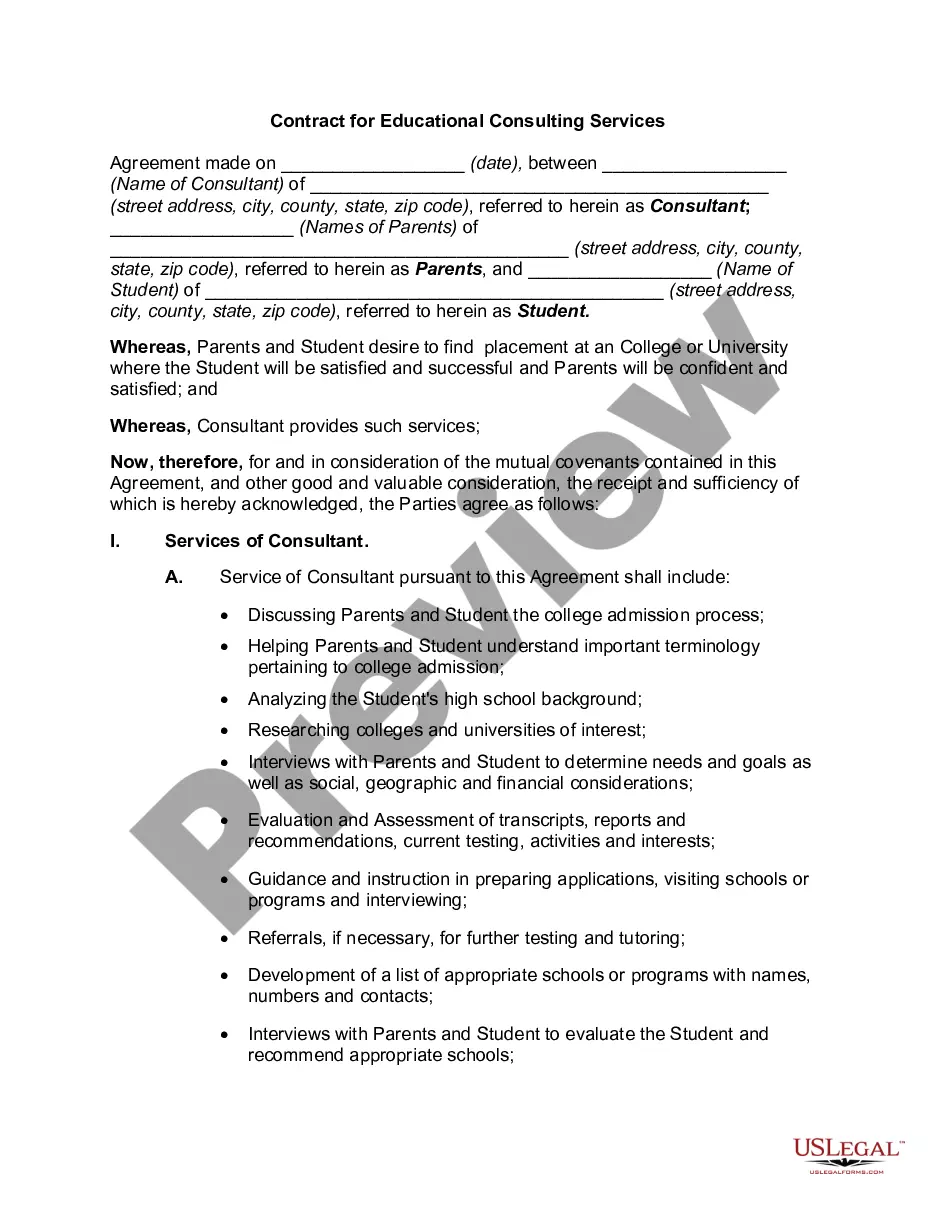
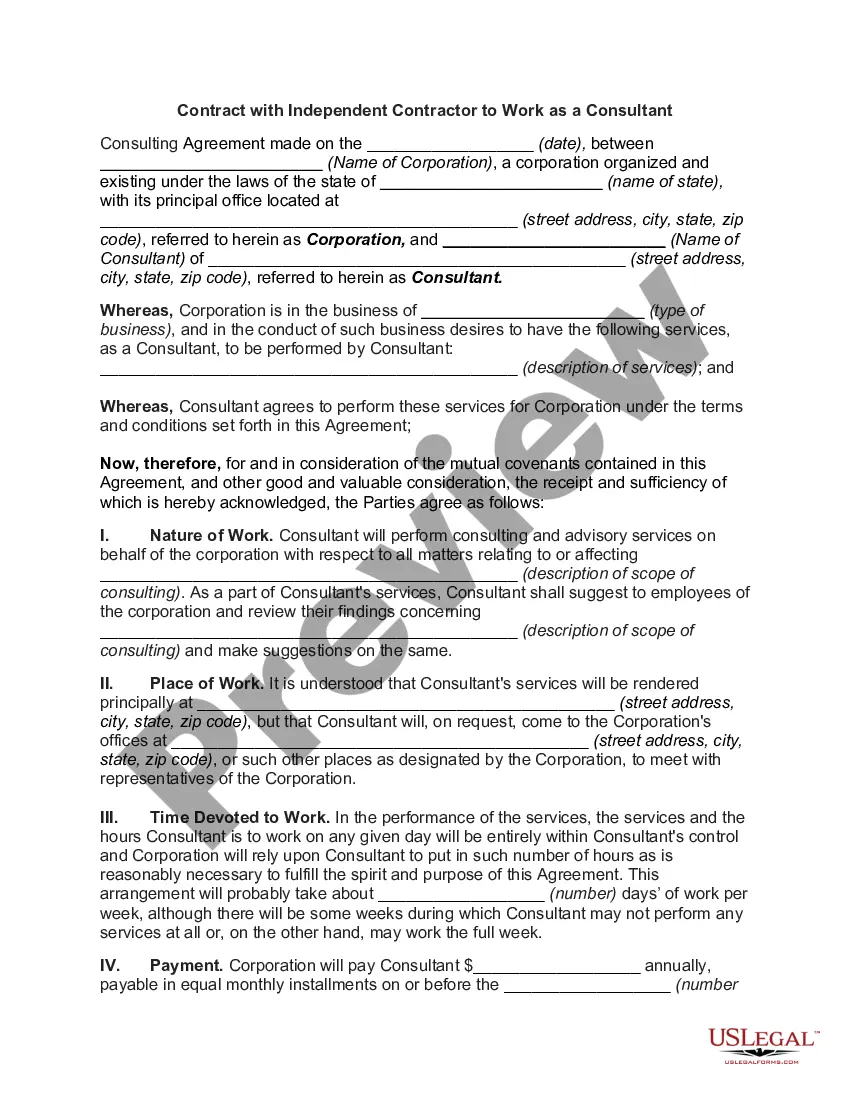
Get your form ready online
Our built-in tools help you complete, sign, share, and store your documents in one place.
Make edits, fill in missing information, and update formatting in US Legal Forms—just like you would in MS Word.
Download a copy, print it, send it by email, or mail it via USPS—whatever works best for your next step.
Sign and collect signatures with our SignNow integration. Send to multiple recipients, set reminders, and more. Go Premium to unlock E-Sign.
If this form requires notarization, complete it online through a secure video call—no need to meet a notary in person or wait for an appointment.
We protect your documents and personal data by following strict security and privacy standards.

Make edits, fill in missing information, and update formatting in US Legal Forms—just like you would in MS Word.

Download a copy, print it, send it by email, or mail it via USPS—whatever works best for your next step.

Sign and collect signatures with our SignNow integration. Send to multiple recipients, set reminders, and more. Go Premium to unlock E-Sign.

If this form requires notarization, complete it online through a secure video call—no need to meet a notary in person or wait for an appointment.

We protect your documents and personal data by following strict security and privacy standards.
Looking for another form?


Form popularity
FAQ
How to make your training contract applications stand out Think about what makes you, uniquely you. Be ruthless -- edit or delete any generic statements. Mention your previous interactions with the firm, no matter how small. Deploy all your hard work on building commercial awareness.
Trainee Blog: What makes a standout trainee? We ask our supervisors... Attitude. Entering a team with a positive attitude to get stuck into the work at hand and showing a willingness to learn is key. Being Proactive. Confidence. Attention to detail. Organisation.
10 top tips on how to secure a training contract Make sure you're well-rounded. Get a good mark in first year. Apply for first year schemes. Attend networking events. Apply for vacation schemes. Don't apply for too many vacation schemes. Keep up to date with commercial events. Enjoy your vacation scheme.
This article provides you with a step-by-step guide on how to write such a cover letter: Explain why you're writing. Introduce yourself to the recipient. Explain why you're applying to that firm. Explain why they should select you. Conclude your cover letter. Proofread your cover letter.
Although the training contract placements and application counts vary between each firm, the success rate for each firm is almost always between 1%-3%.
In order to be authorised to practise as a barrister, you must first undergo a period of work-based, practical training under the supervision of an experienced barrister. This is known as pupillage, and those who are currently undergoing pupillage are called pupils.
Length of a period of recognised training If a trainee works for less than 32 hours during a week we would consider this a part time period of recognised training and the trainee will be expected to complete more than the minimum two year requirement.
Yes, but any offer will depend on the firm successfully obtaining a work permit for you. If you are successful in securing a training contract, Debevoise will offer assistance to obtain the necessary work permits and visas.
The traditional route is to get a law degree or a related degree, take the LPC – by 2032, the LPC will be completely phased out – and the SQE if you have a non-law degree. After the SQE you'll need to get a TC at a law firm, preferably one with a strong showing in contract law.