Principles Of Law Enforcement In Cook
Description
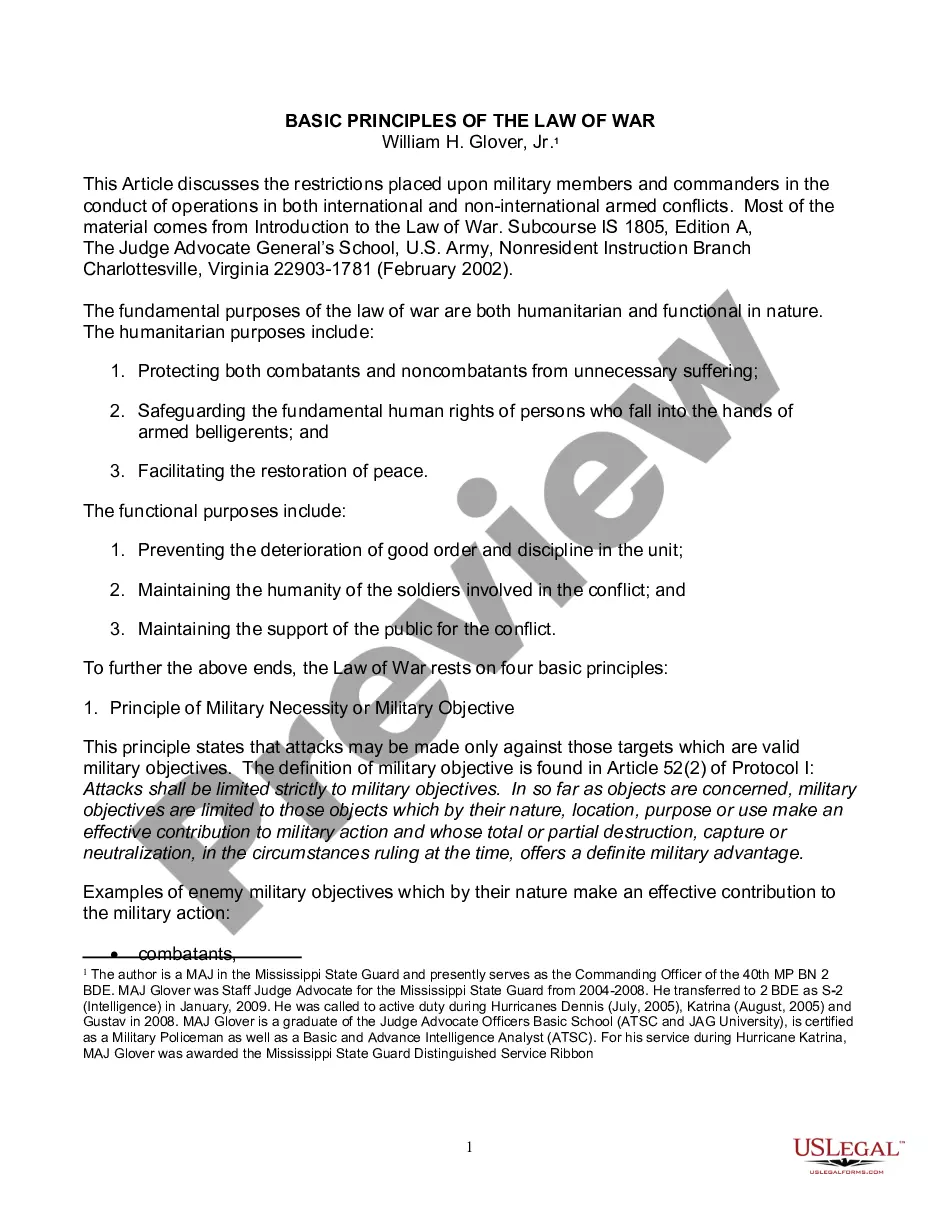

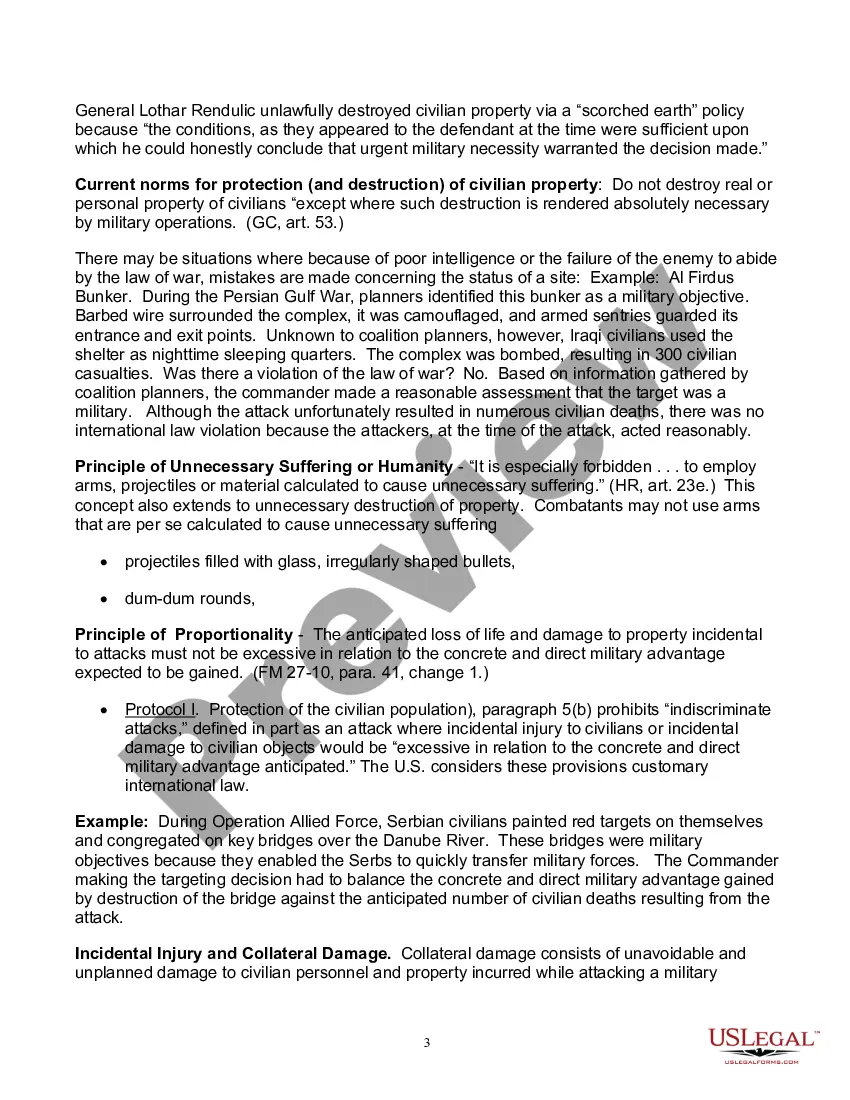
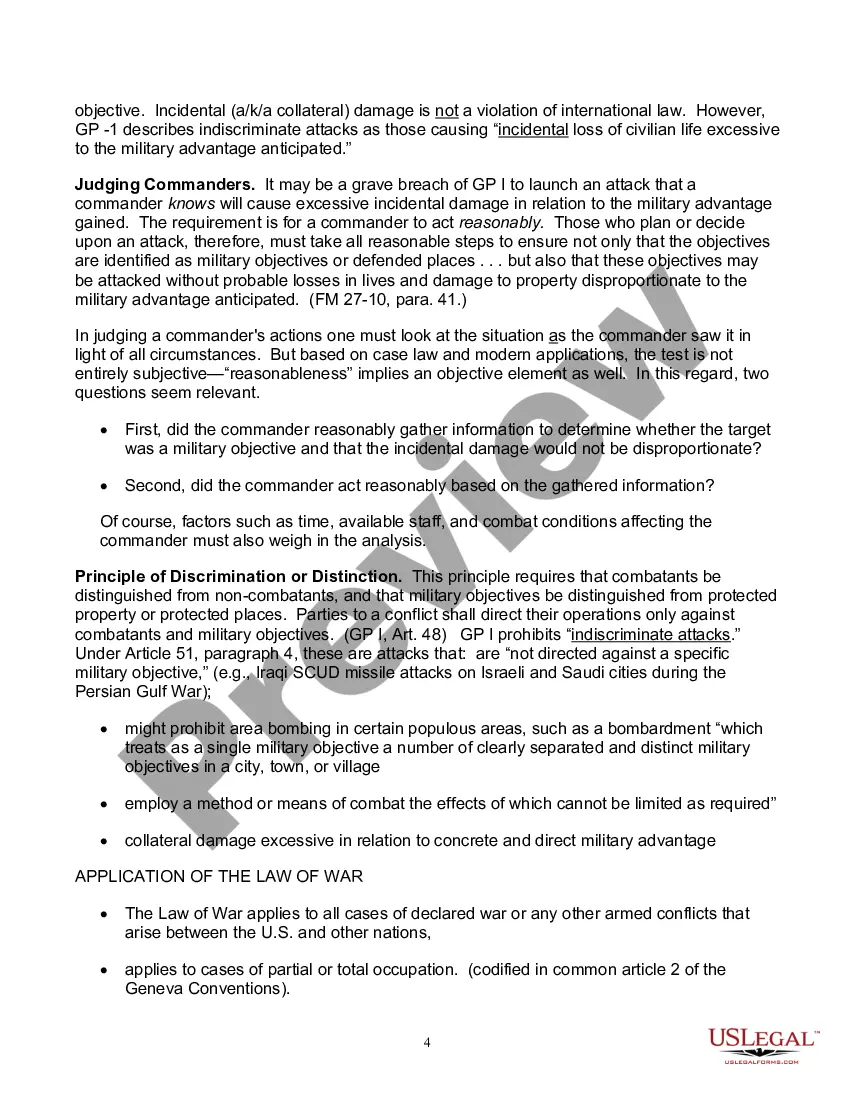
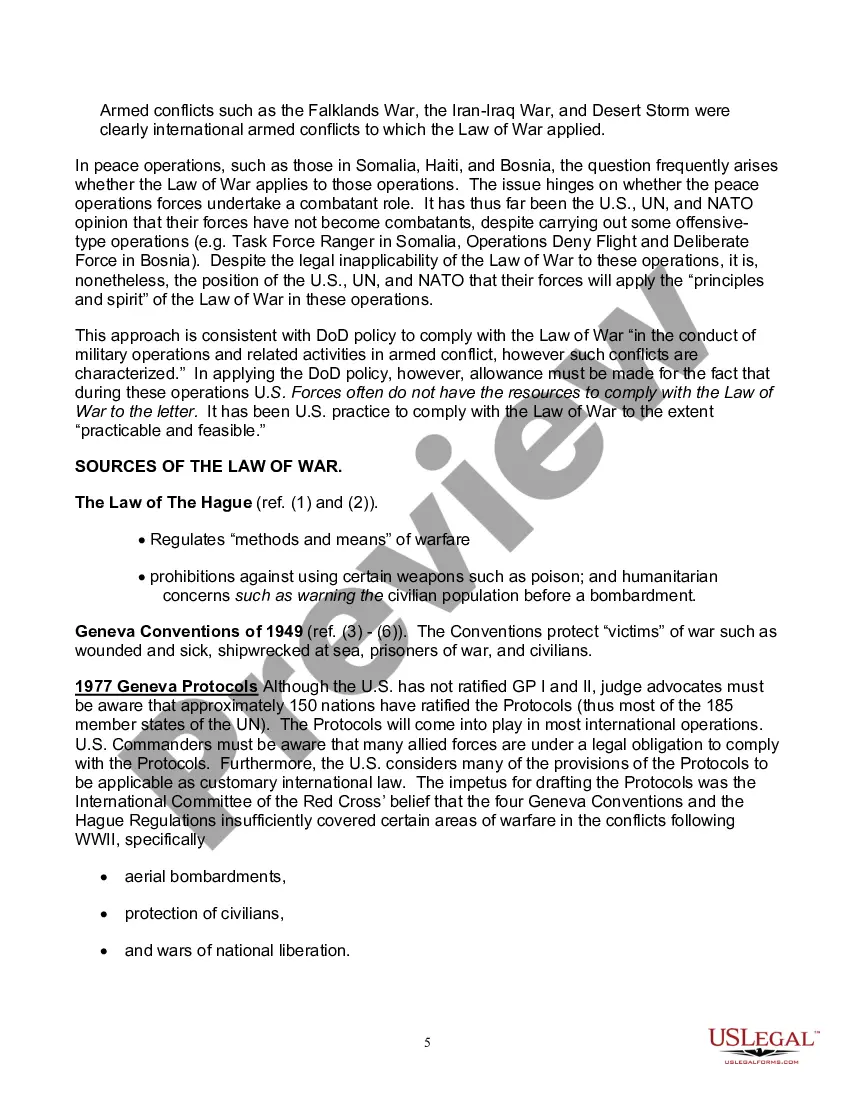




Get your form ready online
Our built-in tools help you complete, sign, share, and store your documents in one place.
Make edits, fill in missing information, and update formatting in US Legal Forms—just like you would in MS Word.
Download a copy, print it, send it by email, or mail it via USPS—whatever works best for your next step.
Sign and collect signatures with our SignNow integration. Send to multiple recipients, set reminders, and more. Go Premium to unlock E-Sign.
If this form requires notarization, complete it online through a secure video call—no need to meet a notary in person or wait for an appointment.
We protect your documents and personal data by following strict security and privacy standards.

Make edits, fill in missing information, and update formatting in US Legal Forms—just like you would in MS Word.

Download a copy, print it, send it by email, or mail it via USPS—whatever works best for your next step.

Sign and collect signatures with our SignNow integration. Send to multiple recipients, set reminders, and more. Go Premium to unlock E-Sign.

If this form requires notarization, complete it online through a secure video call—no need to meet a notary in person or wait for an appointment.

We protect your documents and personal data by following strict security and privacy standards.
Looking for another form?





Form popularity
FAQ
Peel's Act applied to all apprentices up to the age of 21. It prevented apprentices working at night and for longer than 12 hours a day, and made provision for them to receive some basic education. The Act's chief weakness, however, was the lack of any means to enforce it.
To seek and preserve public favor, not by pandering to public opinion, but by constantly demonstrating absolute impartial service to law, in complete independence of policy, and without regard to the justice or injustice of the substance of individual laws, by ready offering of individual service and friendship to all ...
Ten Recruiting Tips for Finding Good Officers Ask Staff, Friends, and Family to Spread the Word. Collaborate With the Community and Other Agencies. Go Online. Streamline the Process. Provide Helplines and Mentors. Break Down Unnecessary Barriers. Consider Different Degrees. Grow Your Own Candidates.
To seek and preserve public favor, not by pandering to public opinion, but by constantly demonstrating absolute impartial service to law, in complete independence of policy, and without regard to the justice or injustice of the substance of individual laws, by ready offering of individual service and friendship to all ...
It says officers should “prevent crime and disorder, as an alternative to their repression by military force and severity of legal punishment.”7 Although this principle was shaped within the context of history at the time it was written, it remains relevant.
I will uphold the Constitution and honor the rights of all to life, liberty, equality, and justice. I will never employ unnecessary force. I will respect the privacy of people and communities that I serve, and I will fully obey the laws that I am sworn to enforce.
Ethical policing requires courage, respect and empathy, and public service. These principles help us make and reflect on our professional decisions. Courage – making, communicating and being accountable for decisions, and standing against anything that could bring our profession into disrepute.
Principles of the Law, Policing provides the framework on which to build just and rational policing laws, policies, and practices. The project launched in 2015 and is informed by a variety of sources, including existing policies and practices in various jurisdictions, social-science research, and constitutional norms.
