Contract Law For Construction In Washington
Description

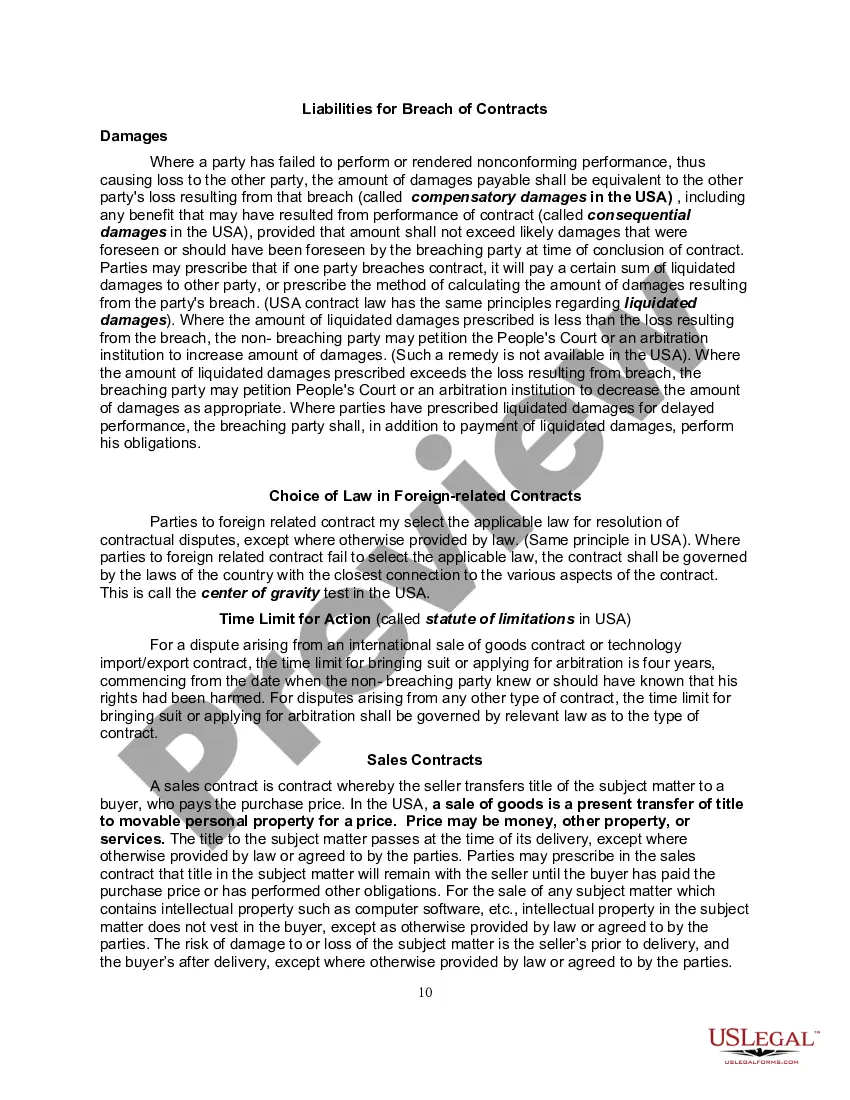


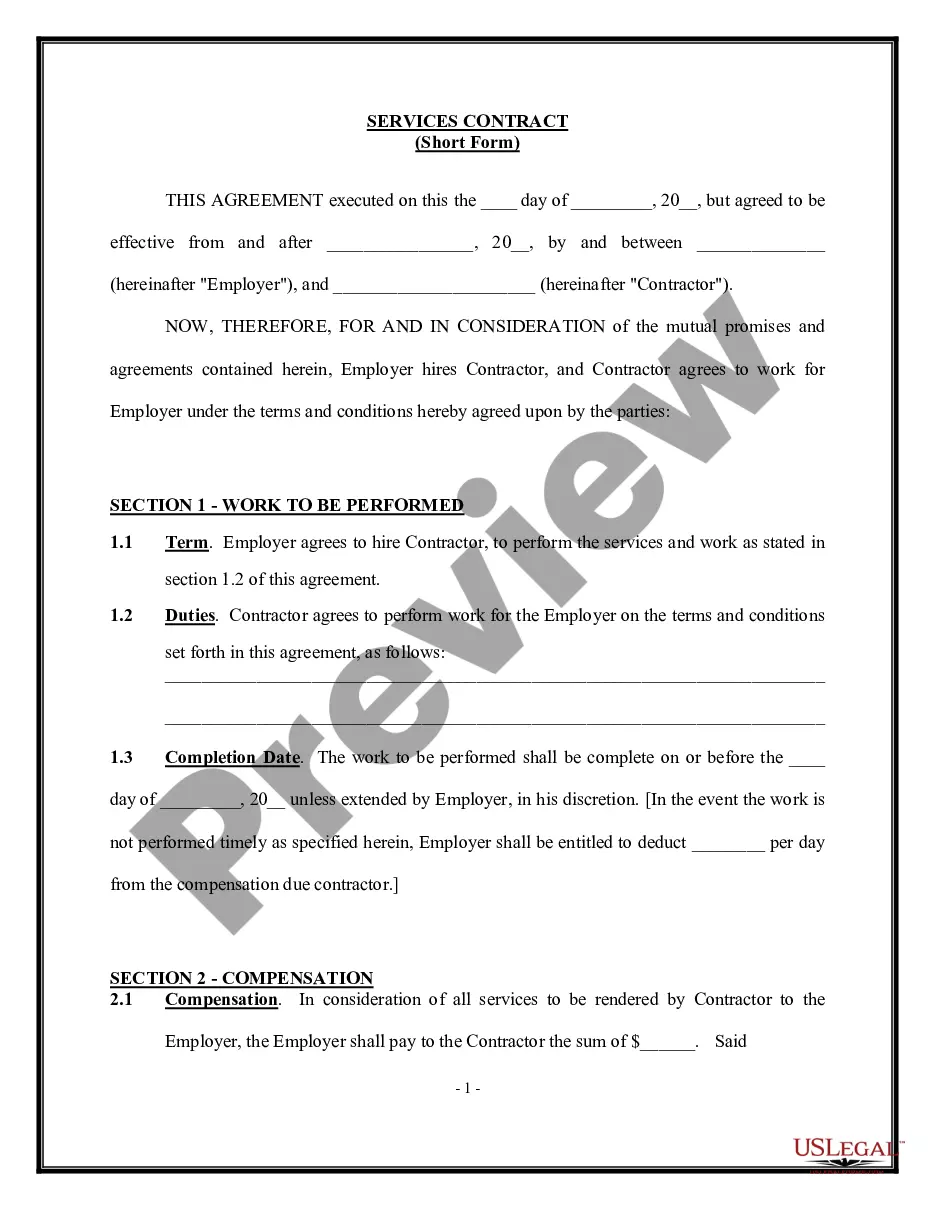
Get your form ready online
Our built-in tools help you complete, sign, share, and store your documents in one place.
Make edits, fill in missing information, and update formatting in US Legal Forms—just like you would in MS Word.
Download a copy, print it, send it by email, or mail it via USPS—whatever works best for your next step.
Sign and collect signatures with our SignNow integration. Send to multiple recipients, set reminders, and more. Go Premium to unlock E-Sign.
If this form requires notarization, complete it online through a secure video call—no need to meet a notary in person or wait for an appointment.
We protect your documents and personal data by following strict security and privacy standards.

Make edits, fill in missing information, and update formatting in US Legal Forms—just like you would in MS Word.

Download a copy, print it, send it by email, or mail it via USPS—whatever works best for your next step.

Sign and collect signatures with our SignNow integration. Send to multiple recipients, set reminders, and more. Go Premium to unlock E-Sign.

If this form requires notarization, complete it online through a secure video call—no need to meet a notary in person or wait for an appointment.

We protect your documents and personal data by following strict security and privacy standards.
Looking for another form?


Form popularity
FAQ
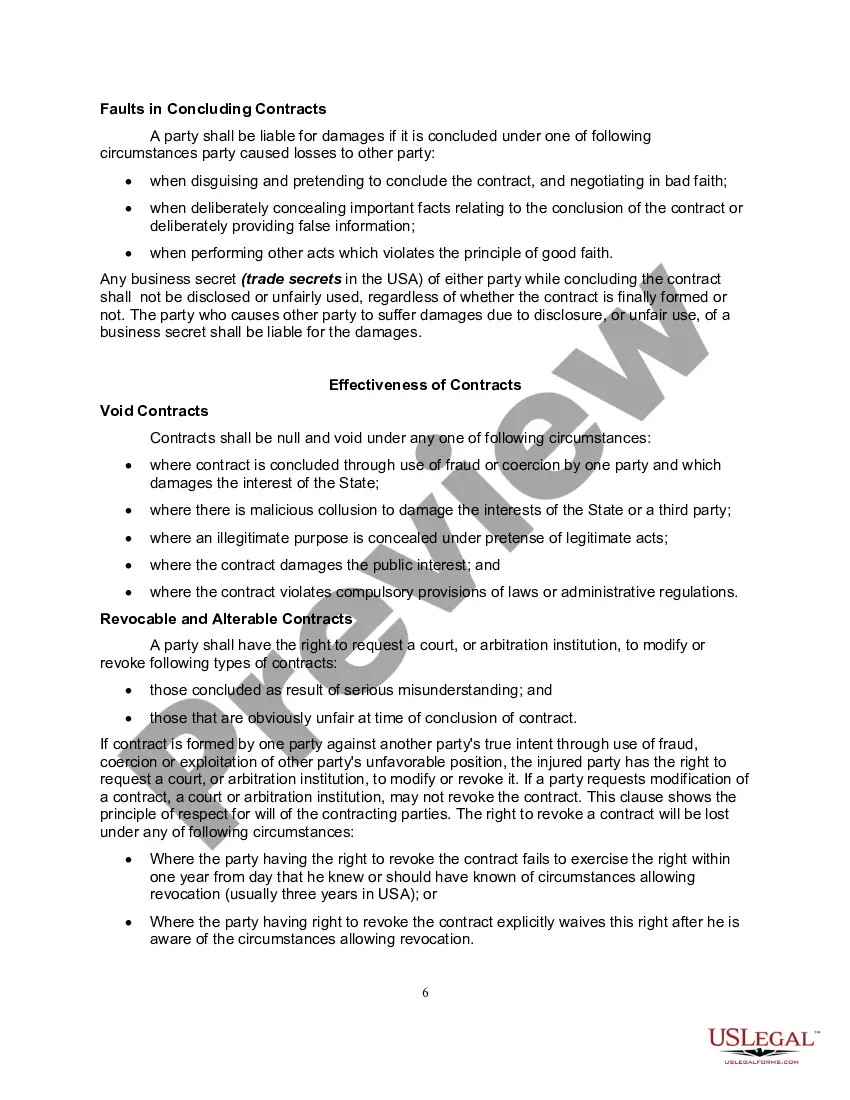
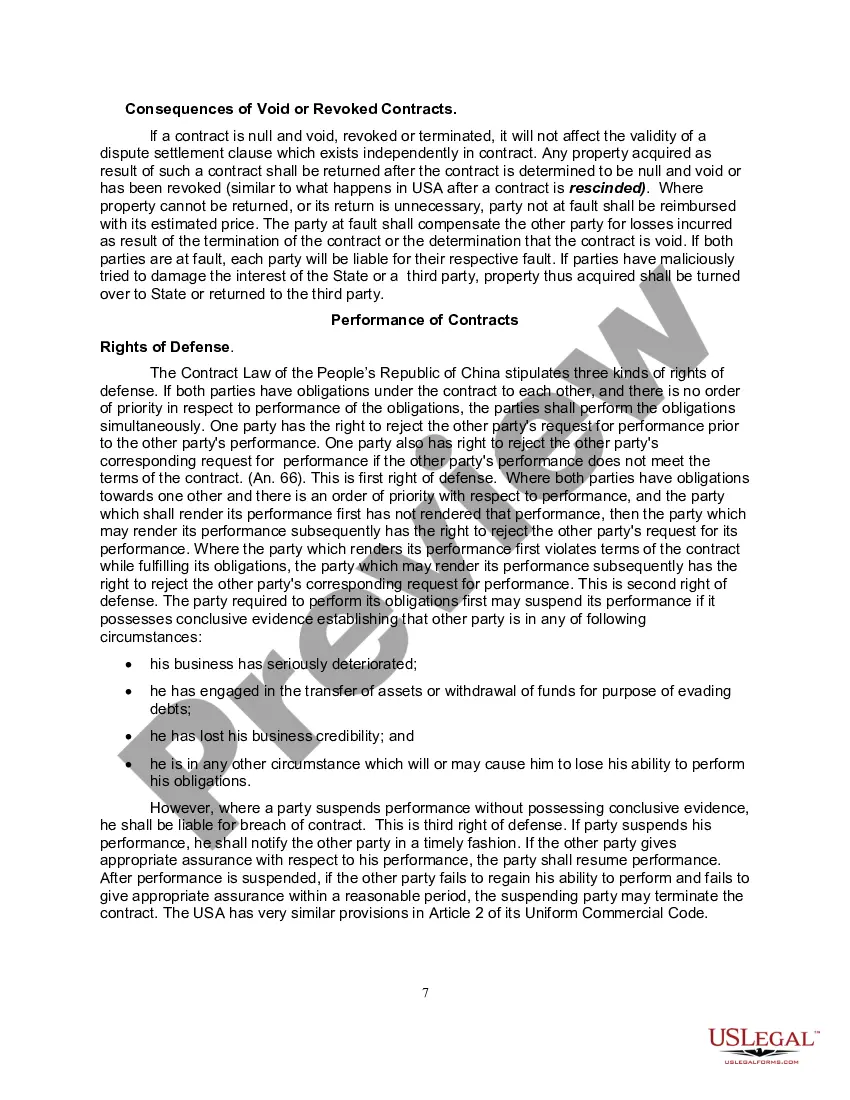
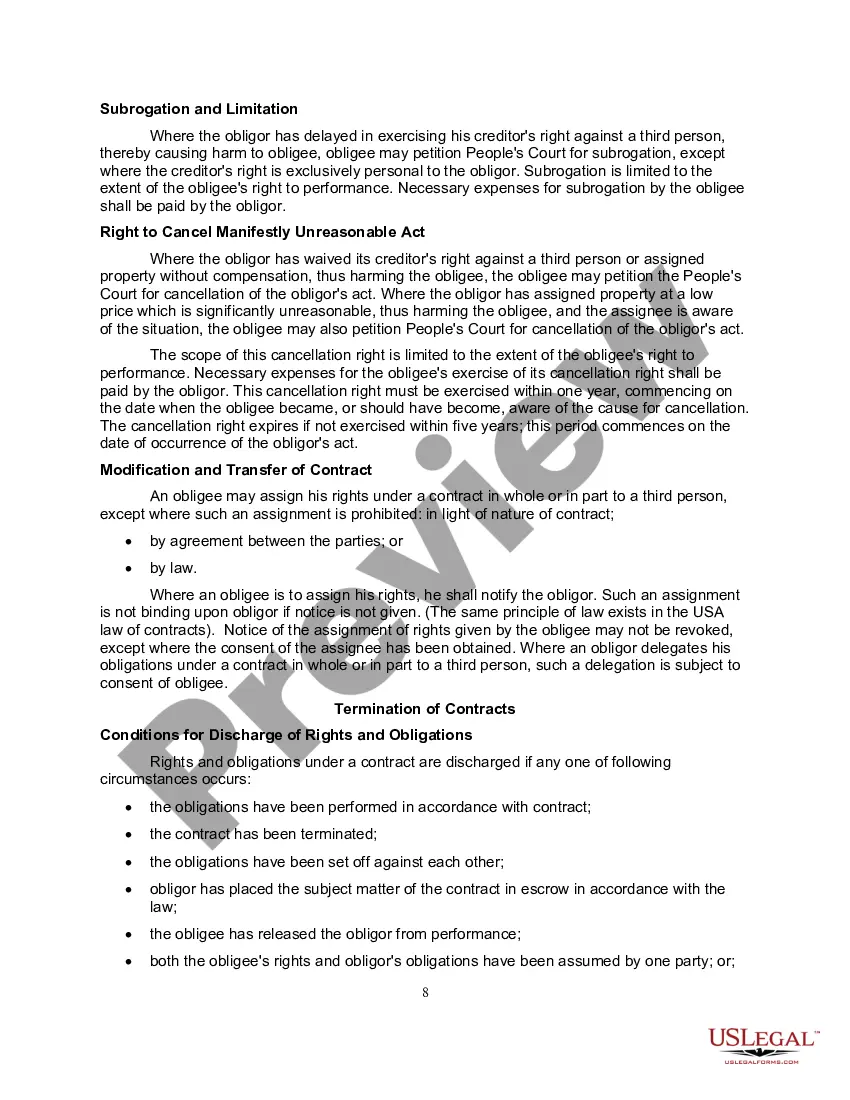
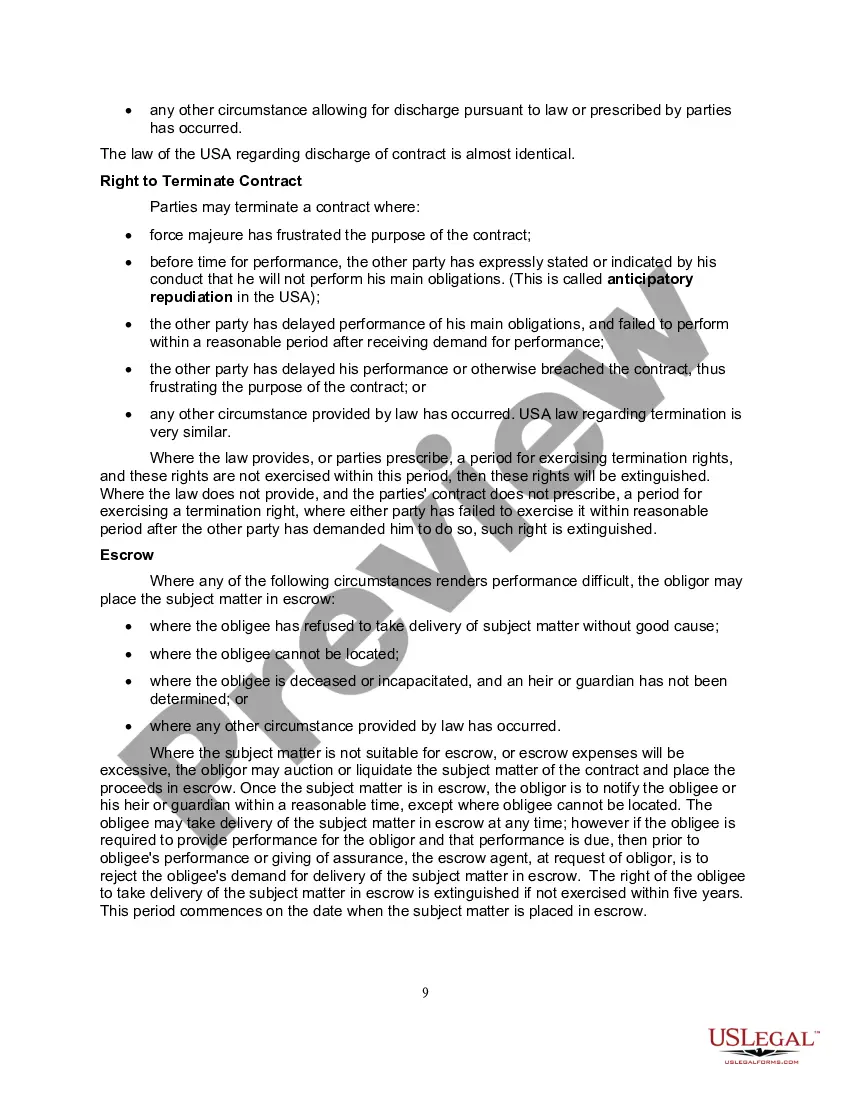
Top 10 Common Mistakes that We See in Construction Contracts It's not written down. Both parties haven't signed the contract. Not all of the terms of the agreement are in writing and in the contract. The timeline is unclear. Particular terms aren't defined. There's no written approval of any changes to the contract.
Dispute resolution clauses: These clauses are the most ignored of the 5 key clauses. This is because hope springs eternal at the start of a project and no one thinks a dispute will arise.
A contract can be declared unenforceable if it does not comply with applicable laws, Wolf said. For example, states like California and Florida have extensive and strict licensing laws, and if a contractor takes on a project without being properly licensed, the contract is likely illegal and therefore unenforceable.
Specify governing law. Identify the working relationship. Clearly define the scope of work. Specify what benefits, if any, the contractor will receive. Assign intellectual property. Include confidentiality clauses. Include a termination clause.
Any cause of action which has not accrued within six years after such substantial completion of construction, or within six years after such termination of services, whichever is later, shall be barred: PROVIDED, That this limitation shall not be asserted as a defense by any owner, tenant or other person in possession ...
To file suit against a contractor, file a summons & complaint Obtain a Summons & Complaint form. L&I does not supply these forms. Complete the form as directed. File your form with the Superior Court in the county where the work was done. Have your summons and complaint served — a legal must.
A contract is an agreement between parties, creating mutual obligations that are enforceable by law. The basic elements required for the agreement to be a legally enforceable contract are: mutual assent, expressed by a valid offer and acceptance; adequate consideration; capacity; and legality.
That contract must include specific information about your rights and responsibilities. In addition, any changes made to that contract must be in writing, be legible, be easy to understand, and inform you of your rights to cancel or rescind the contract.
These also vary by state. In California, the statute of repose is four years for most defects, but 10 years for latent defects (those that aren't observable right away, such as a faulty foundation). In Georgia, the statute of repose is eight years for all claims related to design or construction of the building.
In Washington, claims based on written contracts must be commenced within six years of the claimed breach of contract. Claims based on negligence must be brought within three years of when the plaintiff discovers (or with reasonable diligence could discover) the facts underlying the claim.
