Contract Law Forfeiture In Travis
Description



Get your form ready online
Our built-in tools help you complete, sign, share, and store your documents in one place.
Make edits, fill in missing information, and update formatting in US Legal Forms—just like you would in MS Word.
Download a copy, print it, send it by email, or mail it via USPS—whatever works best for your next step.
Sign and collect signatures with our SignNow integration. Send to multiple recipients, set reminders, and more. Go Premium to unlock E-Sign.
If this form requires notarization, complete it online through a secure video call—no need to meet a notary in person or wait for an appointment.
We protect your documents and personal data by following strict security and privacy standards.

Make edits, fill in missing information, and update formatting in US Legal Forms—just like you would in MS Word.

Download a copy, print it, send it by email, or mail it via USPS—whatever works best for your next step.

Sign and collect signatures with our SignNow integration. Send to multiple recipients, set reminders, and more. Go Premium to unlock E-Sign.

If this form requires notarization, complete it online through a secure video call—no need to meet a notary in person or wait for an appointment.

We protect your documents and personal data by following strict security and privacy standards.
Looking for another form?








Form popularity
FAQ
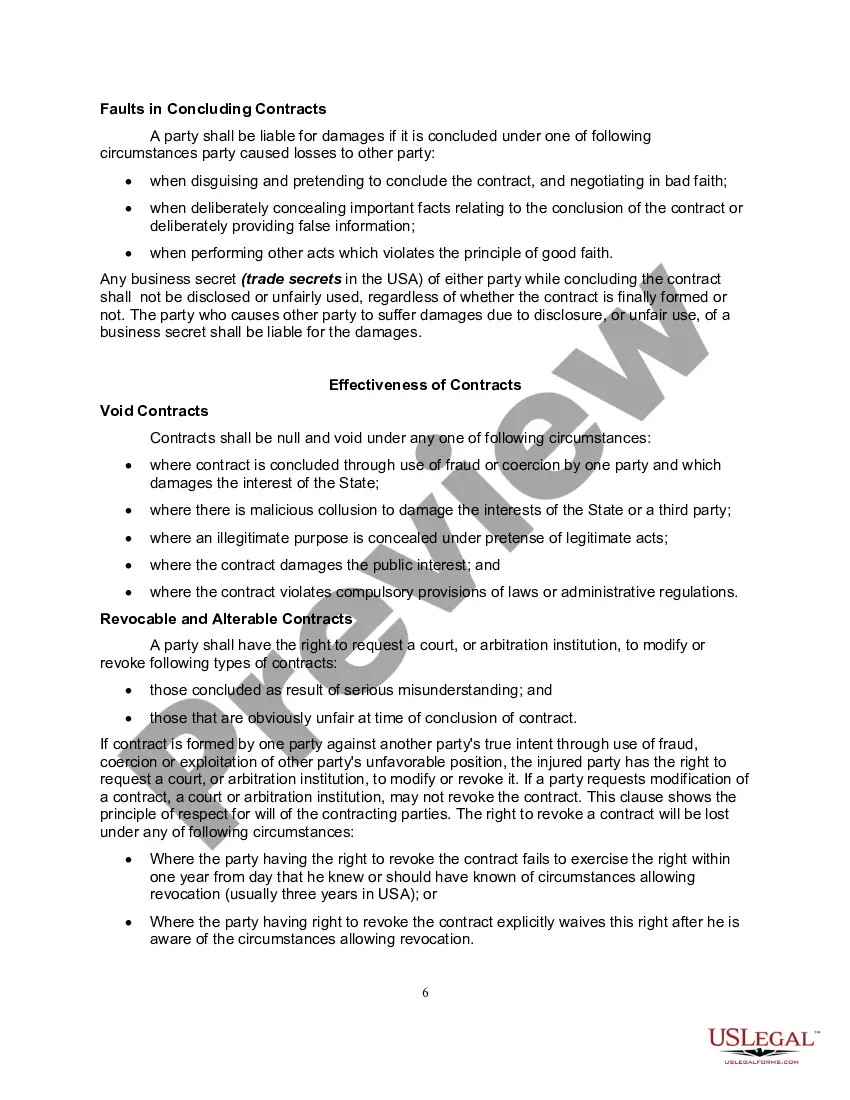
Bail bonds and personal bonds are forfeited in the following manner: The name of the defendant shall be called distinctly at the courthouse door, and if the defendant does not appear within a reasonable time after such call is made, judgment shall be entered that the State of Texas recover of the defendant the amount ...
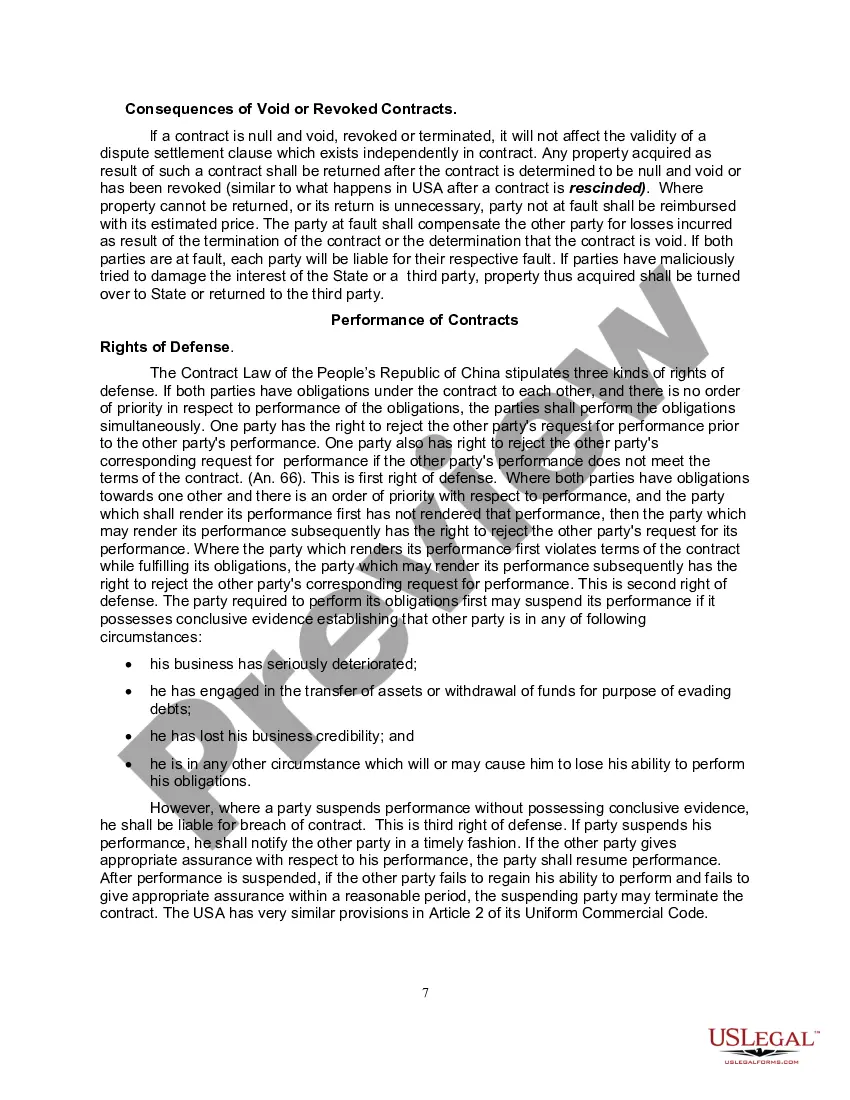
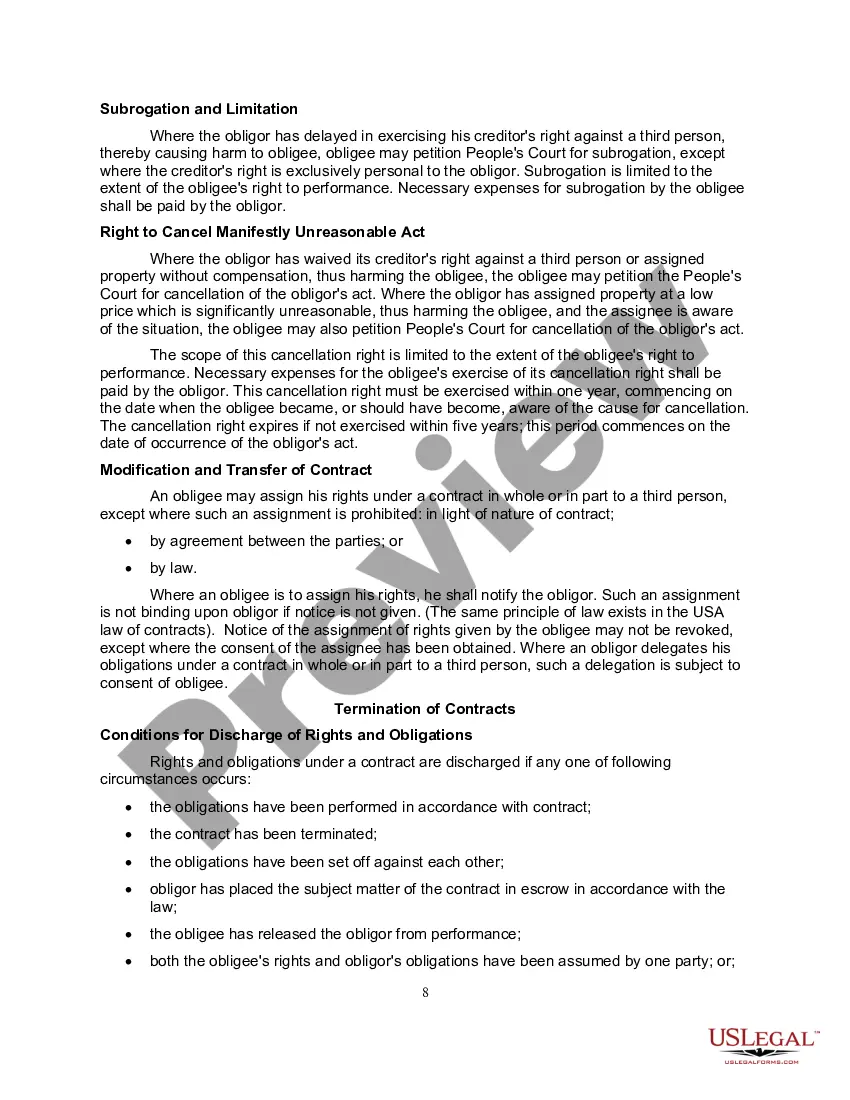
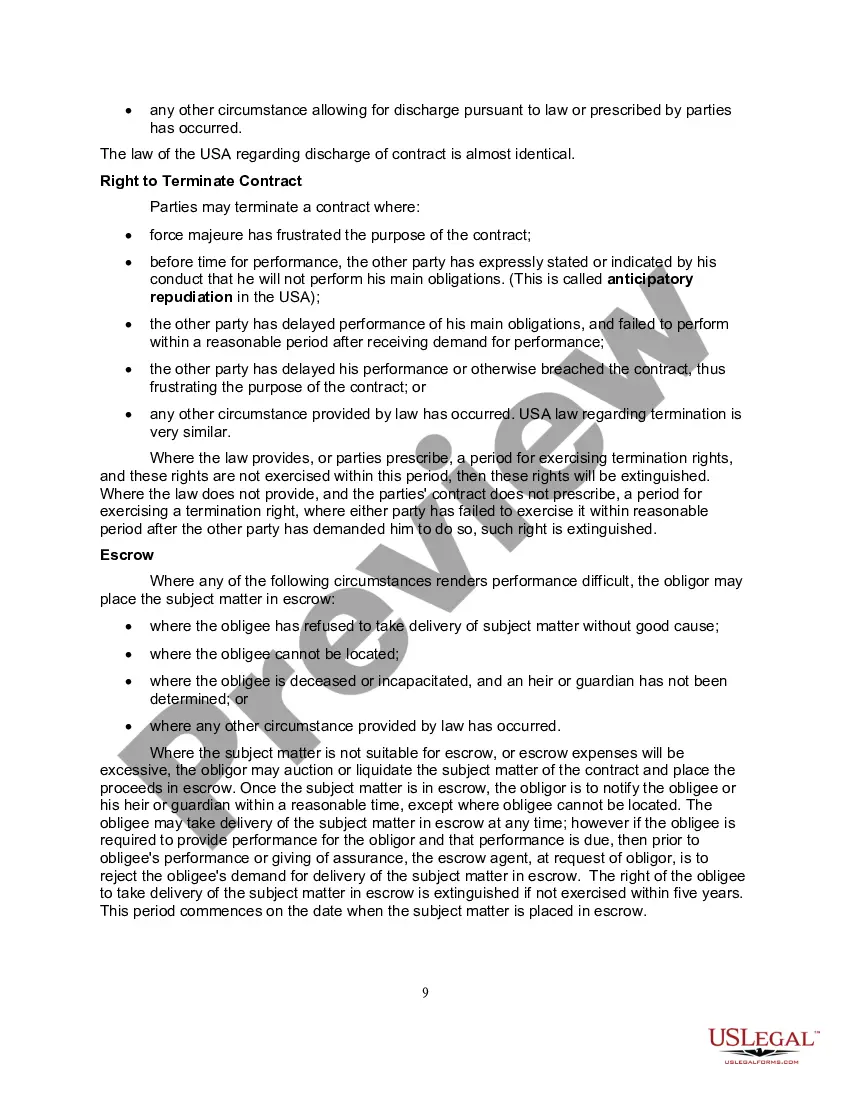
Forfeiture is compensation for breach of the terms of a contract. The party who fails to perform their obligations or breach their duty under a contract forfeits their assets or rights under the contract. The purpose of forfeiture is to compensate the party adversely affected by the non-performance of the contract.
A bond forfeiture case is filed when a misdemeanor defendant failed to appear for a hearing or trial. If an answer is not filed in a timely fashion, the plaintiff may take a default judgment.
Forfeit means to lose or give up something, usually as a penalty.
Consequences of a Revoked Bail Bond A warrant will likely be issued for your arrest, and you may be taken into custody until your case is resolved. If you fail to appear in court, the bail amount may be forfeited, and you or your cosigner may be responsible for paying the total amount to the bail bond company.
Something to which the right is lost, as for commission of a crime or misdeed, neglect of duty, or violation of a contract. an article deposited in a game because of a mistake and redeemable by a fine or penalty. forfeits, (used with a singular verb) a game in which such articles are taken from the players.
: to lose or lose the right to as a punishment for an error, offense, or crime. forfeiter noun.
What is Civil Asset Forfeiture? ing to Chapter 59 of the Texas Code of Criminal Procedure, law enforcement can confiscate property suspected of being involved in criminal activity without charging the owner with a crime.
Civil Judicial Forfeiture Unlike criminal forfeiture, there is no criminal conviction required, although the government is still required to prove in court by a preponderance of evidence that the property was linked to criminal activity.
The people shall be secure in their persons, houses, papers and possessions, from all unreasonable seizures or searches, and no warrant to search any place, or to seize any person or thing, shall issue without describing them as near as may be, nor without probable cause, supported by oath or affirmation.
