Contract Law For Dummies In Texas
Description



Get your form ready online
Our built-in tools help you complete, sign, share, and store your documents in one place.
Make edits, fill in missing information, and update formatting in US Legal Forms—just like you would in MS Word.
Download a copy, print it, send it by email, or mail it via USPS—whatever works best for your next step.
Sign and collect signatures with our SignNow integration. Send to multiple recipients, set reminders, and more. Go Premium to unlock E-Sign.
If this form requires notarization, complete it online through a secure video call—no need to meet a notary in person or wait for an appointment.
We protect your documents and personal data by following strict security and privacy standards.

Make edits, fill in missing information, and update formatting in US Legal Forms—just like you would in MS Word.

Download a copy, print it, send it by email, or mail it via USPS—whatever works best for your next step.

Sign and collect signatures with our SignNow integration. Send to multiple recipients, set reminders, and more. Go Premium to unlock E-Sign.

If this form requires notarization, complete it online through a secure video call—no need to meet a notary in person or wait for an appointment.

We protect your documents and personal data by following strict security and privacy standards.
Looking for another form?









Form popularity
FAQ
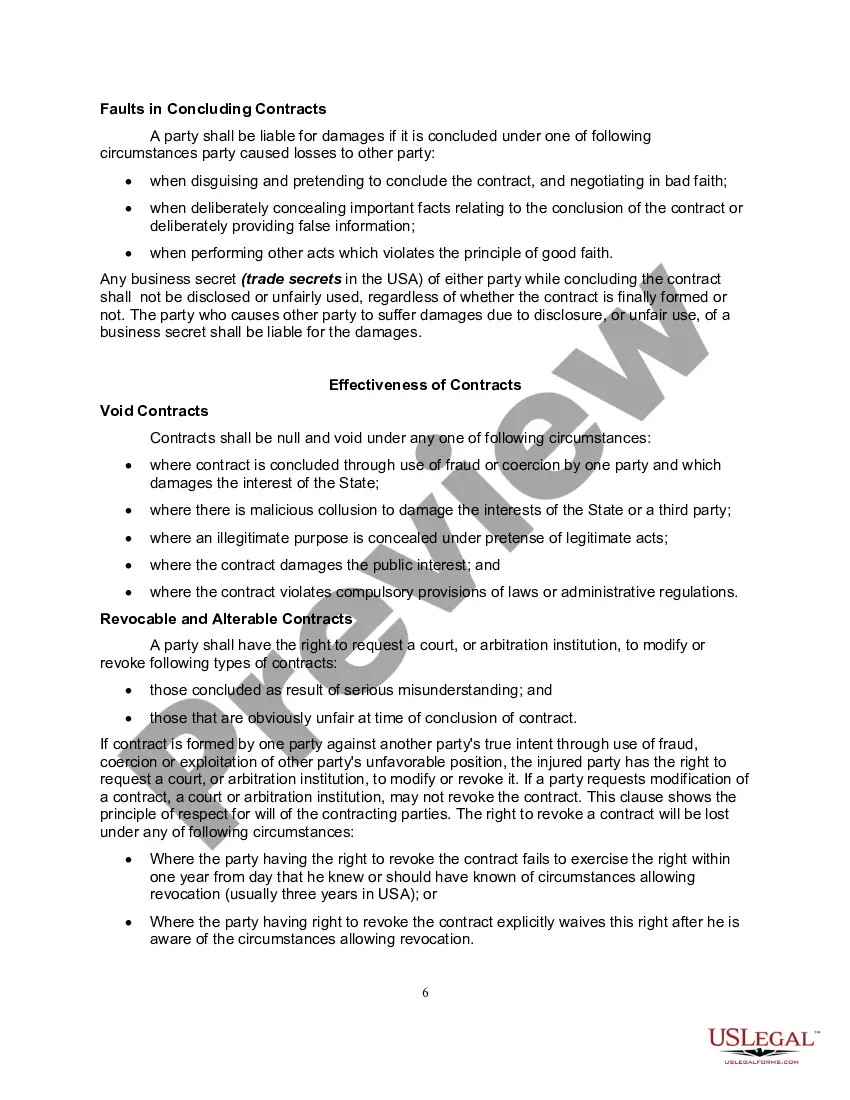
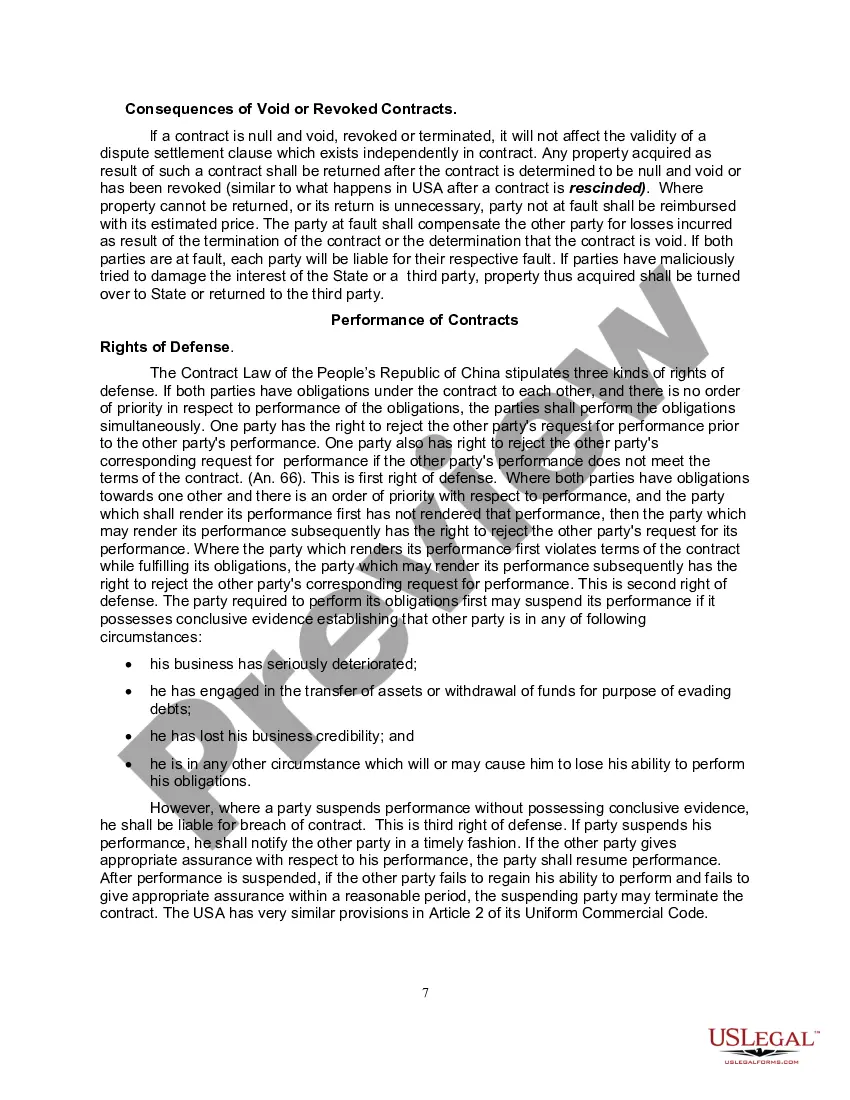
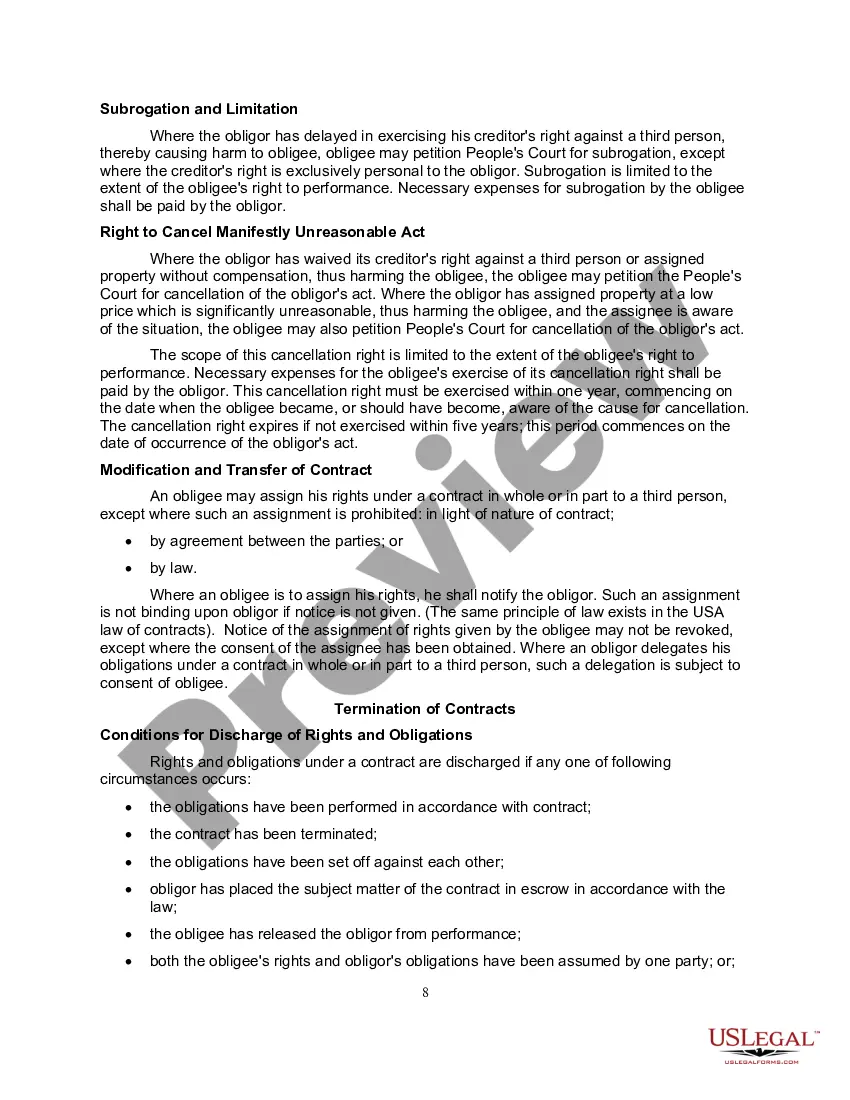
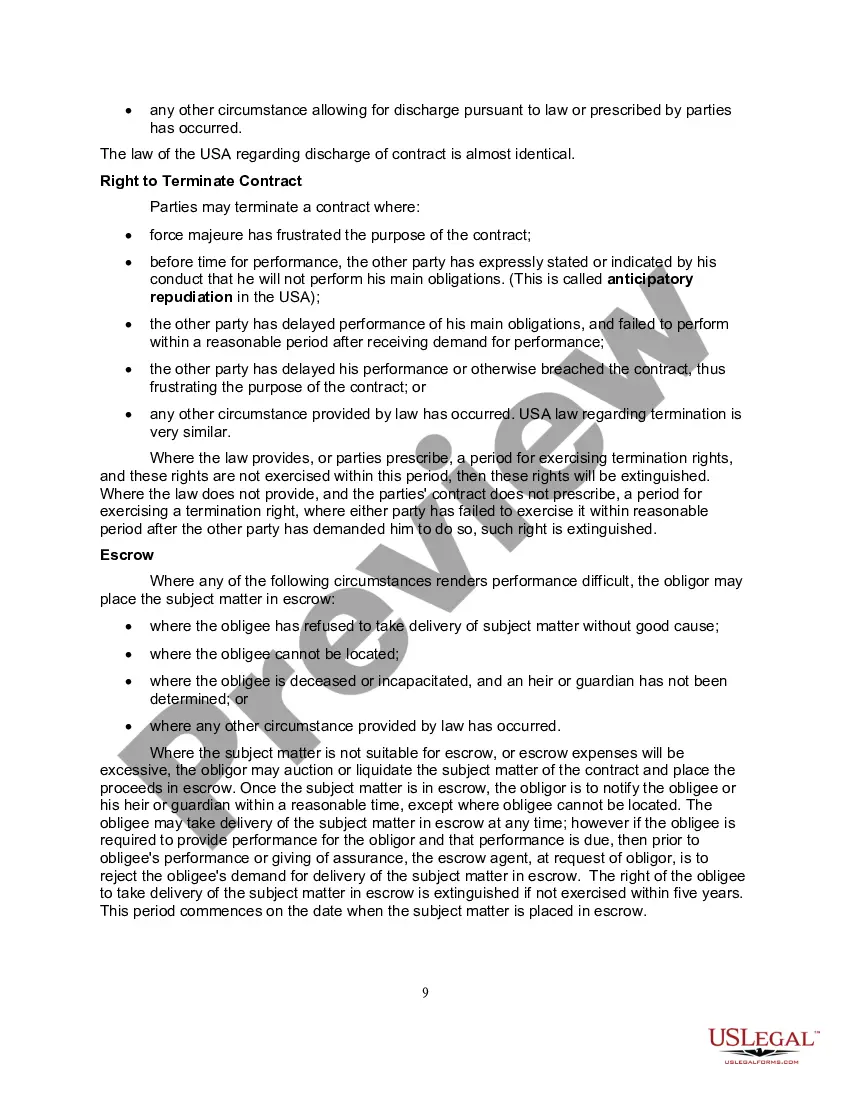
To be legally enforceable, an agreement must contain all of the following criteria: An offer and acceptance; Certainty of terms; Consideration; An intention to create legal relations; Capacity of the parties; and, Legality of purpose.
A contract is an agreement between parties , creating mutual obligations that are enforceable by law . The basic elements required for the agreement to be a legally enforceable contract are: mutual assent , expressed by a valid offer and acceptance ; adequate consideration ; capacity ; and legality .
And even though contracts are infinitely varied in length, terms, and complexity, all contracts must contain these six essential elements. Offer. Acceptance. Awareness. Consideration. Capacity. Legality.
Mutual Assent: A "Meeting of the Minds" of Offer & Acceptance. A legally recognized offer and an acceptance create a "meeting of the minds", or mutual assent, between the parties. The law requires the parties to a contract to demonstrate mutual assent to the contracts' terms.
Texas contract law has a statute of frauds which requires that certain types of contracts, like those for land, for the sale of goods over $500, or those which take over a year to perform, must be in writing to be legally enforceable.
An essential tool in the arsenal of negotiators is understanding the 4 P's of contract negotiations: Preparation, Process, People, and Product. This framework offers a comprehensive approach to negotiations, ensuring that every aspect is meticulously planned and executed.
Whether you're a business owner, consumer, or simply someone navigating everyday transactions, understanding the three main rules of contract law — offer, acceptance, and consideration — is indispensable. These principles protect your rights, ensure fair dealings, and provide a framework for resolving disputes.
Texas contract cancellation laws provide consumer protections, including the three-day right of rescission for sales made outside a seller's primary place of business. The three-day cancellation window applies to door-to-door sales and similar transactions, but not to purchases under $25 or to real estate transactions.
When two parties agree to “mutual obligations enforceable by law,” they often put details of their agreement in a written contract. Then, all parties to the contract are expected to abide by the contract's provisions. Breach of contract occurs when one or more parties fail to do so.
A law contract is a legally binding agreement between two or more parties with the capacity to agree. For a contract to be valid, it must meet four key essentials: offer, acceptance, consideration, and the intent to create legal relations.
