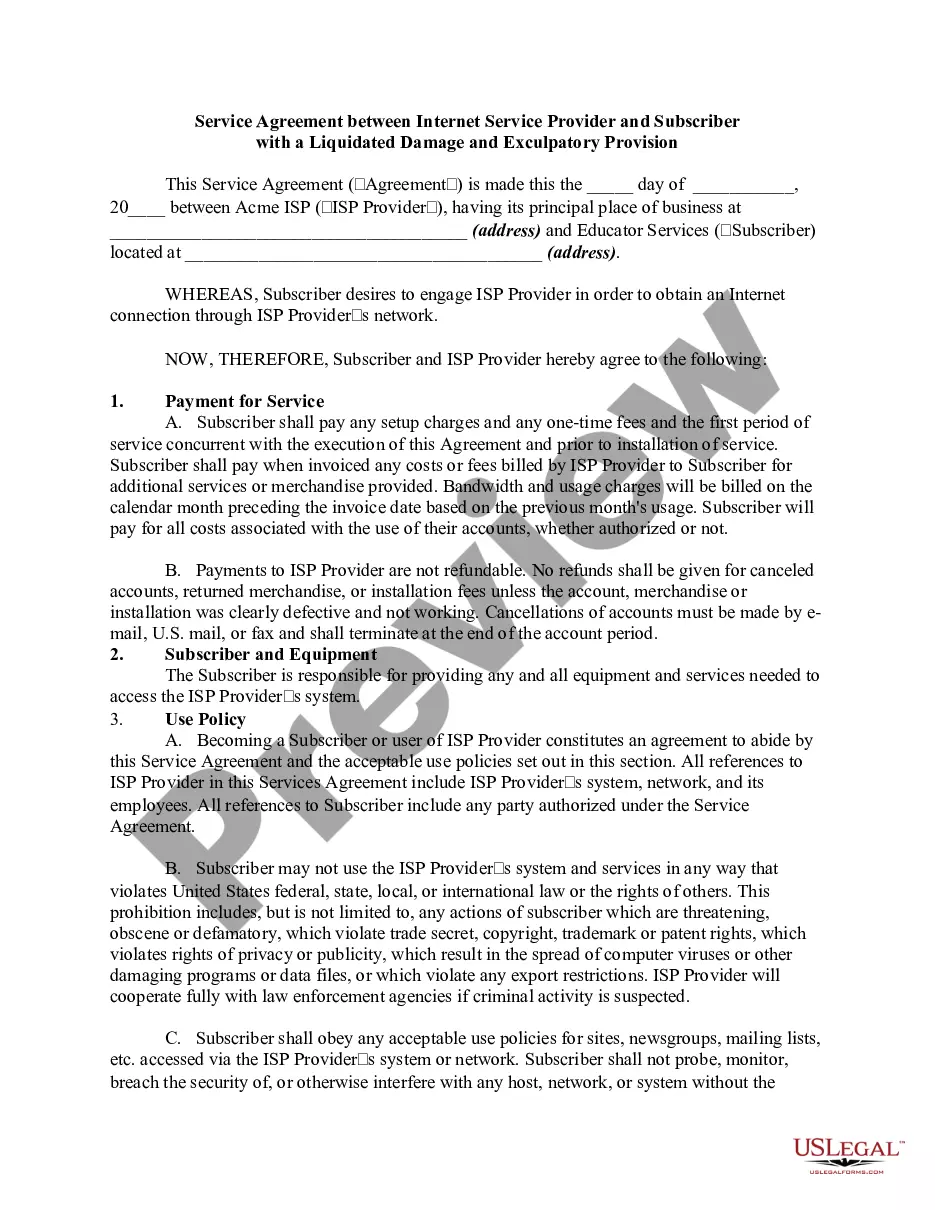
Contract Law In Uk In Suffolk
Description



Get your form ready online
Our built-in tools help you complete, sign, share, and store your documents in one place.
Make edits, fill in missing information, and update formatting in US Legal Forms—just like you would in MS Word.
Download a copy, print it, send it by email, or mail it via USPS—whatever works best for your next step.
Sign and collect signatures with our SignNow integration. Send to multiple recipients, set reminders, and more. Go Premium to unlock E-Sign.
If this form requires notarization, complete it online through a secure video call—no need to meet a notary in person or wait for an appointment.
We protect your documents and personal data by following strict security and privacy standards.

Make edits, fill in missing information, and update formatting in US Legal Forms—just like you would in MS Word.

Download a copy, print it, send it by email, or mail it via USPS—whatever works best for your next step.

Sign and collect signatures with our SignNow integration. Send to multiple recipients, set reminders, and more. Go Premium to unlock E-Sign.

If this form requires notarization, complete it online through a secure video call—no need to meet a notary in person or wait for an appointment.

We protect your documents and personal data by following strict security and privacy standards.
Looking for another form?







Form popularity
FAQ
There are four essential elements of forming a contract: offer, acceptance, consideration, and intention to create legal relations. Beyond this, the terms of the contract must also be unambiguous, and the parties must have the mental capacity to agree.
Elements of contract formation Where there is an express agreement, in an ordinary commercial context, the burden of disproving an intention to create legal relations is a heavy one. Where there is no express agreement, the party claiming that a binding agreement has been made has to prove the intention.
There are three essential components of any contract: the offer, the acceptance, and the consideration. If all three of these characteristics aren't present, a document is not considered a contract.
In common law, there are 3 basic essentials to the creation of a contract: (i) agreement; (ii) contractual intention; and (iii) consideration. 3. The first requisite of a contract is that the parties should have reached agreement.
These are called the 'terms' of the contract. Employees and employers must stick to a contract until it ends (for example, by an employer or employee giving notice or an employee being dismissed) or until the terms are changed (usually by agreement between the employee and employer).
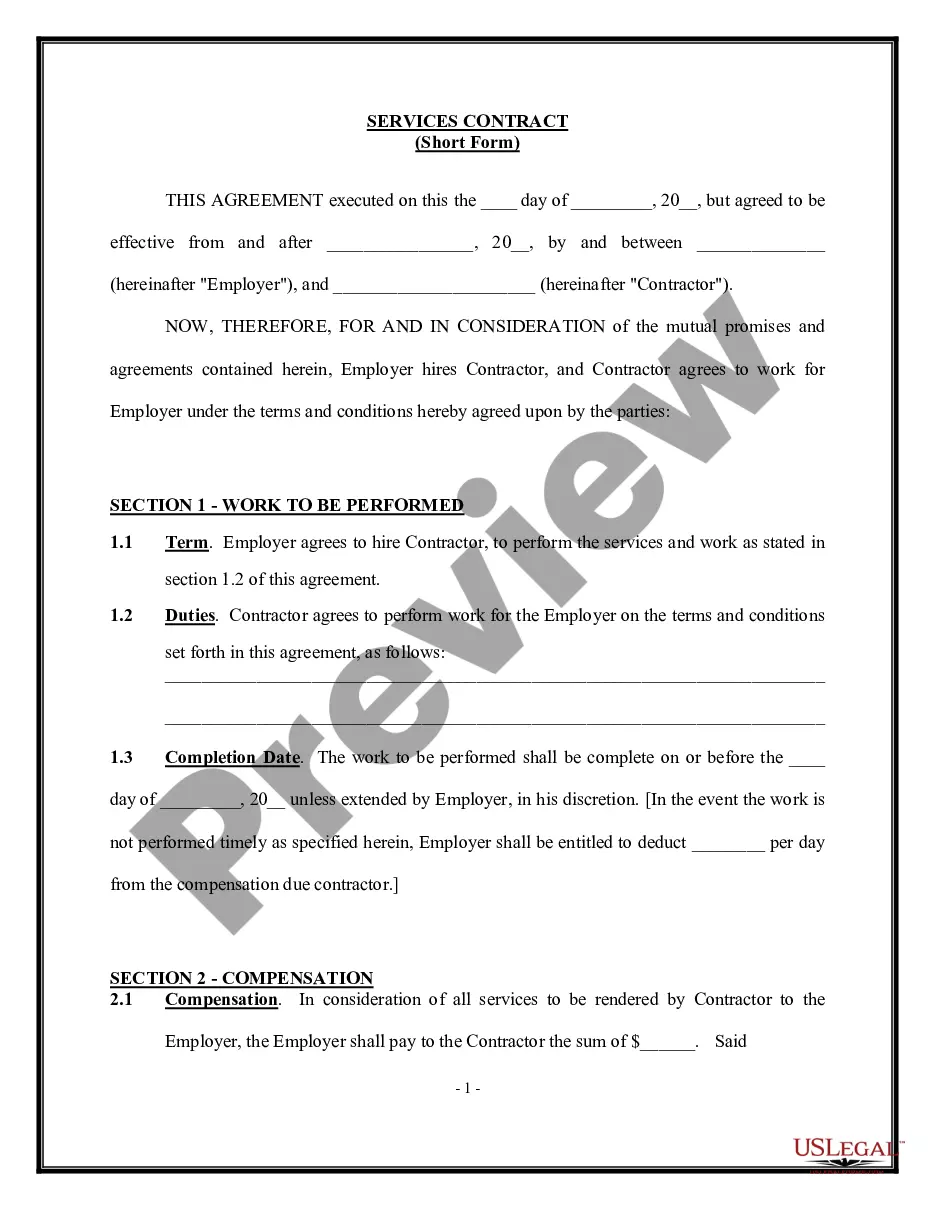
A contract for services is a business-to-business legally binding contract, sometimes referred to as a 'service agreement'. This type of contract is used between a self-employed freelancer, contractor or consultant (working outside of IR35), and a business they are carrying out services for.
There are four essential elements of forming a contract: offer, acceptance, consideration, and intention to create legal relations. Beyond this, the terms of the contract must also be unambiguous, and the parties must have the mental capacity to agree.
What does Subject to contract mean? This phrase is routinely added to heads of terms so as to indicate that the parties do not intend that the heads of terms be legally binding.