Contract Law In Hindi In San Diego
Description

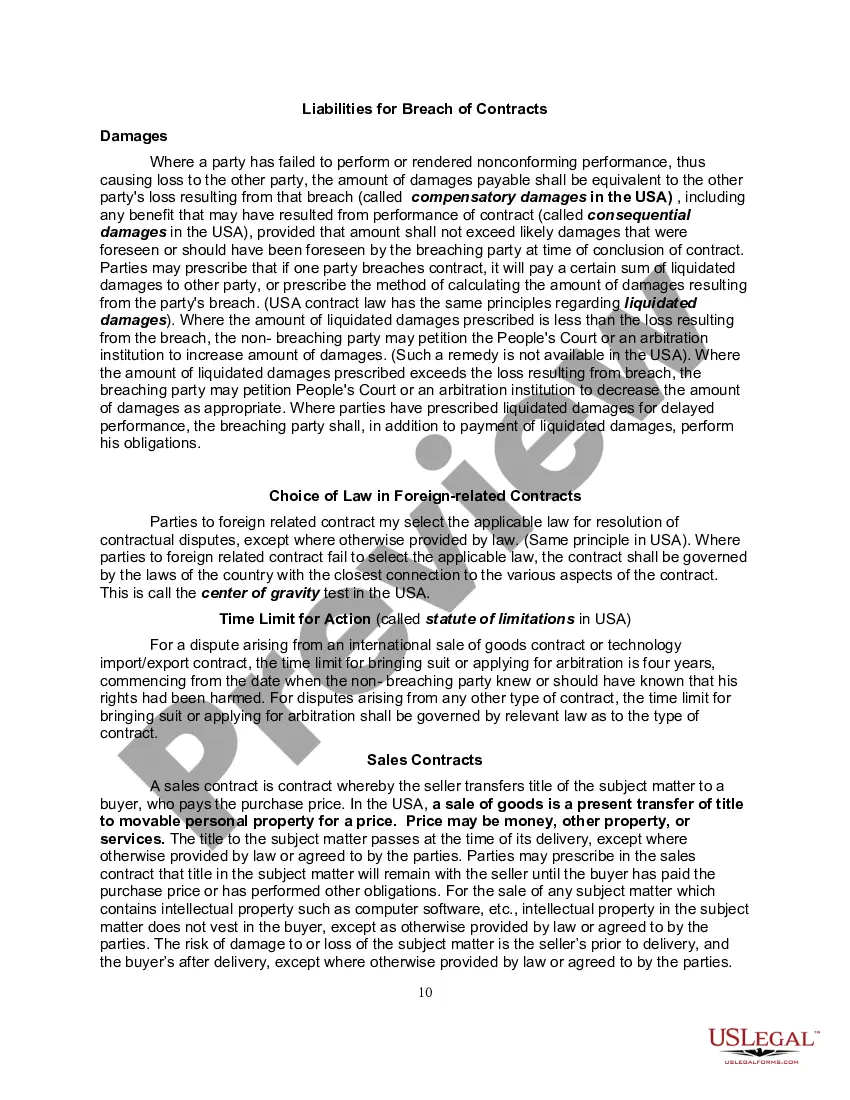


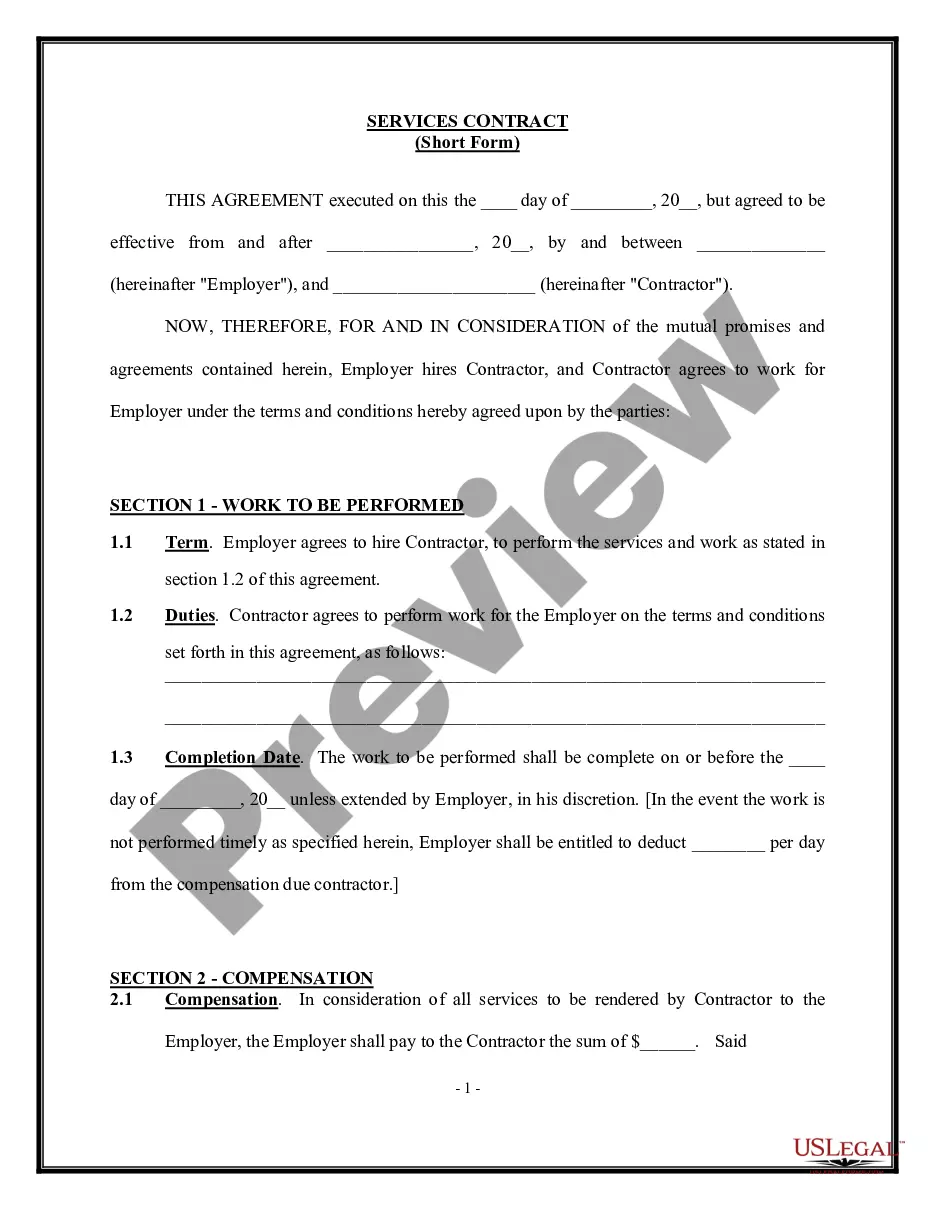
Get your form ready online
Our built-in tools help you complete, sign, share, and store your documents in one place.
Make edits, fill in missing information, and update formatting in US Legal Forms—just like you would in MS Word.
Download a copy, print it, send it by email, or mail it via USPS—whatever works best for your next step.
Sign and collect signatures with our SignNow integration. Send to multiple recipients, set reminders, and more. Go Premium to unlock E-Sign.
If this form requires notarization, complete it online through a secure video call—no need to meet a notary in person or wait for an appointment.
We protect your documents and personal data by following strict security and privacy standards.

Make edits, fill in missing information, and update formatting in US Legal Forms—just like you would in MS Word.

Download a copy, print it, send it by email, or mail it via USPS—whatever works best for your next step.

Sign and collect signatures with our SignNow integration. Send to multiple recipients, set reminders, and more. Go Premium to unlock E-Sign.

If this form requires notarization, complete it online through a secure video call—no need to meet a notary in person or wait for an appointment.

We protect your documents and personal data by following strict security and privacy standards.
Looking for another form?

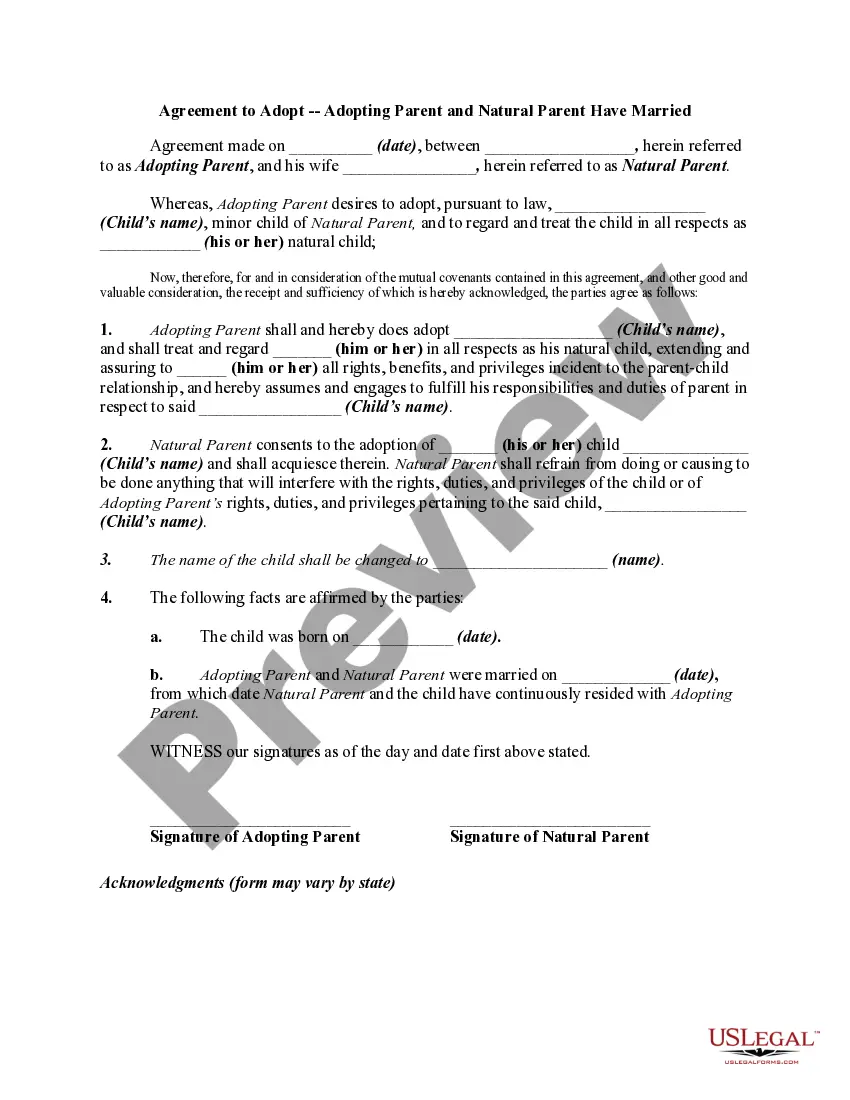
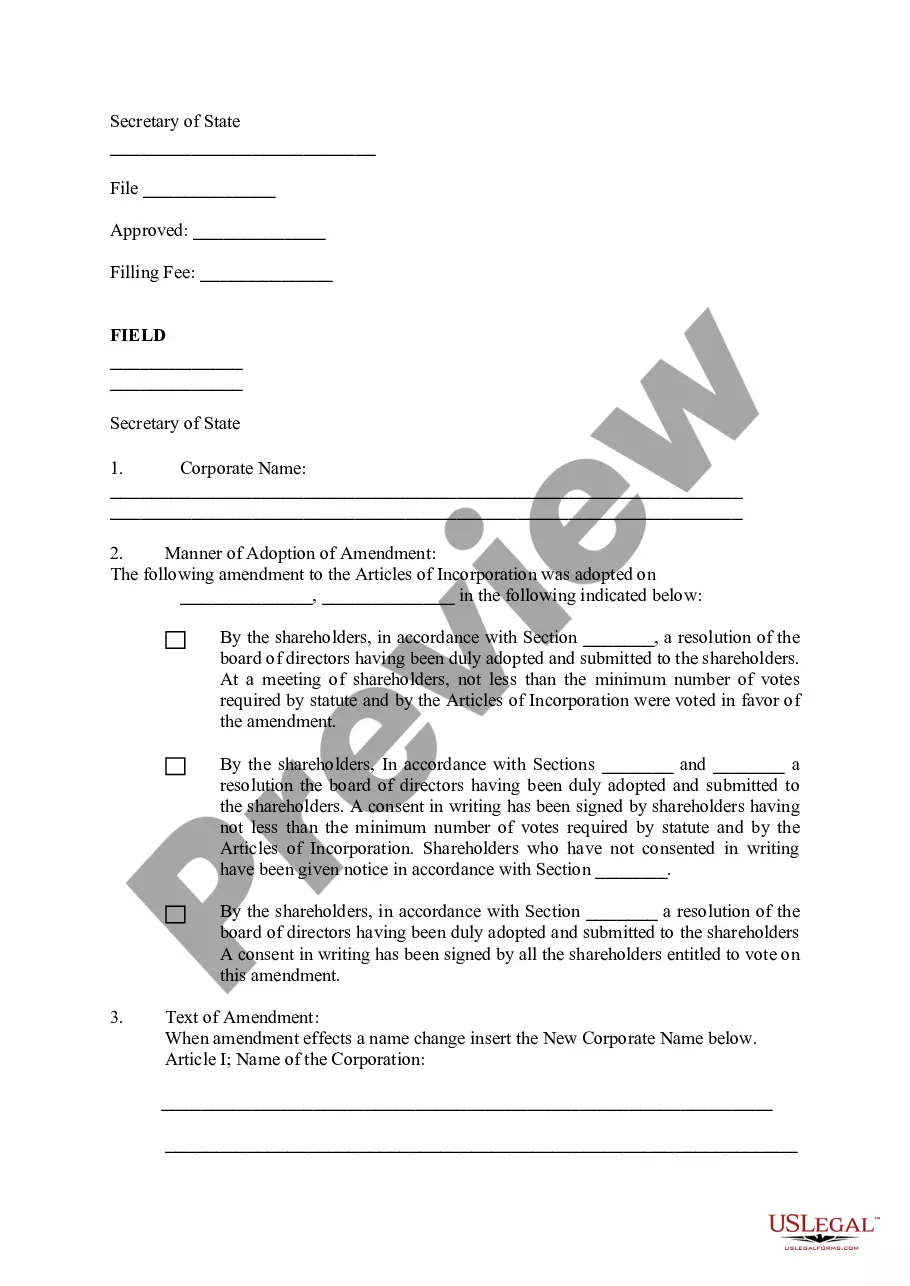



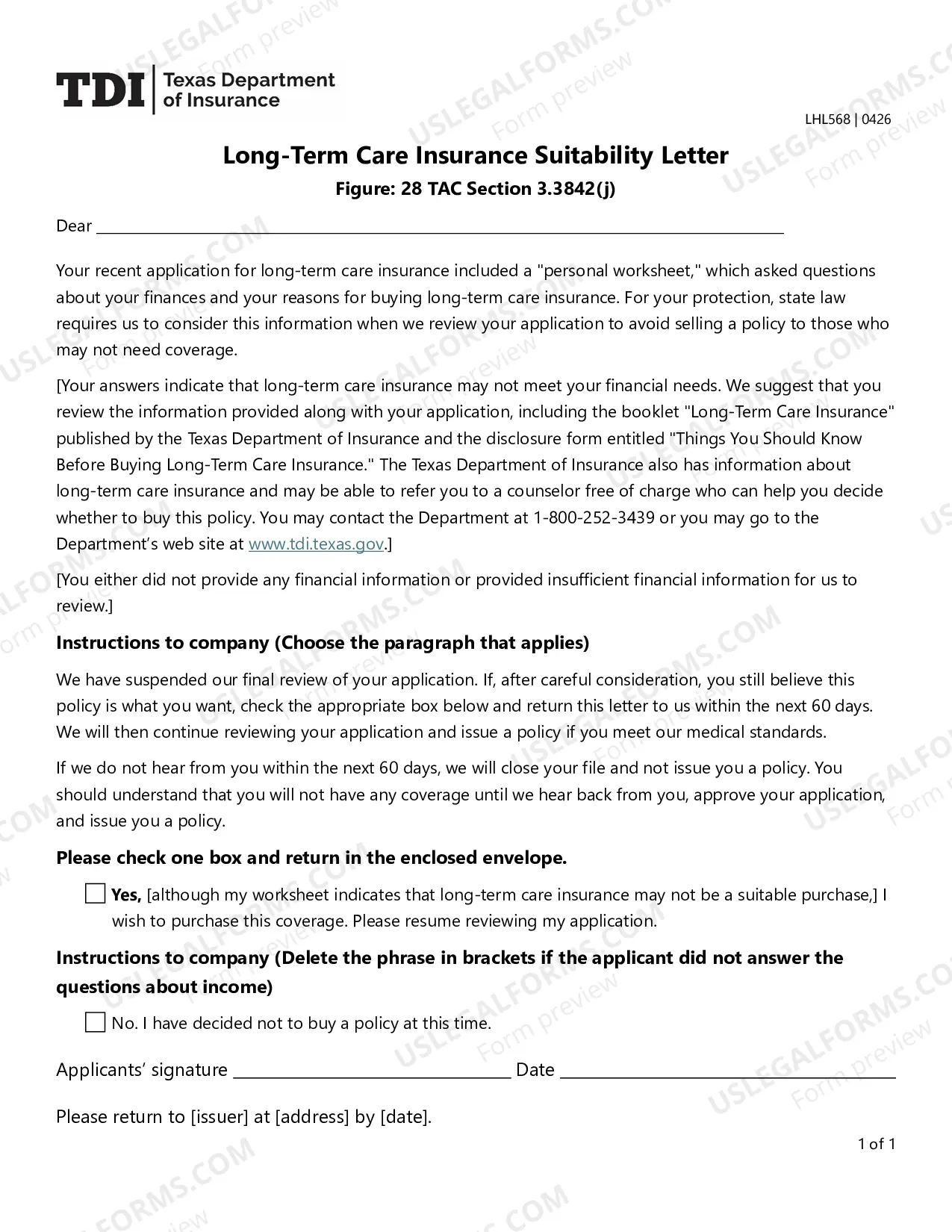


Form popularity
FAQ
The person serving the papers puts the documents to be served into an envelope, addressed to the party to be served and sends them by first-class mail. Do not mail the papers yourself. The person mailing the papers also includes a copy of the Proof of Service form.
The San Diego Superior Court now accepts e-Filing for Civil, Probate, Family Law and Family Support Division case types as well as Requests for Domestic Violence Restraining Orders and Gun Violence Restraining Orders.
The process server must fill out and sign the proof of service form, which shows how, when, and where the papers were served, and who received them. The server then gives you the proof of service. Make a copy of the proof of service. Take both the original and the copy to the court clerk to file.
An individual, which includes a sole proprietorship, may file a claim up to a maximum of $12,500. Only the actual party to the claim may file. You must represent yourself at the small claims hearing. Attorneys or others are not permitted to represent a party in small claims court.
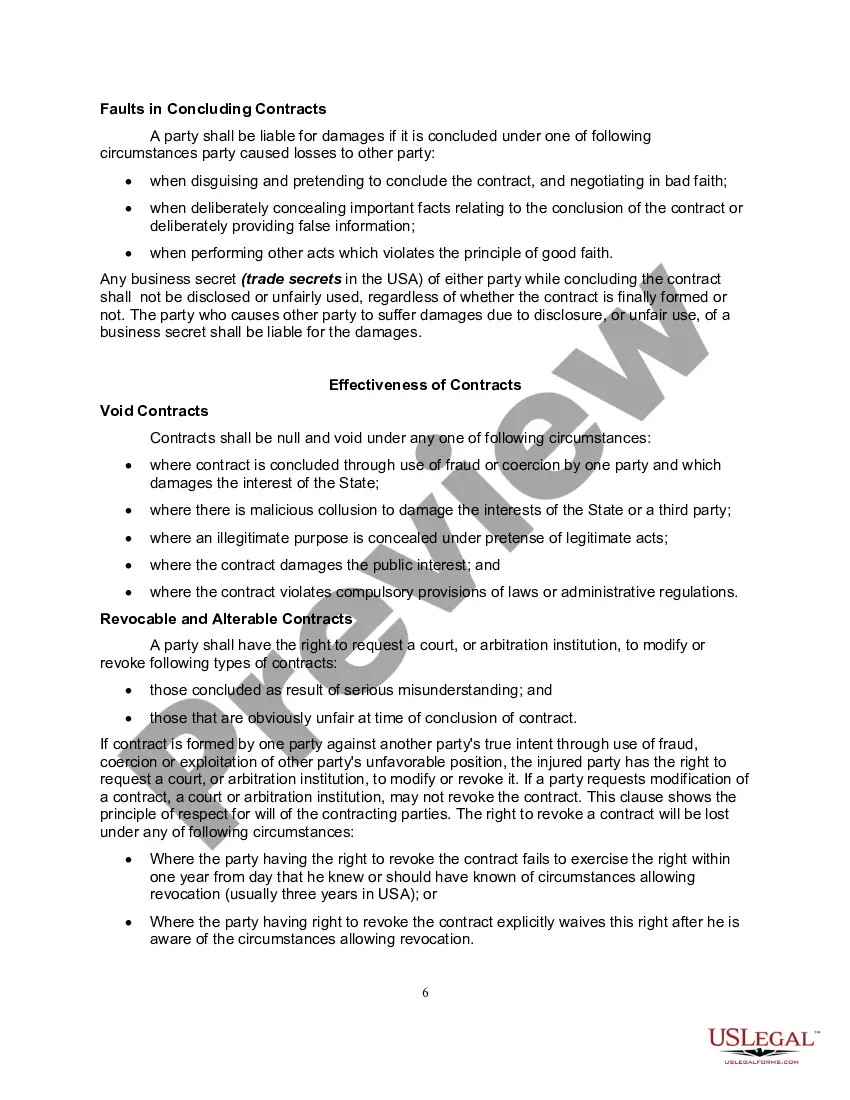
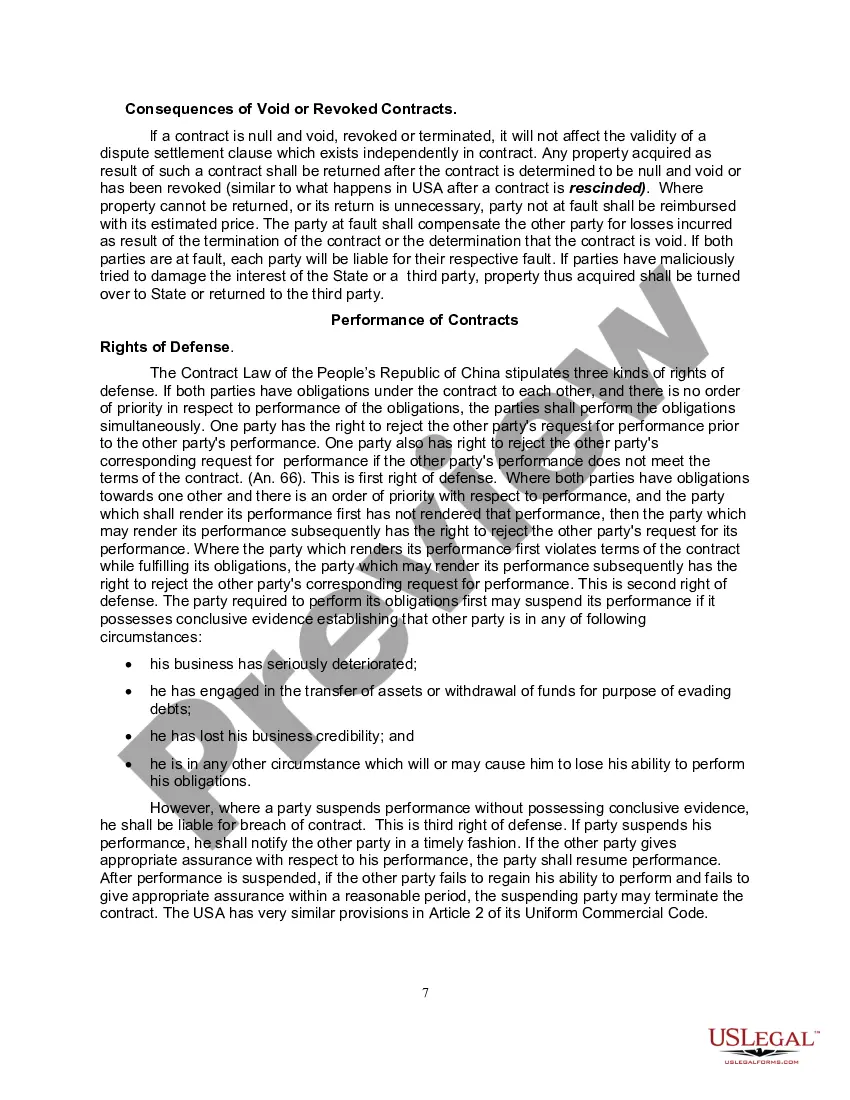
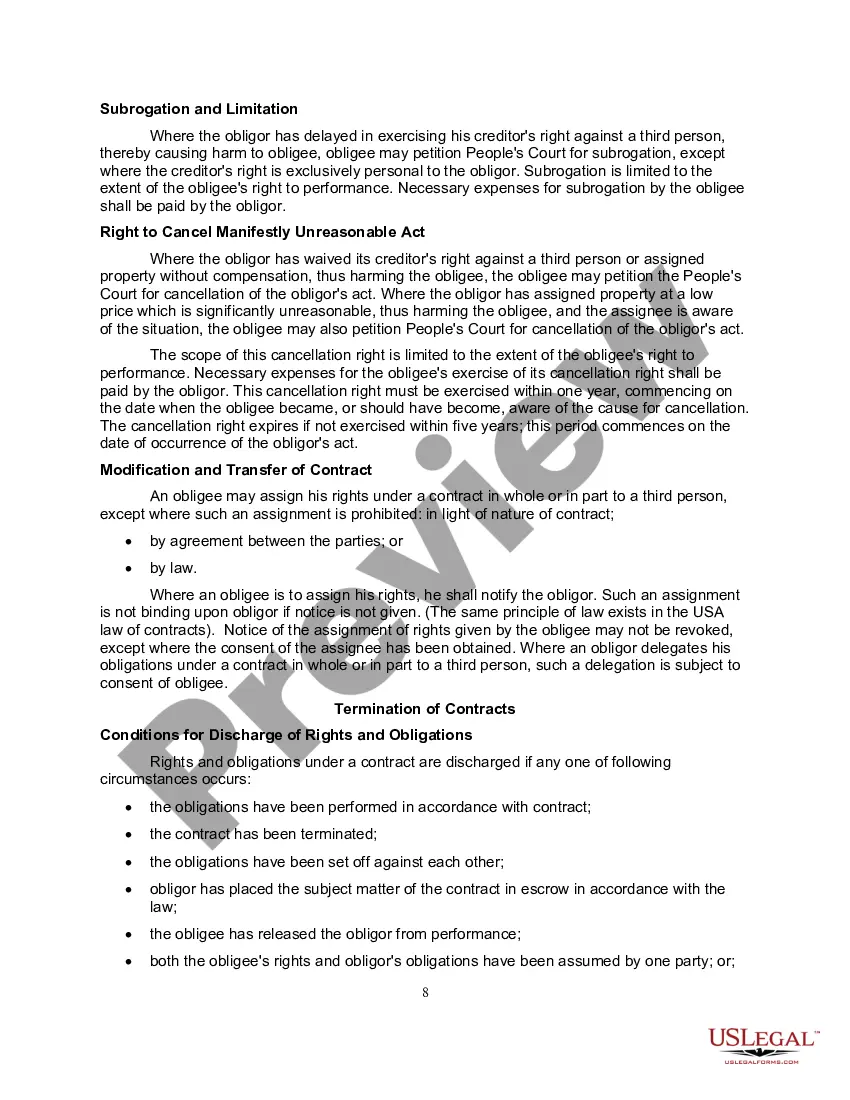
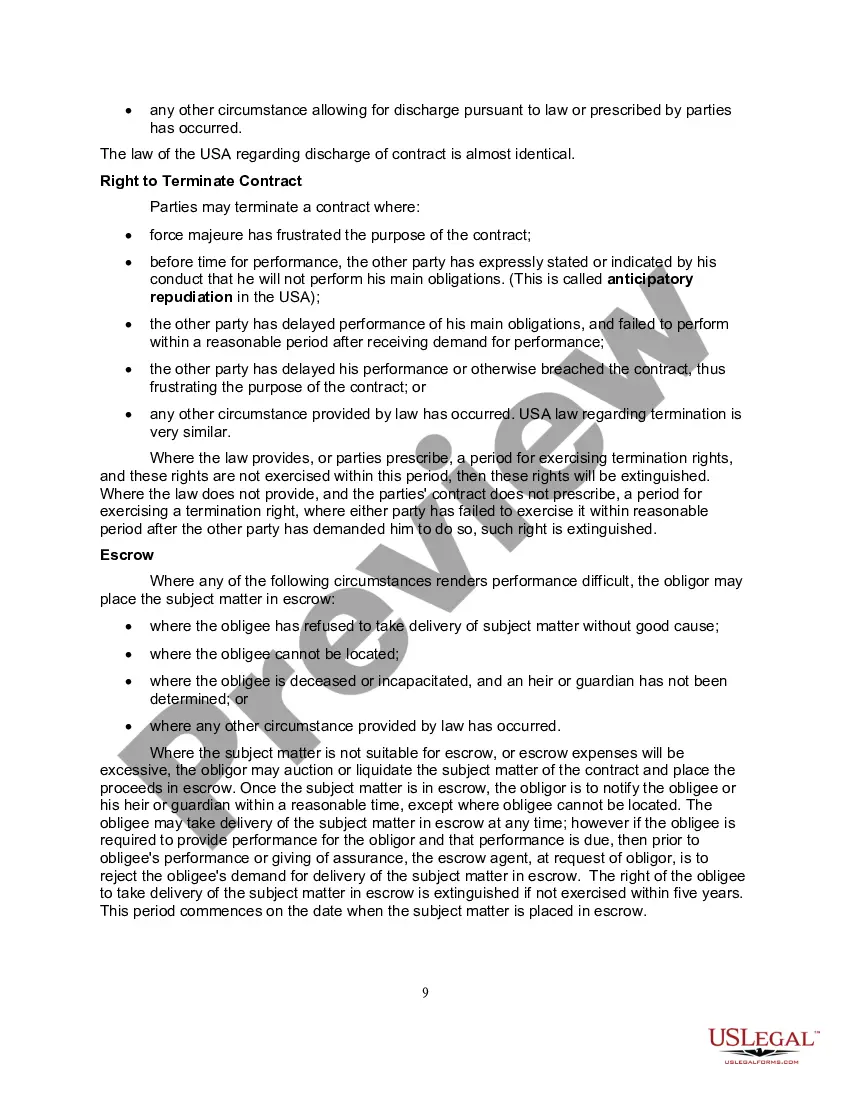
Lesson Summary. A contract is a legal agreement between two or more parties in which they agree to each other's rights and responsibilities. Offer, acceptance, awareness, consideration, and capacity are the five elements of an enforceable contract.
To understand that, you need to know about the 5 essential elements of a valid contract: offer, acceptance, consideration, mutual intent, capacity and legality. Understanding these 5 fundamental elements of a contract can help you protect your interests and avoid potential legal disputes.
Contracts only need (1) a meeting of the minds as to the terms, and (2) exchange of goods and/or services which each party considers to have some non-zero value (called “consideration”). So, yes, you can write a contract for yourself. You don't need an attorney.
5 Types of Contract You Should Know. If you own a business, there are at least 5 types of contracts you need to know to avoid problems: bill of sale; employment agreement; licensing contract; nondisclosure agreement; and promissory note.
A legally enforceable contract must include an offer, acceptance, consideration, capacity, legality, and mutual assent.
A contract is an agreement between parties, creating mutual obligations that are enforceable by law. The basic elements required for the agreement to be a legally enforceable contract are: mutual assent, expressed by a valid offer and acceptance; adequate consideration; capacity; and legality.
