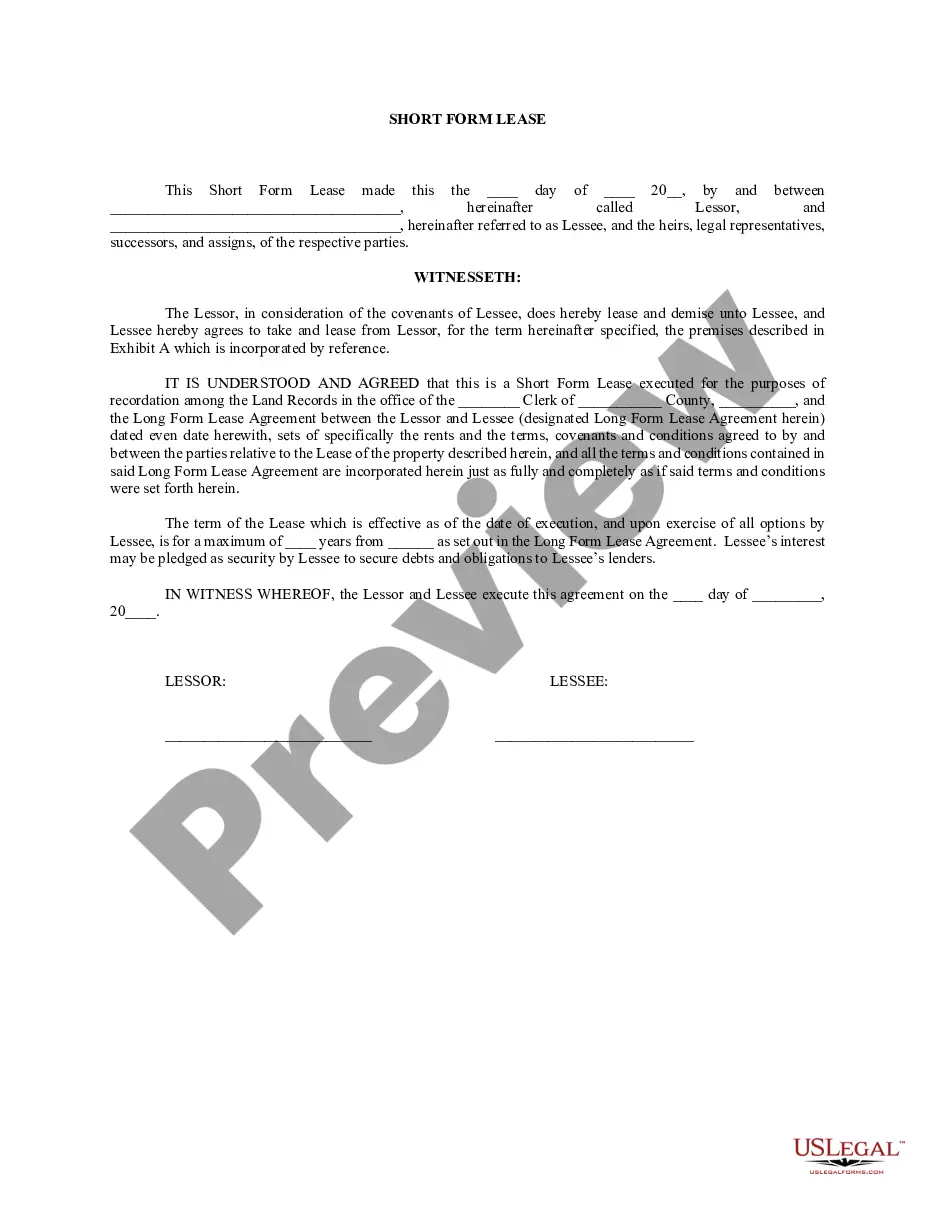
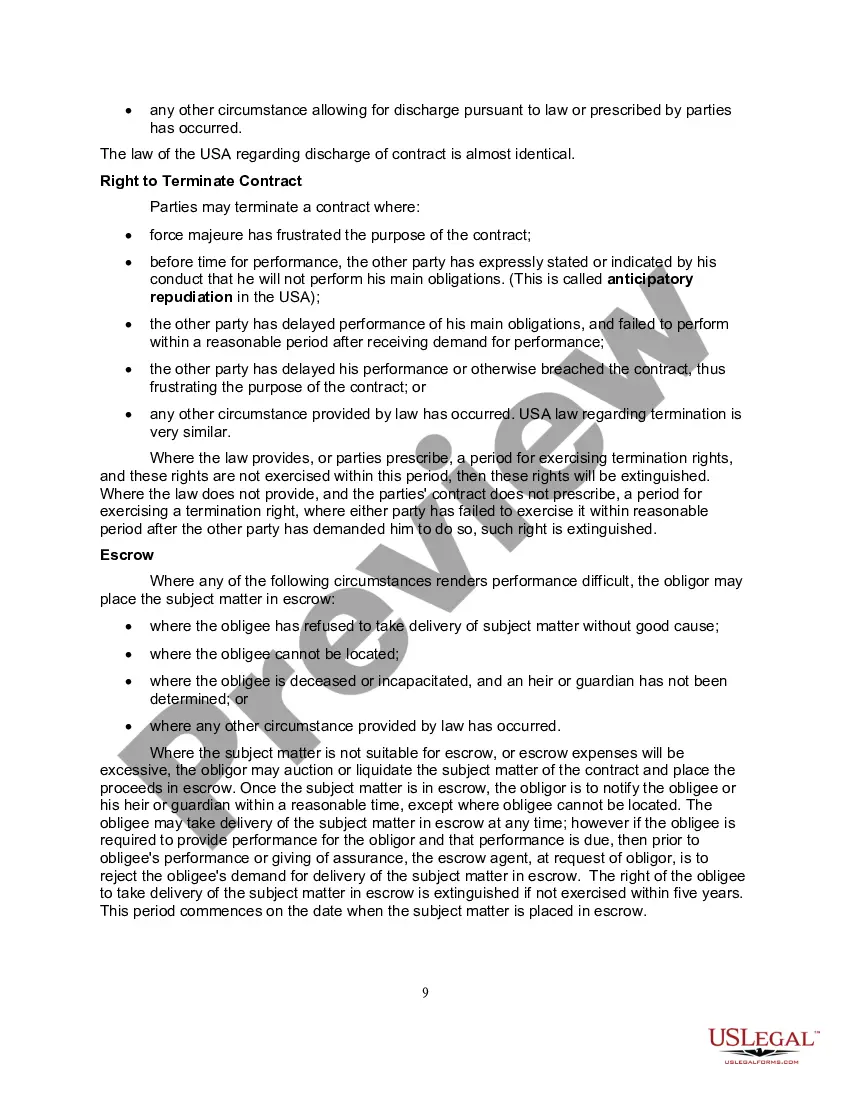
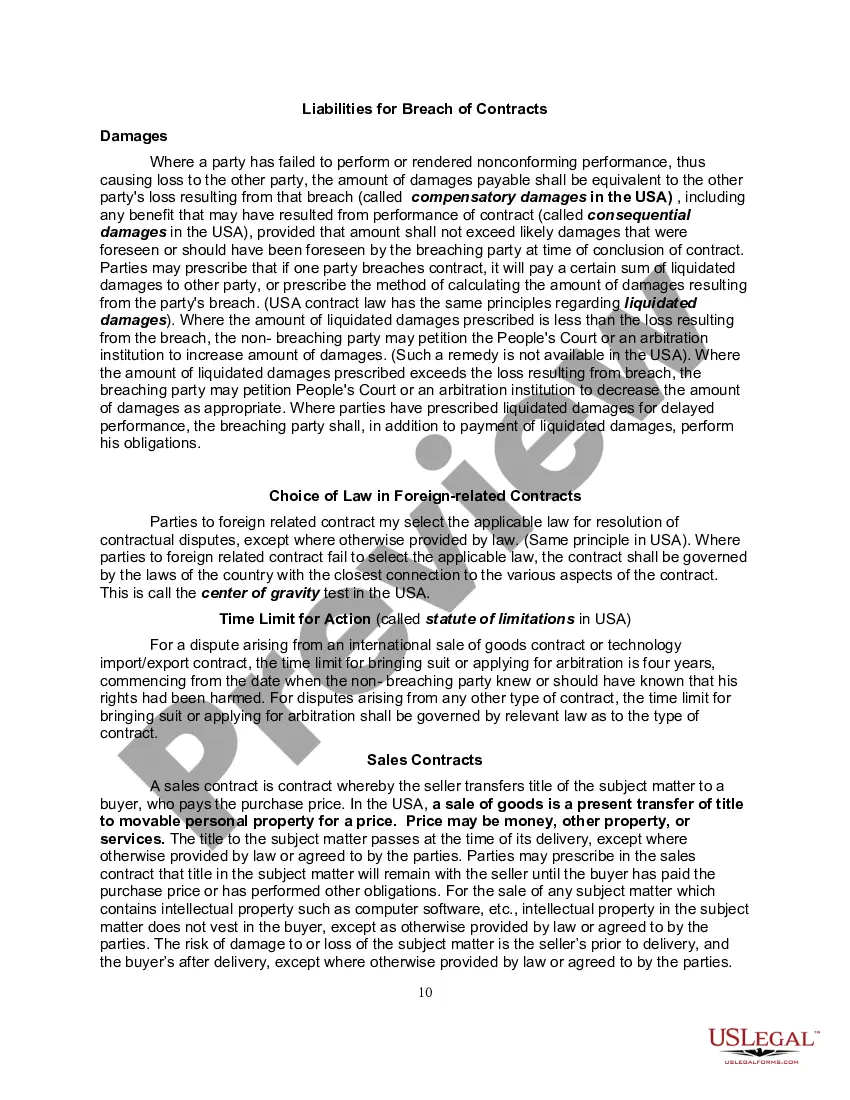
Contract Law In Rwanda In Phoenix
Description




Get your form ready online
Our built-in tools help you complete, sign, share, and store your documents in one place.
Make edits, fill in missing information, and update formatting in US Legal Forms—just like you would in MS Word.
Download a copy, print it, send it by email, or mail it via USPS—whatever works best for your next step.
Sign and collect signatures with our SignNow integration. Send to multiple recipients, set reminders, and more. Go Premium to unlock E-Sign.
If this form requires notarization, complete it online through a secure video call—no need to meet a notary in person or wait for an appointment.
We protect your documents and personal data by following strict security and privacy standards.

Make edits, fill in missing information, and update formatting in US Legal Forms—just like you would in MS Word.

Download a copy, print it, send it by email, or mail it via USPS—whatever works best for your next step.

Sign and collect signatures with our SignNow integration. Send to multiple recipients, set reminders, and more. Go Premium to unlock E-Sign.

If this form requires notarization, complete it online through a secure video call—no need to meet a notary in person or wait for an appointment.

We protect your documents and personal data by following strict security and privacy standards.
Looking for another form?







Form popularity
FAQ
The Plenary Assembly votes Article by Article and adopts the law through roll-call voting. Ordinary laws are passed by an absolute majority vote of Deputies present. Organic laws are passed by a three fifths (3/5) majority vote of Deputies present.
Official gazettes are primary sources of law published by national governments to disseminate new legislation, regulations, and decisions of governmental bodies.
Rwanda's legal system is based on German and Belgian civil law systems and customary law. Republic with a multi-party system. As a result of the recent genocide, Rwanda's electoral system has safeguards in place that ensure an equitable division of ethnicities in the government.
There are two main categories of company in Rwanda: 1) private companies, and 2) public companies. In turn, private companies are commonly separated into two groups: 1) partnerships or companies where the liability is not limited, and 2) partnerships or companies whose liability is limited by shares.
Common Law Contracts are guided by tradition and court decisions instead of statutes. Contract Formation under common law requires an offer, acceptance, consideration, and mutual intent. Legal Precedents play a crucial role, as past court decisions influence the outcome of new cases.
What is the retirement age in Rwanda? In Rwanda, early retirement is at 60 years, and late retirement is at 65 years for salaried workers, including foreigners.
Rwanda's legal system is based on German and Belgian civil law systems and customary law.
The legal system of Rwanda was originally based on the Belgian civil law system, although, since the renovation of the legal framework in 2002 and tafter the country joined the Commonwealth in 2009, the actual system is hybrid, being a mixture of civil law and common law.
Written Notice of Termination Except in the case of gross misconduct, employers must give written notice before terminating an employee's contract. The notice must specify the following: The reason for termination. The effective termination date.