Contract Law In Australia In Phoenix
Description




Get your form ready online
Our built-in tools help you complete, sign, share, and store your documents in one place.
Make edits, fill in missing information, and update formatting in US Legal Forms—just like you would in MS Word.
Download a copy, print it, send it by email, or mail it via USPS—whatever works best for your next step.
Sign and collect signatures with our SignNow integration. Send to multiple recipients, set reminders, and more. Go Premium to unlock E-Sign.
If this form requires notarization, complete it online through a secure video call—no need to meet a notary in person or wait for an appointment.
We protect your documents and personal data by following strict security and privacy standards.

Make edits, fill in missing information, and update formatting in US Legal Forms—just like you would in MS Word.

Download a copy, print it, send it by email, or mail it via USPS—whatever works best for your next step.

Sign and collect signatures with our SignNow integration. Send to multiple recipients, set reminders, and more. Go Premium to unlock E-Sign.

If this form requires notarization, complete it online through a secure video call—no need to meet a notary in person or wait for an appointment.

We protect your documents and personal data by following strict security and privacy standards.
Looking for another form?





Form popularity
FAQ
Condition A - Immediately before the company is wound-up, the individual shareholder must have held at least a 5% equity (and voting) interest in the company; Condition B - The distributing company must be a close company (or was a close company at some point within the two years before the winding-up);
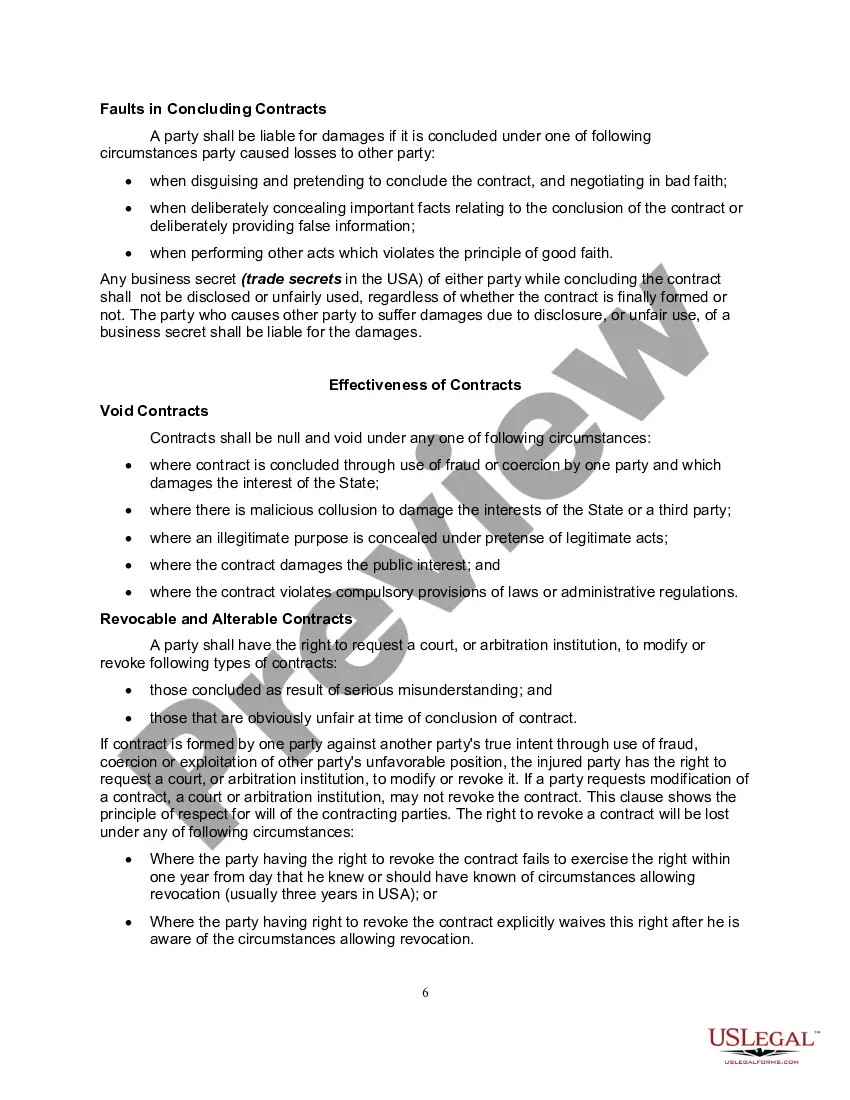
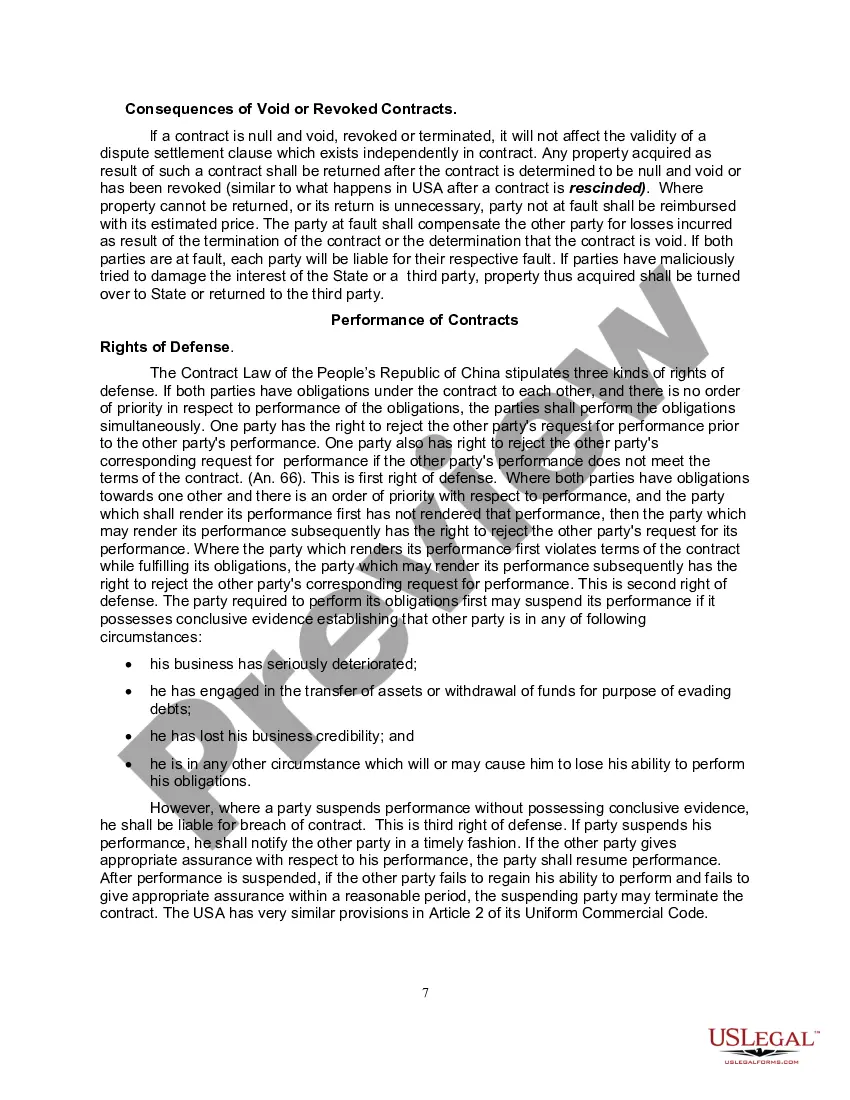
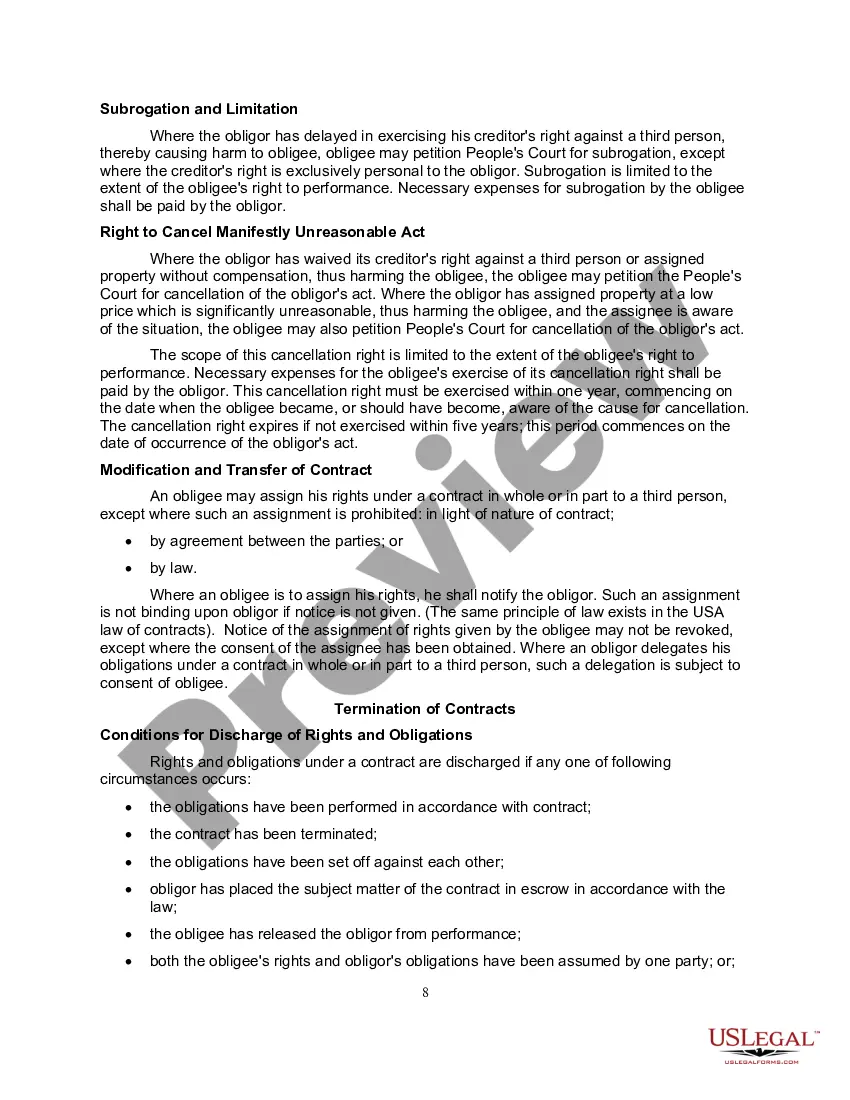
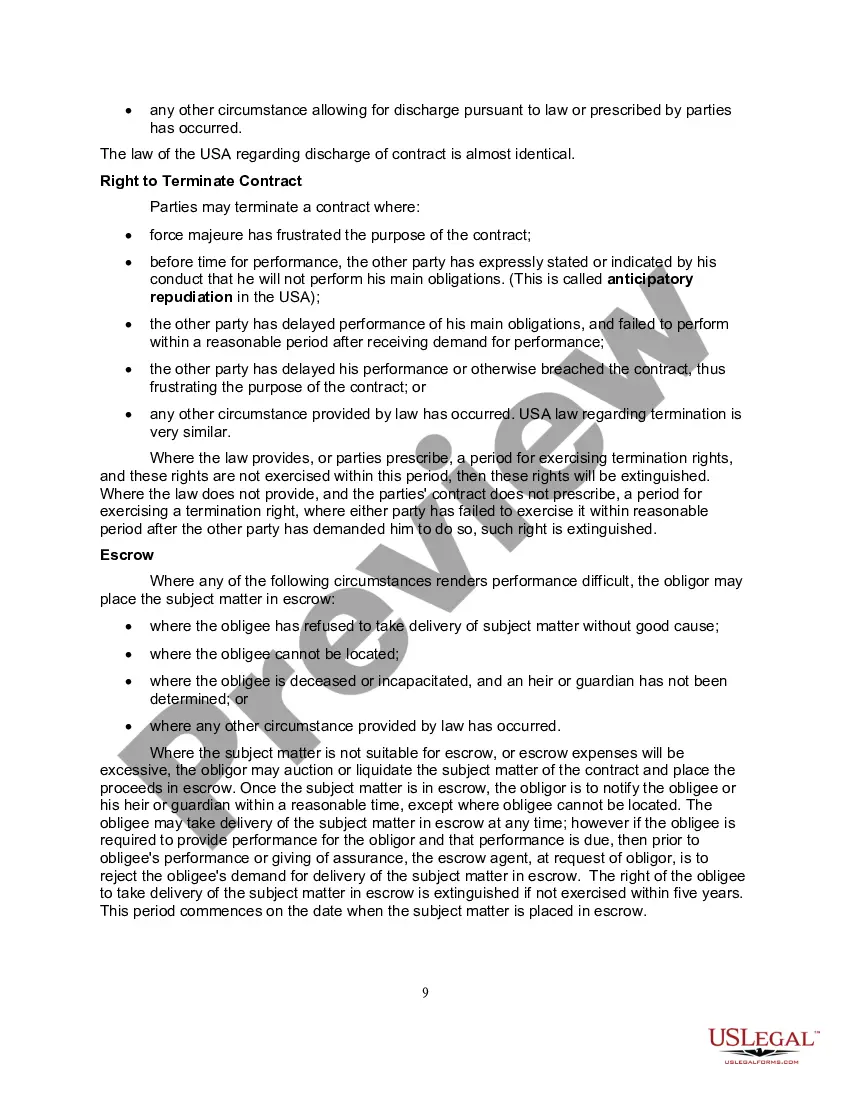
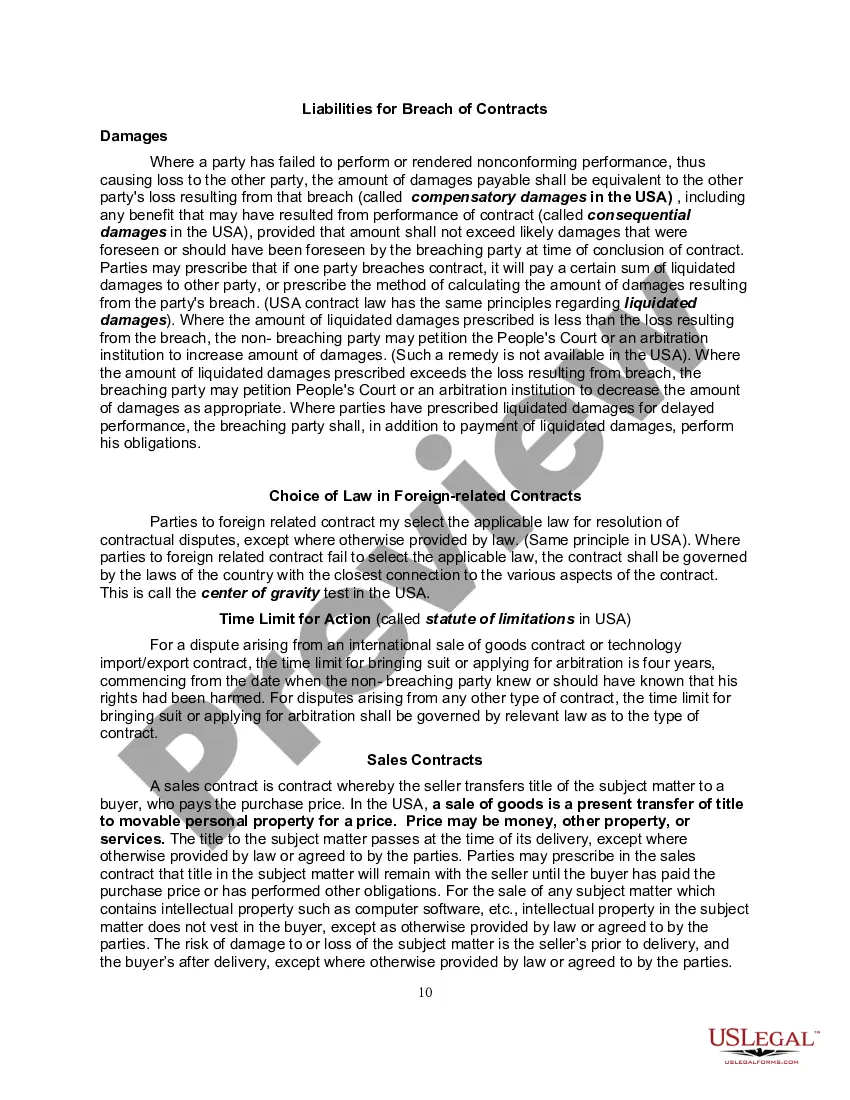
In Australia contract law is primarily governed by the 'common law', but increasingly statutes are supplementing the common law of contract - most notably, but certainly not exclusively, in the area of consumer protection. This site is designed to provide an introduction to Australian contract and consumer law.
Illegal phoenix activity is when a company is liquidated, wound up or abandoned to avoid paying its debts. A new company is then started to continue the same business activities without the debt. Illegal phoenix activity can occur in any industry or location.
By forming a phoenix company, the insolvent company's business is transferred to the new entity, without transferral of its debts. They can begin to trade while formal insolvency proceedings relating to the original insolvent company are launched.
Lookback or phoenix clauses: are clauses that aim to mitigate the DCH dealer's risk exposure under any back-to-back trade it has entered into in connection with a DCH arrangement.
The Phoenix is a handheld low-intensity extracorporeal shockwave therapy (Li-ESWT) device made by Launch Medical. It's modeled after similar devices used in clinical settings for pain management and in the treatment of erectile dysfunction.
A phoenix company describes a business that has been purchased out a formal insolvency process such as administration or liquidation, often by the existing directors. The term refers to a phoenix rising from the ashes, but there are strict rules that govern the use of this process.
7 Essential Elements of A Contract Offer. For there to be a contract, there must first be an offer by one party and an acceptance by the other. Acceptance. Acceptance is the agreement to the specific conditions of an offer. Consideration. Intention to create legal relations. Authority and capacity. Certainty.
In order for a contract to be valid, there must be a meeting of the minds on all of the essential elements of the contract, including the offer, acceptance, consideration, capacity, and legality. If there is no meeting of the minds on any of these elements, the contract may be void or unenforceable.
How to draft a contract between two parties: A step-by-step checklist Know your parties. Agree on the terms. Set clear boundaries. Spell out the consequences. Specify how you will resolve disputes. Cover confidentiality. Check the legality of the contract. Open it up to negotiation.
