Contract Law Force Majeure In Ohio
Description



Get your form ready online
Our built-in tools help you complete, sign, share, and store your documents in one place.
Make edits, fill in missing information, and update formatting in US Legal Forms—just like you would in MS Word.
Download a copy, print it, send it by email, or mail it via USPS—whatever works best for your next step.
Sign and collect signatures with our SignNow integration. Send to multiple recipients, set reminders, and more. Go Premium to unlock E-Sign.
If this form requires notarization, complete it online through a secure video call—no need to meet a notary in person or wait for an appointment.
We protect your documents and personal data by following strict security and privacy standards.

Make edits, fill in missing information, and update formatting in US Legal Forms—just like you would in MS Word.

Download a copy, print it, send it by email, or mail it via USPS—whatever works best for your next step.

Sign and collect signatures with our SignNow integration. Send to multiple recipients, set reminders, and more. Go Premium to unlock E-Sign.

If this form requires notarization, complete it online through a secure video call—no need to meet a notary in person or wait for an appointment.

We protect your documents and personal data by following strict security and privacy standards.
Looking for another form?








Form popularity
FAQ
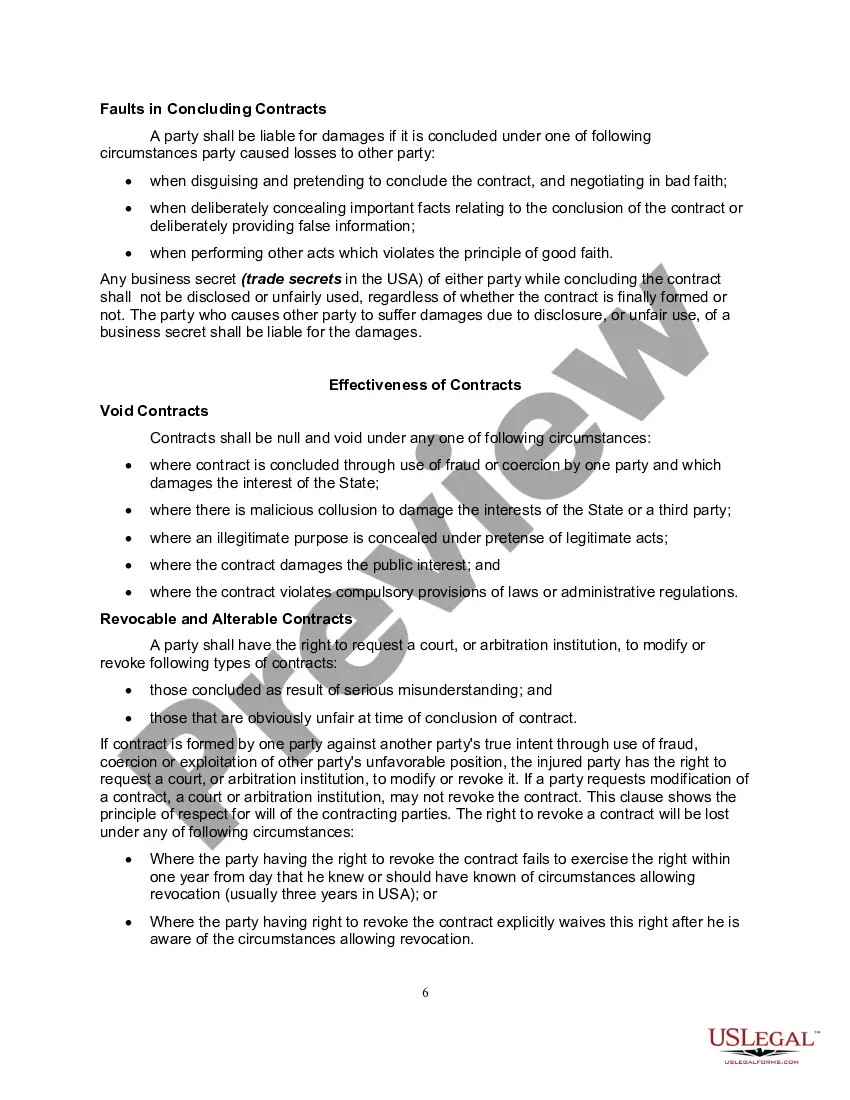
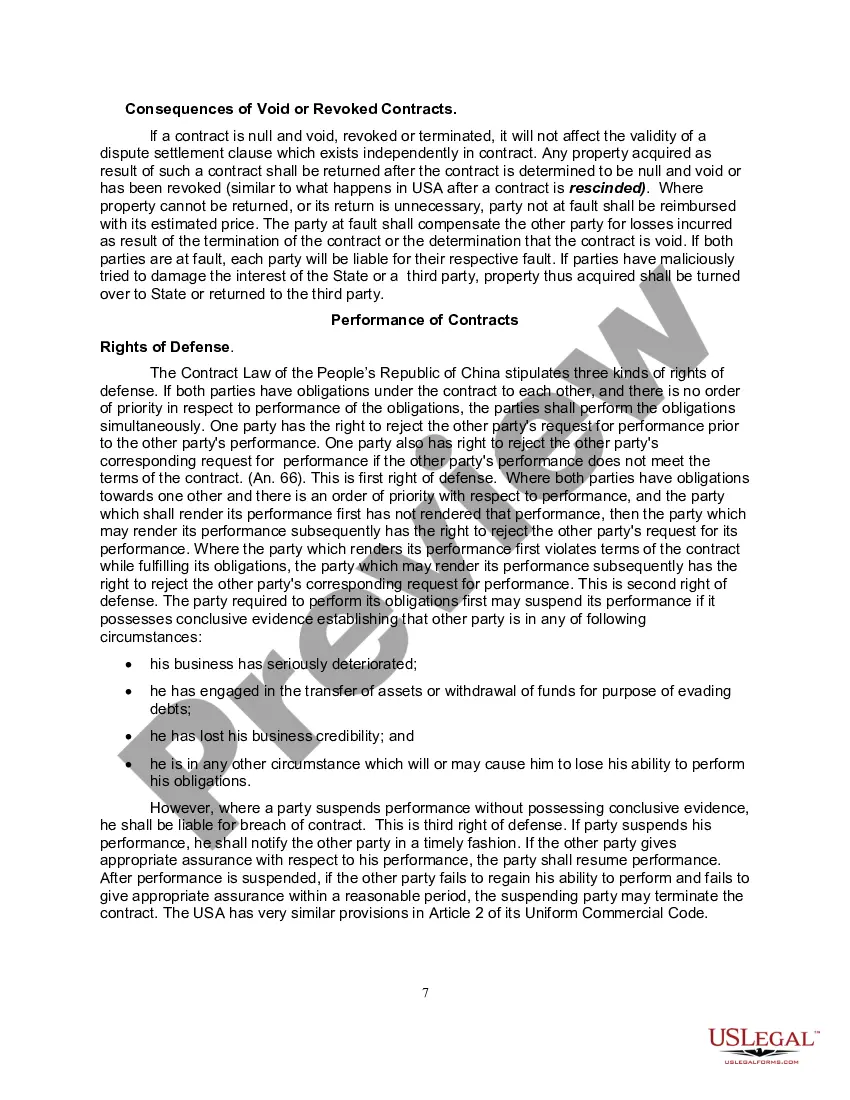
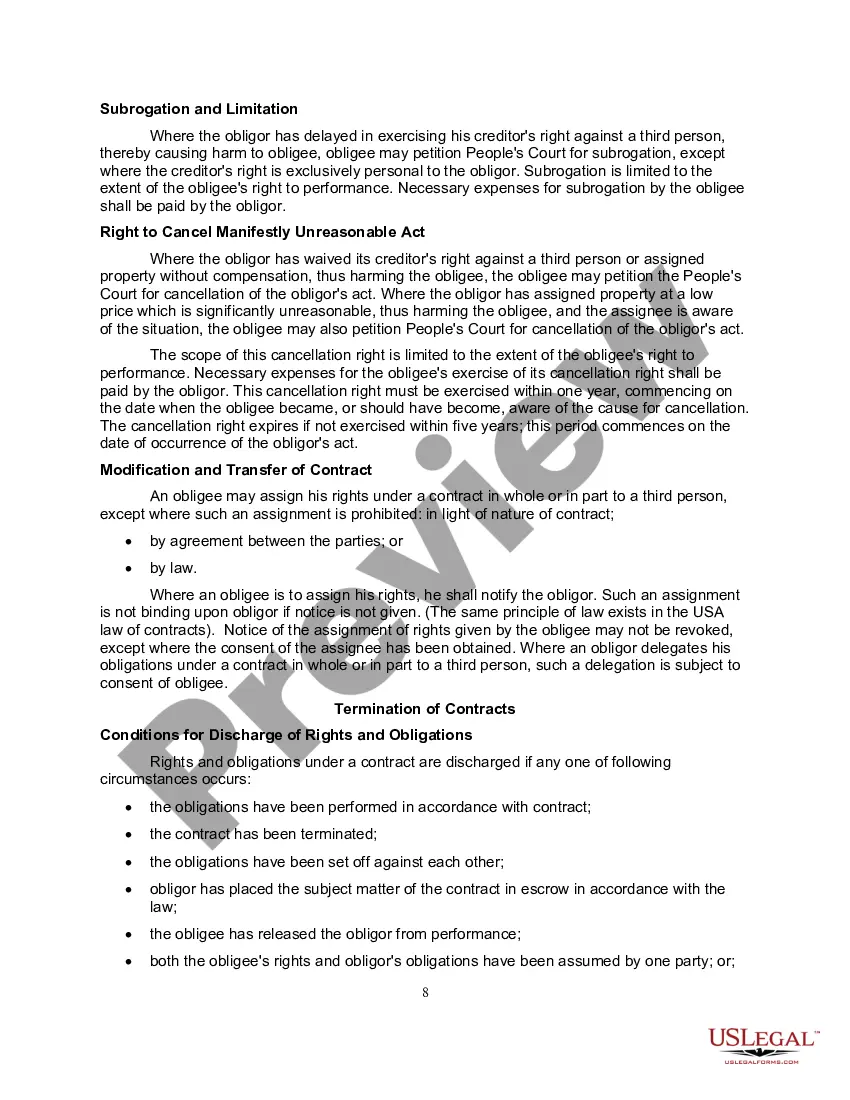
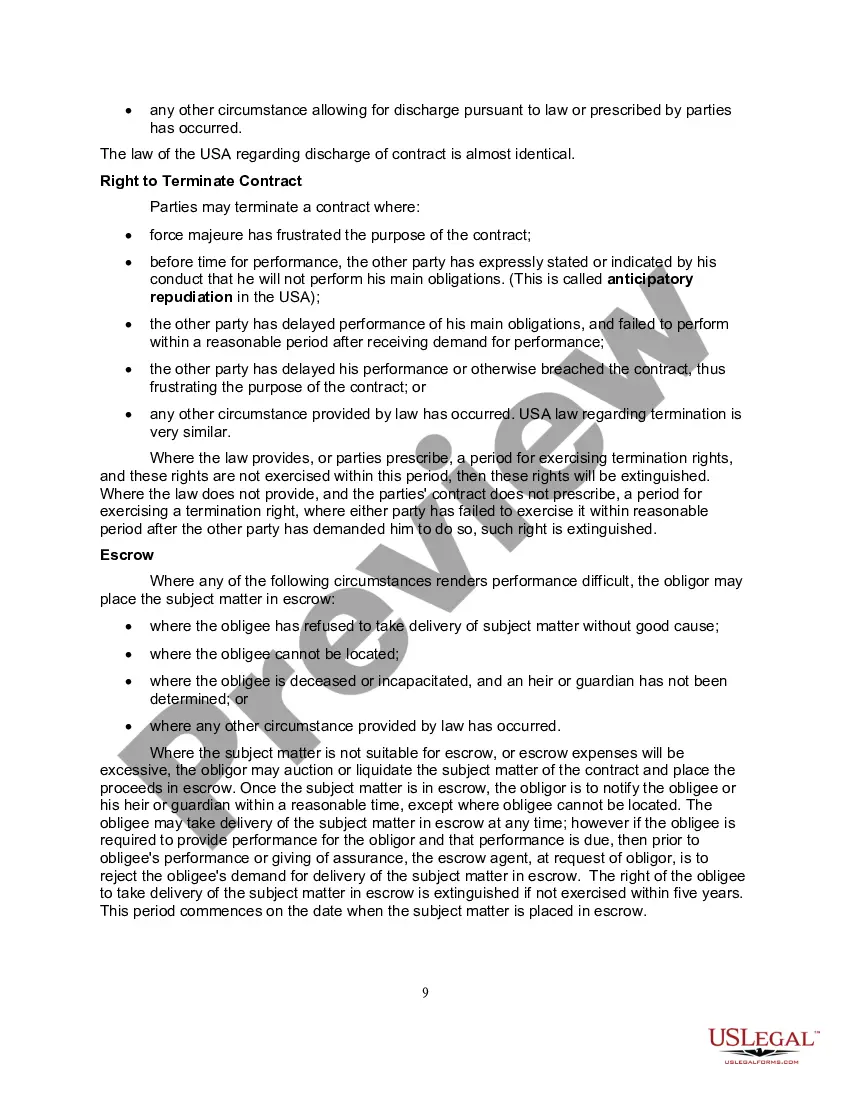
The definition of "force majeure" generally includes "risks beyond the reasonable control of a party, incurred not as a product or result of the negligence of the afflicted party, which have a materially adverse effect on the ability of such party to perform its obligations".
Neither party will be liable for inadequate performance to the extent caused by a condition (for example, natural disaster, act of war or terrorism, riot, labor condition, governmental action, and Internet disturbance) that was beyond the party's reasonable control.
References to a “force majeure” event are generally used to mean unexpected circumstances outside a contracting party's reasonable control that, having arisen, prevent it from performing its contractual obligations.
The major difference in such cases is that, without a force majeure clause, the party that wants to be released from contract obligations has the burden of proof, which means that this party must prove their argument is correct. If the other contracting parties do not agree, this could lead to litigation.
If a contract does not include a force majeure provision, a party may nonetheless be excused from performance under the concept of commercial impracticality.
If you, as a business owner or consumer, relied on another party to fulfill their end of a contract, and that business failed to carry out their end of the bargain, you will have a valid breach of contract claim against them. In Ohio, you have 6 years to bring a breach of contract claim against another party.
Examples of events that might trigger a force majeure clause into effect include a declaration of war, a disease epidemic, or a hurricane, earthquake, or other natural disaster events that fall under the legal term, “act of God.”
In contract law, force majeure (/ˌfɔːrs məˈʒɜːr/ FORSS mə-ZHUR; French: fɔʁs maʒœʁ) is a common clause in contracts which essentially frees both parties from liability or obligation when an extraordinary event or circumstance beyond the control of the parties, such as a war, strike, riot, crime, epidemic, or sudden ...
These may include earthquakes, floods, fire, plague, Acts of God (as defined in the contract or in applicable law) and other natural disasters. These are events which are not within the control of the Host Government.
performing party may use a force majeure clause as excuse for nonperformance for circumstances beyond the party's control and not due to any fault or negligence by the nonperforming party.
