Contract Law For Mortgage In New York
Description

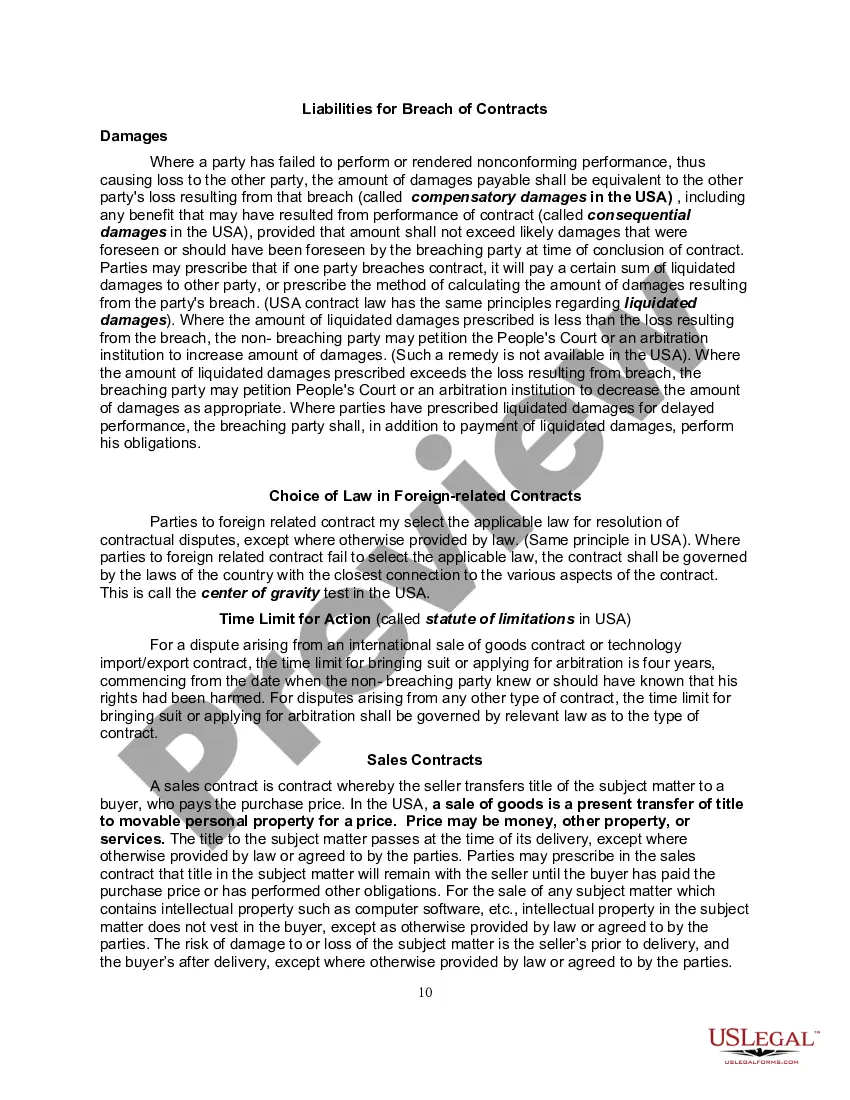


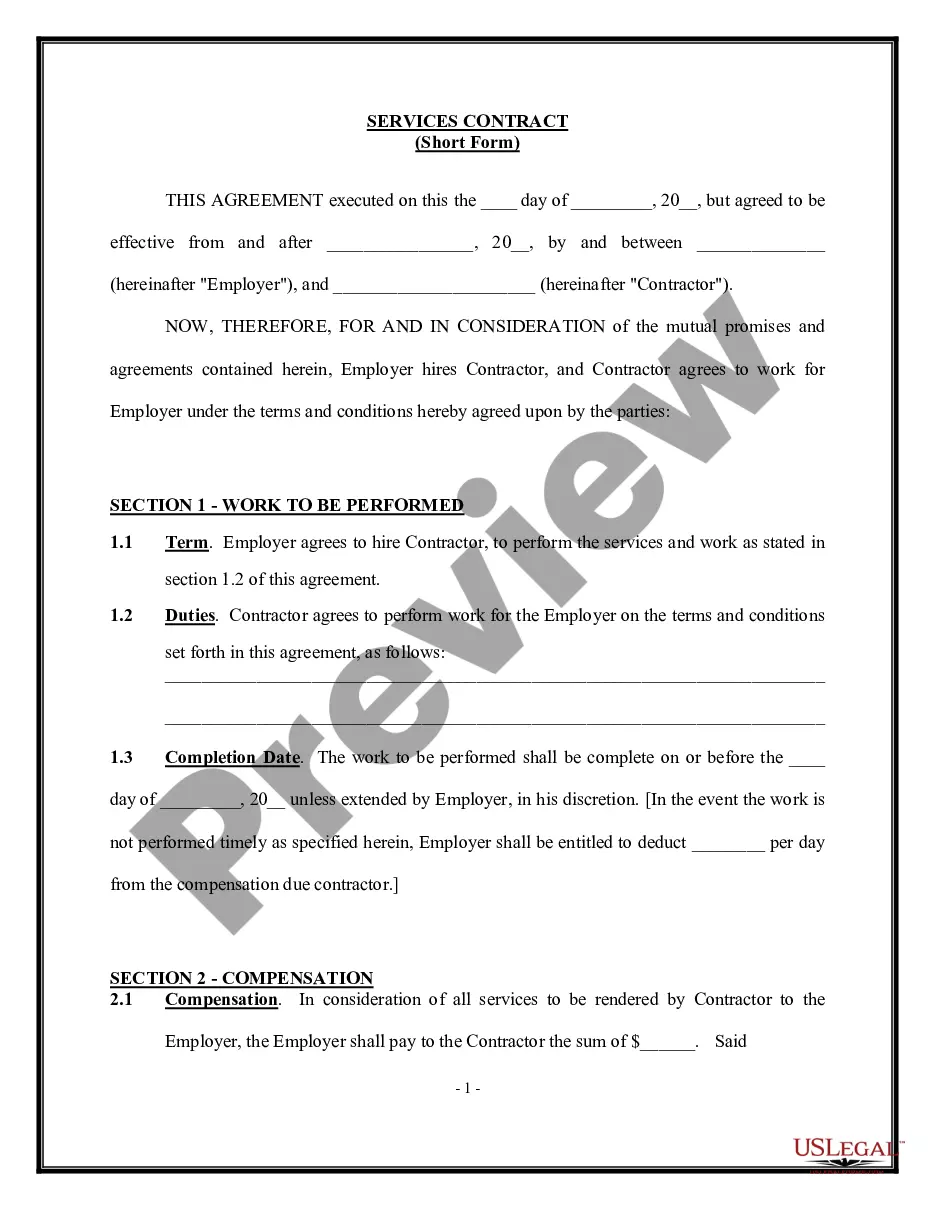
Get your form ready online
Our built-in tools help you complete, sign, share, and store your documents in one place.
Make edits, fill in missing information, and update formatting in US Legal Forms—just like you would in MS Word.
Download a copy, print it, send it by email, or mail it via USPS—whatever works best for your next step.
Sign and collect signatures with our SignNow integration. Send to multiple recipients, set reminders, and more. Go Premium to unlock E-Sign.
If this form requires notarization, complete it online through a secure video call—no need to meet a notary in person or wait for an appointment.
We protect your documents and personal data by following strict security and privacy standards.

Make edits, fill in missing information, and update formatting in US Legal Forms—just like you would in MS Word.

Download a copy, print it, send it by email, or mail it via USPS—whatever works best for your next step.

Sign and collect signatures with our SignNow integration. Send to multiple recipients, set reminders, and more. Go Premium to unlock E-Sign.

If this form requires notarization, complete it online through a secure video call—no need to meet a notary in person or wait for an appointment.

We protect your documents and personal data by following strict security and privacy standards.
Looking for another form?






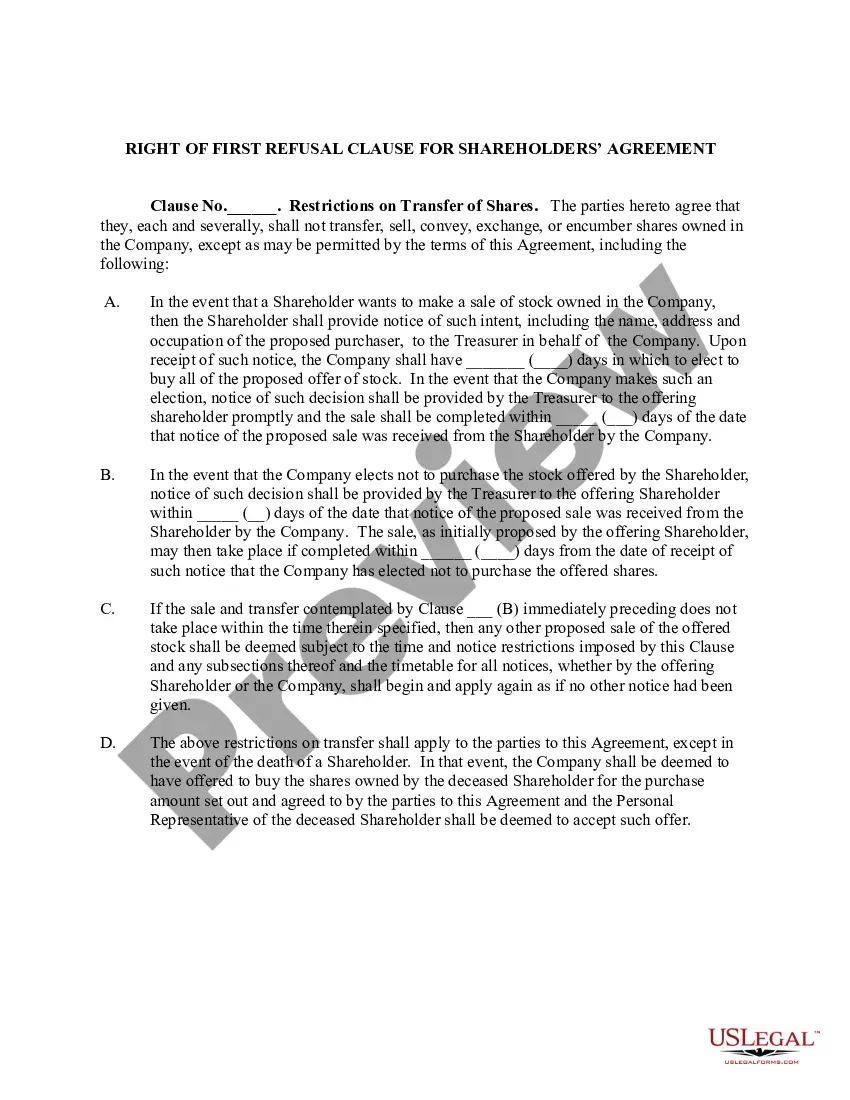



Form popularity
FAQ
When selling a house in New York, it's important to know who covers the closing costs, which include attorney fees, transfer taxes, and title insurance. Typically, these costs are split between the buyer and the seller, but the exact division can vary based on the sale terms and local practices.
It's not just about having a savvy negotiator by your side or someone to double-check the paperwork. In New York, an attorney's presence is as essential as a subway map on your first day in the city. While it's not required that you have an attorney by your side at the closing table, it's a very good idea.
If you are buying or selling a home in the state of New York, it is required that you work with an attorney to process all contracts and represent you at the closing. In addition, your attorney will assist you by: Preparing the first draft of the sales contract. Finalizing the contract between the buyer and seller.
It's not just about having a savvy negotiator by your side or someone to double-check the paperwork. In New York, an attorney's presence is as essential as a subway map on your first day in the city. While it's not required that you have an attorney by your side at the closing table, it's a very good idea.
Writing your own contracts is perfectly possible, and legal. But it's also an incredibly bad idea. There's two reasons for this: Property law is complicated. Because it's such a fundamental part of legislation, it's often lots and lots of different laws layered on top of each other.
Contract Formation Offer and Acceptance – one party must make a clear and definite offer, and the other party must accept that offer, clearly and definitely. Exchange Something of Value – also known as “Consideration.” Each party must promise or provide something of value to the other party;
There must be an offer and an acceptance. There must be consideration. The parties to the contract must be competent. Its purpose must be legal.
Contracts are made up of three basic parts – an offer, an acceptance and consideration. The offer and acceptance are what the purpose of the agreement is between the parties. A public relations firm offers to provide its services to a potential client.
In a case specified in section 6501, the notice of pendency shall be filed in the office of the clerk of any county where property affected is situated, before or after service of summons and at any time prior to judgment.
