Contract Law For Minors In New York
Description



Get your form ready online
Our built-in tools help you complete, sign, share, and store your documents in one place.
Make edits, fill in missing information, and update formatting in US Legal Forms—just like you would in MS Word.
Download a copy, print it, send it by email, or mail it via USPS—whatever works best for your next step.
Sign and collect signatures with our SignNow integration. Send to multiple recipients, set reminders, and more. Go Premium to unlock E-Sign.
If this form requires notarization, complete it online through a secure video call—no need to meet a notary in person or wait for an appointment.
We protect your documents and personal data by following strict security and privacy standards.

Make edits, fill in missing information, and update formatting in US Legal Forms—just like you would in MS Word.

Download a copy, print it, send it by email, or mail it via USPS—whatever works best for your next step.

Sign and collect signatures with our SignNow integration. Send to multiple recipients, set reminders, and more. Go Premium to unlock E-Sign.

If this form requires notarization, complete it online through a secure video call—no need to meet a notary in person or wait for an appointment.

We protect your documents and personal data by following strict security and privacy standards.
Looking for another form?








Form popularity
FAQ
California's legal ages laws, for instance, establish that an individual reaches the "age of majority" at 18 years old. The laws also state that children must generally be 14 years of age or older to be eligible for emancipation. Through emancipation, a minor may legally remove themselves from their parents' care.
Oblig. Law § 1-202 provide, for various purposes, that the age of majority is 18 years. can emancipate a minor, and state law does recognize emancipation including the right of emancipated minors to consent to certain health care, as provided in NY.
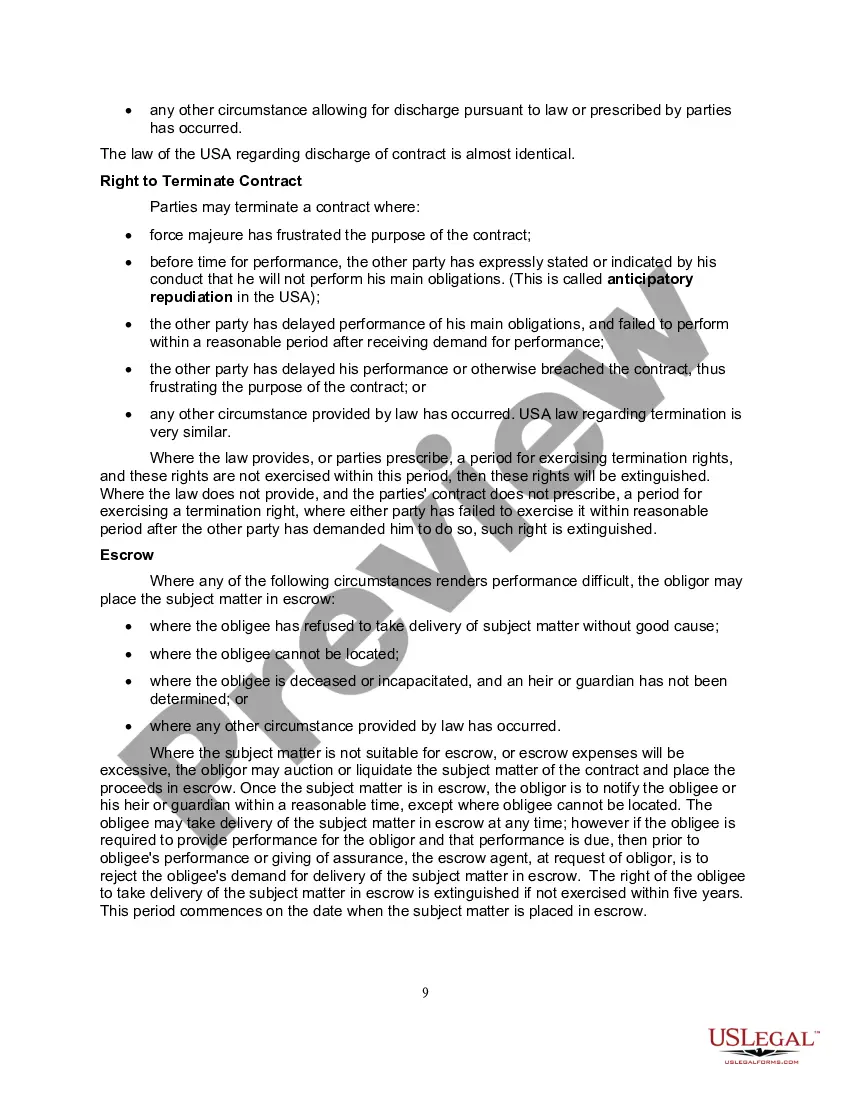
The law recognizes a minor as lacking the capacity to contract. Therefore, contracts with a minor are voidable. This, however, does not apply to the circumstances where minors are legally allowed to get into a contract and be fully obliged to the terms and conditions. Examples of such circumstances include necessities.
Emancipation is the process of a parent giving up control over a minor child so that the child has control over his own legal decisions and support before he is an adult (age 18). In New York, a parent must financially support his/her child until age 21 unless the child becomes emancipated.
In New York State, a child is entitled to be supported by his or her parents until the age of 21. However, if the child is under 21 years of age, and is married, or self-supporting, or in the military, the child is considered to be "emancipated" and the parents' support obligation ends.
The legal age is set by state law and can differ from state to state. However, almost all states set the base legal age as 18 years old. This is the age at which a person gains control over their own actions and affairs and becomes responsible for the decisions they make.
All parties to a contract must have the legal ability to do so for the agreement to be valid. Minors (who, in New York and many other jurisdictions, are under the age of 18) are deemed to lack the mental capacity required to enter into binding agreements under the law.
In many cases, minors can't be held to the terms of a contract until they reach the age of majority. In other words, a minor has the right to opt out of a contract, even if the other party is an adult and is bound by the terms.
In general, minors are considered not to have the legal capacity to enter into the contract, which is why contracts involving minors can be voided. Only the minor, however, has the right to void the contract.
A minor can get into any contract, but the general law concerning a contract with a minor is that such contracts are voidable. The law is formulated to safeguard minors who cannot fully understand the consequences of a contract. This implies that minors can exit the contract at their will.