Contract Law For Minors In Nevada
Description



Get your form ready online
Our built-in tools help you complete, sign, share, and store your documents in one place.
Make edits, fill in missing information, and update formatting in US Legal Forms—just like you would in MS Word.
Download a copy, print it, send it by email, or mail it via USPS—whatever works best for your next step.
Sign and collect signatures with our SignNow integration. Send to multiple recipients, set reminders, and more. Go Premium to unlock E-Sign.
If this form requires notarization, complete it online through a secure video call—no need to meet a notary in person or wait for an appointment.
We protect your documents and personal data by following strict security and privacy standards.

Make edits, fill in missing information, and update formatting in US Legal Forms—just like you would in MS Word.

Download a copy, print it, send it by email, or mail it via USPS—whatever works best for your next step.

Sign and collect signatures with our SignNow integration. Send to multiple recipients, set reminders, and more. Go Premium to unlock E-Sign.

If this form requires notarization, complete it online through a secure video call—no need to meet a notary in person or wait for an appointment.

We protect your documents and personal data by following strict security and privacy standards.
Looking for another form?






Form popularity
FAQ
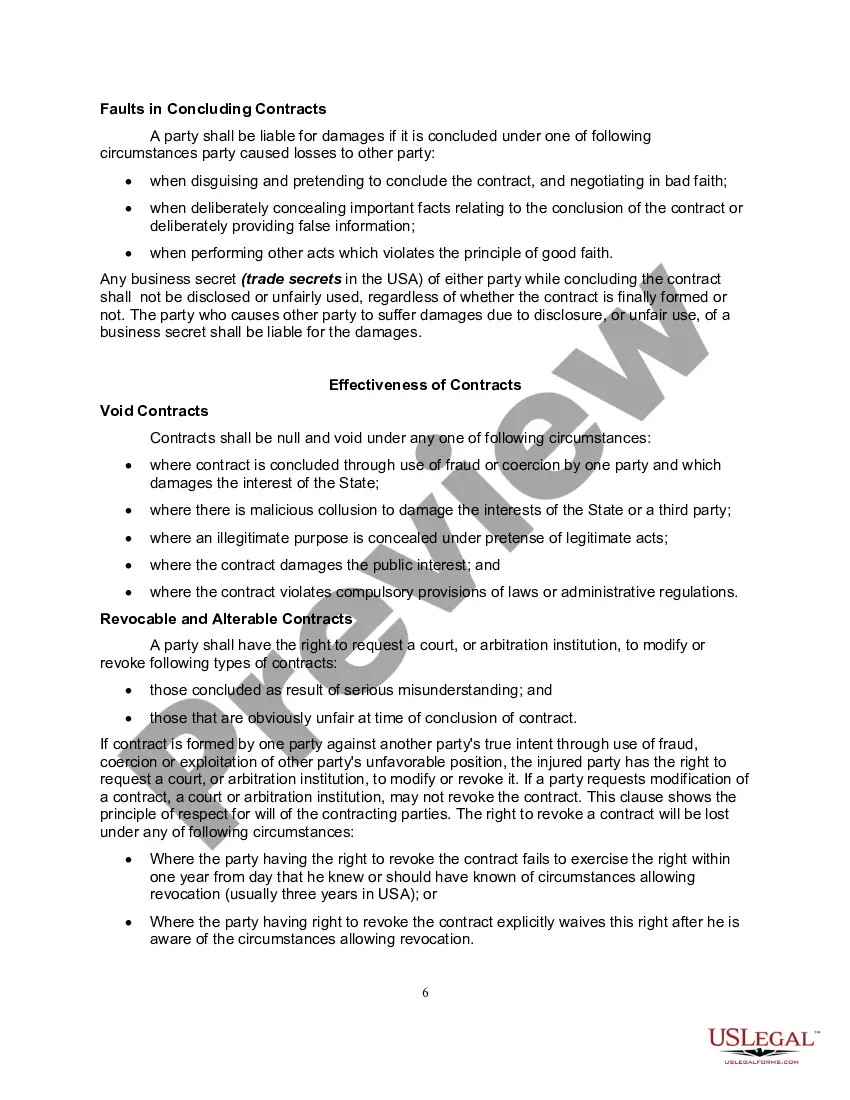
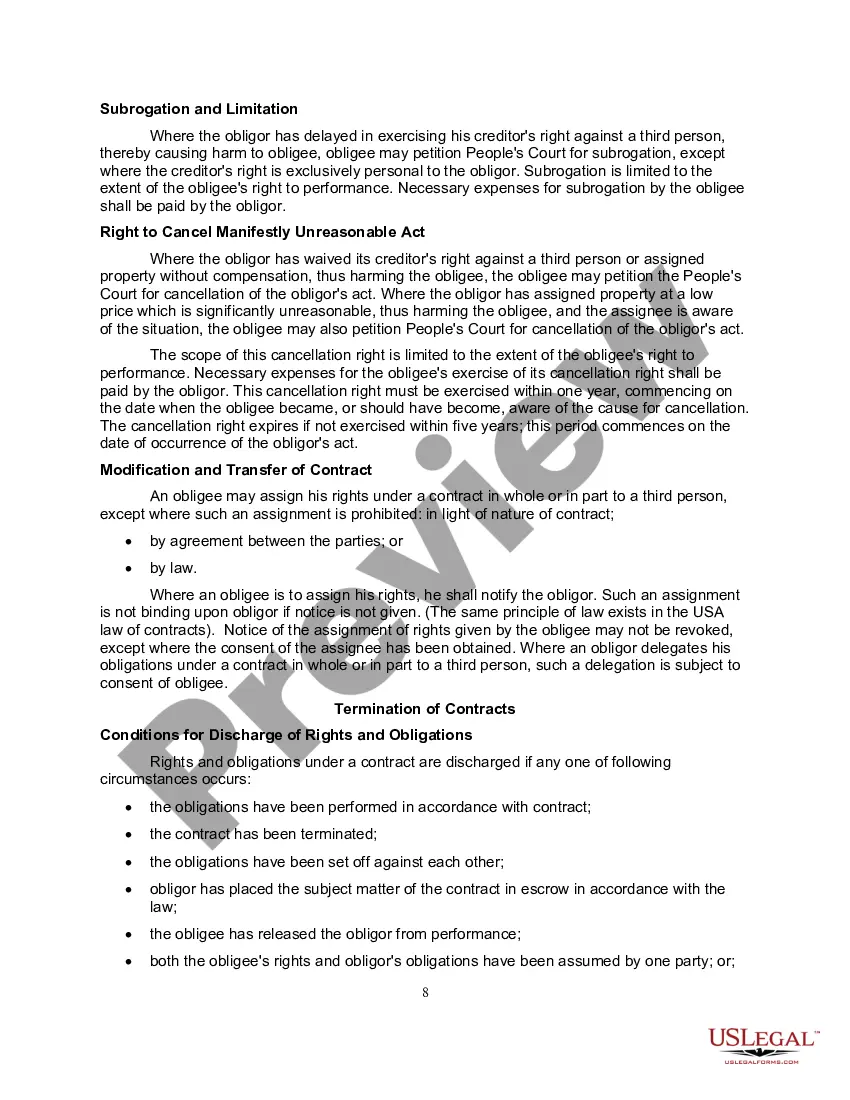
In many cases, minors can't be held to the terms of a contract until they reach the age of majority. In other words, a minor has the right to opt out of a contract, even if the other party is an adult and is bound by the terms.
A minor can get into any contract, but the general law concerning a contract with a minor is that such contracts are voidable. The law is formulated to safeguard minors who cannot fully understand the consequences of a contract. This implies that minors can exit the contract at their will.
As an example, a contract with a minor is voidable at the discretion of the minor on grounds of his age. But it is still binding on the party on the other side should the minor so decide.
In most states, minors are not legally able to enter into contracts, and any contract they do enter into is considered voidable . However, parents can be held liable for contracts made by their minor children if they have given their consent or if the contract is for necessaries such as food, clothing, or shelter .
The law recognizes a minor as lacking the capacity to contract. Therefore, contracts with a minor are voidable. This, however, does not apply to the circumstances where minors are legally allowed to get into a contract and be fully obliged to the terms and conditions. Examples of such circumstances include necessities.
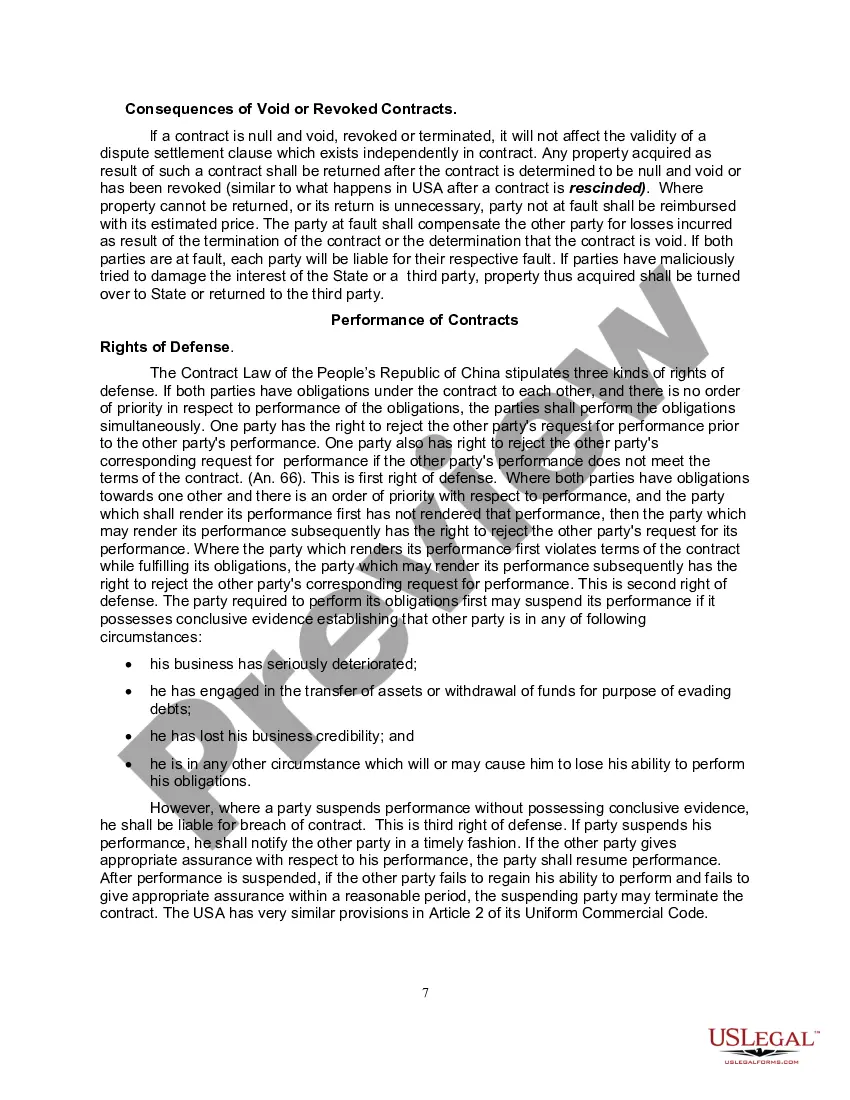
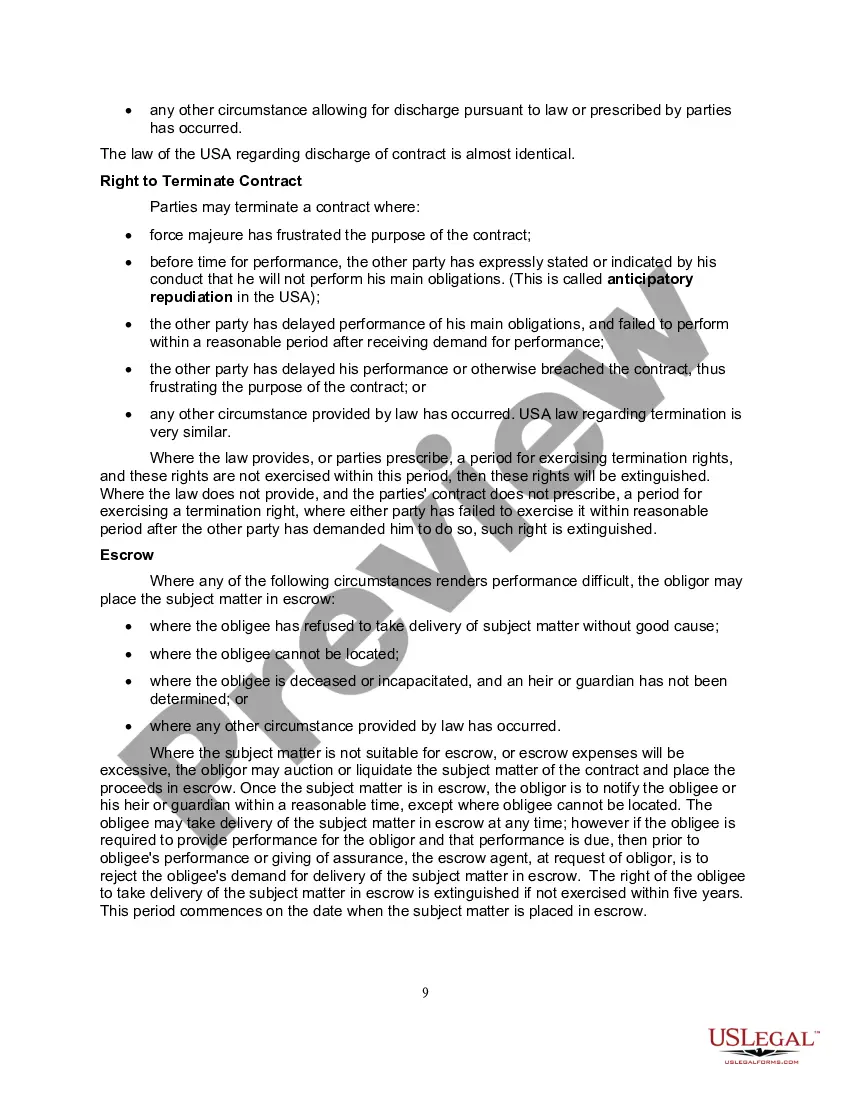
When two or more parties agree to do or not to do something, these parties enter a legally binding contract in Nevada. The obligations under the contract are enforceable by mutual understanding—until a dispute arises. Then, the parties go to court, where the Nevada judiciary adjudicates the case.
Nevada child labor laws When school is in session, they may not work during school hours unless they are performing in a motion picture. On school days, they may not work more than 3 hours a day. On non-school days, they may work a maximum of 8 hours. They may work a maximum of 18 hours a week.
A contract is an agreement between parties, creating mutual obligations that are enforceable by law. The basic elements required for the agreement to be a legally enforceable contract are: mutual assent, expressed by a valid offer and acceptance; adequate consideration; capacity; and legality.
The law recognizes a minor as lacking the capacity to contract. Therefore, contracts with a minor are voidable. This, however, does not apply to the circumstances where minors are legally allowed to get into a contract and be fully obliged to the terms and conditions. Examples of such circumstances include necessities.
