Contract Law In Uk In Maryland
Description

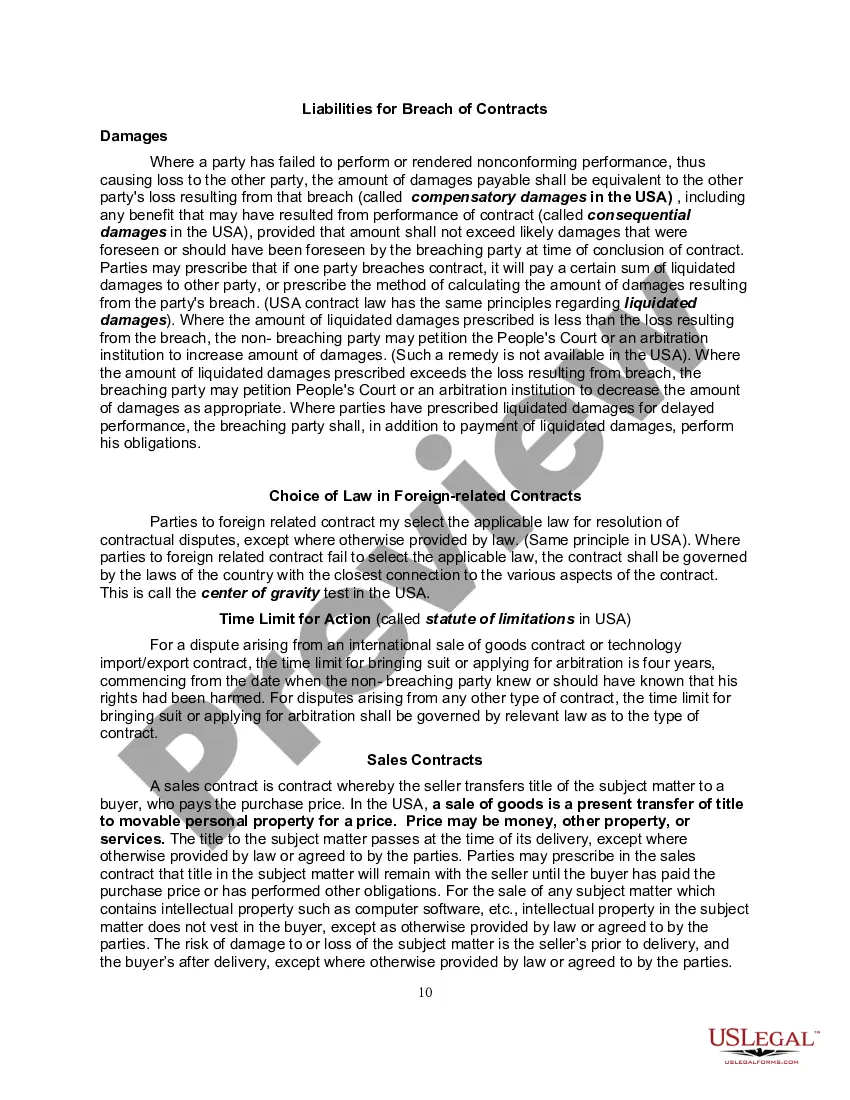


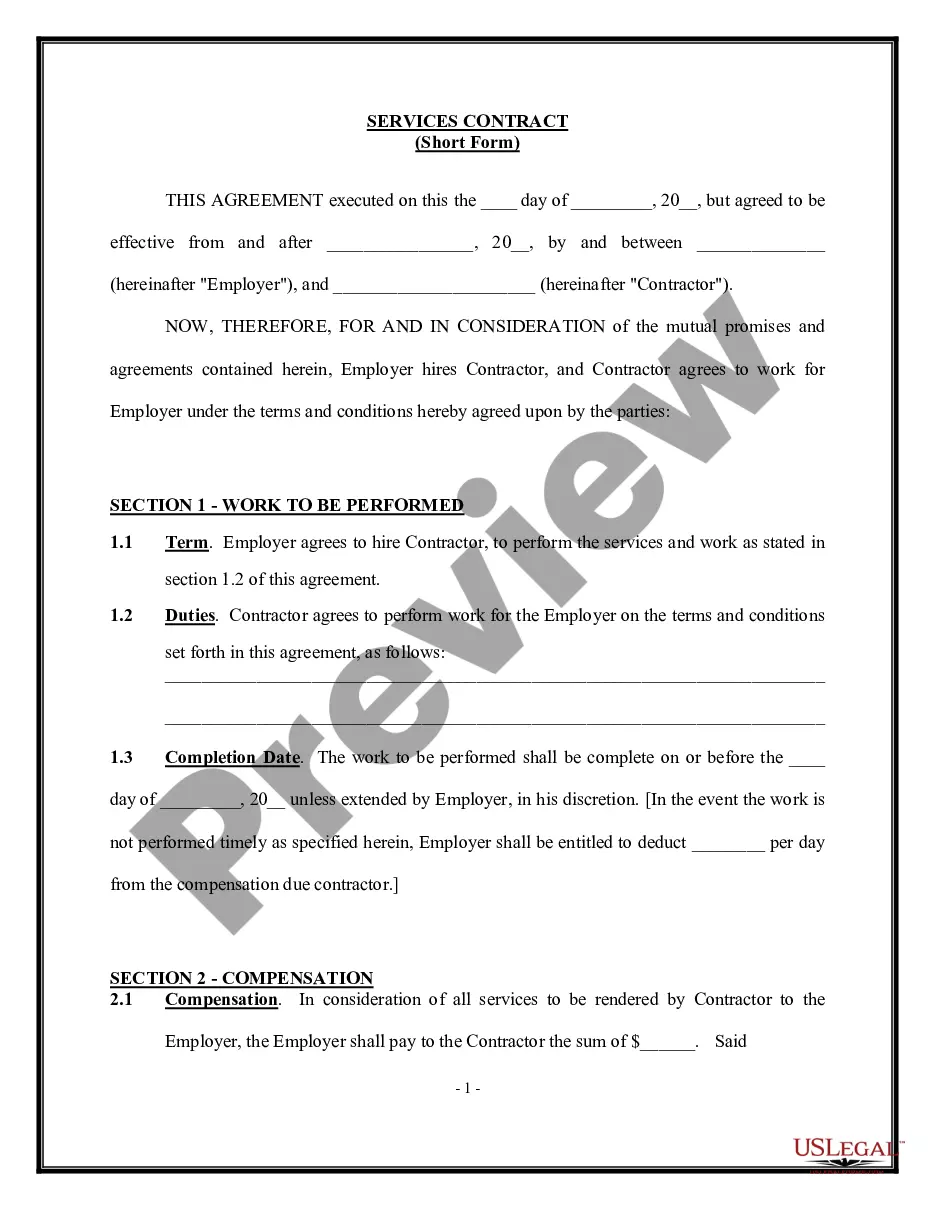
Get your form ready online
Our built-in tools help you complete, sign, share, and store your documents in one place.
Make edits, fill in missing information, and update formatting in US Legal Forms—just like you would in MS Word.
Download a copy, print it, send it by email, or mail it via USPS—whatever works best for your next step.
Sign and collect signatures with our SignNow integration. Send to multiple recipients, set reminders, and more. Go Premium to unlock E-Sign.
If this form requires notarization, complete it online through a secure video call—no need to meet a notary in person or wait for an appointment.
We protect your documents and personal data by following strict security and privacy standards.

Make edits, fill in missing information, and update formatting in US Legal Forms—just like you would in MS Word.

Download a copy, print it, send it by email, or mail it via USPS—whatever works best for your next step.

Sign and collect signatures with our SignNow integration. Send to multiple recipients, set reminders, and more. Go Premium to unlock E-Sign.

If this form requires notarization, complete it online through a secure video call—no need to meet a notary in person or wait for an appointment.

We protect your documents and personal data by following strict security and privacy standards.
Looking for another form?



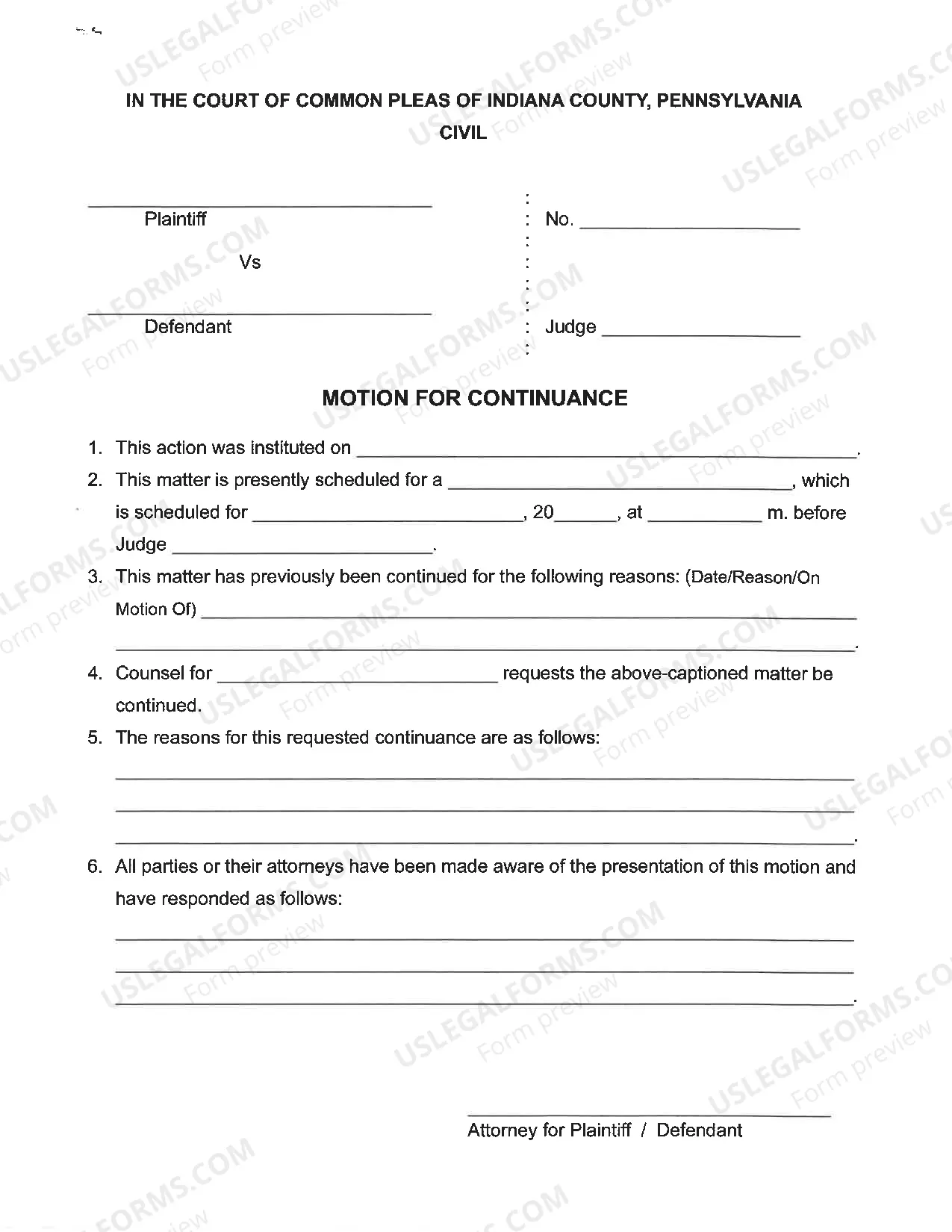






Form popularity
FAQ
A contract consists of a legally binding agreement or promise between parties. The agreement must be voluntary and made by competent parties. The promise or agreement must be supported by an exchange of something of value (e.g., goods or services). This exchange must be legal.
For a contract to be legally binding, there must be: an offer; acceptance of that offer; consideration between contracting parties; an intention to create legal relationships shown by both parties; and. clarity in the contract's terms.
There are four essential elements of forming a contract: offer, acceptance, consideration, and intention to create legal relations. Beyond this, the terms of the contract must also be unambiguous, and the parties must have the mental capacity to agree.
For a contract to be valid and recognized by the common law, it must include certain elements-- offer, acceptance, consideration, intention to create legal relations, authority and capacity, and certainty. Without these elements, a contract is not legally binding and may not be enforced by the courts.
A contract is an agreement between parties, creating mutual obligations that are enforceable by law. The basic elements required for the agreement to be a legally enforceable contract are: mutual assent, expressed by a valid offer and acceptance; adequate consideration; capacity; and legality.
7 Essential Elements of A Contract Offer. For there to be a contract, there must first be an offer by one party and an acceptance by the other. Acceptance. Acceptance is the agreement to the specific conditions of an offer. Consideration. Intention to create legal relations. Authority and capacity. Certainty.
English contract law is the body of law that regulates legally binding agreements in England and Wales.
If you decide to pursue a claim for breach of contract, you will need evidence of the breach. It is therefore crucial to collate and retain all relevant evidence. You should take photographs of any defective goods as soon as they are received. If possible, speak to witnesses and make a note of their recollection.
In common law, there are 3 basic essentials to the creation of a contract: (i) agreement; (ii) contractual intention; and (iii) consideration. 3. The first requisite of a contract is that the parties should have reached agreement.
Depending on the type of contract you might also have an “express right to terminate” clause or a cooling off period so be sure to read the small print for anything that could help you here. In the UK, consumers have 14 days to cancel a contract under the Consumer Contracts Regulations and the Consumer Credit Act.
