Contract Law With Good Faith In King
Description

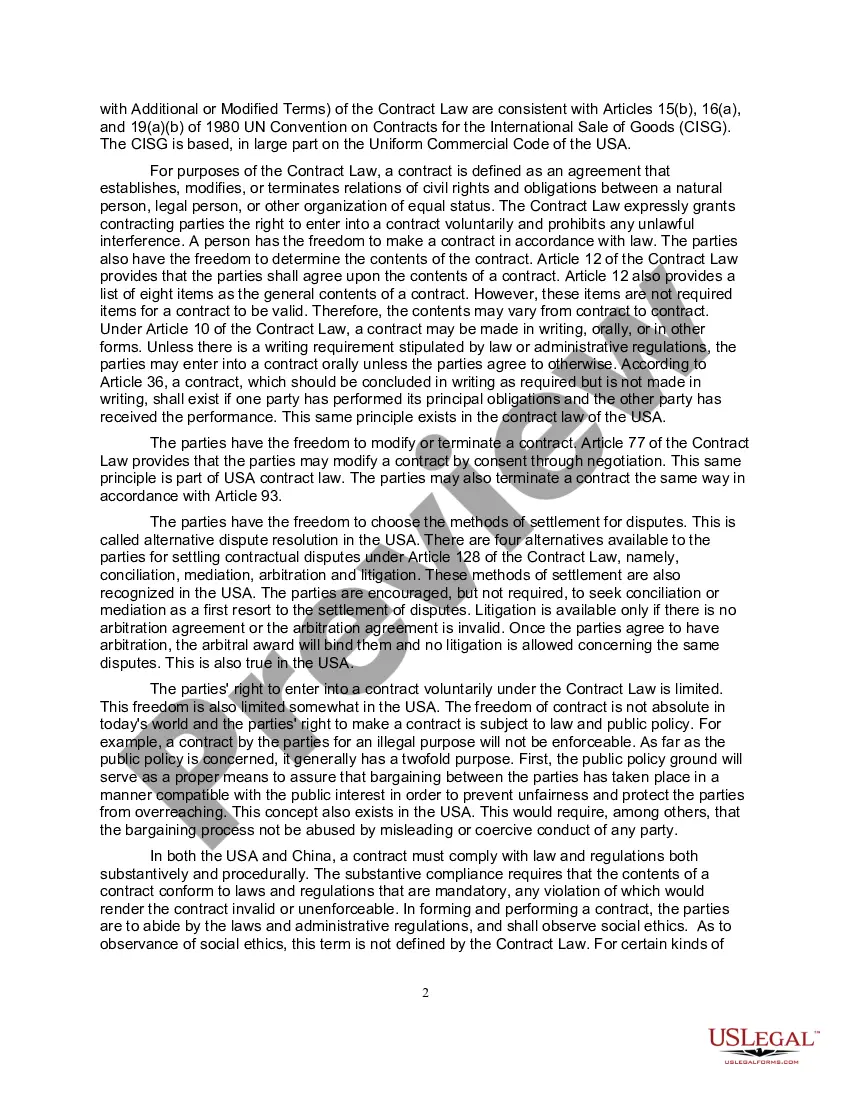
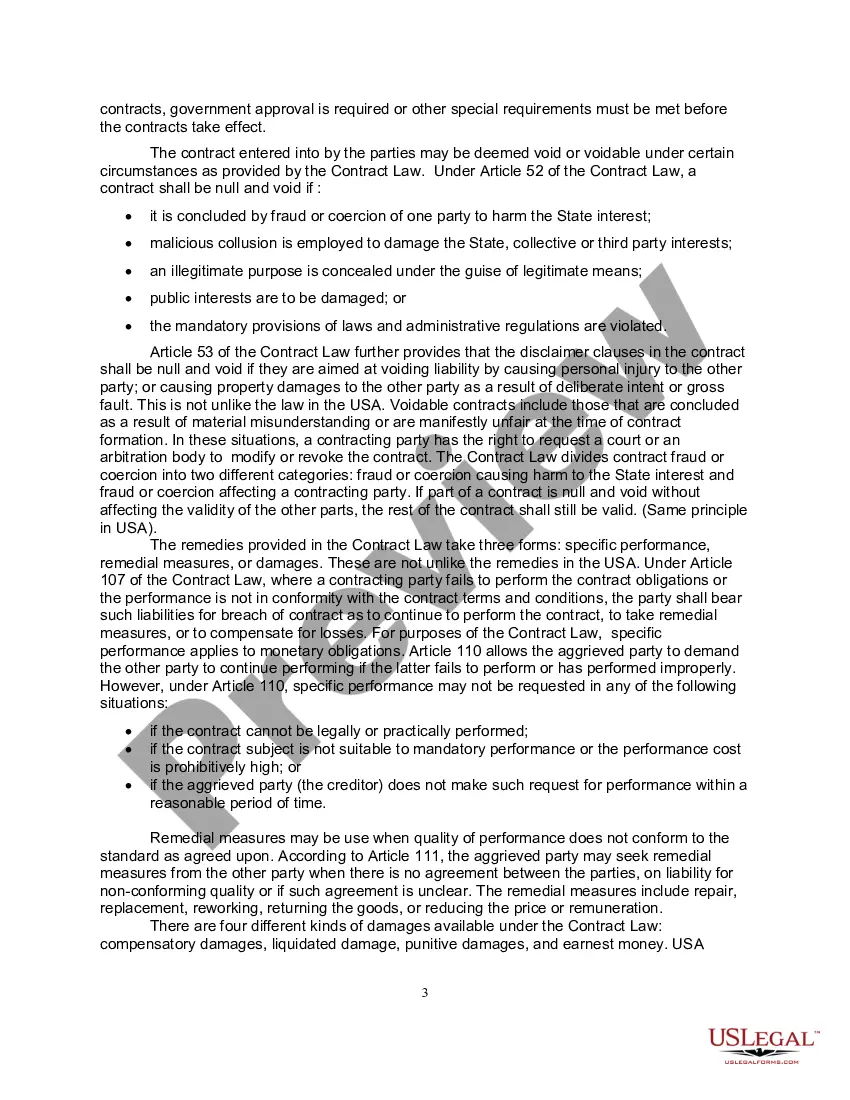
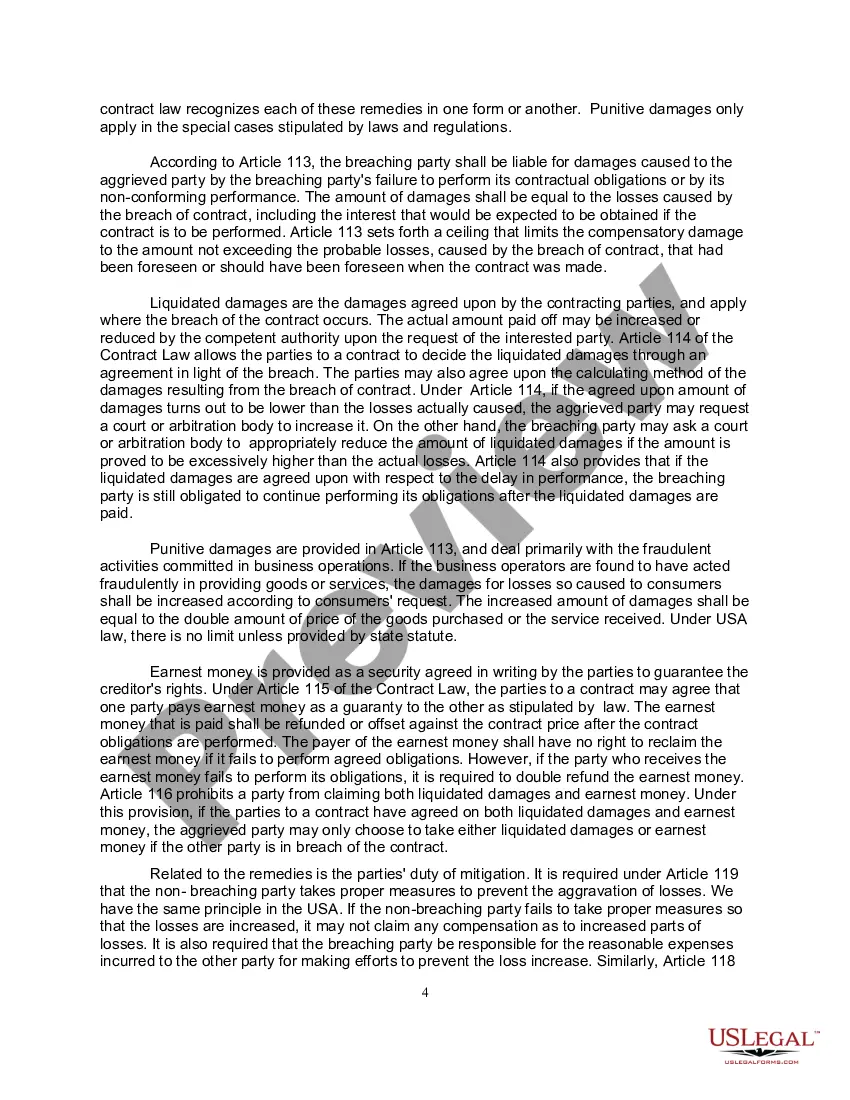
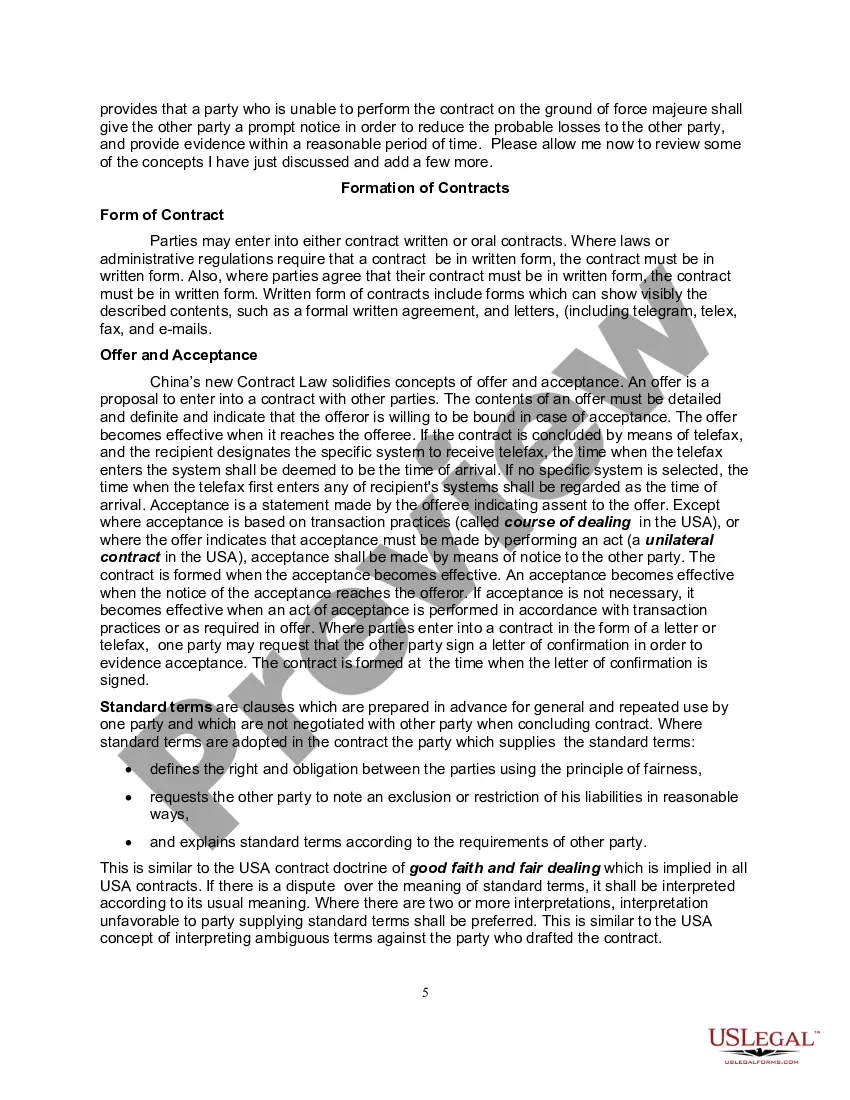
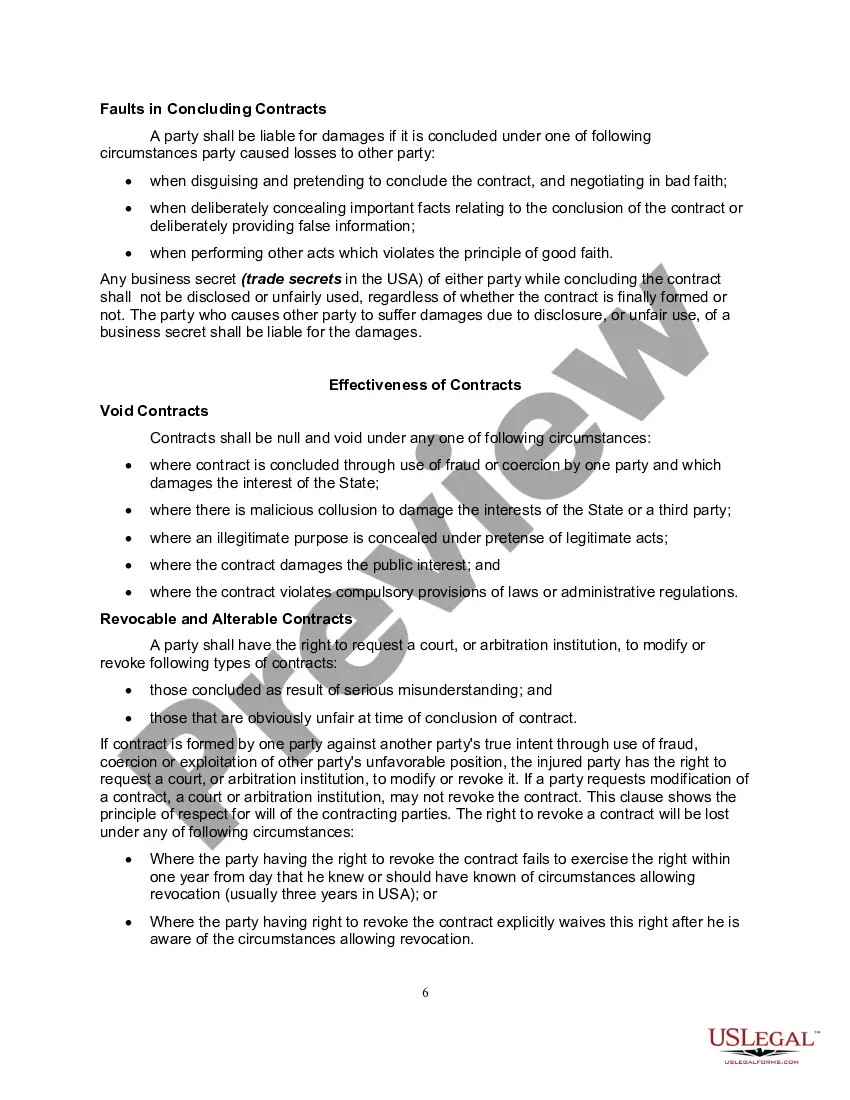
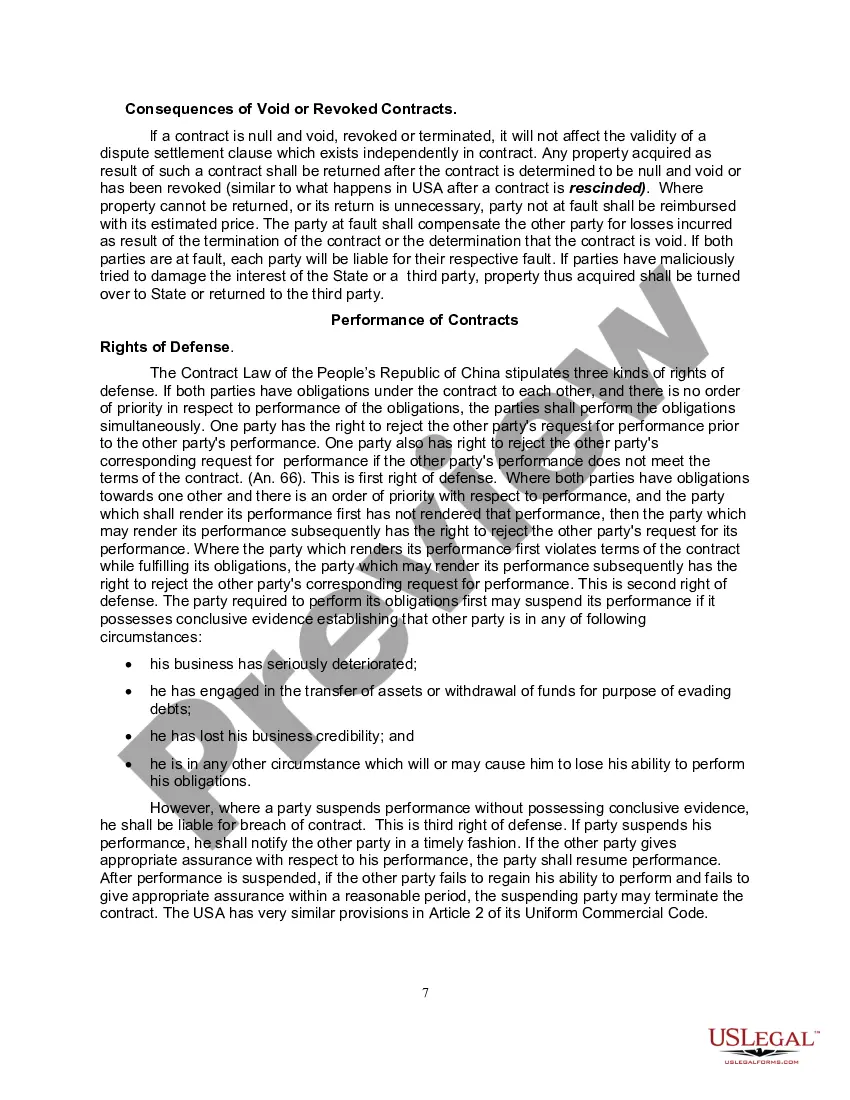
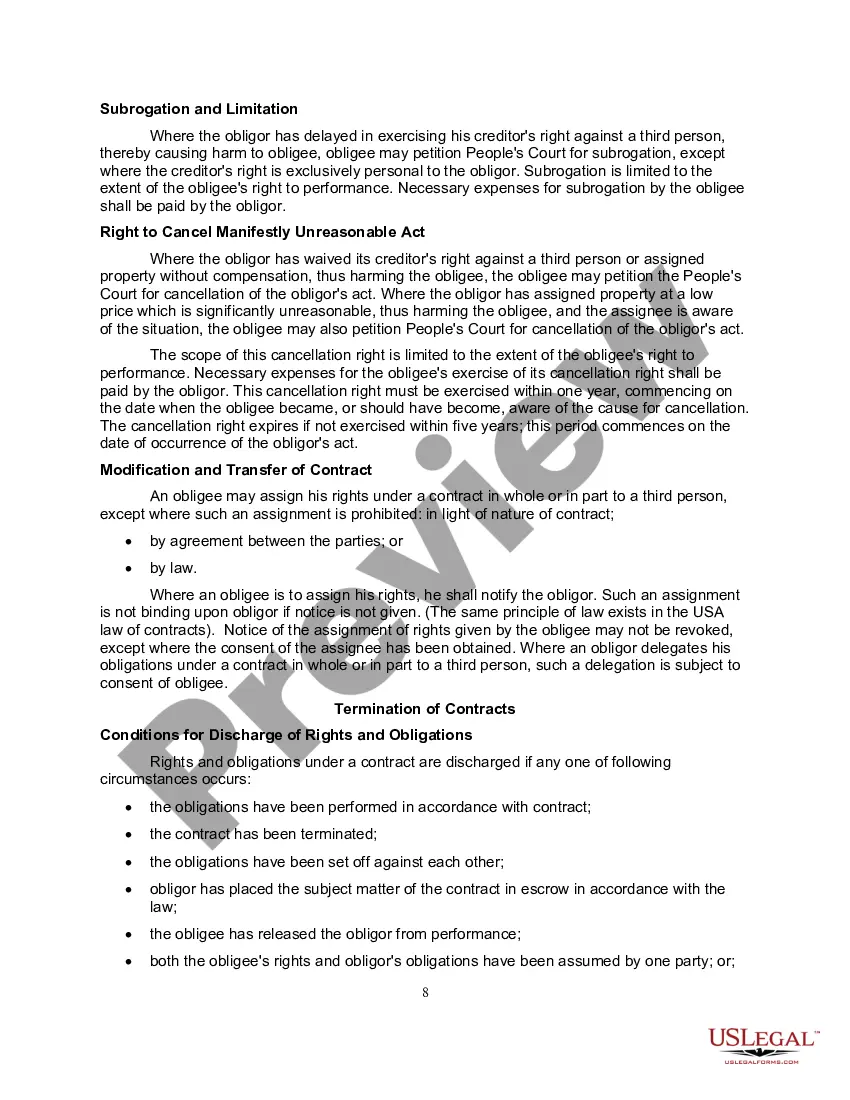
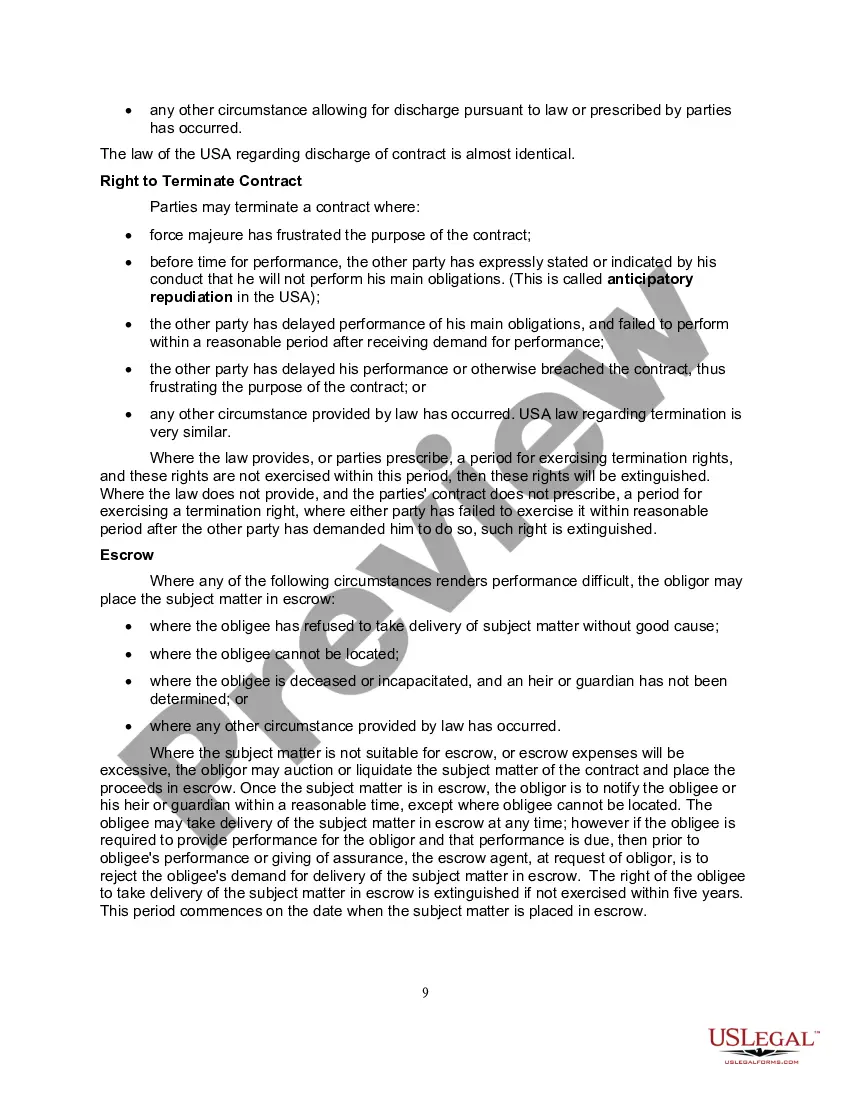



Get your form ready online
Our built-in tools help you complete, sign, share, and store your documents in one place.
Make edits, fill in missing information, and update formatting in US Legal Forms—just like you would in MS Word.
Download a copy, print it, send it by email, or mail it via USPS—whatever works best for your next step.
Sign and collect signatures with our SignNow integration. Send to multiple recipients, set reminders, and more. Go Premium to unlock E-Sign.
If this form requires notarization, complete it online through a secure video call—no need to meet a notary in person or wait for an appointment.
We protect your documents and personal data by following strict security and privacy standards.

Make edits, fill in missing information, and update formatting in US Legal Forms—just like you would in MS Word.

Download a copy, print it, send it by email, or mail it via USPS—whatever works best for your next step.

Sign and collect signatures with our SignNow integration. Send to multiple recipients, set reminders, and more. Go Premium to unlock E-Sign.

If this form requires notarization, complete it online through a secure video call—no need to meet a notary in person or wait for an appointment.

We protect your documents and personal data by following strict security and privacy standards.
Looking for another form?









Form popularity
FAQ
Entering a contract in good faith often includes acting honestly, fairly, and with cooperation. Courts may or may not imply good faith obligations depending on the case specifics.
In contract law, the implied covenant of good faith and fair dealing is a general presumption that the parties to a contract will deal with each other honestly, fairly, and in good faith, so as to not destroy the right of the other party or parties to receive the benefits of the contract.
Parties cannot rely on the strict terms of a contract to justify dishonest conduct – the duty of honest performance imposes an obligation to act honestly and in good faith when performing contractual obligations, even if the terms of the contract allow for termination or other actions.
English law does not impose a duty of good faith on all contracting parties, unlike some other legal systems. However, there is now a body of cases in which such duty has been implied in commercial contracts. English law also imposes some restrictions on the exercise of contractual discretion.
Implied covenant of good faith and fair dealing (often simplified to good faith) is a rule used by most courts in the United States that requires every party in a contract to implement the agreement as intended, not using means to undercut the purpose of the transaction.
Good faith is a legal principle that imposes a duty on parties to a contract to act in a fair and honest manner. It requires parties to avoid deception, misrepresentation, and other forms of misconduct that could harm the other party.
Sir Anthony suggested that the concept of good faith includes the following elements: (1) An obligation on the parties to co-operate in achieving the contractual objects (loyalty to the promise itself). (2) Compliance with honest standards of conduct.
This is our proposed taxonomy “3 by 4.” Open recognition of this humble version of good faith will: make explicit the implicit ethical content of English contract law, enhance our understanding and organization of many apparently disparate rules, legitimize these rules and facilitate legal development in a manner ...
Relational contracts which are subject to an implied duty of good faith require the parties to act with integrity and in a spirit of cooperation. Parties may pursue their own interests but in a way which allows them to have trust in the other.
Sir Anthony suggested that the concept of good faith includes the following elements: (1) An obligation on the parties to co-operate in achieving the contractual objects (loyalty to the promise itself). (2) Compliance with honest standards of conduct.
