Contract Law In Hindi In King
Description

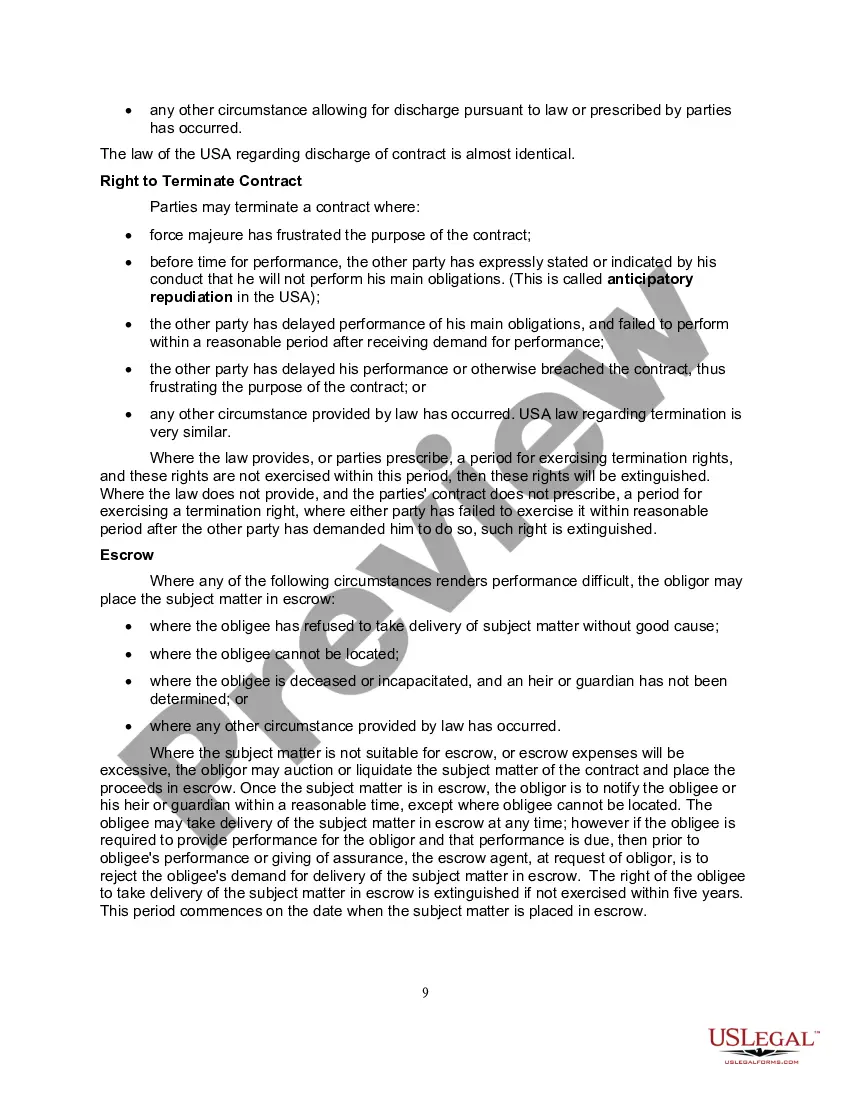
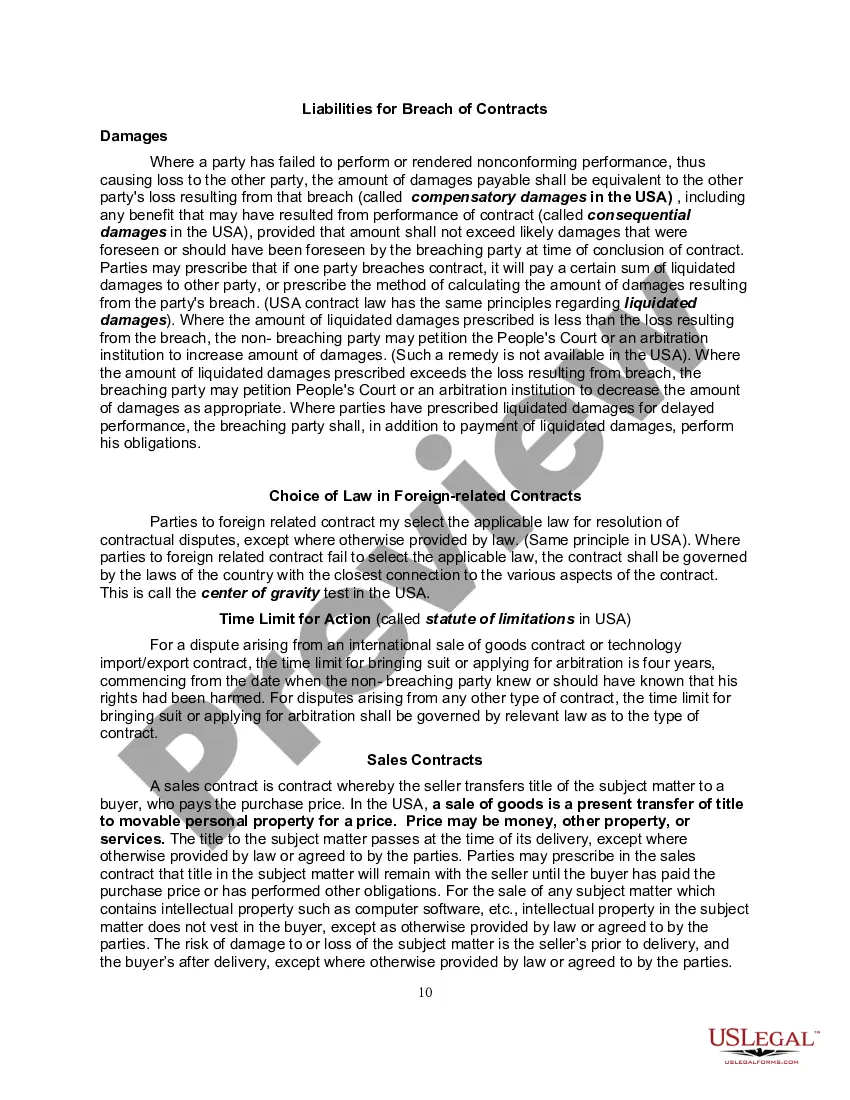


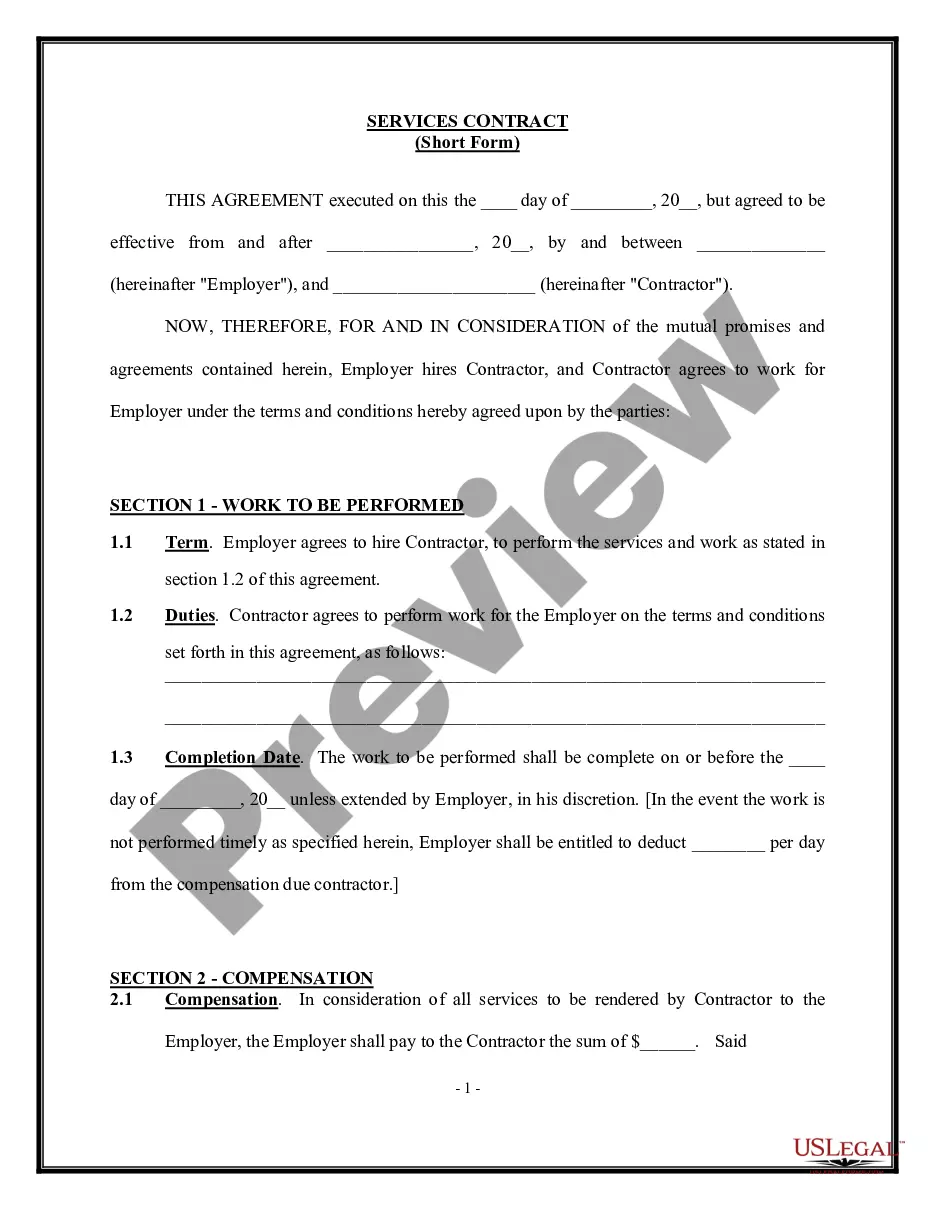
Get your form ready online
Our built-in tools help you complete, sign, share, and store your documents in one place.
Make edits, fill in missing information, and update formatting in US Legal Forms—just like you would in MS Word.
Download a copy, print it, send it by email, or mail it via USPS—whatever works best for your next step.
Sign and collect signatures with our SignNow integration. Send to multiple recipients, set reminders, and more. Go Premium to unlock E-Sign.
If this form requires notarization, complete it online through a secure video call—no need to meet a notary in person or wait for an appointment.
We protect your documents and personal data by following strict security and privacy standards.

Make edits, fill in missing information, and update formatting in US Legal Forms—just like you would in MS Word.

Download a copy, print it, send it by email, or mail it via USPS—whatever works best for your next step.

Sign and collect signatures with our SignNow integration. Send to multiple recipients, set reminders, and more. Go Premium to unlock E-Sign.

If this form requires notarization, complete it online through a secure video call—no need to meet a notary in person or wait for an appointment.

We protect your documents and personal data by following strict security and privacy standards.
Looking for another form?





Form popularity
FAQ
It is applicable to all the states of India. It determines the circumstances in which promises made by the parties to a contract shall be legally binding. Under Section 2(h), the Indian Contract Act defines a contract as an agreement enforceable by Law.
Lesson Summary. A contract is a legal agreement between two or more parties in which they agree to each other's rights and responsibilities. Offer, acceptance, awareness, consideration, and capacity are the five elements of an enforceable contract.
For a contract to be valid and recognized by the common law, it must include certain elements-- offer, acceptance, consideration, intention to create legal relations, authority and capacity, and certainty. Without these elements, a contract is not legally binding and may not be enforced by the courts.
There are four essential elements of forming a contract: offer, acceptance, consideration, and intention to create legal relations. Beyond this, the terms of the contract must also be unambiguous, and the parties must have the mental capacity to agree.
Acceptance must be absolute. — In order to convert a proposal into a promise the acceptance must— (1)be absolute and unqualified; (2)be expressed in some usual and reasonable manner, unless the proposal prescribes the manner in which it is to be accepted.
Both parties must clearly understand and agree to the terms outlined in the contract. Additionally, consideration, or something of value exchanged between the parties, must be present to support the contract's validity. Moreover, legality and the capacity of the parties involved are essential components to consider.
A contract is an agreement between parties, creating mutual obligations that are enforceable by law. The basic elements required for the agreement to be a legally enforceable contract are: mutual assent, expressed by a valid offer and acceptance; adequate consideration; capacity; and legality.
Like your bachelor's degree, the JD is another degree and that means more schooling. While a bachelor's degree usually takes 4 years to complete, the JD takes 3 years. This means that you need to set aside at least seven years of schooling to become any kind of lawyer.
Requirements Bachelor's Degree with a good GPA (preferably in a pre-law track, but not required) Juris Doctorate Degree (J.D.) MPRE and State Bar Exam passage. Admittance to the State Bar. Specialized experience in contract law.
To be legally valid, a contract must fulfill four basic requirements: All signees must be above the age of consent. All parties must agree to the contract freely. All parties must be able to understand the agreement (legal capacity) The terms of the agreement must be permitted in law.