Contract Law With Examples In Georgia
Description

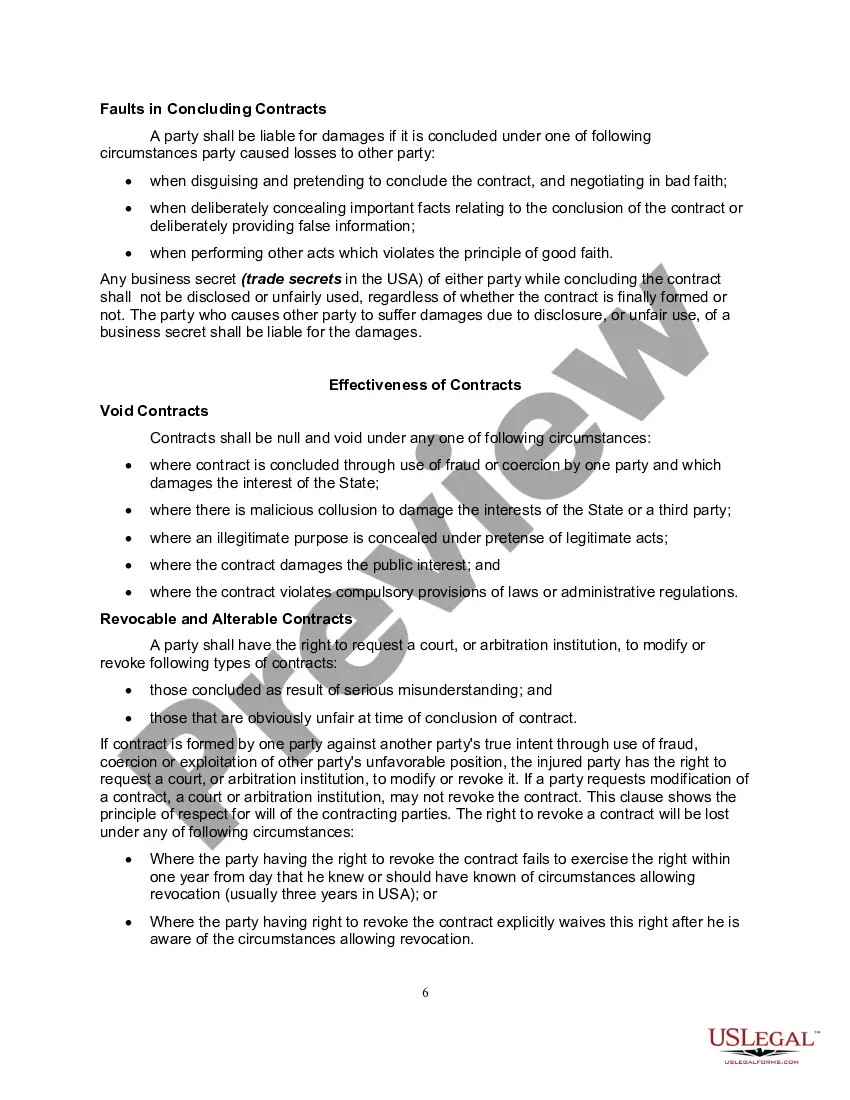
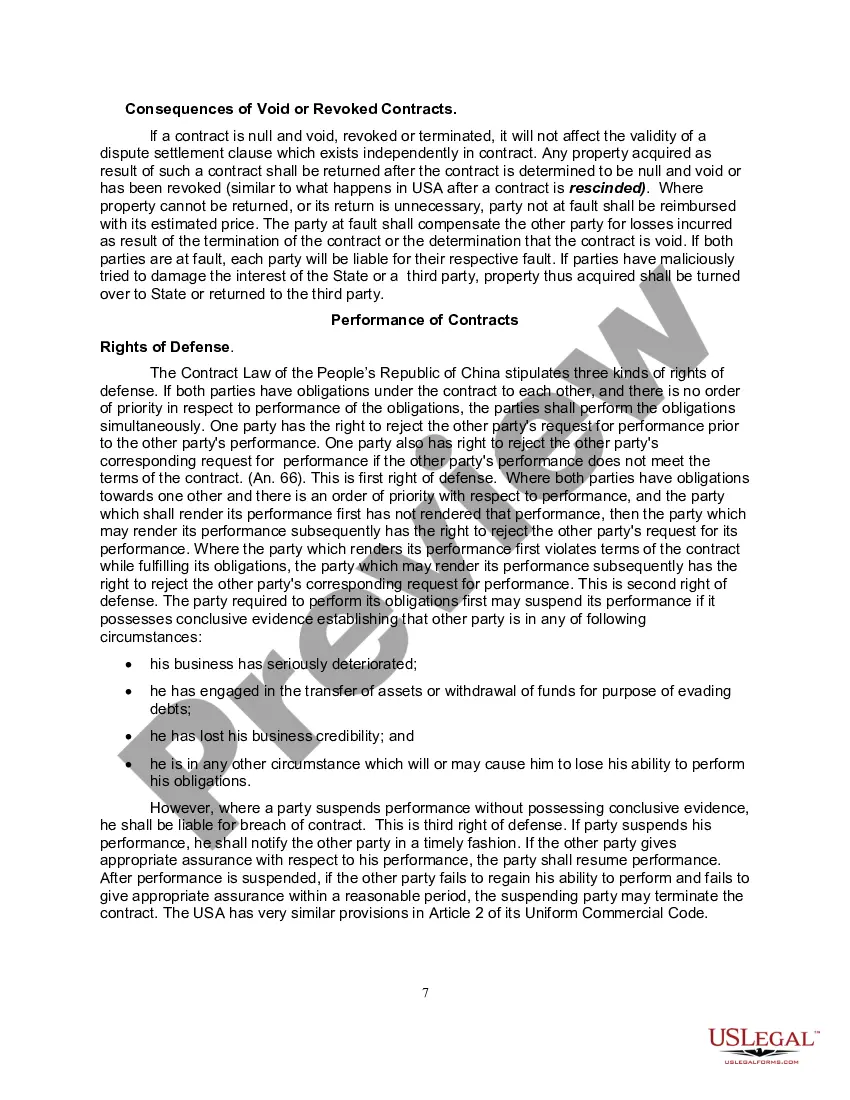
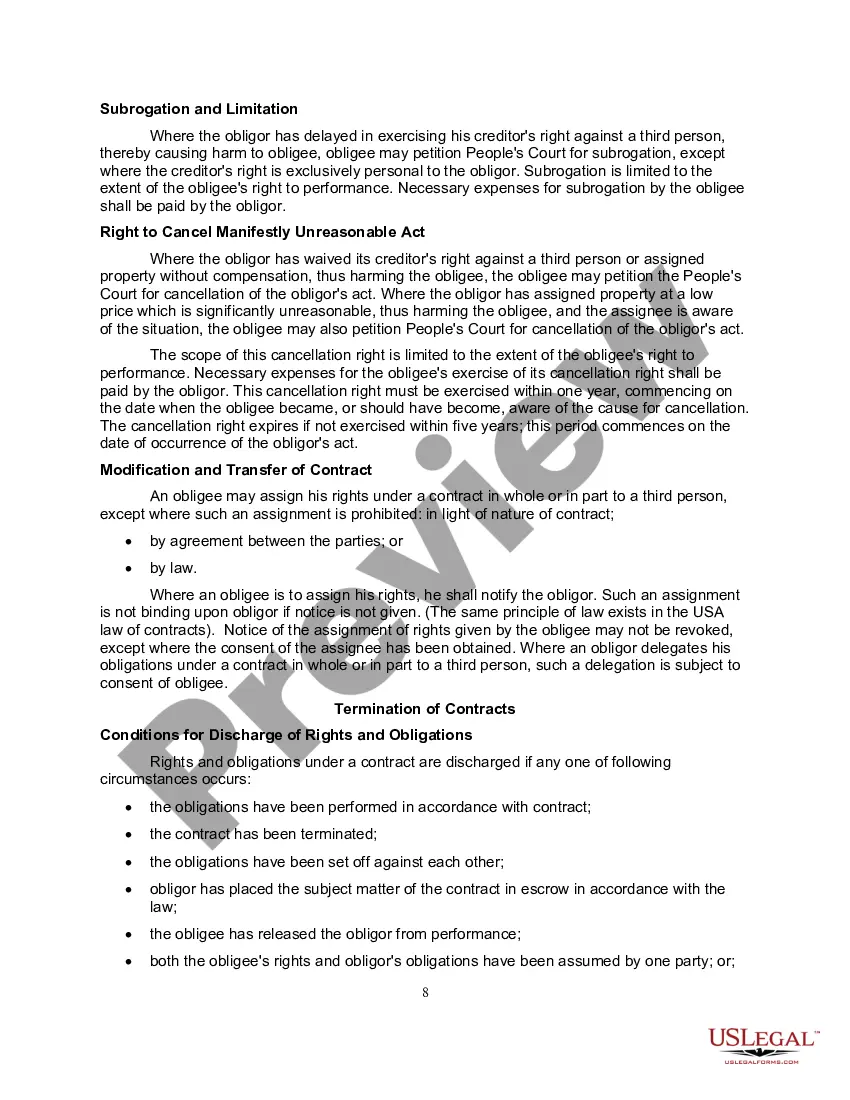
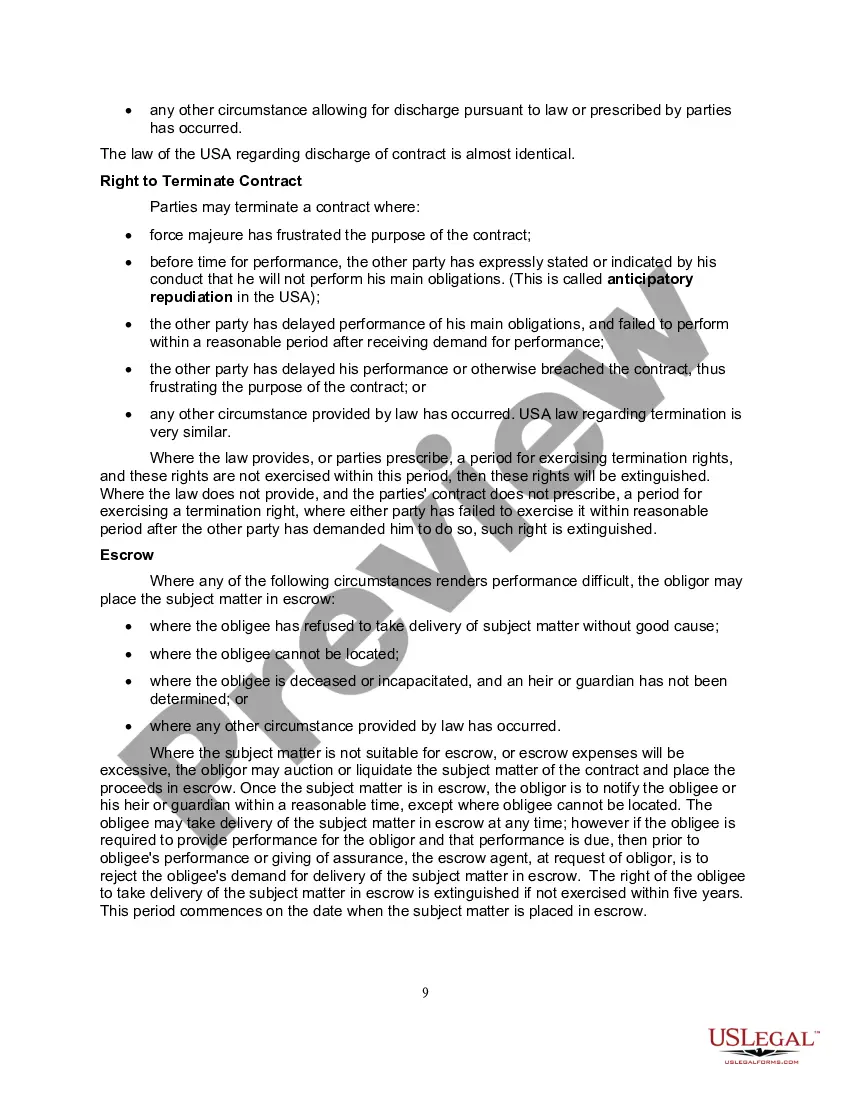


Get your form ready online
Our built-in tools help you complete, sign, share, and store your documents in one place.
Make edits, fill in missing information, and update formatting in US Legal Forms—just like you would in MS Word.
Download a copy, print it, send it by email, or mail it via USPS—whatever works best for your next step.
Sign and collect signatures with our SignNow integration. Send to multiple recipients, set reminders, and more. Go Premium to unlock E-Sign.
If this form requires notarization, complete it online through a secure video call—no need to meet a notary in person or wait for an appointment.
We protect your documents and personal data by following strict security and privacy standards.

Make edits, fill in missing information, and update formatting in US Legal Forms—just like you would in MS Word.

Download a copy, print it, send it by email, or mail it via USPS—whatever works best for your next step.

Sign and collect signatures with our SignNow integration. Send to multiple recipients, set reminders, and more. Go Premium to unlock E-Sign.

If this form requires notarization, complete it online through a secure video call—no need to meet a notary in person or wait for an appointment.

We protect your documents and personal data by following strict security and privacy standards.
Looking for another form?








Form popularity
FAQ
Q1: “A person A agrees to sell his house to a person B for 50 lakh.” This is an example of: A contract.
To wrap up, understanding the 5 elements of contract law—offer, acceptance, consideration, legal capacity, and lawful purpose—is crucial for creating legally binding and enforceable agreements.
For a contract to be valid and recognized by the common law, it must include certain elements-- offer, acceptance, consideration, intention to create legal relations, authority and capacity, and certainty. Without these elements, a contract is not legally binding and may not be enforced by the courts.
Under Georgia law, for a contract to be valid, there must be an offer, acceptance, consideration, and mutual assent. See O.C.G.A. § 13-3-1. In the context of email communications, an offer can be made through an email, or contemporaneous emails, containing terms of a proposed agreement.
Contracts are promises that the law will enforce. Contract law is generally governed by state common law , and while general overall contract law is common throughout the country, some specific court interpretations of a particular element of the contract may vary between the states.
For a contract to be legally binding, and therefore enforceable, it needs to satisfy four principles: offer, acceptance, consideration and the intention to create legal relations. Consideration requires the exchange of something of value and to make a contract there has to be a clear intention.
