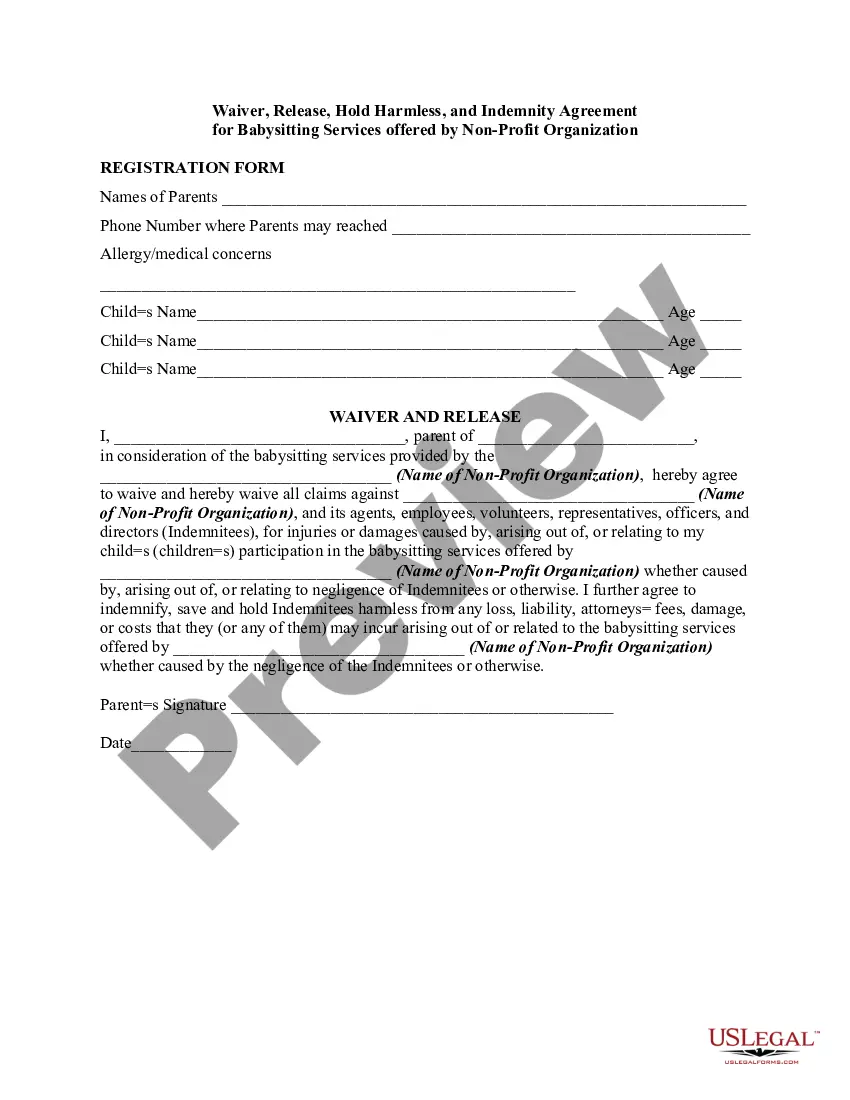
Construction Law Forum In San Jose
Description












Get your form ready online
Our built-in tools help you complete, sign, share, and store your documents in one place.
Make edits, fill in missing information, and update formatting in US Legal Forms—just like you would in MS Word.
Download a copy, print it, send it by email, or mail it via USPS—whatever works best for your next step.
Sign and collect signatures with our SignNow integration. Send to multiple recipients, set reminders, and more. Go Premium to unlock E-Sign.
If this form requires notarization, complete it online through a secure video call—no need to meet a notary in person or wait for an appointment.
We protect your documents and personal data by following strict security and privacy standards.

Make edits, fill in missing information, and update formatting in US Legal Forms—just like you would in MS Word.

Download a copy, print it, send it by email, or mail it via USPS—whatever works best for your next step.

Sign and collect signatures with our SignNow integration. Send to multiple recipients, set reminders, and more. Go Premium to unlock E-Sign.

If this form requires notarization, complete it online through a secure video call—no need to meet a notary in person or wait for an appointment.

We protect your documents and personal data by following strict security and privacy standards.
Looking for another form?









Form popularity
FAQ
The area of construction law deals with matters such as infrastructure, housing, planning permissions and construction and engineering. The key to understanding construction law is that it has two main categories: non-contentious and contentious. Below is a brief overview of construction law and its branches.
Before exercising contractual options, it's a good idea to talk to a lawyer about how exactly that should be done and some potential issues that might arise. Whether that's before the agreement is signed or before some action will be taken, the guidance of a construction lawyer is invaluable.
The area of construction law deals with matters such as infrastructure, housing, planning permissions and construction and engineering. The key to understanding construction law is that it has two main categories: non-contentious and contentious. Below is a brief overview of construction law and its branches.
A rule of construction is used to interpret a document in order to determine how its provisions operate as a whole to bring about the purpose of those who drafted it.
Effective July 1, 2024, contractors will be required to certify Workers' Compensation classification codes when renewing their licenses. The requirement ensures proper Workers' Comp coverage and accurate worker classification. Review your current classifications to be sure you comply with the law.
Building noise regulations in the UK Construction work should be restricted to the following hours: Monday to Friday 8am – 6pm. Saturdays 8am – 1pm. Avoid noisy work on Sundays and Bank Holidays.
Definition: A rule or principle that is accepted as fundamental. It is also known as the canon of construction. Example: When interpreting a law, the rule of construction is to give effect to the intention of the legislature.
Here are the basic steps towards becoming a lawyer specializing in construction law. Step 1: Complete a Bachelor's Law Degree. Step 2: Take the LSAT. Step 3: Join an ABA-Approved Law School. Step 4: Intern at a Firm. Step 5: Earn Your Juris Doctor Degree. Step 6: Sit and Pass the Bar Exam.
Here are the basic steps towards becoming a lawyer specializing in construction law. Step 1: Complete a Bachelor's Law Degree. Step 2: Take the LSAT. Step 3: Join an ABA-Approved Law School. Step 4: Intern at a Firm. Step 5: Earn Your Juris Doctor Degree. Step 6: Sit and Pass the Bar Exam.