Laws About Contracts In Ohio
Description

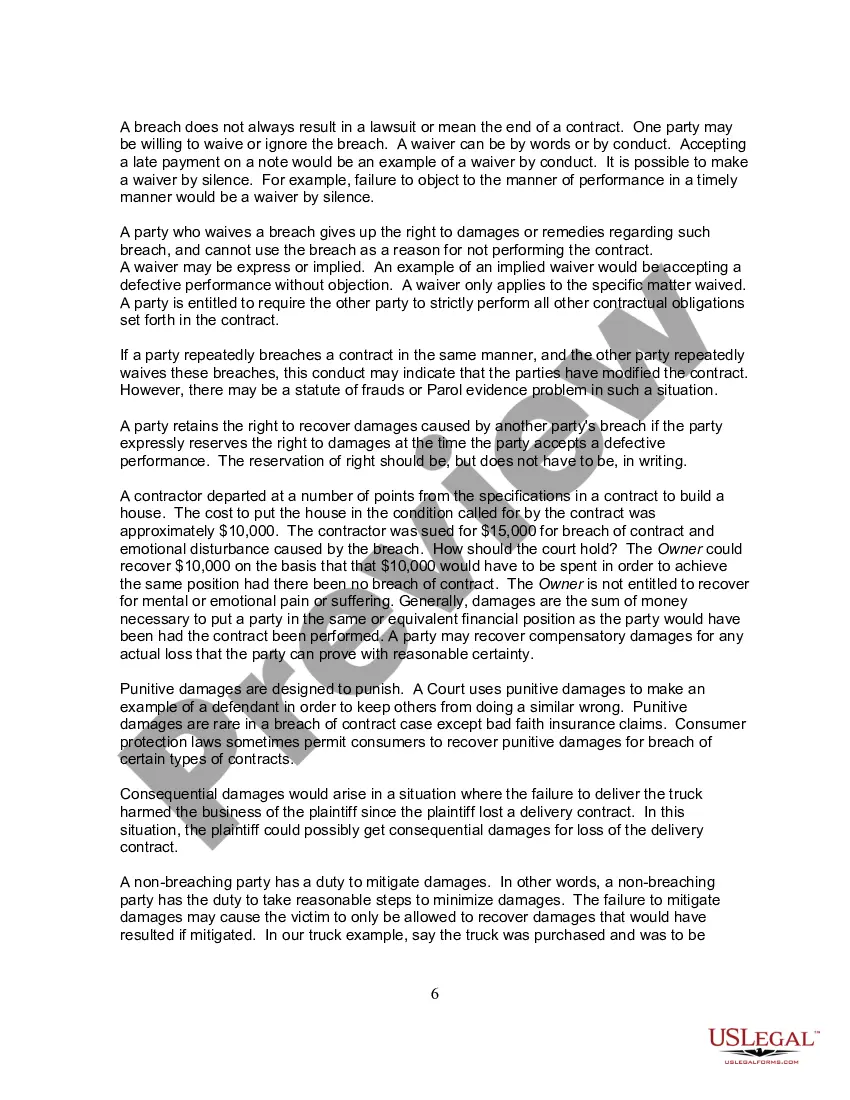
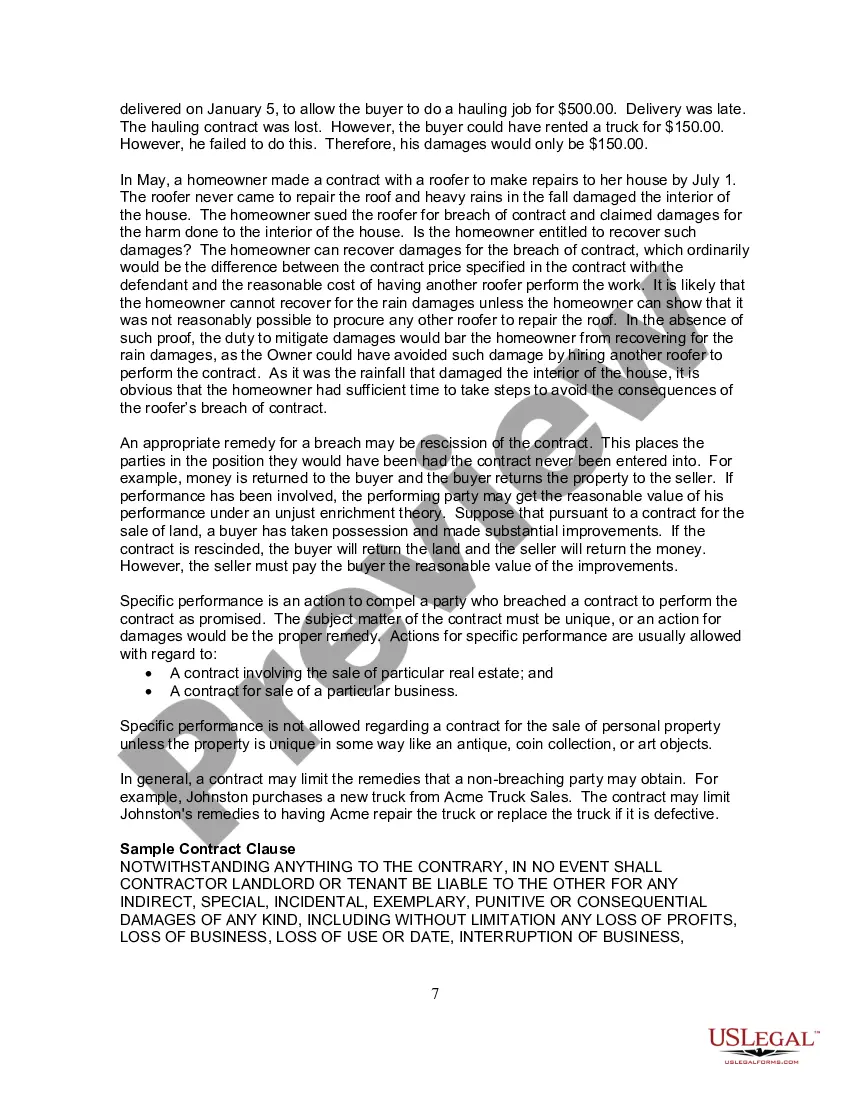
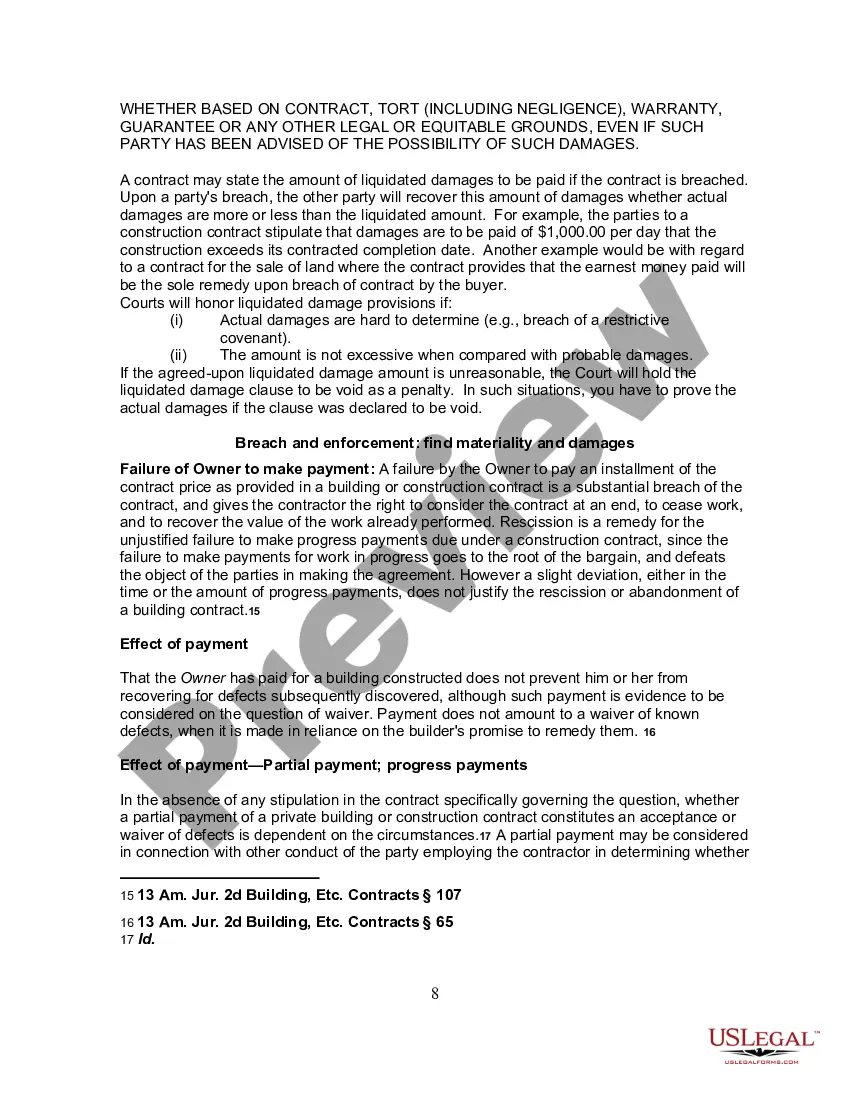
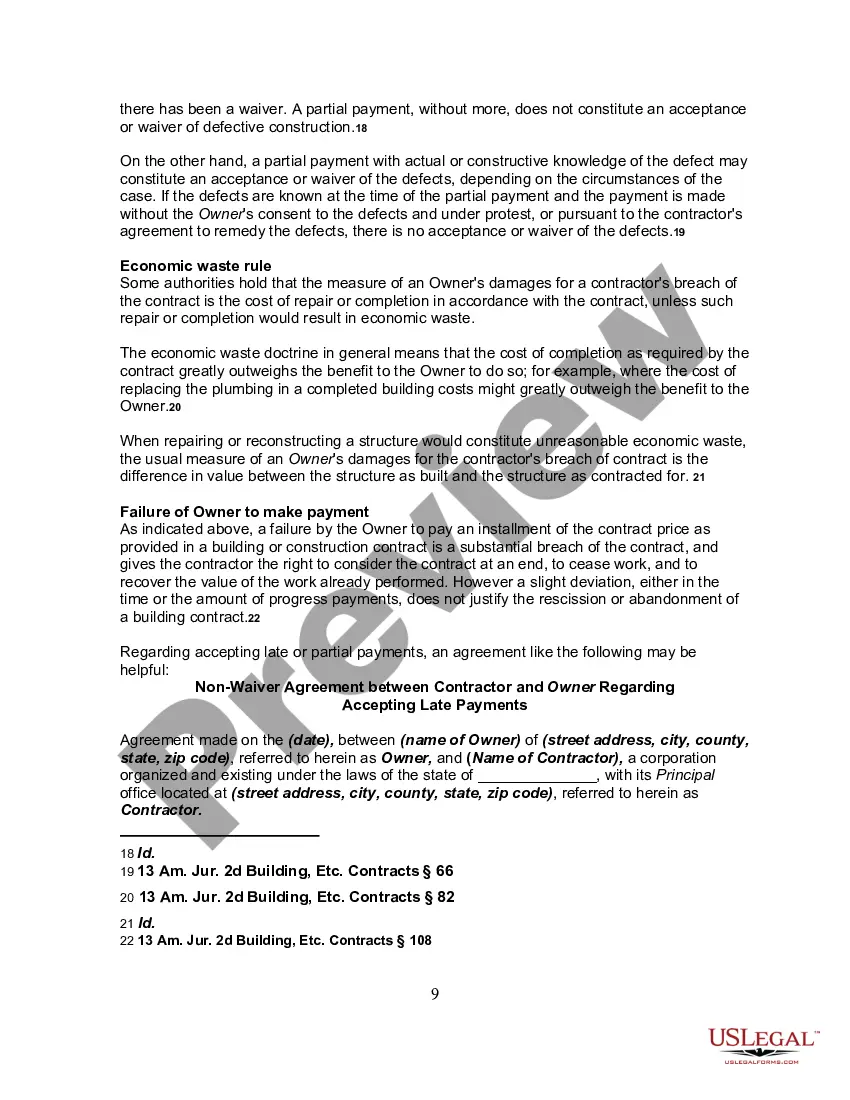

Get your form ready online
Our built-in tools help you complete, sign, share, and store your documents in one place.
Make edits, fill in missing information, and update formatting in US Legal Forms—just like you would in MS Word.
Download a copy, print it, send it by email, or mail it via USPS—whatever works best for your next step.
Sign and collect signatures with our SignNow integration. Send to multiple recipients, set reminders, and more. Go Premium to unlock E-Sign.
If this form requires notarization, complete it online through a secure video call—no need to meet a notary in person or wait for an appointment.
We protect your documents and personal data by following strict security and privacy standards.

Make edits, fill in missing information, and update formatting in US Legal Forms—just like you would in MS Word.

Download a copy, print it, send it by email, or mail it via USPS—whatever works best for your next step.

Sign and collect signatures with our SignNow integration. Send to multiple recipients, set reminders, and more. Go Premium to unlock E-Sign.

If this form requires notarization, complete it online through a secure video call—no need to meet a notary in person or wait for an appointment.

We protect your documents and personal data by following strict security and privacy standards.
Looking for another form?







Form popularity
FAQ
A valid contract; Performance of the duties indicated by the contract; Failure to perform the duties stipulated by the contract; and. Damages caused by a party's failure to perform those duties.
First, one must prove that you and the party entered into a contract. Secondly, it is important to prove that your ends of the contract were either fulfilled or waived. If you have an unfulfilled obligation, problems may arise.
Section 2305.06 | Contract in writing. Except as provided in sections 126.301, 1302.98, 1303.16, 1345.10, and 2305.04 of the Revised Code, an action upon a specialty or an agreement, contract, or promise in writing shall be brought within six years after the cause of action accrued.
You can file a lawsuit to recover your damages. You begin by filing a complaint in the appropriate civil court. A complaint is a technical legal document that describes the problem and explains the case to the judge and the other party. The complaint must then be served, i.e., delivered to the defendant.
An offer; Mutual acceptance of the terms of the contract; A meeting of the minds on accepted terms; and. Mutual intent that the contract is legally binding.
The basic elements required for the agreement to be a legally enforceable contract are: mutual assent, expressed by a valid offer and acceptance; adequate consideration; capacity; and legality. In some states, elements of consideration can be satisfied by a valid substitute.
If you decide to pursue a claim for breach of contract, you will need evidence of the breach. It is therefore crucial to collate and retain all relevant evidence. You should take photographs of any defective goods as soon as they are received. If possible, speak to witnesses and make a note of their recollection.
The four elements required to prove such a claim are: A valid contract. Performance (doing what the contract stipulates) The defendant's failure to perform what the contract stipulates. Damages caused by the breach of contract.
How? Generally, to be legally valid, most contracts must contain two elements: All parties must agree about an offer made by one party and accepted by the other. Something of value must be exchanged for something else of value.
Choice of law clause, also known as a governing law clause, that allows the contracting parties to choose the substantive law of Ohio to apply to the contract.
