Legislation For Construction In Nevada
Description












Get your form ready online
Our built-in tools help you complete, sign, share, and store your documents in one place.
Make edits, fill in missing information, and update formatting in US Legal Forms—just like you would in MS Word.
Download a copy, print it, send it by email, or mail it via USPS—whatever works best for your next step.
Sign and collect signatures with our SignNow integration. Send to multiple recipients, set reminders, and more. Go Premium to unlock E-Sign.
If this form requires notarization, complete it online through a secure video call—no need to meet a notary in person or wait for an appointment.
We protect your documents and personal data by following strict security and privacy standards.

Make edits, fill in missing information, and update formatting in US Legal Forms—just like you would in MS Word.

Download a copy, print it, send it by email, or mail it via USPS—whatever works best for your next step.

Sign and collect signatures with our SignNow integration. Send to multiple recipients, set reminders, and more. Go Premium to unlock E-Sign.

If this form requires notarization, complete it online through a secure video call—no need to meet a notary in person or wait for an appointment.

We protect your documents and personal data by following strict security and privacy standards.
Looking for another form?


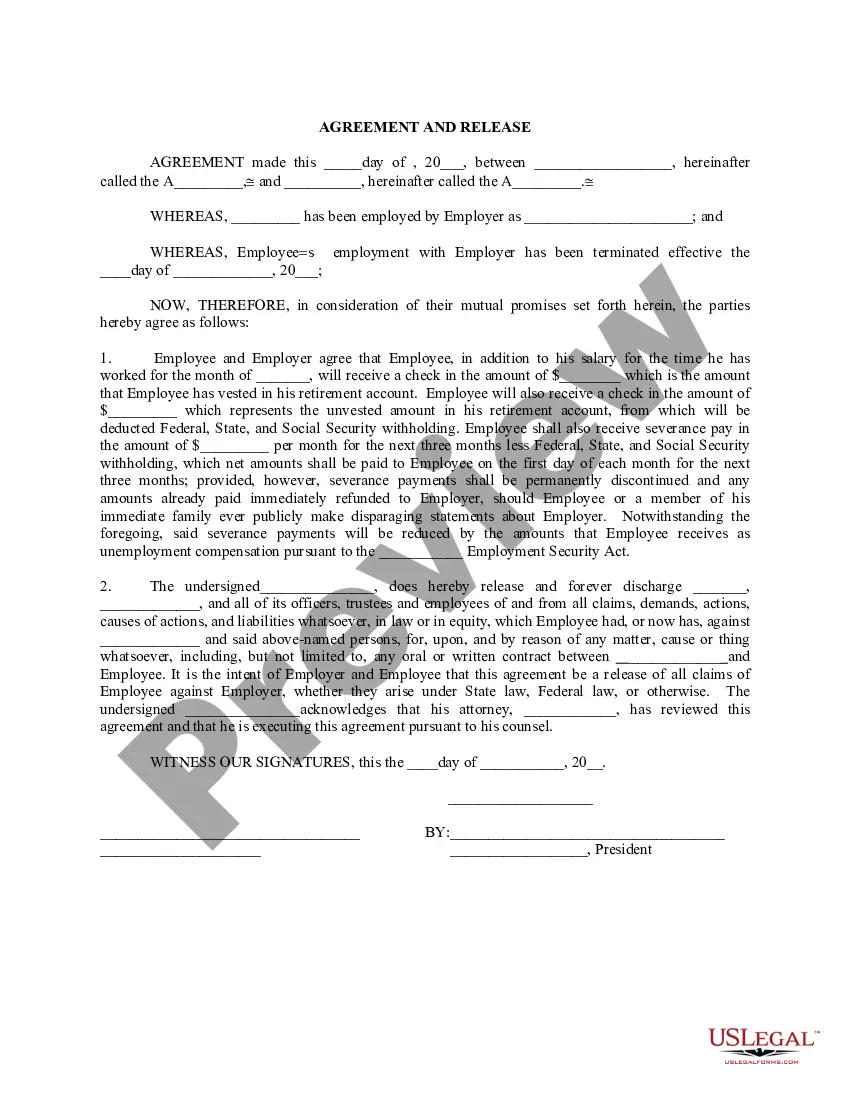






Form popularity
FAQ
David Behar became the Nevada State Contractors Board Executive Officer in August 2024 following unanimous approval by the Board.
Work to repair or maintain property valued at less than $1,000, including labor and materials, unless certain conditions apply (e.g., building permit required, type of work, contractor's license). Sale or installation of finished products or materials that do not become a permanent fixed part of a structure.
All businesses or individuals who construct or alter any building, highway, road, parking facility, railroad, excavation, or other structure in Nevada must be licensed by the Nevada State Contractors Board. Contractors, including subcontractors and specialty contractors must be licensed before submitting bids.
How to Get a Nevada Contractor License Cover Pre-licensing Requirements. Obtain a Nevada Business ID Application. Choose a Nevada Contractor License Classification. Complete Your License Application. Pass a License Examination, Submit a Surety Bond and Insurance. Nevada Contractor License Bond Requirement.
BOTTOM LINE: Business owners and independent contractors need to secure a valid Nevada business license or an exemption to the state business license prior to conducting any business activity.
To become a licensed contractor in Nevada: Register your business at SilverFlume, Nevada's business portal. Apply for a license with the Nevada State Contractors Board. Pass the contractor trade and management exams. Get contractor business insurance and fulfill the state's bond requirements.
Work experience: The applicant must have at least four years of experience in the classification being applied. All four years must have occurred within the last 10 years preceding the application. College or university training may satisfy a portion of the required experience.
RMO License One of the most common, and often easiest ways that people without any prior experience can gain access to a contractor license is by utilizing either an “RMO” or “RME.”
In Nevada, there are three statutes of limitation relative to construction defect cases: Six years from substantial completion: patent defects. Eight years from substantial completion: latent defects. Ten years from substantial completion: known defects.
