Legal Construction Time In Fairfax
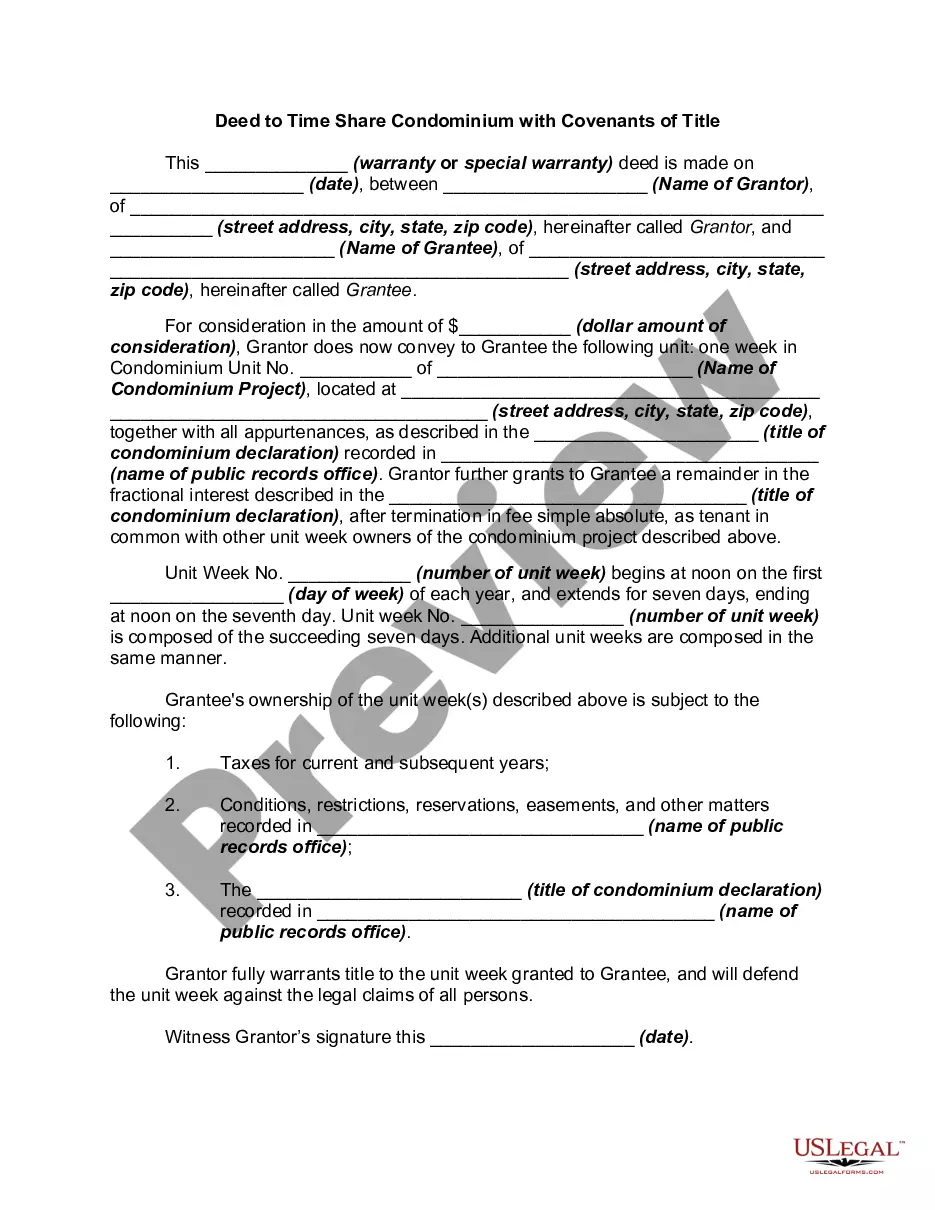
Description












Get your form ready online
Our built-in tools help you complete, sign, share, and store your documents in one place.
Make edits, fill in missing information, and update formatting in US Legal Forms—just like you would in MS Word.
Download a copy, print it, send it by email, or mail it via USPS—whatever works best for your next step.
Sign and collect signatures with our SignNow integration. Send to multiple recipients, set reminders, and more. Go Premium to unlock E-Sign.
If this form requires notarization, complete it online through a secure video call—no need to meet a notary in person or wait for an appointment.
We protect your documents and personal data by following strict security and privacy standards.

Make edits, fill in missing information, and update formatting in US Legal Forms—just like you would in MS Word.

Download a copy, print it, send it by email, or mail it via USPS—whatever works best for your next step.

Sign and collect signatures with our SignNow integration. Send to multiple recipients, set reminders, and more. Go Premium to unlock E-Sign.

If this form requires notarization, complete it online through a secure video call—no need to meet a notary in person or wait for an appointment.

We protect your documents and personal data by following strict security and privacy standards.
Looking for another form?








Form popularity
FAQ
Fairfax County is required to enforce the Virginia Uniform Statewide Building Code (USBC) and the Statewide Fire Prevention Code (SFPC). Both codes are administered by the Virginia Department of Housing and Community Development and reference the International Codes as published by the International Code Council.
Installations or alterations involving (i) the removal or addition of any wall, partition, or portion thereof; (ii) any structural component; (iii) the repair or replacement of any required component of a fire or smoke rated assembly; (iv) the alteration of any required means of egress system, including the addition or ...
A permit remains valid for as long as the work is proceeding, and an inspection is performed within the last 6 months. If the work is halted or abandoned for a period of at least 6 months, the permit may be suspended. Extensions may be granted by the Building Commissioner.
Replacement of mechanical appliances that are not fueled by gas or oil. Replacement of plumbing fixtures without alterations or relocation. Replacement of roof coverings or siding in Single Family Dwellings. Replacement of windows and doors (same size) in Single Family Dwellings.
The Fairfax County Zoning Ordinance is Chapter 112 of the County Code. It is the means of implementing the Comprehensive Plan that regulates land use and structures and creates distinct districts for land uses.
Compliance with a notice of violation notwithstanding, the building official may request legal proceedings be instituted for prosecution when a person, firm or corporation is served with three or more notices of violation within one calendar year for failure to obtain a required construction permit prior to ...
Such permit, except a motorcycle learner's permit, shall be valid until the holder thereof either is issued a driver's license as provided for in this chapter or no longer meets the qualifications for issuance of a learner's permit as provided in this section. Motorcycle learner's permits shall be valid for 12 months.
Most local ordinances include "quiet times." A typical ordinance prohibits loud noises between 11 p.m. and 7 or 8 a.m. on weekdays and 11 p.m. or midnight until 8 to 10 a.m. on Sundays and holidays. It is worthwhile to check your local ordinance before making formal complaint so that you can cite the law.
Section 108.1-4-2. - Sound generation. MAXIMUM SOUND LEVELS Use and Zoning District ClassificationTime of Day Residential Areas (as defined herein) in Residential Districts 7 a.m. to 10 p.m. Residential Areas (as defined herein) in Residential Districts 10 p.m. to 7 a.m. Non-Residential Areas in Residential Districts All5 more rows
Activities related to the construction, repair, maintenance, remodeling or demolition, grading or other improvement of real property between 7 a.m. and 9 p.m., provided that such activity does not exceed 90 dBA in residential areas, and it shall be a violation of this Chapter to commence such activity before 9 a.m. on ...
