Rules For Document Retention In Georgia
Description

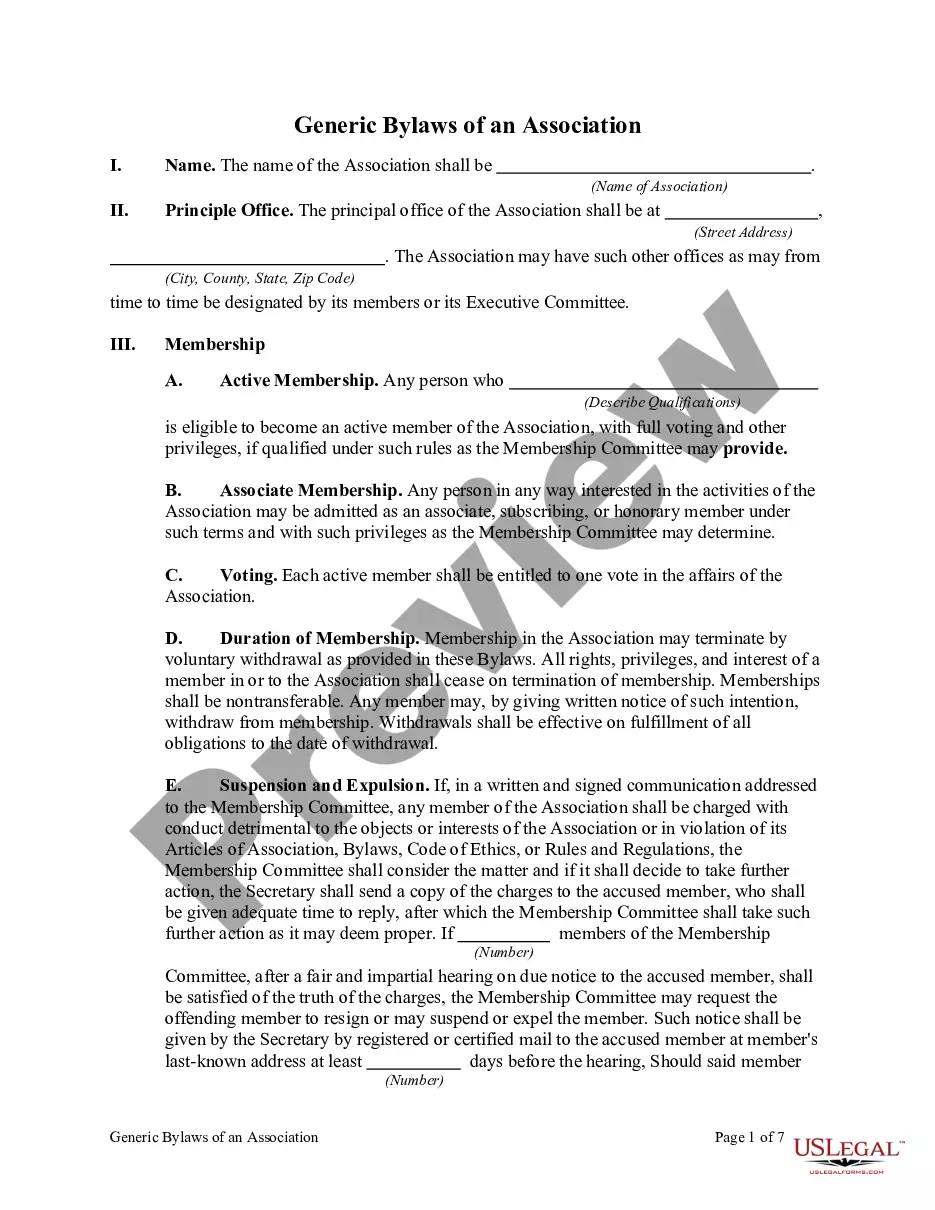
Get your form ready online
Our built-in tools help you complete, sign, share, and store your documents in one place.
Make edits, fill in missing information, and update formatting in US Legal Forms—just like you would in MS Word.
Download a copy, print it, send it by email, or mail it via USPS—whatever works best for your next step.
Sign and collect signatures with our SignNow integration. Send to multiple recipients, set reminders, and more. Go Premium to unlock E-Sign.
If this form requires notarization, complete it online through a secure video call—no need to meet a notary in person or wait for an appointment.
We protect your documents and personal data by following strict security and privacy standards.

Make edits, fill in missing information, and update formatting in US Legal Forms—just like you would in MS Word.

Download a copy, print it, send it by email, or mail it via USPS—whatever works best for your next step.

Sign and collect signatures with our SignNow integration. Send to multiple recipients, set reminders, and more. Go Premium to unlock E-Sign.

If this form requires notarization, complete it online through a secure video call—no need to meet a notary in person or wait for an appointment.

We protect your documents and personal data by following strict security and privacy standards.
Looking for another form?









Form popularity
FAQ
The Georgia Records Act requires agencies to manage their official records and includes the retention of both paper and electronic records which are necessary for the conduct of agency business.
The state of Georgia has traditionally been an “attorney-closing state,” meaning that only licensed attorneys may conduct the settlement at which closing documents are signed.
Georgia's deadline for filing a legal malpractice claim generally is 4 years. The law as to WHEN that four years begins to run is complicated, and you should contact an attorney for advice regarding the specific facts of your claim.
The ethics rules don't require a lawyer to keep closed files for any particular length of time. The exception is trust account records. Rule 1.15(I) does require that a lawyer keep trust account records for at least six years after the case is over.
The employer must maintain the record for at least seven years and then properly dispose of the record. Likewise, Georgia law requires that employers maintain all employment records, including applications and other materials relating to prospective employees, even if not hired, for 2 years.
The deadline for filing a personal injury lawsuit in Georgia is generally two years, per O.C.G.A. § 9-3-33.
Record Retention Schedule for Businesses DocumentRetention Period Contracts and leases (expired) 7 years Correspondence, general 2 years Correspondence, legal and tax related Permanently Deeds, mortgages and bills of sale Permanently36 more rows
On the Data lifecycle management page, click the Retention policies tab, then click New retention policy. In the Name field, give your new retention policy a descriptive name. Choose the type of retention policy: adaptive or static. Decide if you want to retain content, delete it, or both.
