Contract Law Deals With
Description












Get your form ready online
Our built-in tools help you complete, sign, share, and store your documents in one place.
Make edits, fill in missing information, and update formatting in US Legal Forms—just like you would in MS Word.
Download a copy, print it, send it by email, or mail it via USPS—whatever works best for your next step.
Sign and collect signatures with our SignNow integration. Send to multiple recipients, set reminders, and more. Go Premium to unlock E-Sign.
If this form requires notarization, complete it online through a secure video call—no need to meet a notary in person or wait for an appointment.
We protect your documents and personal data by following strict security and privacy standards.

Make edits, fill in missing information, and update formatting in US Legal Forms—just like you would in MS Word.

Download a copy, print it, send it by email, or mail it via USPS—whatever works best for your next step.

Sign and collect signatures with our SignNow integration. Send to multiple recipients, set reminders, and more. Go Premium to unlock E-Sign.

If this form requires notarization, complete it online through a secure video call—no need to meet a notary in person or wait for an appointment.

We protect your documents and personal data by following strict security and privacy standards.
Looking for another form?
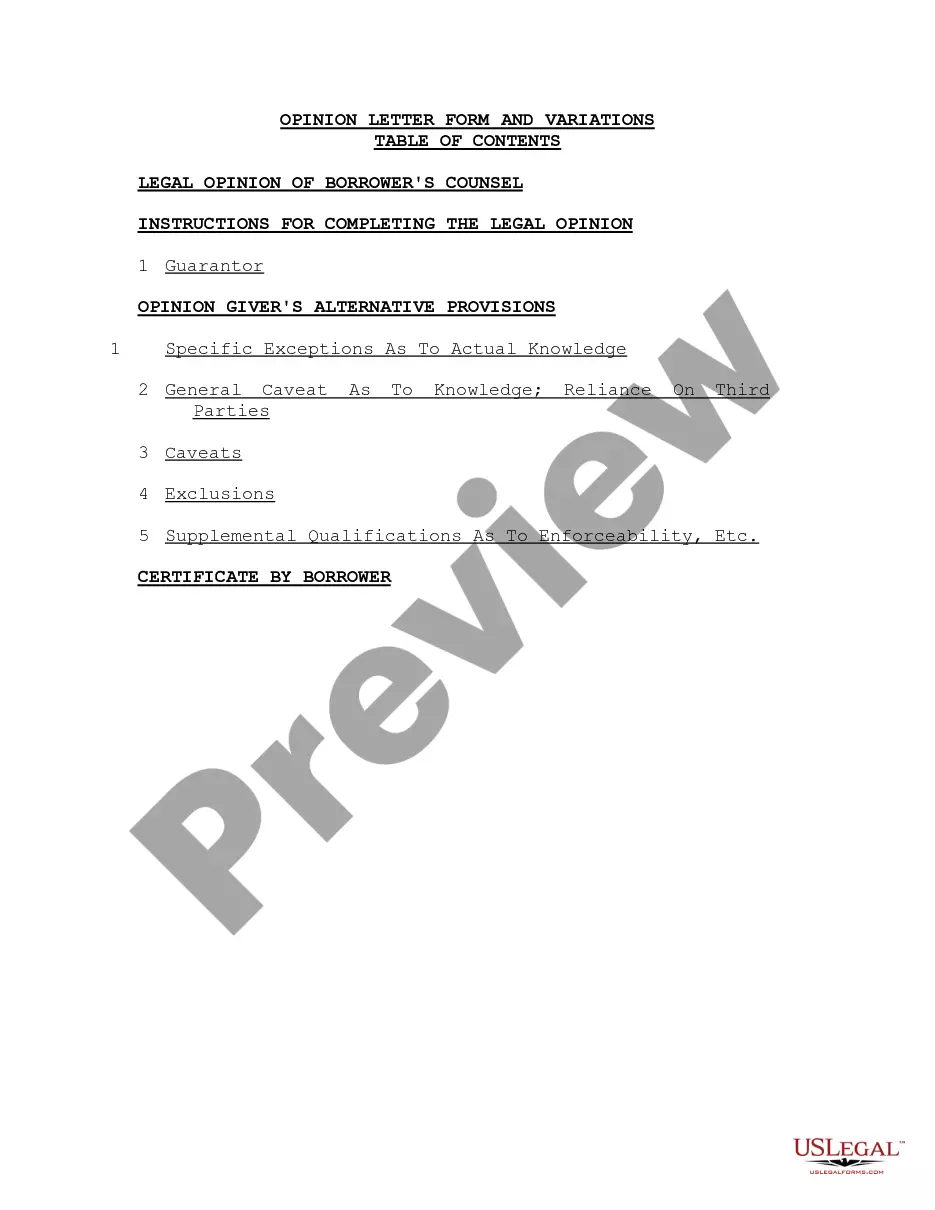
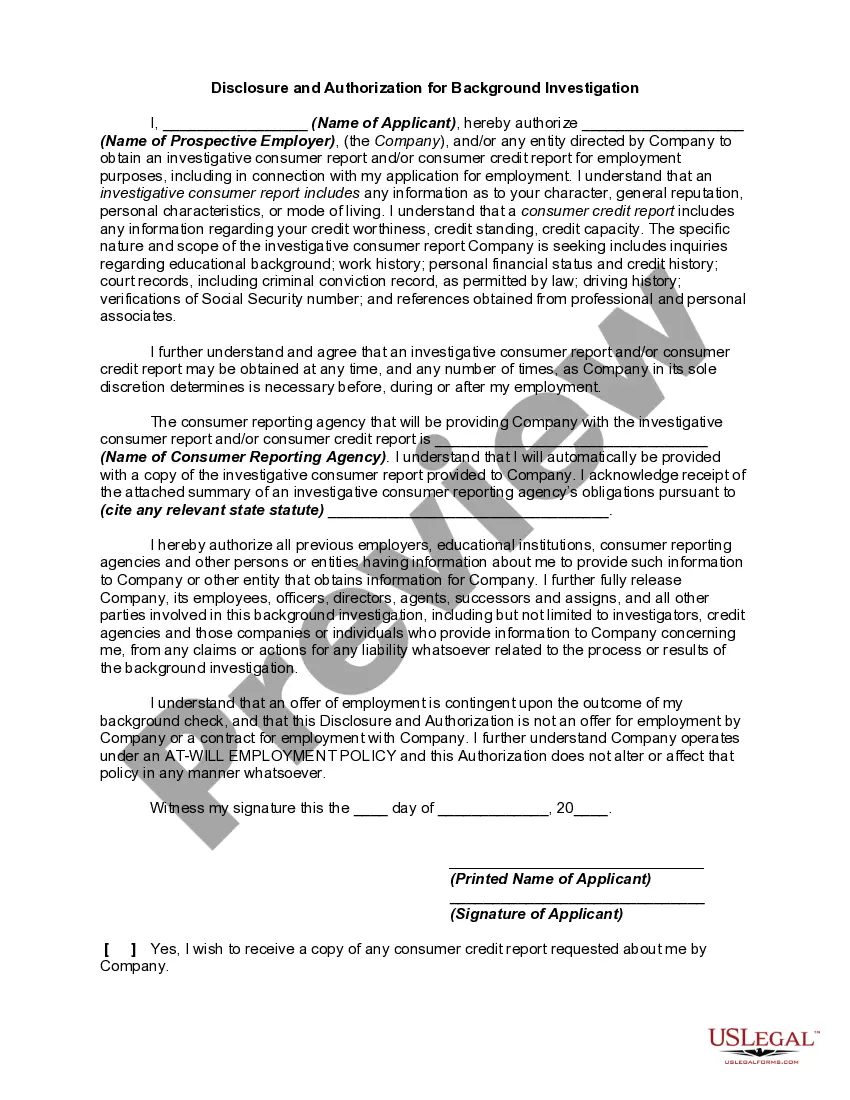
How to fill out Contracting And Construction Law Handbook?
It's well known that you cannot become a legal specialist overnight, nor can you quickly understand how to efficiently prepare Contract Law Deals With without a specific skill set.
Compiling legal documents is a lengthy undertaking that necessitates particular training and expertise. Therefore, why not entrust the generation of the Contract Law Deals With to the experts.
With US Legal Forms, which boasts one of the broadest legal document repositories, you can find everything from court documents to templates for in-office correspondence. We recognize the significance of compliance and adherence to both federal and state regulations.
You can access your forms again from the My documents tab at any time. If you’re an existing client, you can simply Log In, and find and download the template from the same tab.
Regardless of the intention behind your documents—whether it’s financial, legal, or personal—our website is here to assist you. Give US Legal Forms a try now!
- Locate the document you require using the search bar at the top of the page.
- View a preview (if this feature is available) and examine the supporting description to determine if Contract Law Deals With meets your needs.
- Initiate your search again if you require a different template.
- Create a free account and select a subscription plan to acquire the form.
- Select Buy now. Once the payment is finalized, you can download the Contract Law Deals With, fill it out, print it, and forward or mail it to the relevant individuals or organizations.
Form popularity
FAQ
What is a UCC-1? A UCC-1 is a ?financing statement? filed to provide notice that a creditor has a security interest in a debtor's personal property. It is not an agreement. It is just notice to the world that one person claims an interest in someone else's property, usually as collateral for a debt.
While it won't damage your credit scores, a UCC filing can impact your ability to obtain credit in the future.
A security agreement creates the security interest, making it enforceable between the secured party and the debtor. A UCC-1 financing statement neither creates a security interest nor does it alter its scope; it only gives notice of the security interest to third parties.
A UCC financing statement is effective for a period of five (5) years. A financing statement lapses or terminates at the end of the five-year period. A continuation statement can be filed to extend the lapse date if it is filed within six (6) months before the security interest expires.
Uniform Commercial Code (UCC) filings allow creditors to notify other creditors about a debtor's assets used as collateral for a secured transaction. UCC liens filed with Secretary of State offices act as a public notice by the "creditor" of the creditor's interest in the property.
Our online search ( ) displays summary information about a financing statement (debtors, secured parties, dates). Information Requests (UCC11) can now be submitted online and as soon as payment is complete, you are able to retrieve a . pdf file of the images.
Our online search ( ) displays summary information about a financing statement (debtors, secured parties, dates). Information Requests (UCC11) can now be submitted online and as soon as payment is complete, you are able to retrieve a . pdf file of the images.
If you have not filed a UCC-1, then you are considered unsecured, and as such, you are placed in the ?back of the line,? behind the secured creditors. Secured creditors are taken care of first in the division of assets.