Law On Construction Philippines In Clark
Description


Get your form ready online
Our built-in tools help you complete, sign, share, and store your documents in one place.
Make edits, fill in missing information, and update formatting in US Legal Forms—just like you would in MS Word.
Download a copy, print it, send it by email, or mail it via USPS—whatever works best for your next step.
Sign and collect signatures with our SignNow integration. Send to multiple recipients, set reminders, and more. Go Premium to unlock E-Sign.
If this form requires notarization, complete it online through a secure video call—no need to meet a notary in person or wait for an appointment.
We protect your documents and personal data by following strict security and privacy standards.

Make edits, fill in missing information, and update formatting in US Legal Forms—just like you would in MS Word.

Download a copy, print it, send it by email, or mail it via USPS—whatever works best for your next step.

Sign and collect signatures with our SignNow integration. Send to multiple recipients, set reminders, and more. Go Premium to unlock E-Sign.

If this form requires notarization, complete it online through a secure video call—no need to meet a notary in person or wait for an appointment.

We protect your documents and personal data by following strict security and privacy standards.
Looking for another form?





Form popularity
FAQ
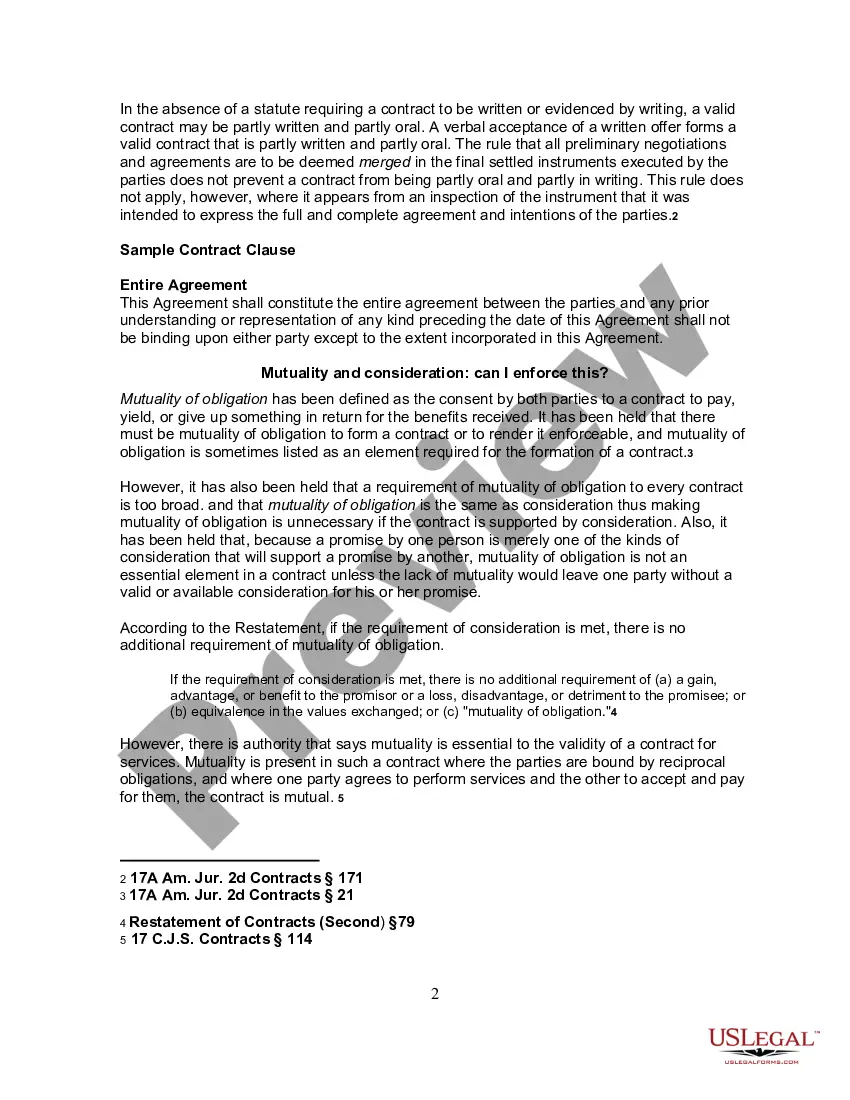
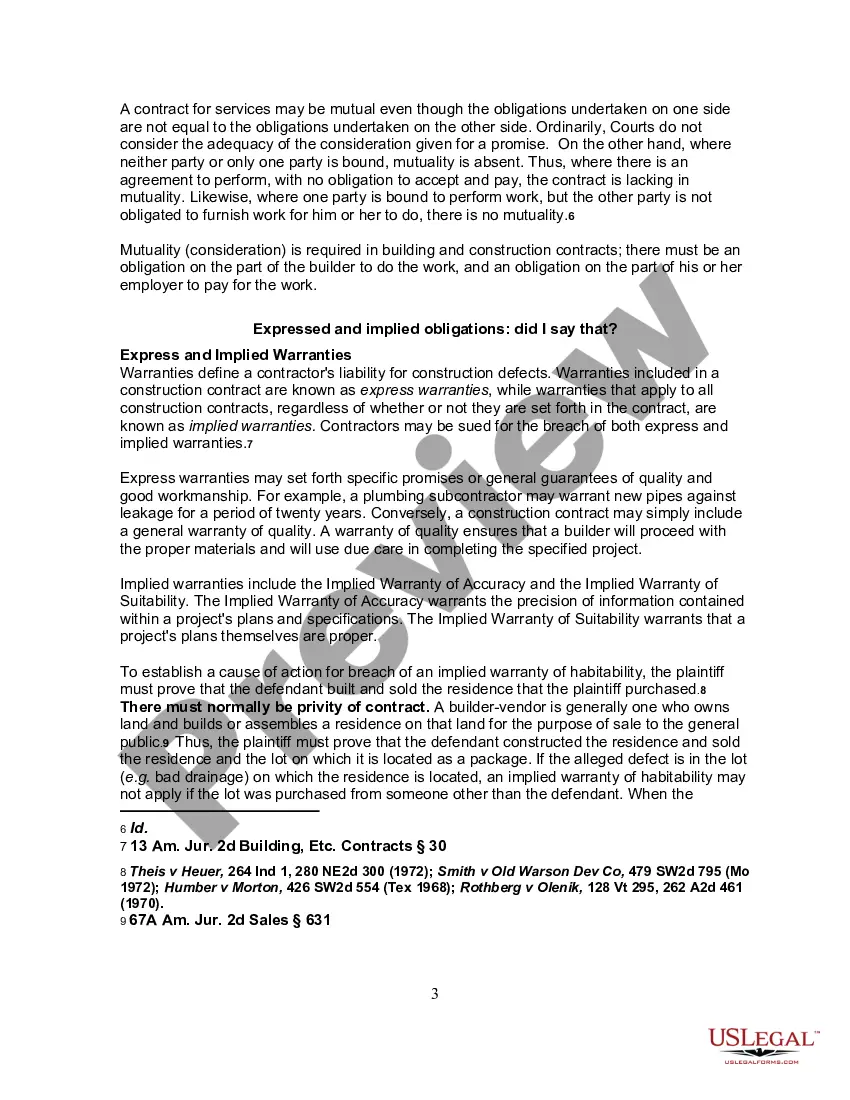
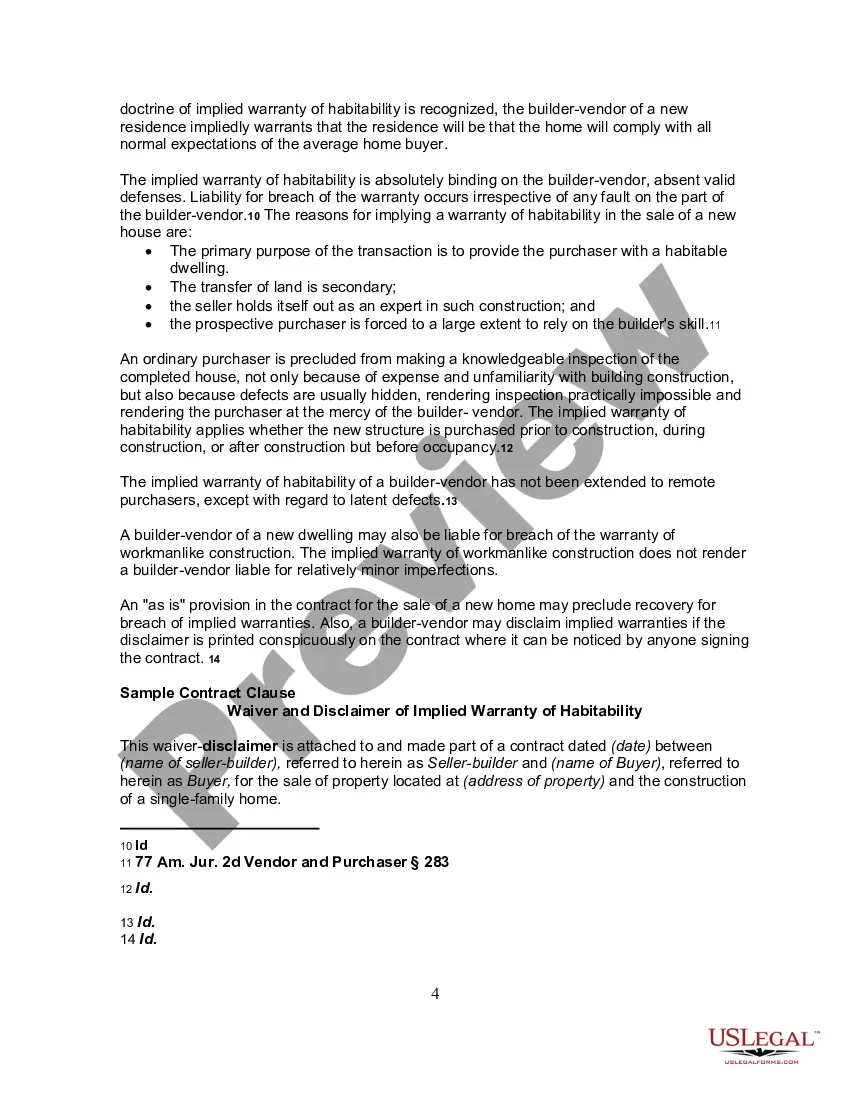
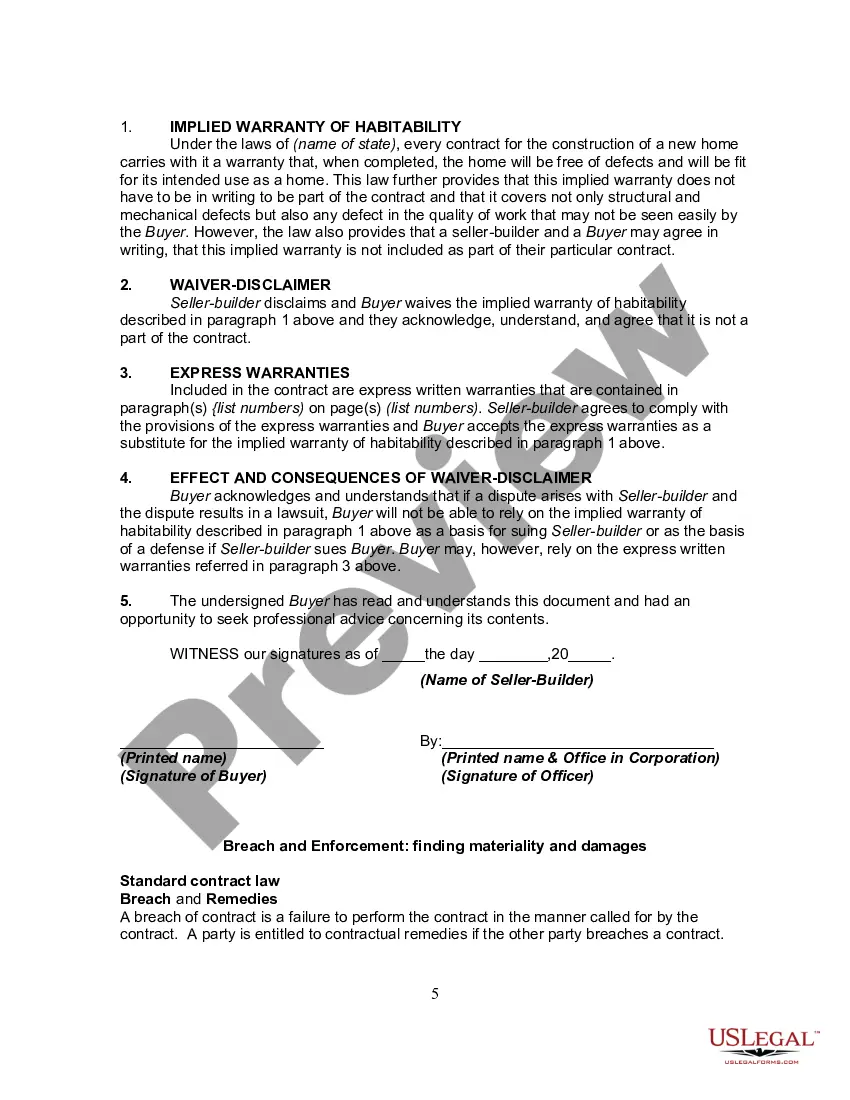
In the Philippines, a construction contract is governed by the general principles of contract law as stated in the Civil Code. The contract must have the essential elements of consent, object, and cause: Consent: Both parties must mutually agree on the terms and conditions of the contract.
(3) Type III – Type III buildings shall be of masonry and wood construction. Structural elements may be any of the materials permitted by this Code: Provided, that the building shall be one-hour fire-resistive throughout. Exterior walls shall be of incombustible fire-resistive construction.
Administrative Complaints - Complaints may also be filed with regulatory bodies such as the Philippine Contractors Accreditation Board (PCAB) if the issue involves construction standards or violations in construction contracts.
The Contractor's License Law covers individuals, firms, partnerships, corporations, associations or other organizations, who undertake or offer to undertake or purport to have the capacity to undertake or submit a bid to, or does himself or by or through others, construct, alter, repair, add to, subtract from, improve, ...
Sheds, outhouses, greenhouses, children's playhouses, aviaries, poultry houses and the like, not exceeding 6.00 sq. meters in total area, provided they are completely detached from any other building and are intended only for the private use of the owner.
REQUIREMENTS FOR SECURING A BUILDING PERMIT: 5 Copies of Building Permit Form – Duly Notarized. Ancillary Permit Forms: 5 Copies of Architectural Permit. 5 Copies of Civil/Structural Permit. 5 Copies of Electrical Permit. 5 Copies of Plumbing/Sanitary Permit. 5 Copies of Mechanical Permit. 5 Copies of Electronics Permit.
Definitions. a written authorization granted by the LBO to an applicant allowing him to proceed with the construction of a specific project after plans, specifications, and other pertinent documents have been found to be in conformity with the National Building Code (PD 1096).
The Construction Industry Authority of the Philippines (CIAP) was created on 28 November 1980 by virtue of Presidential Decree (PD) 1746. It promotes, accelerates, and regulates the construction industry..
Administrative Complaints - Complaints may also be filed with regulatory bodies such as the Philippine Contractors Accreditation Board (PCAB) if the issue involves construction standards or violations in construction contracts.
