Construction Law And Dispute Resolution In Chicago
Description












Get your form ready online
Our built-in tools help you complete, sign, share, and store your documents in one place.
Make edits, fill in missing information, and update formatting in US Legal Forms—just like you would in MS Word.
Download a copy, print it, send it by email, or mail it via USPS—whatever works best for your next step.
Sign and collect signatures with our SignNow integration. Send to multiple recipients, set reminders, and more. Go Premium to unlock E-Sign.
If this form requires notarization, complete it online through a secure video call—no need to meet a notary in person or wait for an appointment.
We protect your documents and personal data by following strict security and privacy standards.

Make edits, fill in missing information, and update formatting in US Legal Forms—just like you would in MS Word.

Download a copy, print it, send it by email, or mail it via USPS—whatever works best for your next step.

Sign and collect signatures with our SignNow integration. Send to multiple recipients, set reminders, and more. Go Premium to unlock E-Sign.

If this form requires notarization, complete it online through a secure video call—no need to meet a notary in person or wait for an appointment.

We protect your documents and personal data by following strict security and privacy standards.
Looking for another form?




Form popularity
FAQ
Possible Approaches The first three approaches to dispute resolution—problem solving, negotiation, and conciliation—are the most local and informal approaches and, therefore, the focus of this handbook. The success of informal dispute resolution depends on people being able to resolve a dispute themselves.
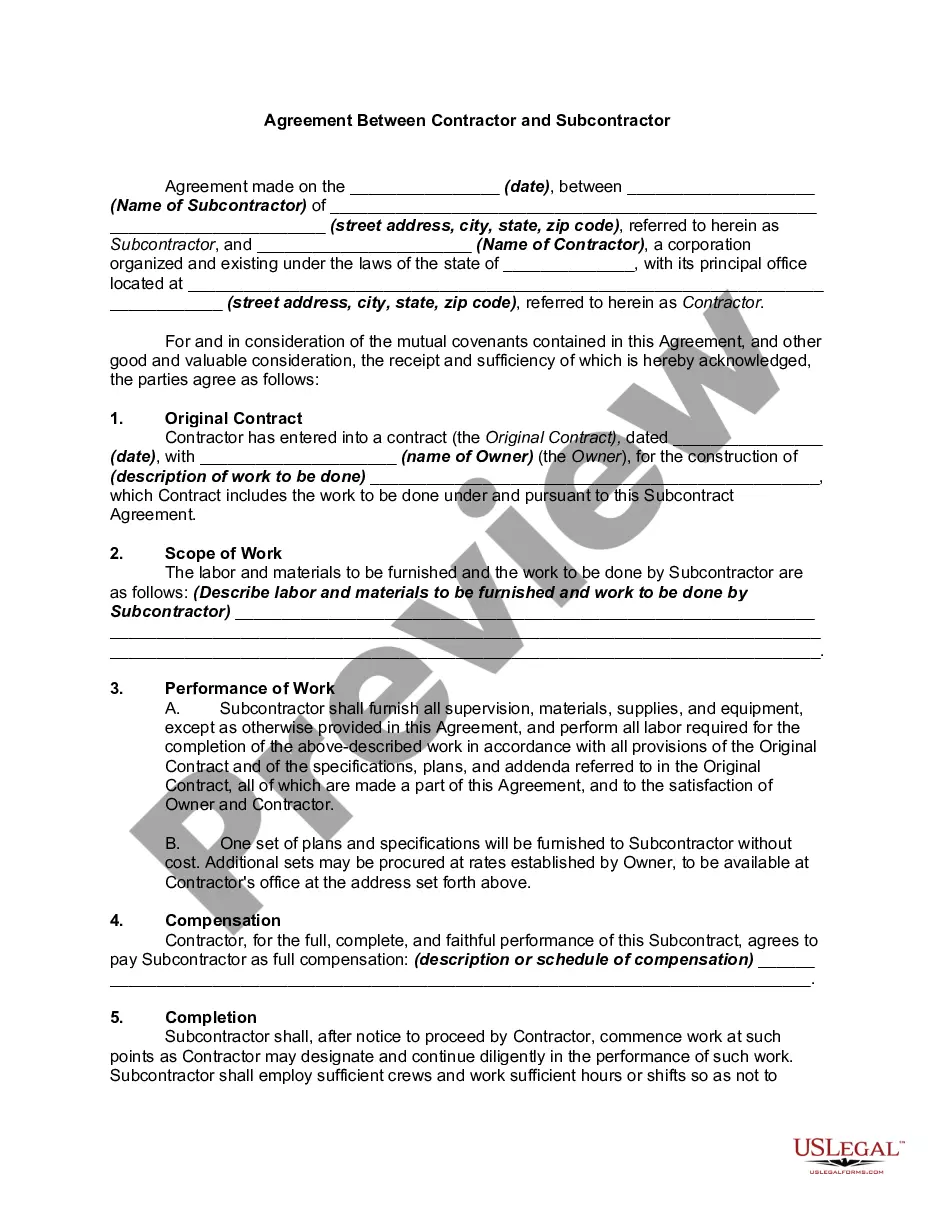
DISPUTE RESOLUTION If a dispute develops between the parties to this contract, the parties will submit to binding arbitration to address any controversy or claim arising out of, or relating to this contract or relating to any change orders or other changes or addendums to this contract.
Arbitration is the method contractors and lawyers prefer when it comes to dispute resolution. Most contractors list it as the way to address disputes in contractual terms. If the parties opt for arbitration, they must choose a neutral third party with the relevant experience to bring them to an amicable solution.
What is a construction dispute? Construction disputes are disagreements between the parties involved in a contract. They most commonly arise in an owner and a contractor relationship, but can also emerge from suppliers, subcontractors, real estate developers, and architects.
'Construction dispute resolution' is an umbrella term for the process used to deal with and settle a conflict that arises out of a project involving stakeholders to a construction contract – for example, property owners, suppliers, contractors and subcontractors.
The most common types of building contract dispute resolution include: Negotiation. Mediation. Arbitration. Adjudication. Expert Determination. Litigation; and. Alternative Dispute Resolution Clause.
Negotiation is the most common approach to resolving disputes, and it is less formal than arbitration or mediation and affords parties more flexibility. Effective negotiation can be an alternative to litigation, especially when parties are willing to work together in good faith.