Formularios Legales Formato In Maryland
Description



Get your form ready online
Our built-in tools help you complete, sign, share, and store your documents in one place.
Make edits, fill in missing information, and update formatting in US Legal Forms—just like you would in MS Word.
Download a copy, print it, send it by email, or mail it via USPS—whatever works best for your next step.
Sign and collect signatures with our SignNow integration. Send to multiple recipients, set reminders, and more. Go Premium to unlock E-Sign.
If this form requires notarization, complete it online through a secure video call—no need to meet a notary in person or wait for an appointment.
We protect your documents and personal data by following strict security and privacy standards.

Make edits, fill in missing information, and update formatting in US Legal Forms—just like you would in MS Word.

Download a copy, print it, send it by email, or mail it via USPS—whatever works best for your next step.

Sign and collect signatures with our SignNow integration. Send to multiple recipients, set reminders, and more. Go Premium to unlock E-Sign.

If this form requires notarization, complete it online through a secure video call—no need to meet a notary in person or wait for an appointment.

We protect your documents and personal data by following strict security and privacy standards.
Looking for another form?
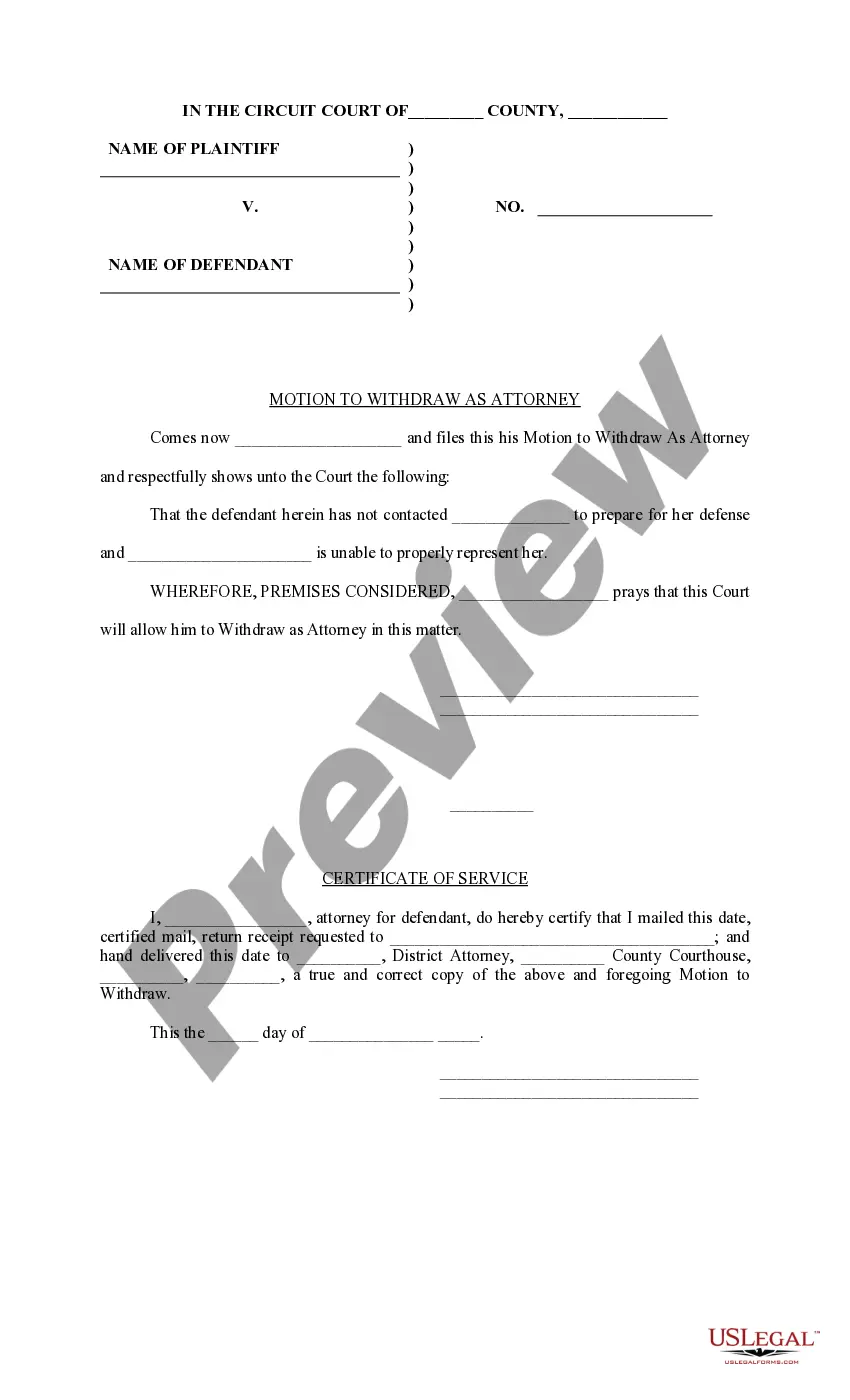



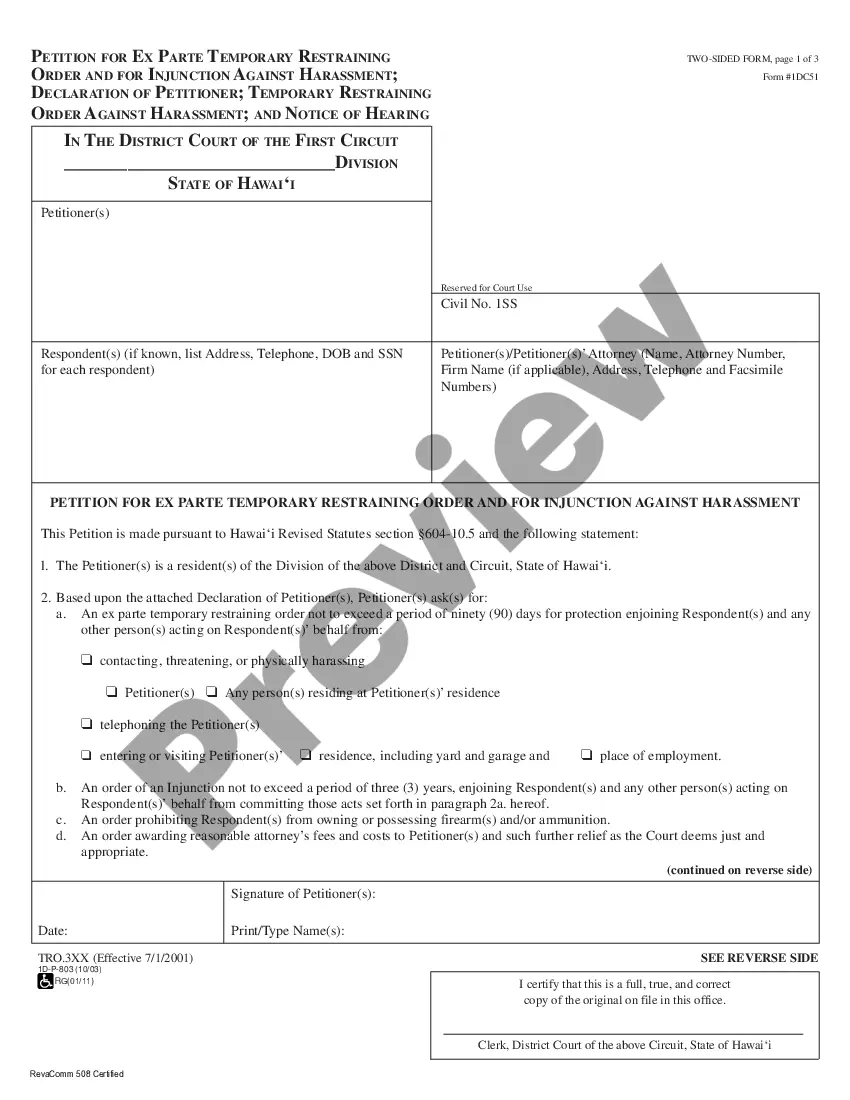



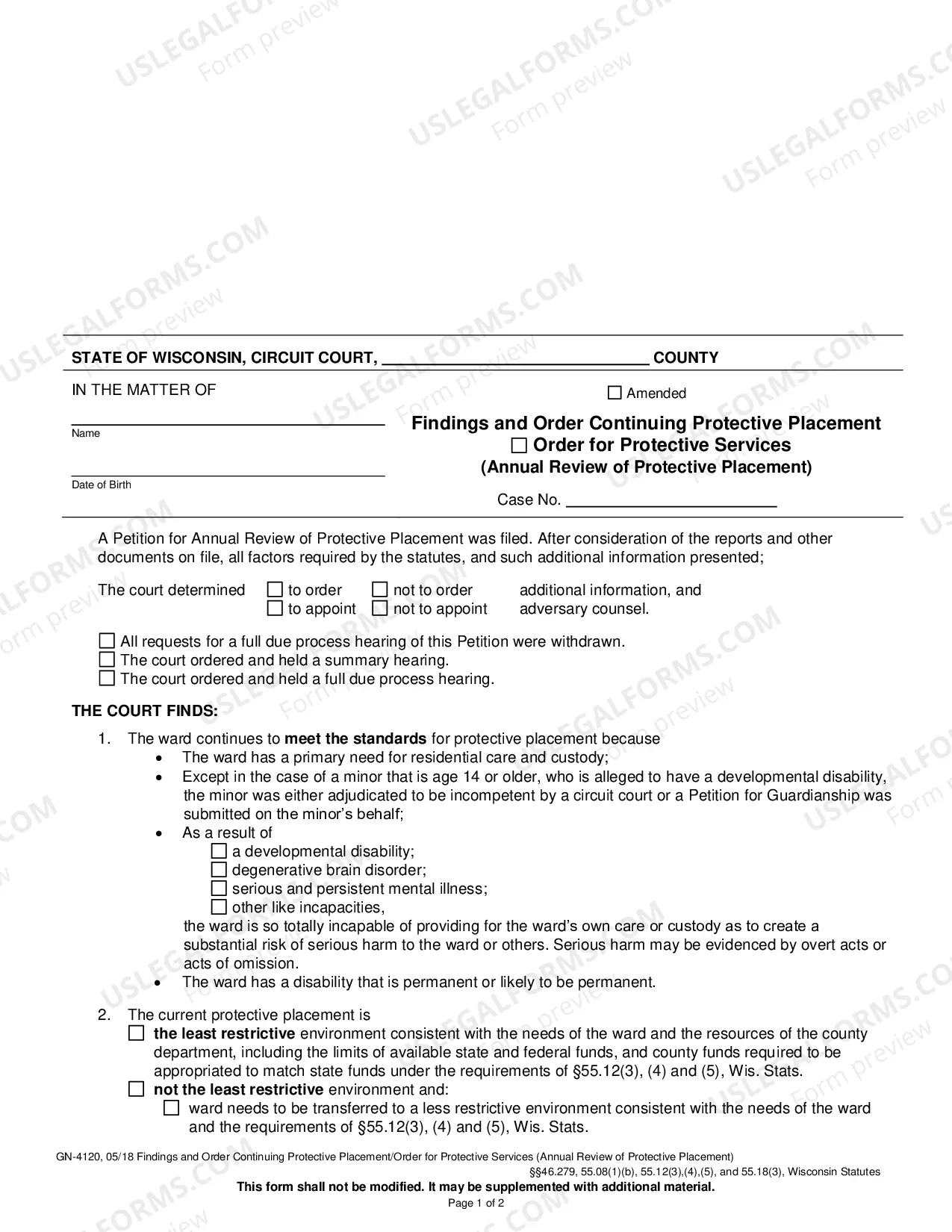
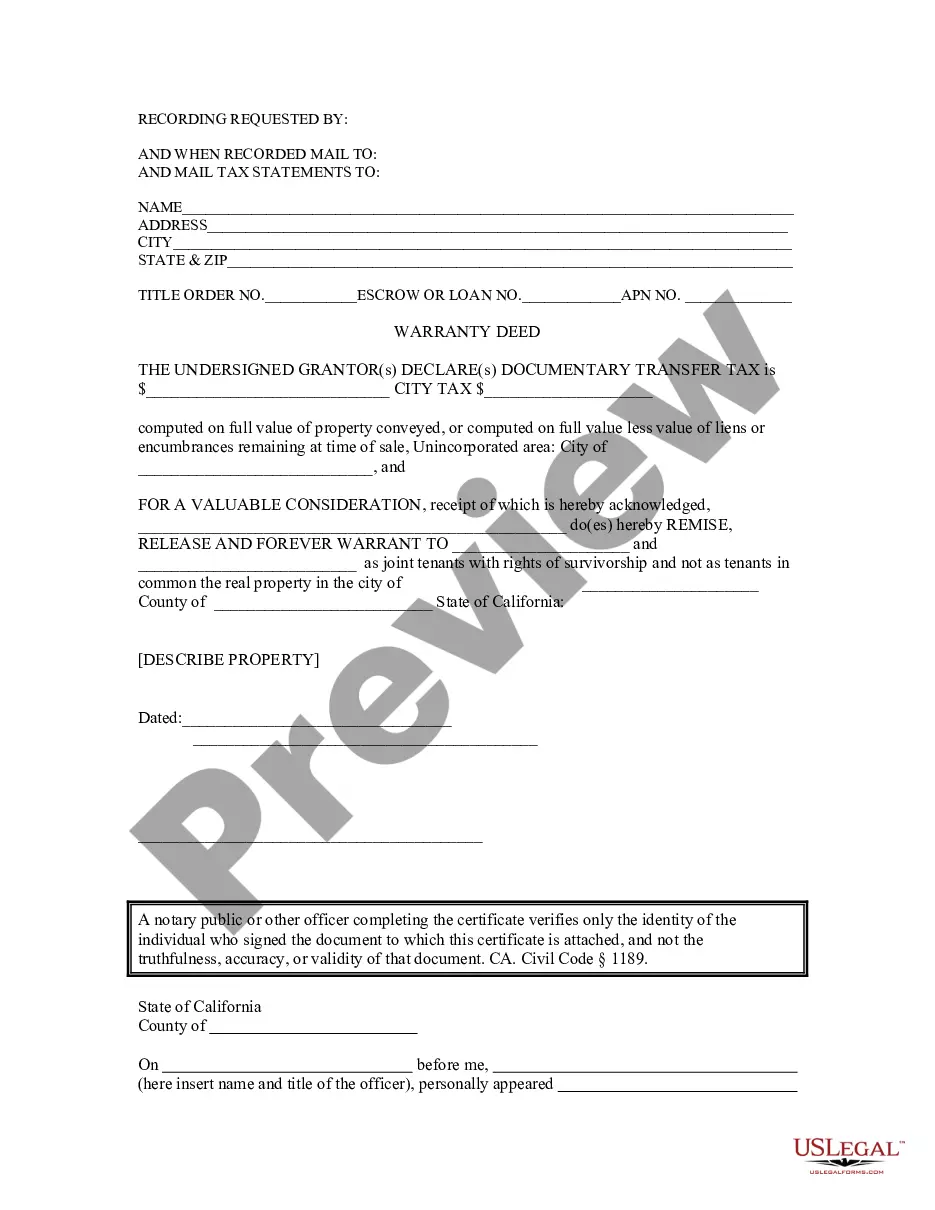
Form popularity
FAQ
If you need information about court records, there is a valuable on-line tool that can help. It's called Maryland Judiciary Case Search or just “Case Search.” To get started visit mdcourts/casesearch.
Enter the Case Number Enter your case number using one of the following formats: 99-12345. -cv-12345.
If you want to initiate or open a divorce case, use the Complaint/Counter-Complaint for Absolute Divorce (CC-DR-020) or Complaint/Counter-Complaint for Limited Divorce (CC-DR-021). If you want to respond to a divorce case that your spouse has opened, use the Answer (CC-DR-050) and Counter-Complaint (CC-DR-020/021).
Letters indicating case type are often skipped (-ap-123456 vs. -123456; C-07-04771 vs. 07-04771) Letters at the end of the number are usually local notes such as, e.g. the judge's initials, and are commonly skipped (-cv-123456-ABC-RZ vs.
A docket number may be composed of a number or letter indicating the court, a two-digit number to identify the year, the case type (either CV/cv for civil cases or CR/cr for criminal cases), a four- or five-digit case number, and the judge's initials.
The nature of the proceeding is abbreviated by a letter code. For example, “R” stands for a Rate case, and "RM" is a Rulemaking case. The letter code is then followed by the current year and the number of the case for that year.
If you choose to defend yourself, you must file the Notice of Intention to Defend, appearing on the bottom half of the summons. The Notice should be cut at the perforated line and returned to the court address listed at the top of the summons.
The affidavit should state: The name of the person served. The date of service. The location of service. The method of service (mail or hand delivery). A description of the person served, if served in person. How the person serving the papers knows the person served is of age.
Request a Subpoena Requests for the issuance of a subpoena must be made in writing and received by the OAH not less than fifteen (15) days prior to the scheduled hearing. The request should include the case name, OAH case number, hearing date, and the complete names and addresses of individuals to be subpoenaed.
A subpoena is a formal written order that requires a person to appear before a court, or other legal proceedings (such as a Congressional hearing), and testify, or produce documentation. Attorneys typically request subpoenas, which are issued by the court and served through mail, email, or personal delivery.
