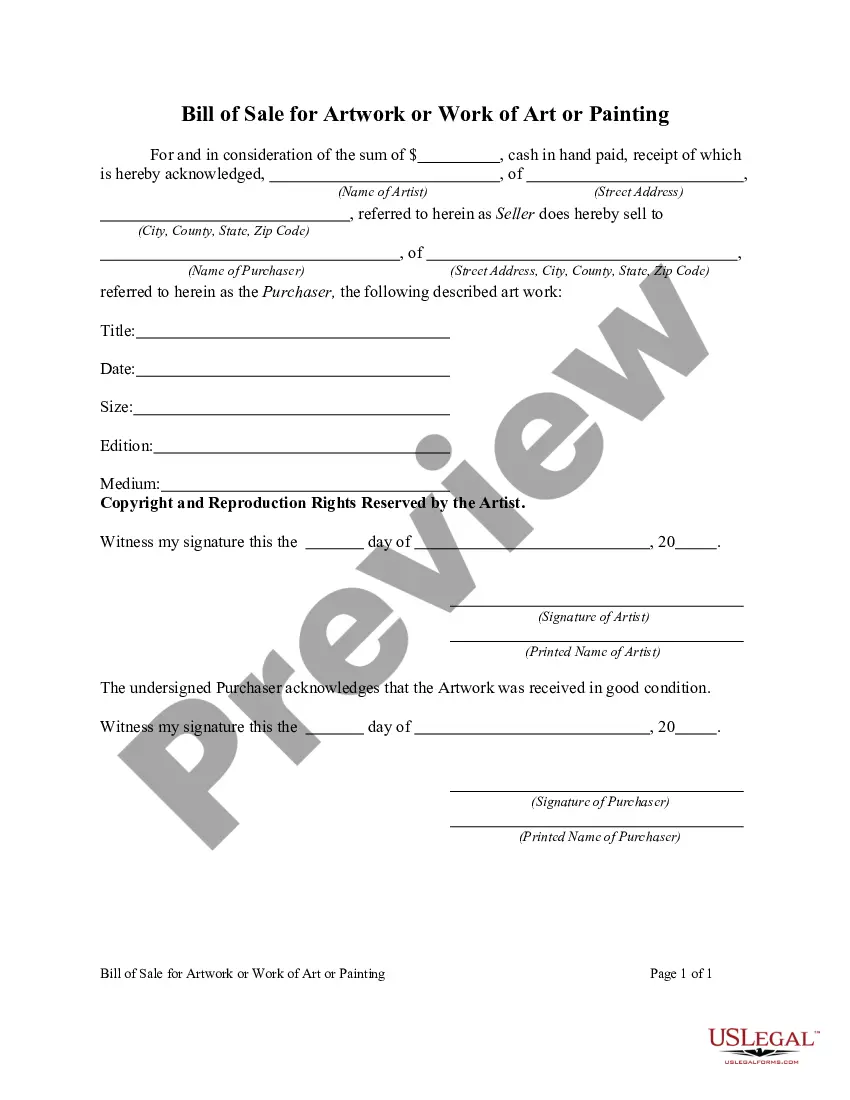
Law Us Legal Force In Franklin
Description


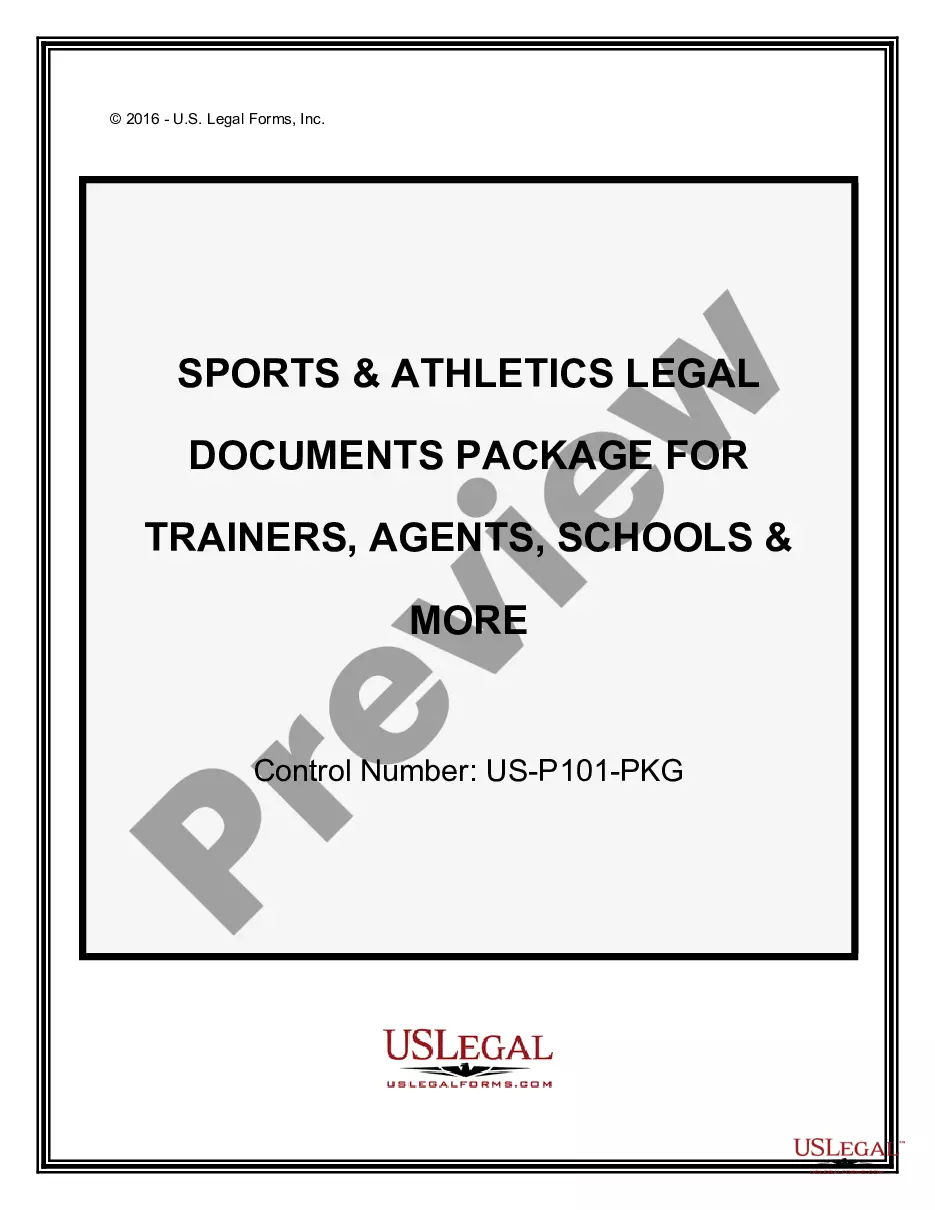
Get your form ready online
Our built-in tools help you complete, sign, share, and store your documents in one place.
Make edits, fill in missing information, and update formatting in US Legal Forms—just like you would in MS Word.
Download a copy, print it, send it by email, or mail it via USPS—whatever works best for your next step.
Sign and collect signatures with our SignNow integration. Send to multiple recipients, set reminders, and more. Go Premium to unlock E-Sign.
If this form requires notarization, complete it online through a secure video call—no need to meet a notary in person or wait for an appointment.
We protect your documents and personal data by following strict security and privacy standards.

Make edits, fill in missing information, and update formatting in US Legal Forms—just like you would in MS Word.

Download a copy, print it, send it by email, or mail it via USPS—whatever works best for your next step.

Sign and collect signatures with our SignNow integration. Send to multiple recipients, set reminders, and more. Go Premium to unlock E-Sign.

If this form requires notarization, complete it online through a secure video call—no need to meet a notary in person or wait for an appointment.

We protect your documents and personal data by following strict security and privacy standards.
Looking for another form?




Form popularity
FAQ
Common law, also known as case law, is a body of unwritten laws based on legal precedents established by the courts. Common law draws from institutionalized opinions and interpretations from judicial authorities and public juries. Common laws sometimes prove the inspiration for new legislation to be enacted.
Common Courtroom Phrases As jurors you are not to be swayed by sympathy. Bail should be continued. Call your next witness. Can you tell the jury…? Could you briefly describe …? Could you describe the appearance of (a package, etc.)? Counsel, lay a foundation. Defendant will be remanded.
Legal Terms & Definitions Action, Case, Suit. A legal dispute brought into court for a hearing or trial. Answer. A pleading filed with the court before the trial by the defendant in a civil case to answer or deny the plaintiff's claims. Acquit. Cause of Action. Challenge for Cause. Closing Argument. Complaint. Counterclaim.
Congress has the authority to write the laws but gives authority to promulgate rules and regulations to interpret and to administer those laws to the federal agencies. The government agencies issue rules and regulations that have the force of law and preempt state laws and rules.
Legal Terms & Definitions Action, Case, Suit. A legal dispute brought into court for a hearing or trial. Answer. A pleading filed with the court before the trial by the defendant in a civil case to answer or deny the plaintiff's claims. Acquit. Cause of Action. Challenge for Cause. Closing Argument. Complaint. Counterclaim.
By this word is understood every object, except man, which may become an active subject of right. 3 min read updated on September 19, 2022.
Article VI of the Constitution provides: “This Constitution, and the Laws of the United States which shall be made in Pursuance thereof; and all Treaties made, or which shall be made, under the Authority of the United States, shall be the supreme Law of the Land; and the Judges in every State shall be bound thereby, ...
The Code of Federal Regulations (CFR) annual edition is the codification of the general and permanent rules published in the Federal Register by the departments and agencies of the Federal Government.
The Trial of all Crimes, except in Cases of Impeachment, shall be by Jury; and such Trial shall be held in the State where the said Crimes shall have been committed; but when not committed within any State, the Trial shall be at such Place or Places as the Congress may by Law have directed.