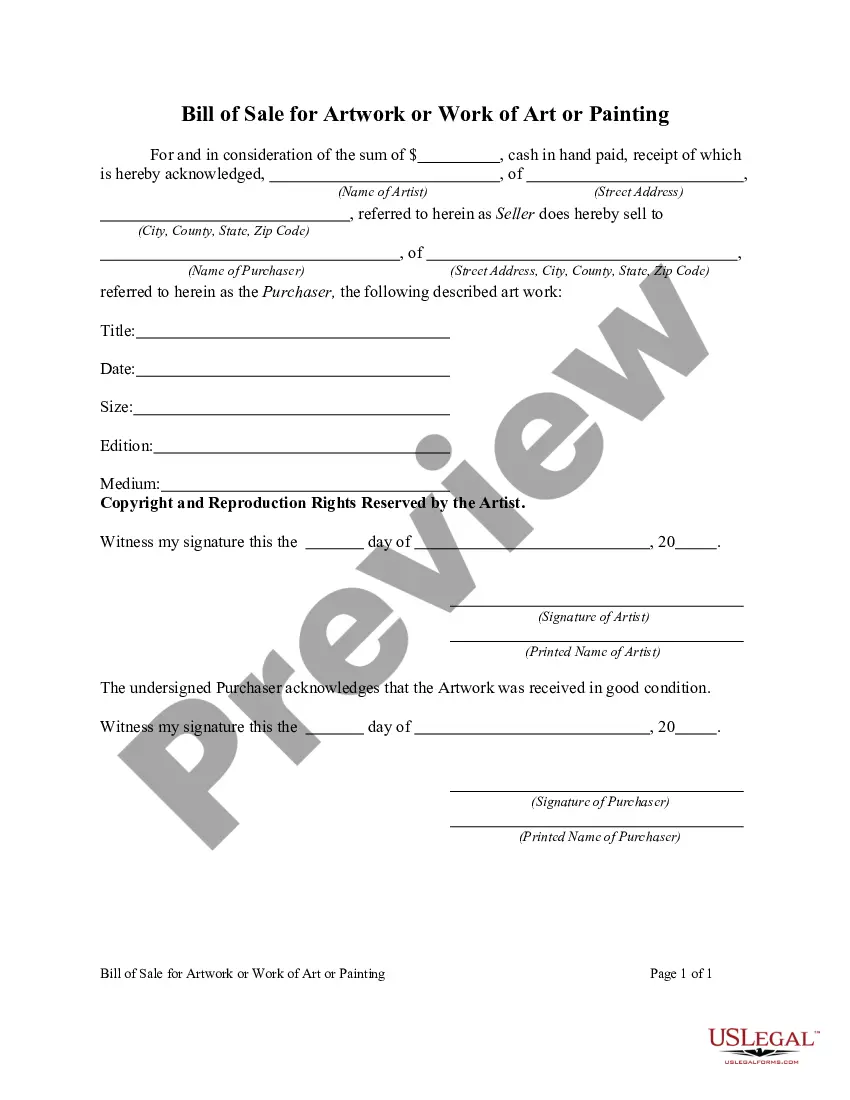
Law With Legal Force In Cook
Description



Get your form ready online
Our built-in tools help you complete, sign, share, and store your documents in one place.
Make edits, fill in missing information, and update formatting in US Legal Forms—just like you would in MS Word.
Download a copy, print it, send it by email, or mail it via USPS—whatever works best for your next step.
Sign and collect signatures with our SignNow integration. Send to multiple recipients, set reminders, and more. Go Premium to unlock E-Sign.
If this form requires notarization, complete it online through a secure video call—no need to meet a notary in person or wait for an appointment.
We protect your documents and personal data by following strict security and privacy standards.

Make edits, fill in missing information, and update formatting in US Legal Forms—just like you would in MS Word.

Download a copy, print it, send it by email, or mail it via USPS—whatever works best for your next step.

Sign and collect signatures with our SignNow integration. Send to multiple recipients, set reminders, and more. Go Premium to unlock E-Sign.

If this form requires notarization, complete it online through a secure video call—no need to meet a notary in person or wait for an appointment.

We protect your documents and personal data by following strict security and privacy standards.
Looking for another form?

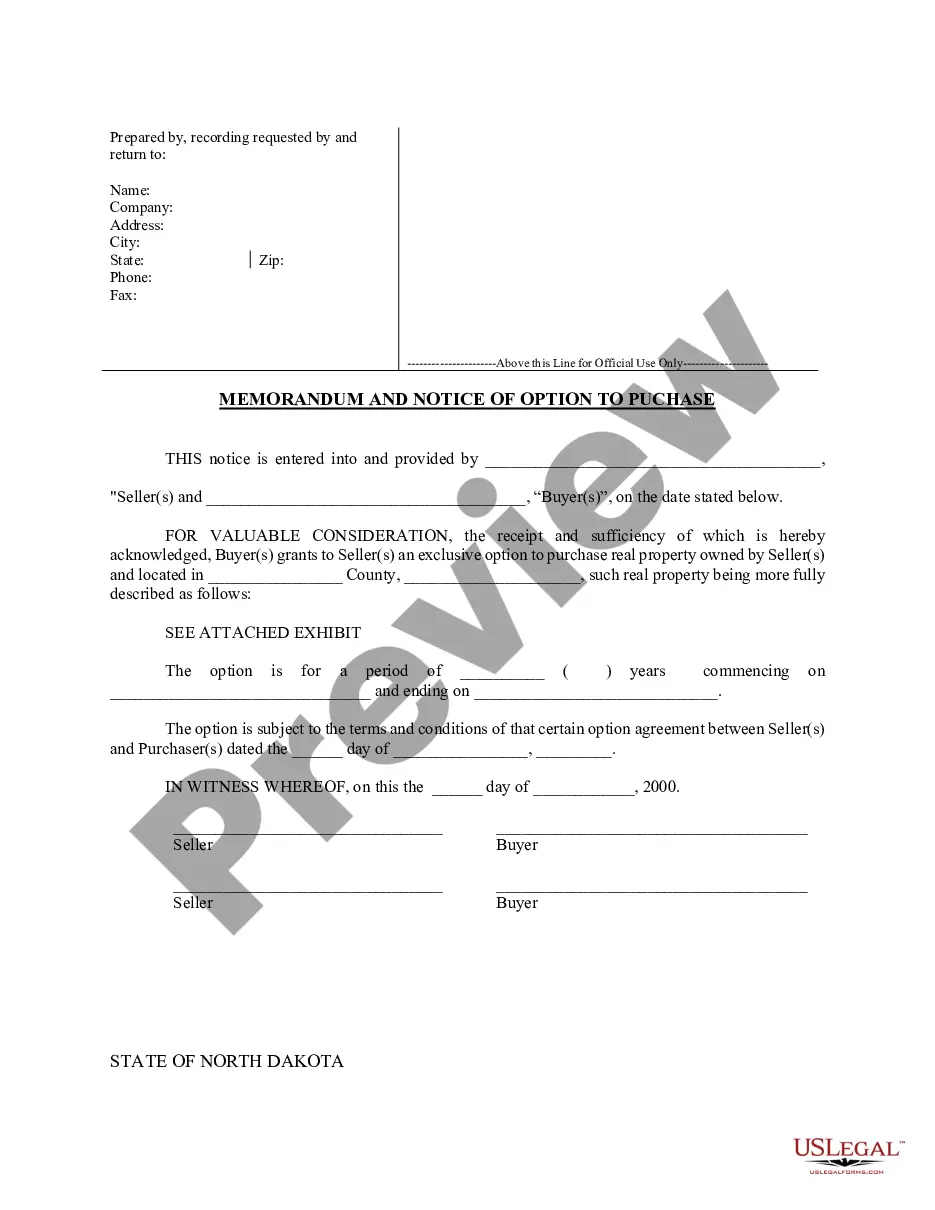



Form popularity
FAQ
First, you must ask yourself if you have a good case. Second, you should ask whether you'd be satisfied with a settlement or going to dispute resolution if you file a lawsuit. Finally, assuming you win your lawsuit, you need to ask yourself whether you'll be able to collect any form of judgment.
Question: What are the stages of civil litigation? Rustin: There are five general stages of a civil court case: pleadings, discovery, motions, trial and possibly appeals. Civil lawsuits arise out of disputes between people, businesses, or other entities.
You start a lawsuit by filing a complaint. In some circumstances, you file a petition or a motion. The court has several complaint forms that you may use in drafting your complaint. The forms are available online and at the Pro Se Intake Unit.
To begin a civil lawsuit in federal court, the plaintiff files a complaint with the court and “serves” a copy of the complaint on the defendant.
The Civil Litigation Process in California: A Helpful Guide Step One: The Complaint | Litigation Process. Step Two: The Answer | Litigation Process. Step Three: Discovery. Step Four: Motions. Step Five: Post-Discovery Motions. Step Six: Trial. Turn to Rokita Law For Experienced Legal Services.
Timeline of How to File a Lawsuit Step 1: File a Complaint. Plaintiff files a complaint and summons with the local county court. Step 2: Answer Complaint. Step 3: Discovery. Step 4: Failing to Respond to Discovery. Step 5: Conclusion of Lawsuit.
Most court cases start when one party files a complaint, petition, or other legal documents with the court clerk.
If you want to file a motion, the process is generally something like this: You write your motion. You file your motion with the court clerk. The court clerk inserts the date and time your motion will be heard by the judge. You “serve” (mail) your motion to the other side.
You start a lawsuit by filing a complaint. In some circumstances, you file a petition or a motion. The court has several complaint forms that you may use in drafting your complaint. The forms are available online and at the Pro Se Intake Unit.
When you sue, you will need to include at least one legal reason you have to sue in the papers that you file. This is called your cause of action. Common causes of action are a breach of contract or negligence.