Law Books For Llb In Wake
Description
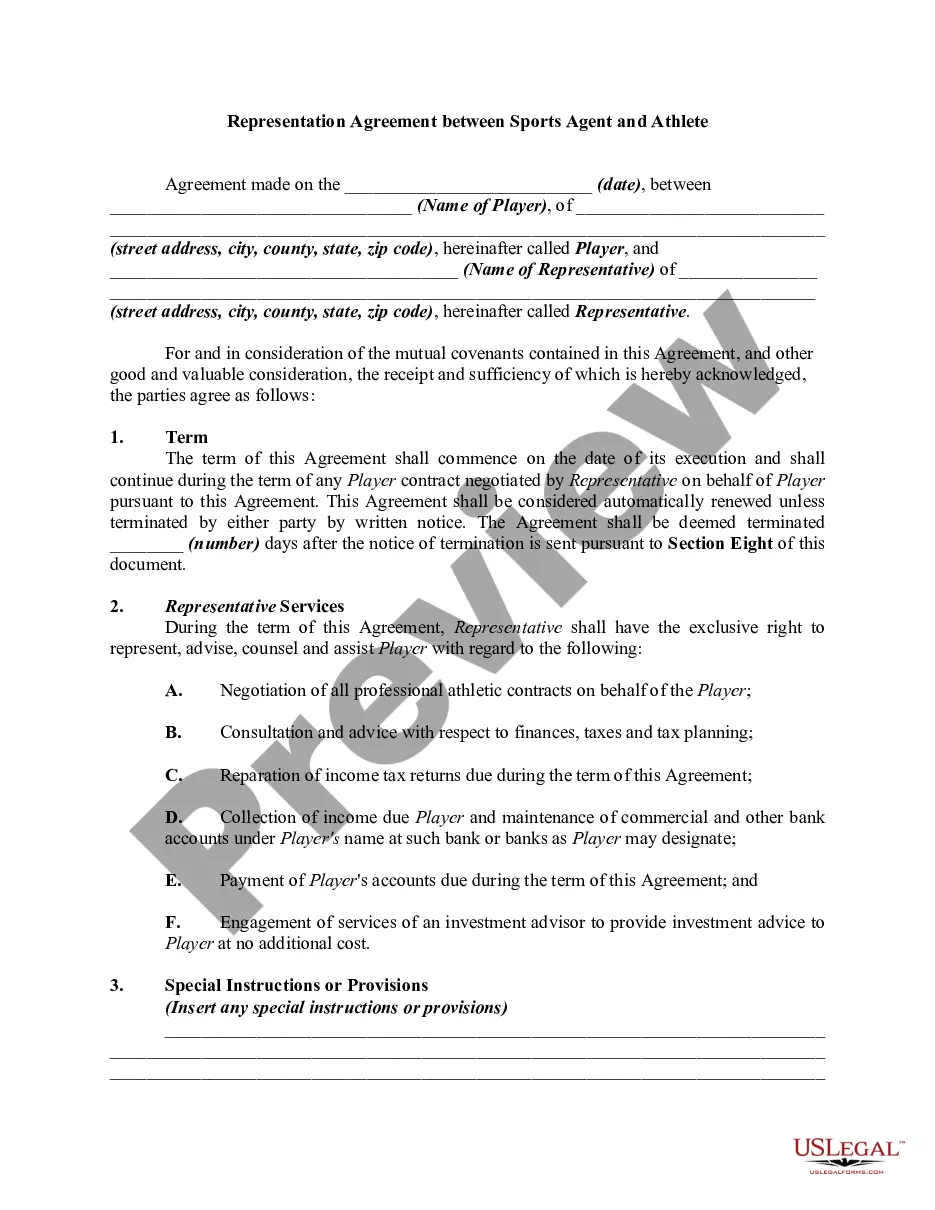
Get your form ready online
Our built-in tools help you complete, sign, share, and store your documents in one place.
Make edits, fill in missing information, and update formatting in US Legal Forms—just like you would in MS Word.
Download a copy, print it, send it by email, or mail it via USPS—whatever works best for your next step.
Sign and collect signatures with our SignNow integration. Send to multiple recipients, set reminders, and more. Go Premium to unlock E-Sign.
If this form requires notarization, complete it online through a secure video call—no need to meet a notary in person or wait for an appointment.
We protect your documents and personal data by following strict security and privacy standards.

Make edits, fill in missing information, and update formatting in US Legal Forms—just like you would in MS Word.

Download a copy, print it, send it by email, or mail it via USPS—whatever works best for your next step.

Sign and collect signatures with our SignNow integration. Send to multiple recipients, set reminders, and more. Go Premium to unlock E-Sign.

If this form requires notarization, complete it online through a secure video call—no need to meet a notary in person or wait for an appointment.

We protect your documents and personal data by following strict security and privacy standards.
Looking for another form?





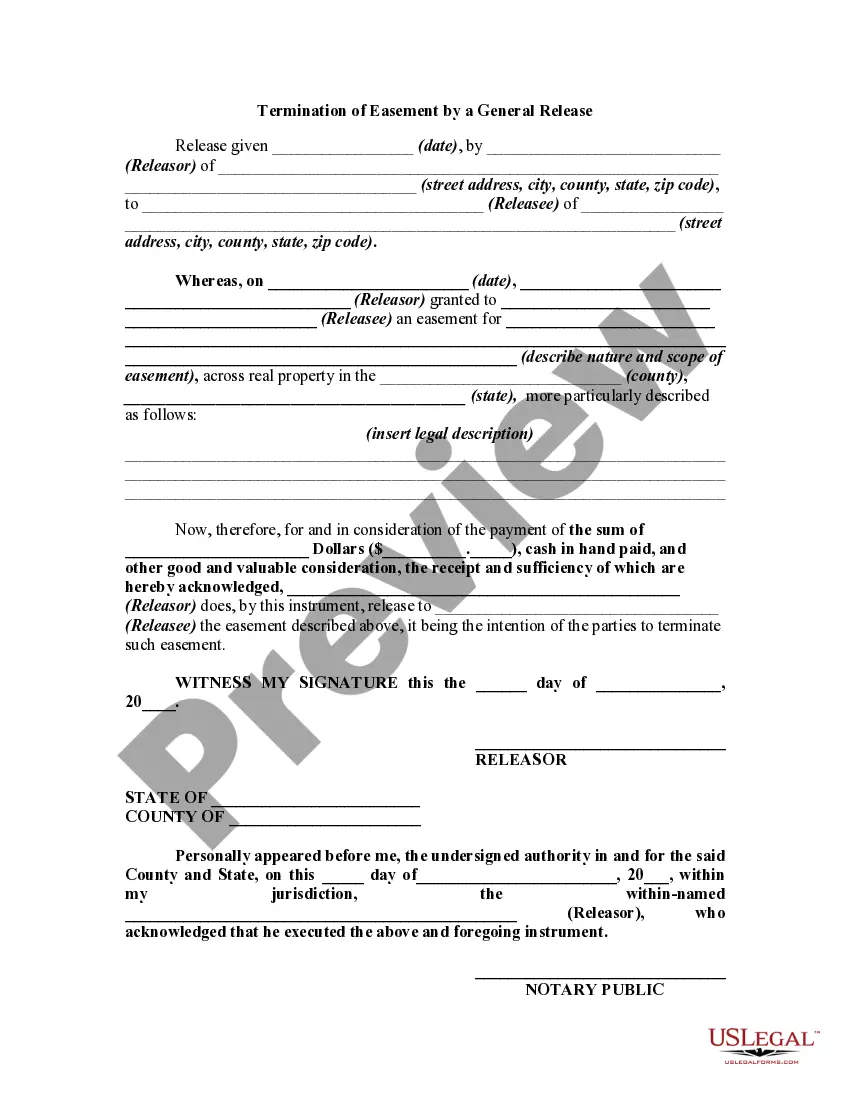




Form popularity
FAQ
The most practical starting textbook is ``laying down the law'' (lexis) - gives an overview of the basics of law, how statutes and the common law work etc.
Black's Law Dictionary is the most widely cited law book in the world and is the standard for the language law.
1. CPC by Takwani 2. CrPC by Kelkar 3. Constitutional Law by VN Shukla 4. Contract law by Mulla 5. Law of Tort by Ratanlal Dhirajlal 6. Family law by Poonam Pradham Saxena 7. Property law by Poonam Pradhan Saxena
Here are some of the most notable must-read lawyer books you must add to your list. The Client-Centered Law Firm. By Jack Newton. The Game Changing Attorney. By Michael Mogill. How to Start and Build a Law Practice. By Jay G. The Tools of Argument. The E-Myth Attorney. Solo by Choice. Storytelling for Lawyers. The Happy Lawyer.
Here are 16 fruitful, promising areas of law for you to consider. Complex Litigation. This is an area of law that demands a lot of patience and incredible attention to detail. Corporate Law. Tax Law. Intellectual Property. Blockchain. Healthcare. Environmental. Criminal.
“Letters to a Law Student” by Nicholas McBride This is a collection of “letters” to a fictional student about what it's like to study Law, providing a basic explanation of the legal system.
Here are our top picks to read before law school. Is Eating People Wrong? ... My Own Words By Ruth Bader Ginsburg. IL Of A Ride: A Well-Traveled Professor's Roadmap to Success in the First Year of Law School By Andrew J. Getting To Maybe: How To Excel On Law School Exams By Richard Michael Fischl And Jeremy Paul.
The best degree choice for law is philosophy. Many studies confirm they score highest on exams such as LSAT and even surprisingly the MCAT. Philosophy teaches you how to take reasoning and critical thinking skills to the absolute maximum. It also teaches you how to become the best possible moral agent you can be.
Steps to briefing a case Select a useful case brief format. Use the right caption when naming the brief. Identify the case facts. Outline the procedural history. State the issues in question. State the holding in your words. Describe the court's rationale for each holding. Explain the final disposition.
All in all, however, law students typically spend around 30 – 40 hours per week studying. That may sound like a lot, but a good rule of thumb is that you should be studying at least two hours for every one hour of class time per week.
