Law Book For Banking In Travis
Description
Get your form ready online
Our built-in tools help you complete, sign, share, and store your documents in one place.
Make edits, fill in missing information, and update formatting in US Legal Forms—just like you would in MS Word.
Download a copy, print it, send it by email, or mail it via USPS—whatever works best for your next step.
Sign and collect signatures with our SignNow integration. Send to multiple recipients, set reminders, and more. Go Premium to unlock E-Sign.
If this form requires notarization, complete it online through a secure video call—no need to meet a notary in person or wait for an appointment.
We protect your documents and personal data by following strict security and privacy standards.

Make edits, fill in missing information, and update formatting in US Legal Forms—just like you would in MS Word.

Download a copy, print it, send it by email, or mail it via USPS—whatever works best for your next step.

Sign and collect signatures with our SignNow integration. Send to multiple recipients, set reminders, and more. Go Premium to unlock E-Sign.

If this form requires notarization, complete it online through a secure video call—no need to meet a notary in person or wait for an appointment.

We protect your documents and personal data by following strict security and privacy standards.
Looking for another form?




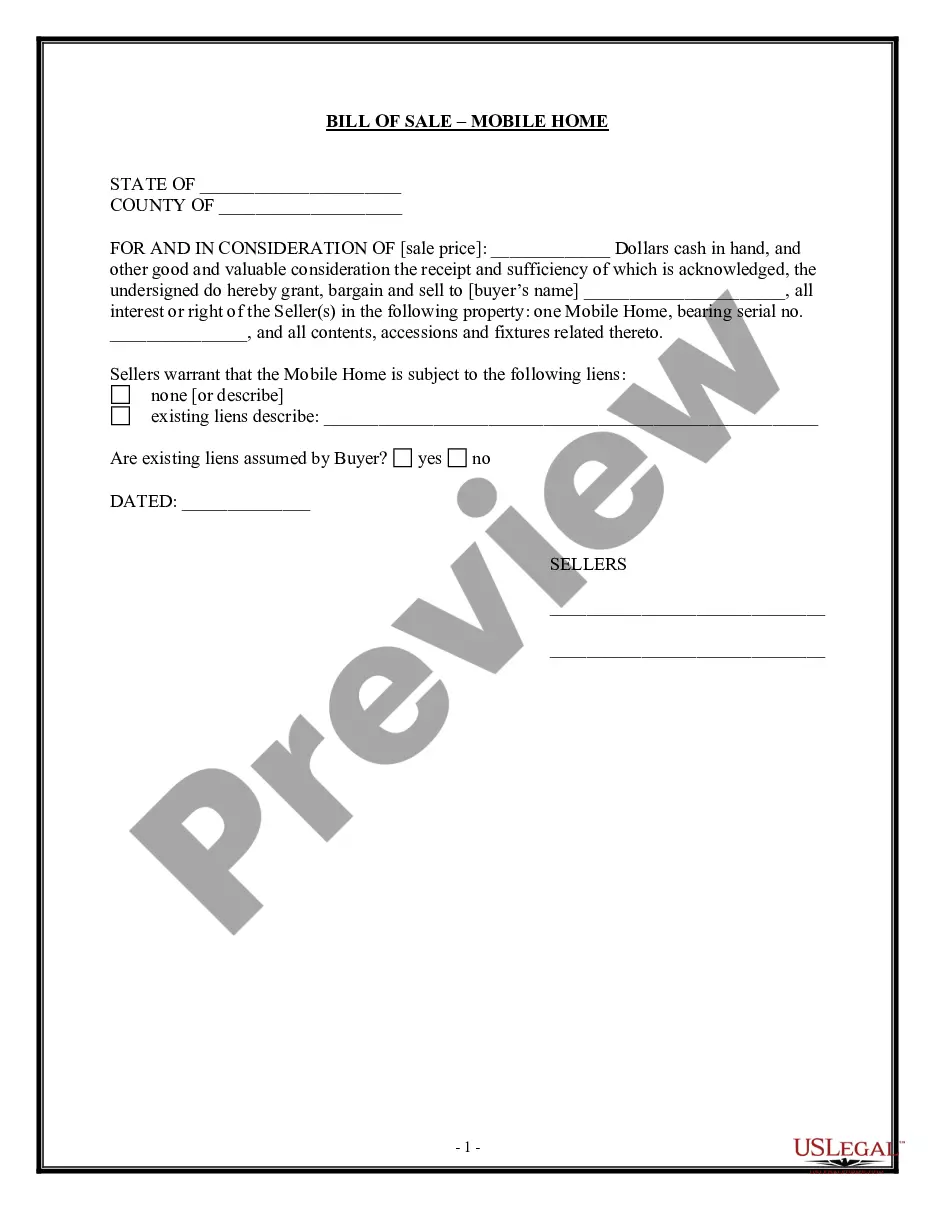
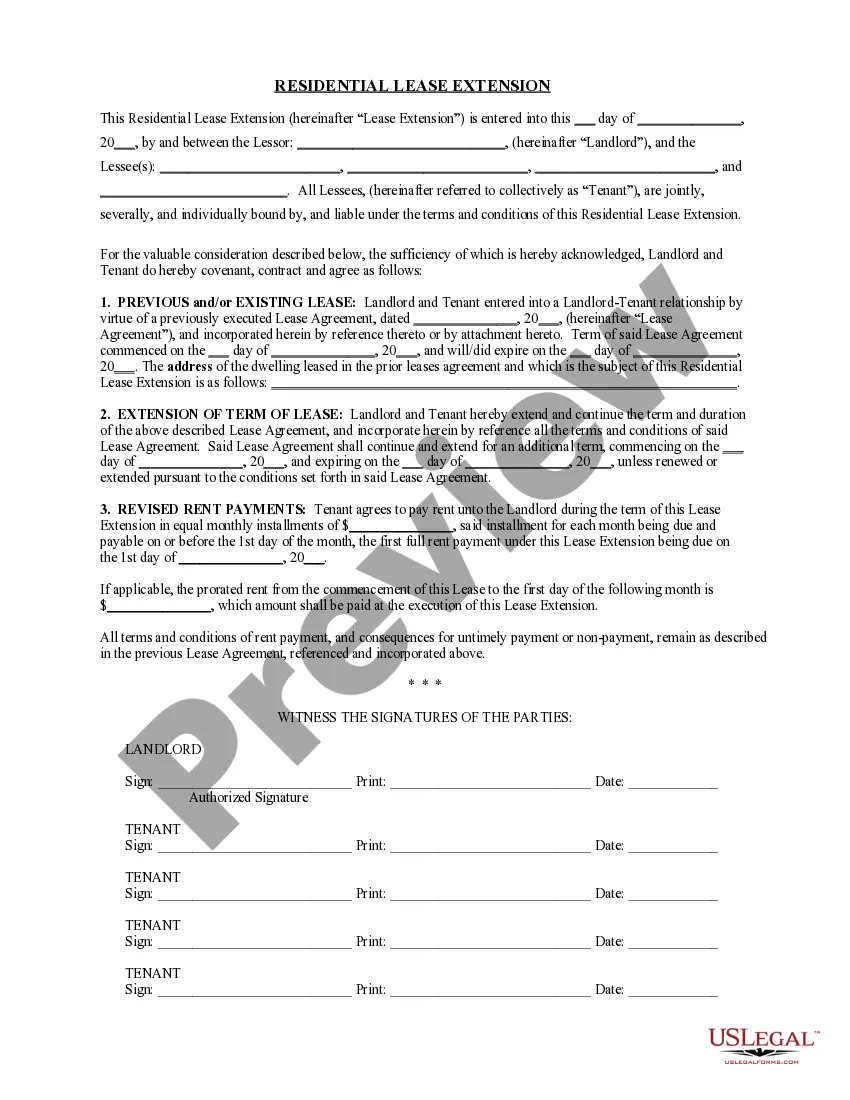
Form popularity
FAQ
The core objective of the SAFE Banking Act is to protect banks and credit unions from federal penalties when they provide services to state-sanctioned cannabis businesses. Currently classified as a Schedule I substance at the federal level, cannabis creates legal gray areas for financial institutions.
Obtain a Bank License and Other Necessary Permits Apply for a banking license and a Certificate of Occupancy (CO). INC Authority can handle startup and registration procedures, speeding up the process. After chartering your bank, obtain insurance from the Federal Deposit Insurance Corporation (FDIC).
The Secure and Fair Enforcement Regulation Banking Act (SAFER) Banking Act would ensure that all businesses—including State-sanctioned cannabis businesses—have access to deposit accounts, insurance and other financial services.
The Consumer Financial Protection Bureau (CFPB) on Oct. 23, 2024, issued its final "open banking" rule. Starting for some institutions as early as 2026, financial service providers must, upon a consumer's request, make financial data available to them and authorized third parties.
The SAFER Banking Act is legislation that aims to provide legal cannabis businesses access to essential banking services such as bank accounts, credit cards, and checks. It seeks to protect financial institutions that serve these businesses from federal penalties.
The law governing banks, bank accounts, and lending in the United States is a hybrid of federal and state statutory law. Consumers and businesses usually establish bank accounts in banks and savings associations chartered under state or federal law.
The SAFER Banking Act passed by a notable bipartisan majority of 14–9 on September 27, 2023.
To open a bank account for an individual, their identity and legal name can be established by providing any of the following documents: Passport; PAN (Permanent Account Number) card; Voter's Identity Card; Driving License; Job Card issued by NREGA duly signed by an officer of the State Government;
The banking book is a term for assets on a bank's balance sheet that are expected to be held to maturity, usually consisting of customer loans to and deposits from retail and corporate customers.
