Handbook Policies And Procedures In Queens
Description
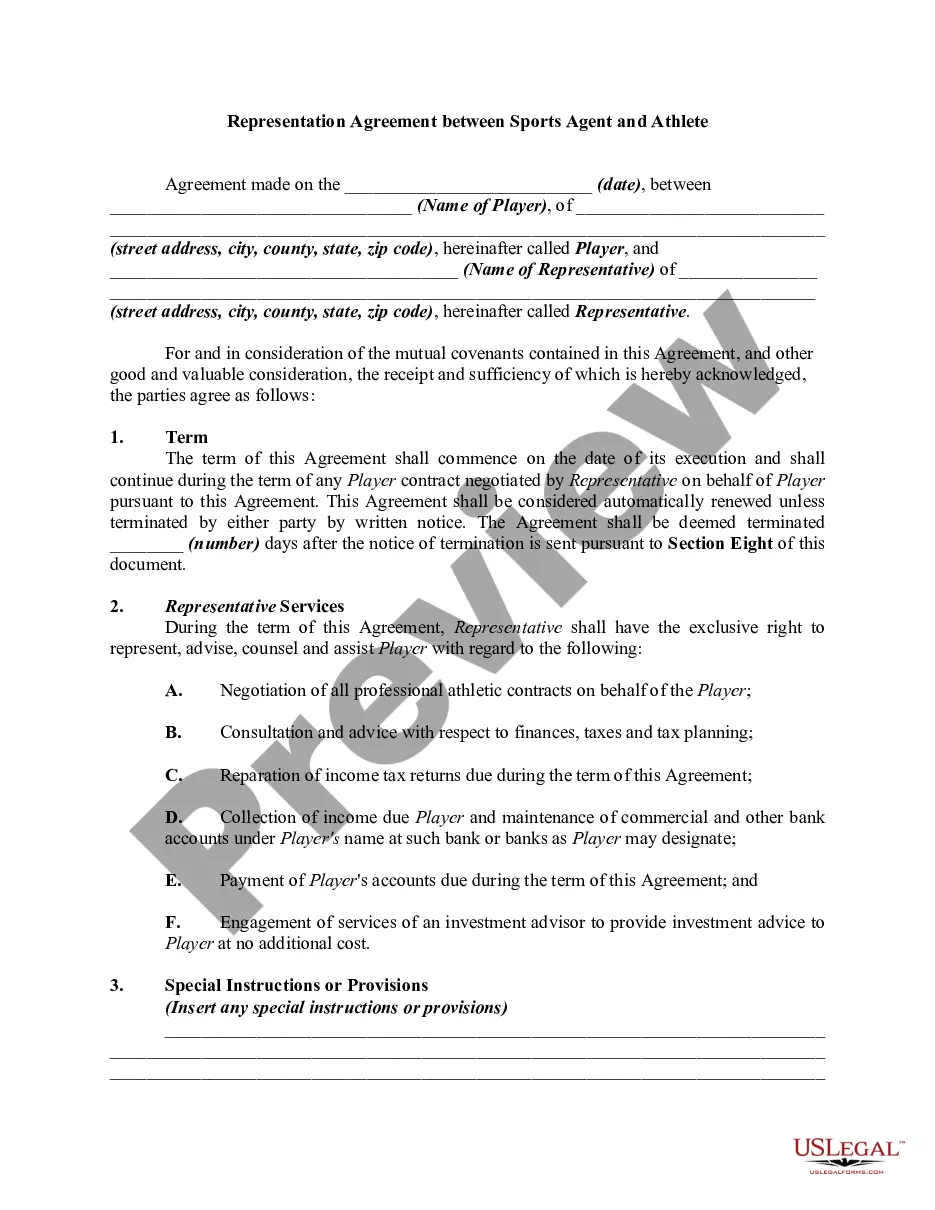
Get your form ready online
Our built-in tools help you complete, sign, share, and store your documents in one place.
Make edits, fill in missing information, and update formatting in US Legal Forms—just like you would in MS Word.
Download a copy, print it, send it by email, or mail it via USPS—whatever works best for your next step.
Sign and collect signatures with our SignNow integration. Send to multiple recipients, set reminders, and more. Go Premium to unlock E-Sign.
If this form requires notarization, complete it online through a secure video call—no need to meet a notary in person or wait for an appointment.
We protect your documents and personal data by following strict security and privacy standards.

Make edits, fill in missing information, and update formatting in US Legal Forms—just like you would in MS Word.

Download a copy, print it, send it by email, or mail it via USPS—whatever works best for your next step.

Sign and collect signatures with our SignNow integration. Send to multiple recipients, set reminders, and more. Go Premium to unlock E-Sign.

If this form requires notarization, complete it online through a secure video call—no need to meet a notary in person or wait for an appointment.

We protect your documents and personal data by following strict security and privacy standards.
Looking for another form?






Form popularity
FAQ
What to Include in an Employee Handbook Introduction. At-Will Statement. Contract Disclaimer. Equal Employment Opportunity Statement. Policy Against Unlawful Harassment. Commitment to Provide Reasonable Accommodations. Compensation and Benefits. Leave/Time Off Policies.
Certain policies are mandatory and must be included in your employee handbook. For example, California employers must have a written harassment, discrimination and retaliation prevention policy. Including these policies clarifies for employees their rights and obligations, and protects you from potential liability.
How to Organize Your Employee Handbook Start With a Preface. Provide an Overview of Your Company. Orientation: Describe the First Day of Work. Cover Time and Attendance Policies. Follow With Conduct Policies. List All of Your Amazing Benefits. Make Performance Policies Clear. Keep Your Handbook Accessible Online.
Although statements of policy appear in both handbooks and policies and procedures manuals, the topics covered in a policies and procedures manual are often more detailed and exhaustive. The subjects covered in an employee handbook are typically selective and the information provided is more general.
Workplace Conduct Rules: These may include dress code, attendance policy, use of technology, and other policies related to employee behavior in the workplace. Harassment Policy: Make sure this includes details about reporting incidents as well as consequences for violating the policy.
When you're hiring employees in California, your employee handbook should cover all notable state and federal policies. You may also want to include non-required policies that will protect your company.
Ten Policies Every Employer Should Have in its Handbook At-Will Employment. Must include “no contract” language. EEO/Anti-Harassment/Anti-Discrimination. Include. Time-Off. Jury Duty. FMLA. Eligibility Requirements. Attendance/Tardiness. Behavior/Conduct. Computer, Technology & Communication. Solicitations.
5 little-known policies that need to be in your employee handbook Dress code policy. Employee dating policy. Flexible work arrangement policy. Gifts and favors policy. Employee complaint-resolution policy.
Answer Cover page. Table of contents: It is important to include a table of contents so the reader knows where to look for pertinent information. Welcoming statement: This statement sets the tone for the entire handbook. Introduction to the handbook: What is the history behind the handbook?
