Law Book Rules In Orange
Description
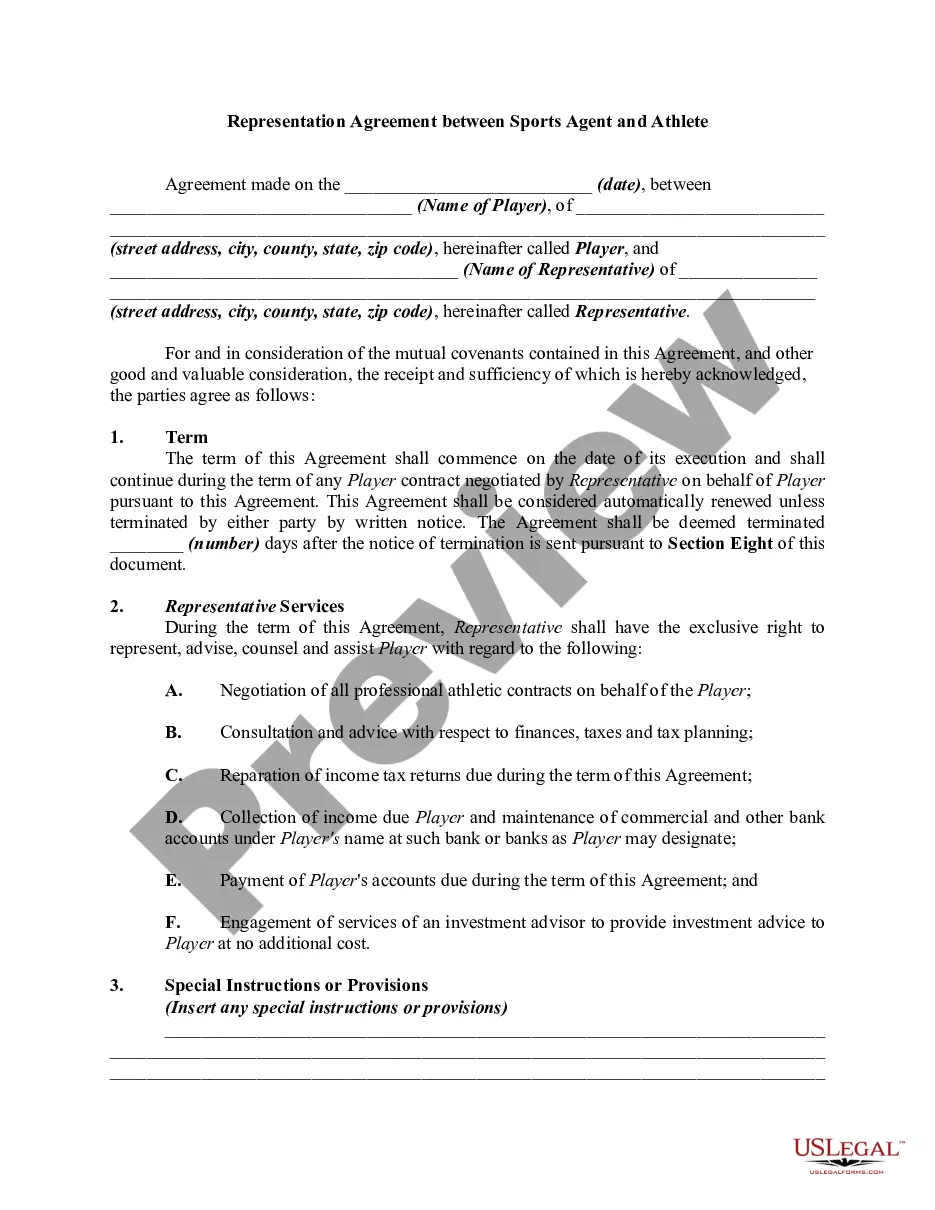
Get your form ready online
Our built-in tools help you complete, sign, share, and store your documents in one place.
Make edits, fill in missing information, and update formatting in US Legal Forms—just like you would in MS Word.
Download a copy, print it, send it by email, or mail it via USPS—whatever works best for your next step.
Sign and collect signatures with our SignNow integration. Send to multiple recipients, set reminders, and more. Go Premium to unlock E-Sign.
If this form requires notarization, complete it online through a secure video call—no need to meet a notary in person or wait for an appointment.
We protect your documents and personal data by following strict security and privacy standards.

Make edits, fill in missing information, and update formatting in US Legal Forms—just like you would in MS Word.

Download a copy, print it, send it by email, or mail it via USPS—whatever works best for your next step.

Sign and collect signatures with our SignNow integration. Send to multiple recipients, set reminders, and more. Go Premium to unlock E-Sign.

If this form requires notarization, complete it online through a secure video call—no need to meet a notary in person or wait for an appointment.

We protect your documents and personal data by following strict security and privacy standards.
Looking for another form?










Form popularity
FAQ
Final answer: The 'law on the books' refers to Statute Law which are laws formally written and passed by legislative authorities. This term contrasts with 'law in action' which is how the law is actually enforced.
In the context of legal systems, the term that refers to written, codified laws is statutory law. These laws are enacted by legislative bodies, such as the U.S. Congress or state legislatures, and are compiled into formal codes that delineate acceptable and unacceptable behaviors for individuals.
Unlike common law, statutory law is codified and encompasses compiled legislation that has been passed on a local, state, or federal level. Also known as civil law, statutory law is strict in its application, which means it is not subject to the same interpretation as common law.
The law collection currently consists of more than one million titles comprising over 2.9 million volumes, and over 3 million microform items, which can be located by searching the online catalog.
Law-in-books describes all written-down laws, regulations and written legal customs. Contrary to legal writing in law, treaties, statues and cases, law-in-action is a legal theory that examines the role of law how it is actually applied and practiced in society.
Calvin: The law is on the books, but it would take all their resources to enforce it.
All therapeutically equivalent drugs are listed in the FDA Orange Book database, labeled with two letters (and sometimes a number), and always starts with code letter A. The A indicates a drug is therapeutically equivalent. If the drug starts with the code letter B this means it is not therapeutically equivalent.
The Orange Book is composed of four parts: (1) approved prescription drug products with therapeutic equivalence evaluations; (2) approved over-the-counter (OTC) drug products for those drugs that may not be marketed without NDAs or ANDAs because they are not subject to 505G; (3) drug products with approval under ...
How Do I use the Electronic Orange Book to find approved generic drugs? First, if you have the trade name, search the Electronic Orange Book's Rx or OTC section using the Proprietary Name search. This determines the ingredient(s). Then use the Ingredient Search for all approved products that contain the ingredient(s).
Final answer: The first letter in the Orange Book rating code indicates the Therapeutic equivalence. An 'A' rating signifies that the drug is recognized as therapeutically equivalent by the FDA, while a 'B' rating suggests it is not.
