Law Book For Tax In New York
Description
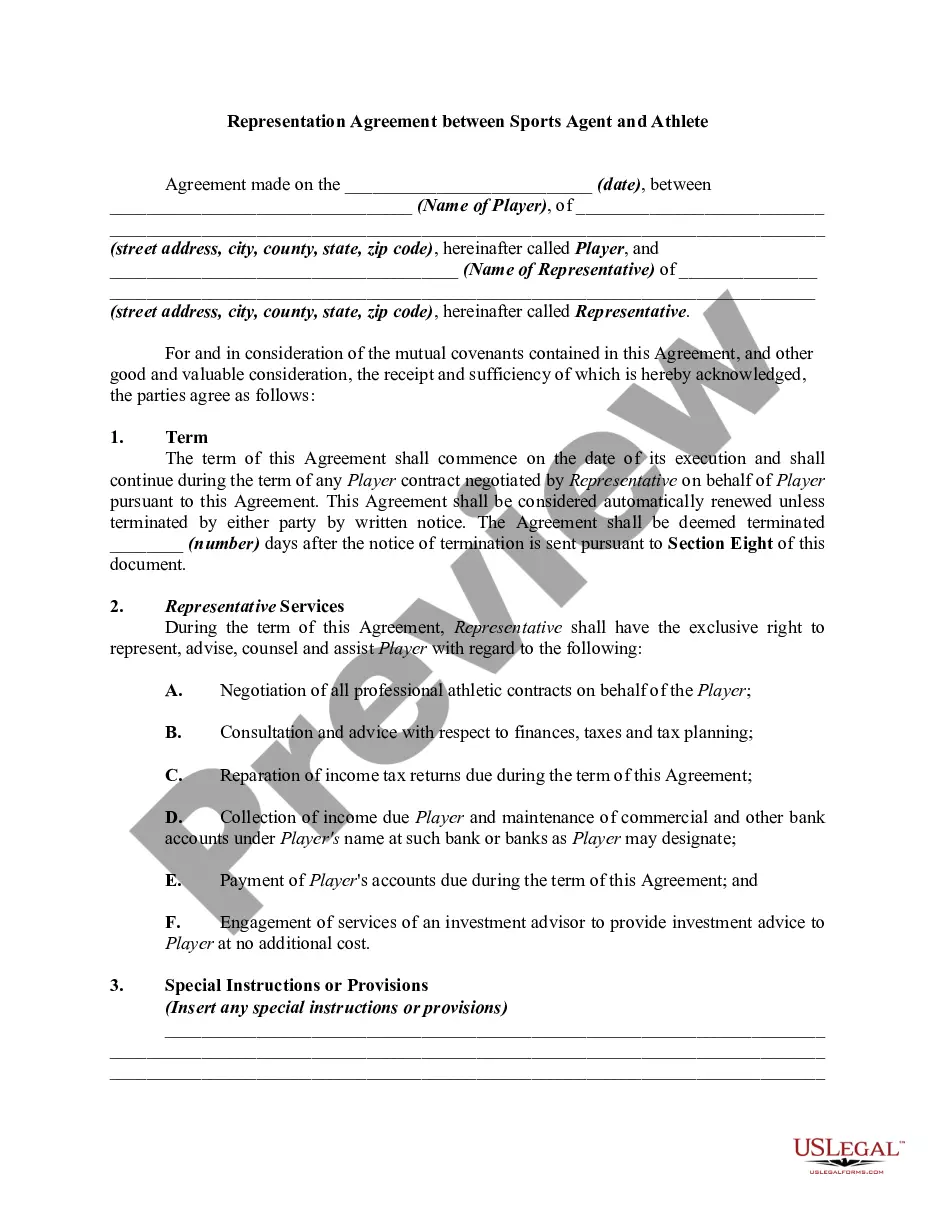
Get your form ready online
Our built-in tools help you complete, sign, share, and store your documents in one place.
Make edits, fill in missing information, and update formatting in US Legal Forms—just like you would in MS Word.
Download a copy, print it, send it by email, or mail it via USPS—whatever works best for your next step.
Sign and collect signatures with our SignNow integration. Send to multiple recipients, set reminders, and more. Go Premium to unlock E-Sign.
If this form requires notarization, complete it online through a secure video call—no need to meet a notary in person or wait for an appointment.
We protect your documents and personal data by following strict security and privacy standards.

Make edits, fill in missing information, and update formatting in US Legal Forms—just like you would in MS Word.

Download a copy, print it, send it by email, or mail it via USPS—whatever works best for your next step.

Sign and collect signatures with our SignNow integration. Send to multiple recipients, set reminders, and more. Go Premium to unlock E-Sign.

If this form requires notarization, complete it online through a secure video call—no need to meet a notary in person or wait for an appointment.

We protect your documents and personal data by following strict security and privacy standards.
Looking for another form?
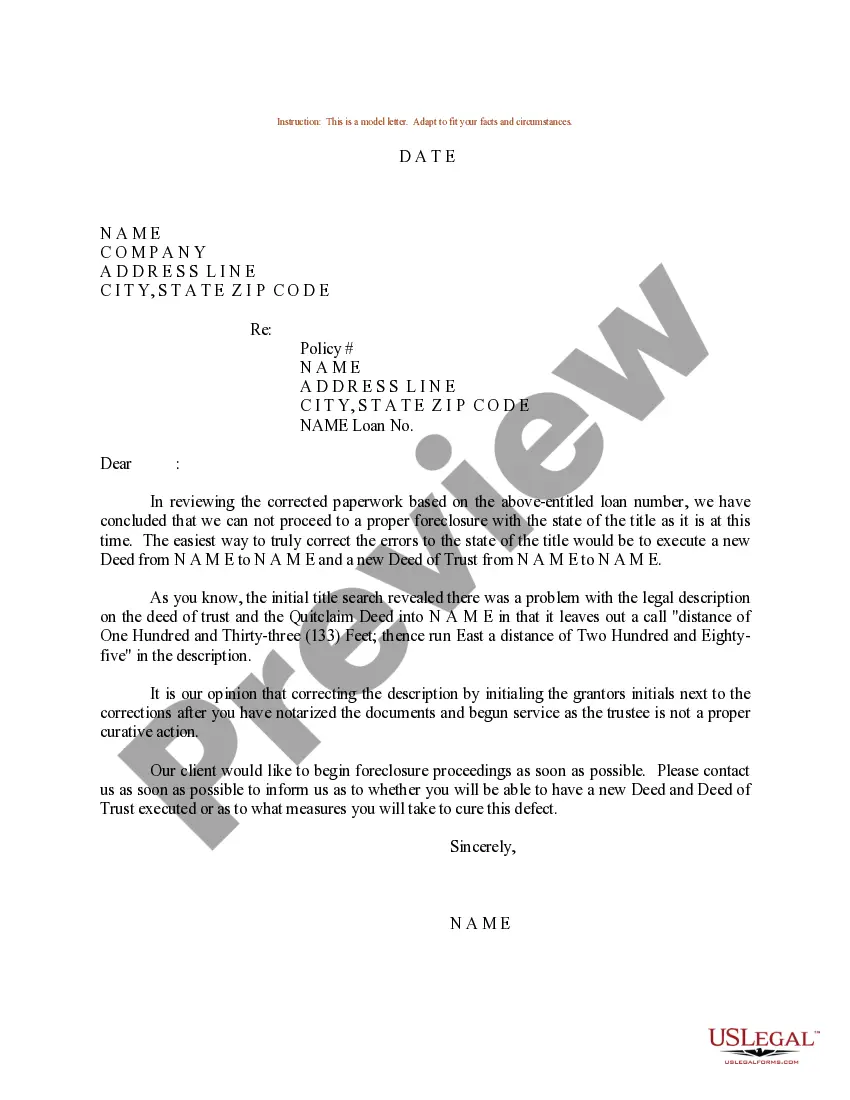
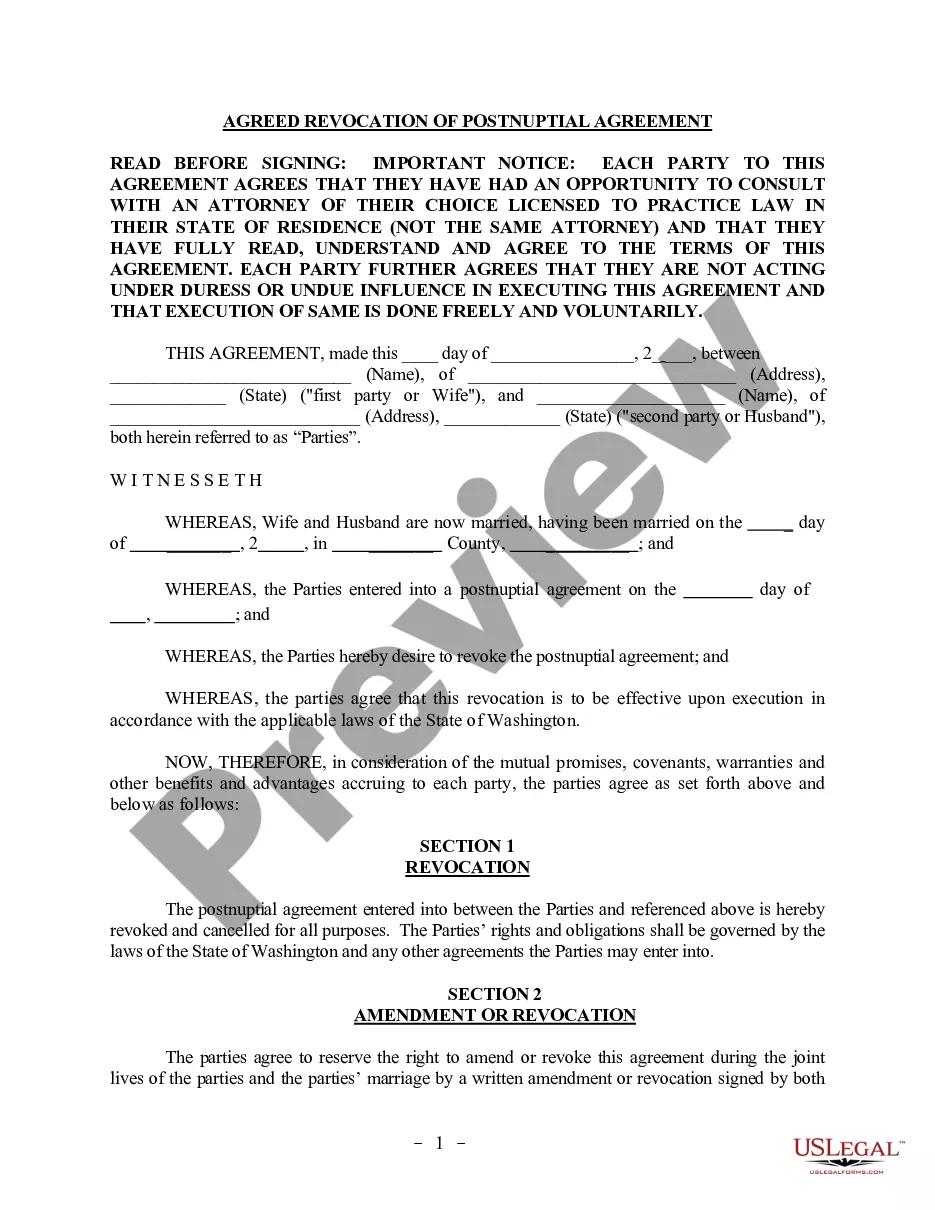
Form popularity
FAQ
A permanent difference is the difference between book tax expense and the actual tax owed, which is caused by an item that does not reverse over time. In other words, it is the difference between financial accounting and tax accounting that is never eliminated or reversed.
Our Constitution states that all legislation concerning taxes must “originate” in the House of Representatives. ingly, all tax legislation begins its journey through Congress in the House Committee on Ways and Means.
The tax summary is a list of certain items calculated or entered in your return. The summary will show dollar amounts for various categories that impact your return, broken down by category.
In general, to reconcile book income to taxable income, we will add back expenses that are not tax deductible, add revenue that was not included in book income, subtract deductions not included in the calculation of book income, and subtract tax-exempt earnings.
Book-to-tax reconciliation is the act of reconciling the net income on the books to the income reported on the tax return by adding and subtracting the non-tax items. Schedules M-1 and M-2 can be used to reconcile a company's accounting income to the taxable income.
Two sources are the Internal Revenue Code (IRC) and IRS publications. You can also call the IRS, consult publications for tax professionals or those written for consumers, hire a tax professional, or get volunteer tax assistance through VITA.
Steps to Becoming a Tax Attorney Step One: Obtain an Undergraduate Degree. Step Two: Gain Useful Experience. Step Two: Write the LSAT or GRE. Step Three: Go to Law School. Step Four: Complete the MPRE Exam. Step Five: Consider an LLM in Tax Law. Step Six: Pass the Bar Exam.
Purchases above $110 are subject to a 4.5% NYC sales tax and a 4% NY State sales tax. The City Sales Tax rate is 4.5%, NY State Sales and use tax is 4% and the Metropolitan Commuter Transportation District surcharge of 0.375% for a total sales and use tax of 8.875 percent.
Items and services that are exempt from sales tax include but are not limited to: Food products, dietary foods, certain beverages and health supplements sold by food markets. Diapers. Drugs and medicines for people. Medical equipment and supplies for home use. Newspapers, magazines and other periodicals.
Every person who sells taxable tangible personal property or taxable services (even if you make sales from your home, are a temporary vendor, or only sell once a year) must register with the Tax Department through New York Business Express before beginning business.