Law Book For Georgia In Michigan
Description
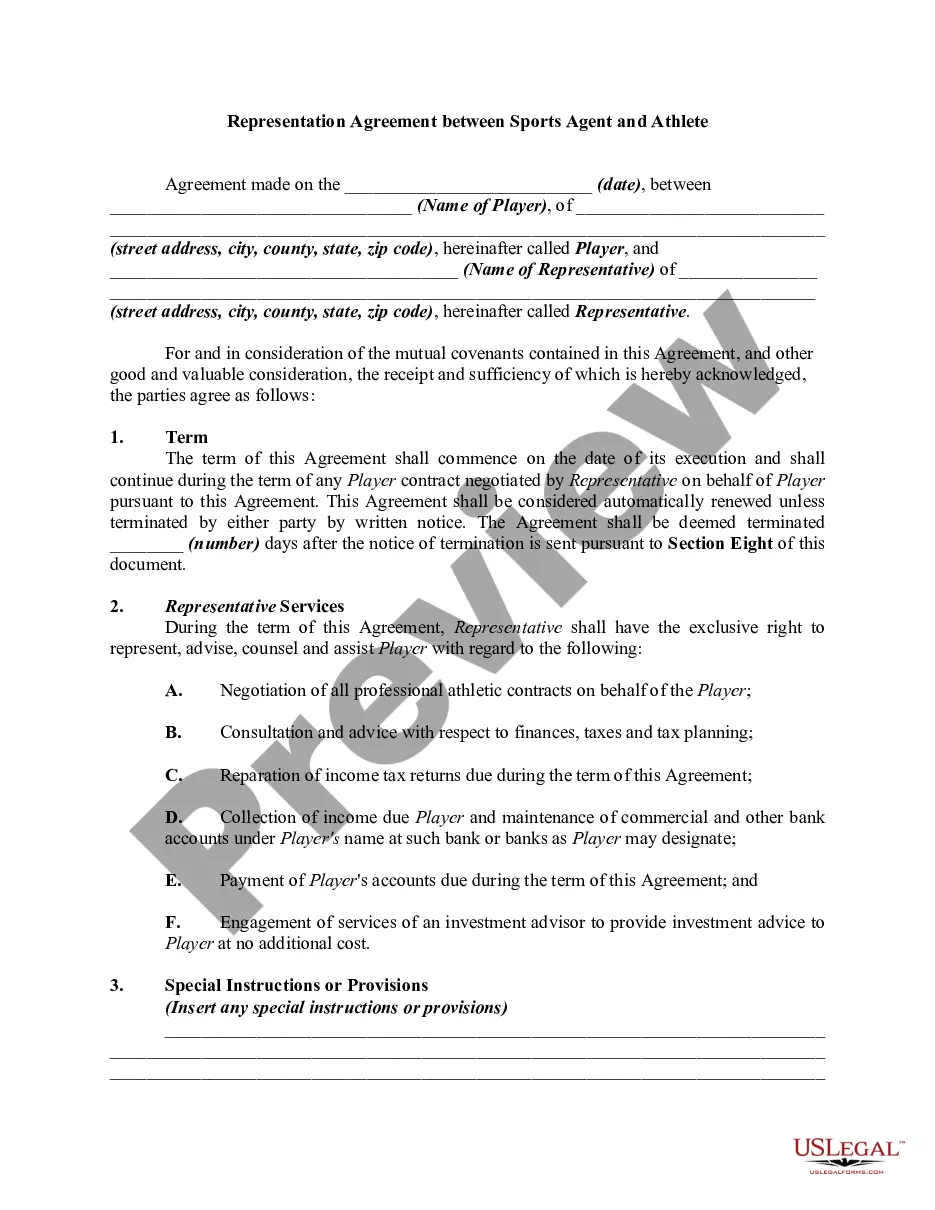
Get your form ready online
Our built-in tools help you complete, sign, share, and store your documents in one place.
Make edits, fill in missing information, and update formatting in US Legal Forms—just like you would in MS Word.
Download a copy, print it, send it by email, or mail it via USPS—whatever works best for your next step.
Sign and collect signatures with our SignNow integration. Send to multiple recipients, set reminders, and more. Go Premium to unlock E-Sign.
If this form requires notarization, complete it online through a secure video call—no need to meet a notary in person or wait for an appointment.
We protect your documents and personal data by following strict security and privacy standards.

Make edits, fill in missing information, and update formatting in US Legal Forms—just like you would in MS Word.

Download a copy, print it, send it by email, or mail it via USPS—whatever works best for your next step.

Sign and collect signatures with our SignNow integration. Send to multiple recipients, set reminders, and more. Go Premium to unlock E-Sign.

If this form requires notarization, complete it online through a secure video call—no need to meet a notary in person or wait for an appointment.

We protect your documents and personal data by following strict security and privacy standards.
Looking for another form?








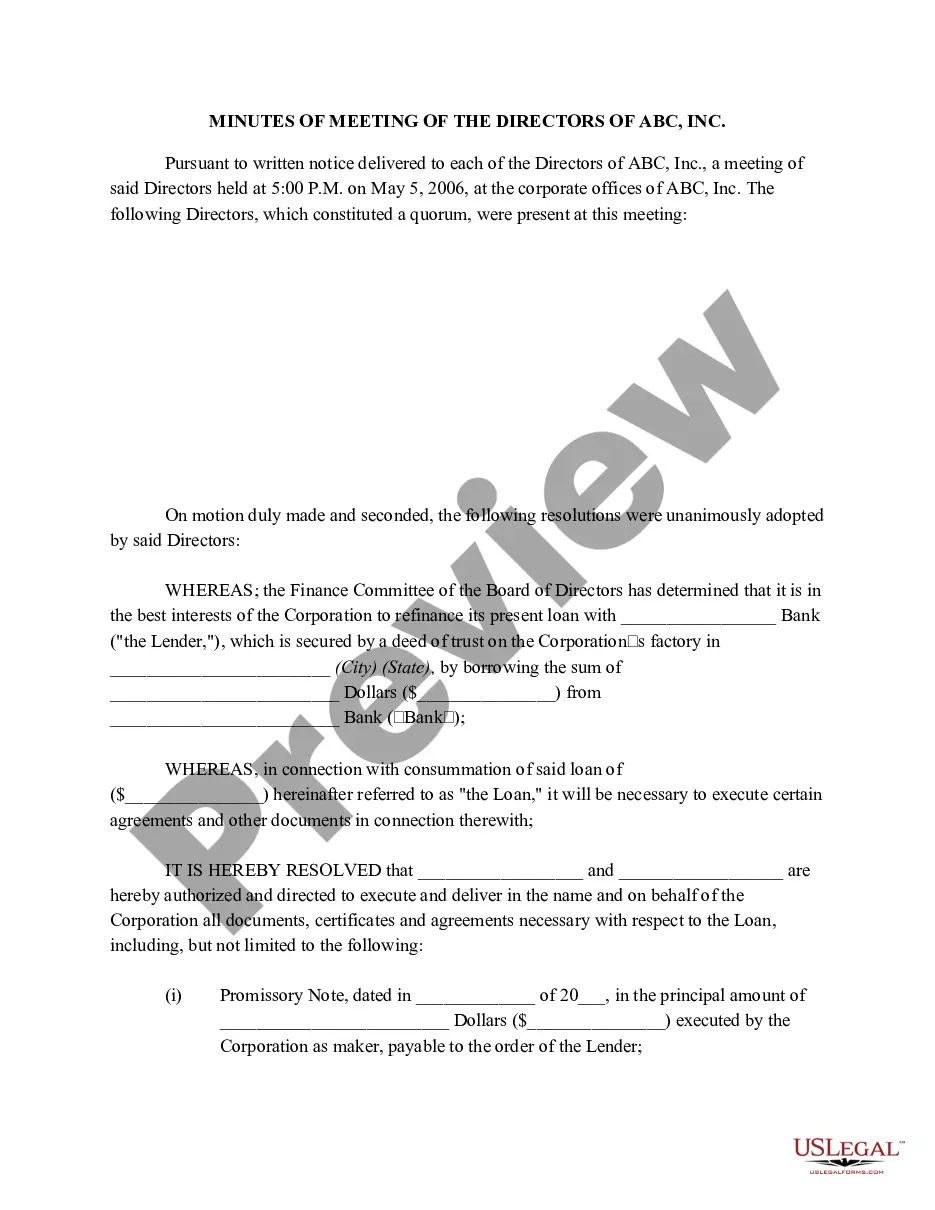

Form popularity
FAQ
➢ Maximum file size is 25MB. Attachments (formally known as exhibits) that are created by the filer must comply with the document preparation standards. Review the Attachments section for details and examples for naming attachments.
Personal service of a petition or motion must be made at least 7 days before the date set for hearing, or an adjourned date, unless a different period is provided or permitted by court rule. This subrule applies regardless of conflicting statutory provisions.
How Can I Serve Someone Electronically? The party requesting electronic service must first file a motion with the court and include a supporting affidavit stating the reasons why the recipient likely owns a specific email address, cellphone number, or social media account.
If a party cites an unpublished opinion, the party must explain the reason for citing it and how it is relevant to the issues presented. A party who cites an unpublished opinion must provide a copy of the opinion to the court and to opposing parties with the brief or other paper in which the citation appears.
Rule 2.313 - Failure to Serve Disclosure or to Provide or to Permit Discovery; Sanctions (A) Motion for Order Compelling Disclosure or Discovery. A party, on reasonable notice to other parties and all persons affected, may apply for an order compelling disclosure or discovery as follows: (1) Appropriate Court.
During the COVID-19 emergency, certain court documents must be served electronically, either through e-filing (if available) or e-mail. This includes an Answer to a Complaint filed by the other party (and any other forms you file with the Answer), a motion, or a response to a motion.
Serving Documents in an Existing Case The general rule in Michigan courts is that these documents must be served electronically (e-filed with MiFILE or sent as a PDF email attachment) to the greatest extent possible.
Michigan Court Rules Chap 1. General Provisions. These rules are the “Michigan Court Rules of 1985.” An individual rule may be referred to as “Michigan Court Rule __________,” and cited by the symbol “MCR __________.” For example, this rule may be cited as MCR 1.101.
The United States Code is a compilation of most public laws currently in force, organized by subject matter. When a law has been amended by another law, the U.S. Code reflects this change.
The United States Code is the Code of Laws of the United States of America (also referred to as Code of Laws of the United States, United States Code, U.S. Code, or U.S.C.) and is a compilation and codification of all the general and permanent Federal laws of the United States.
