Law Books For Llb In Maricopa
Description
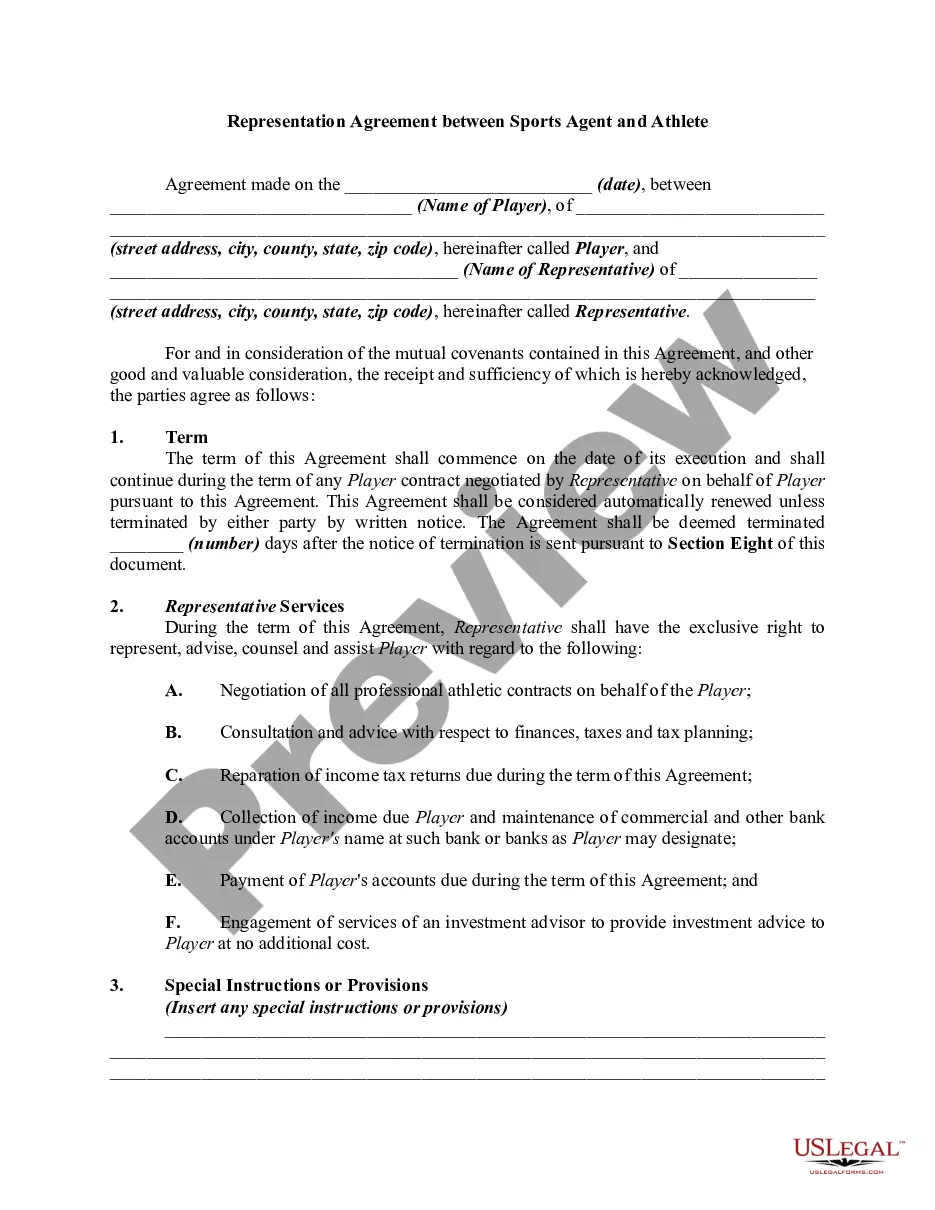
Get your form ready online
Our built-in tools help you complete, sign, share, and store your documents in one place.
Make edits, fill in missing information, and update formatting in US Legal Forms—just like you would in MS Word.
Download a copy, print it, send it by email, or mail it via USPS—whatever works best for your next step.
Sign and collect signatures with our SignNow integration. Send to multiple recipients, set reminders, and more. Go Premium to unlock E-Sign.
If this form requires notarization, complete it online through a secure video call—no need to meet a notary in person or wait for an appointment.
We protect your documents and personal data by following strict security and privacy standards.

Make edits, fill in missing information, and update formatting in US Legal Forms—just like you would in MS Word.

Download a copy, print it, send it by email, or mail it via USPS—whatever works best for your next step.

Sign and collect signatures with our SignNow integration. Send to multiple recipients, set reminders, and more. Go Premium to unlock E-Sign.

If this form requires notarization, complete it online through a secure video call—no need to meet a notary in person or wait for an appointment.

We protect your documents and personal data by following strict security and privacy standards.
Looking for another form?


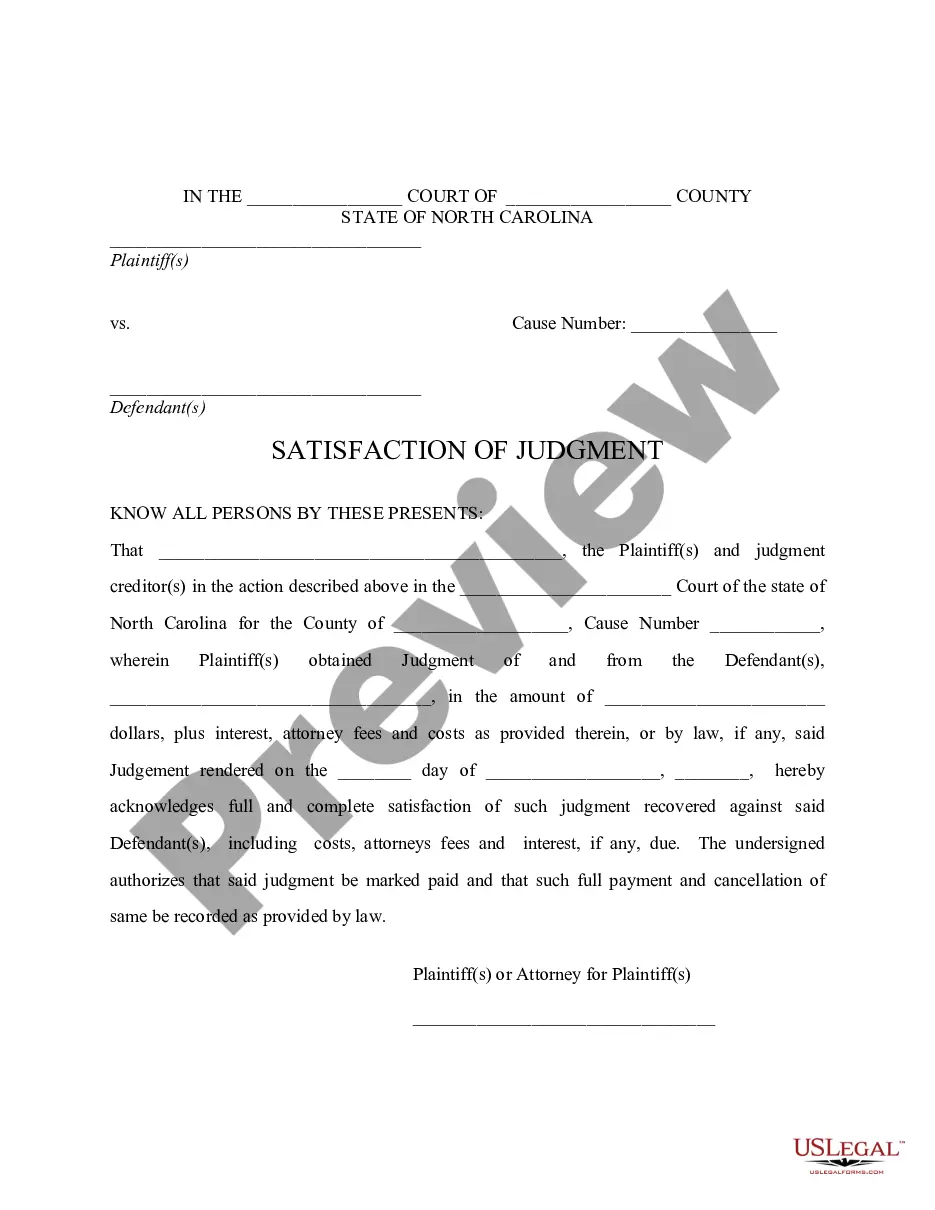

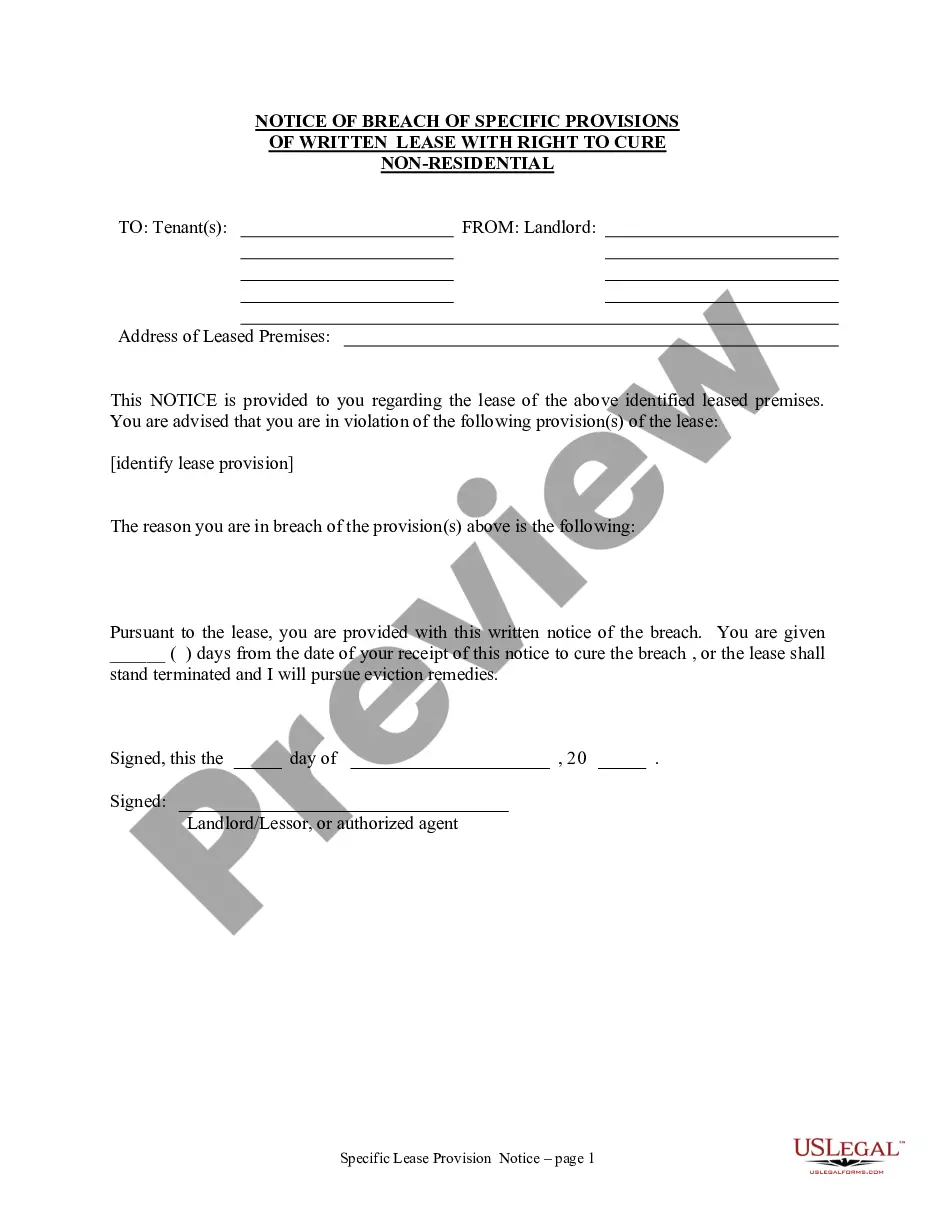
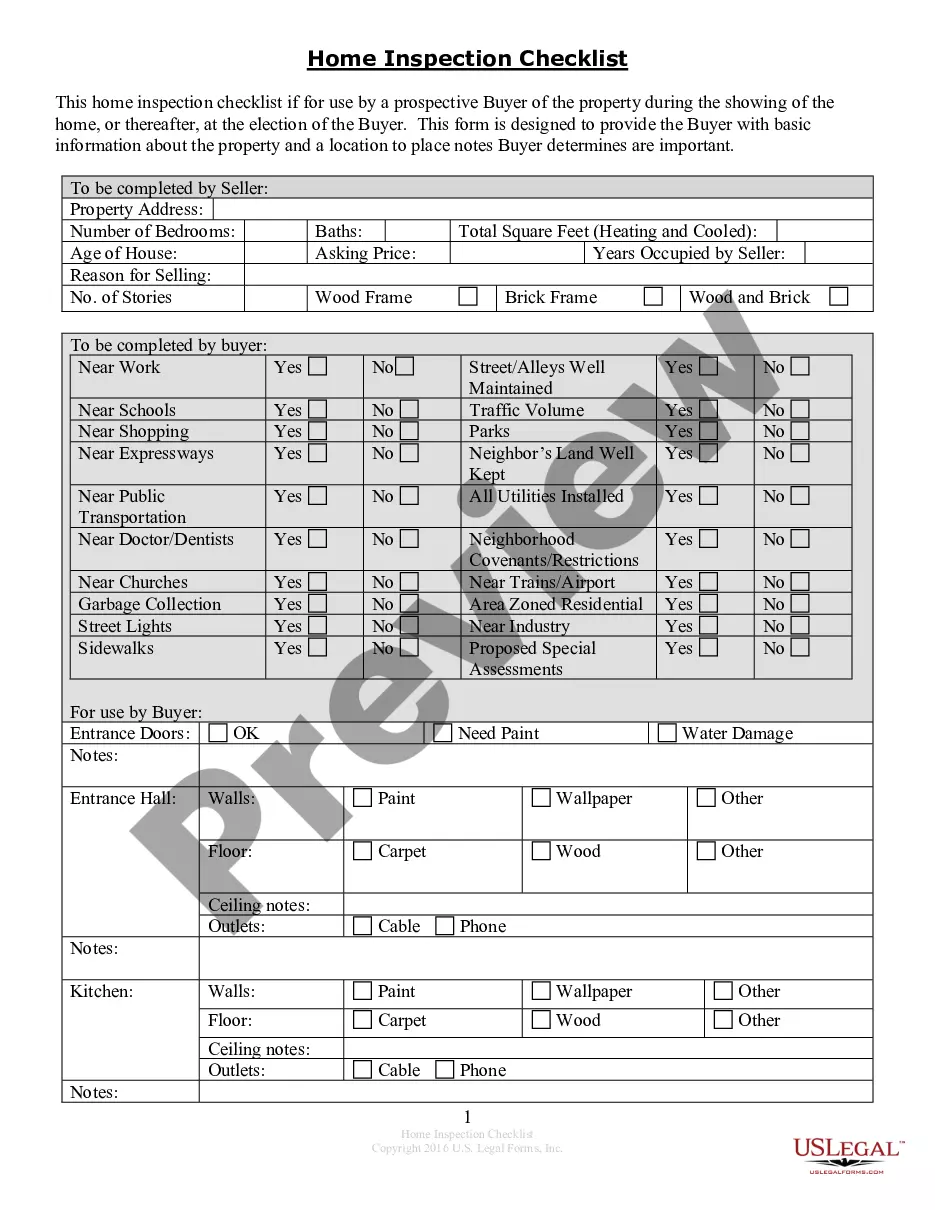




Form popularity
FAQ
A law book is "a work of legal doctrine". It consists of "law talk", that is to say, propositions of law. "The first duty of a law book is to state the law as it is, truly and accurately, and then the reason or principle for it as far as it is known".
The Law is made up of the first five books of the Bible, Genesis, Exodus, Leviticus, Numbers, and Deuteronomy.
The United States Code is the Code of Laws of the United States of America (also referred to as Code of Laws of the United States, United States Code, U.S. Code, or U.S.C.) and is a compilation and codification of all the general and permanent Federal laws of the United States.
This overview focuses on Library of Congress holdings of material in the subject area of law. The Law Library contains approximately 2.65 million volumes. The law collection includes approximately 20,000 serial titles, 83,500 reels of microform, 2,261,000 pieces of microfiche and 15,000 computer files.
Mail the original, copies and envelopes to: Clerk of Superior Court's Office, Criminal File Counter, 201 W. Jefferson, Phoenix, AZ 85003. After you have filed your Motion, the Judge may enter an Order or a Minute Entry advising you of their decision. You should receive notice from the court via the mail.
In the Rule 11 process, the Court orders two Mental Health Experts to meet with the defendant, conduct competency evaluations, review records, and render opinions on the legal competency status of the defendant in reports submitted to the Court.
The Superior Court is a court of general jurisdiction over cases relating to criminal felonies, juveniles, families, probate/mental health, tax, and civil. The Judicial Branch, headed by a Presiding Judge, includes the Superior Court, and the departments of Adult and Juvenile Probation.
Superior courts serve as both court of first instance for felonies and other cases, as well as an appellate court for matters appealed from municipal and justice courts. The superior court is the state's only general jurisdiction court and it hears the widest variety of cases.
Superior Court (cont'd) other cases in which the value of property in question is $1,000 or more, exclusive of interest and costs. criminal cases amounting to a felony, and misdemeanor cases not otherwise provided for by law. proceedings in insolvency (however, bankruptcy is handled in federal court)
The District Court handles misdemeanors where the maximum sentence is 2 ½ years in the House of Corrections. The Superior Court has authority over all crimes and most often handles major felony cases.
