Law Books With Name In King
Description
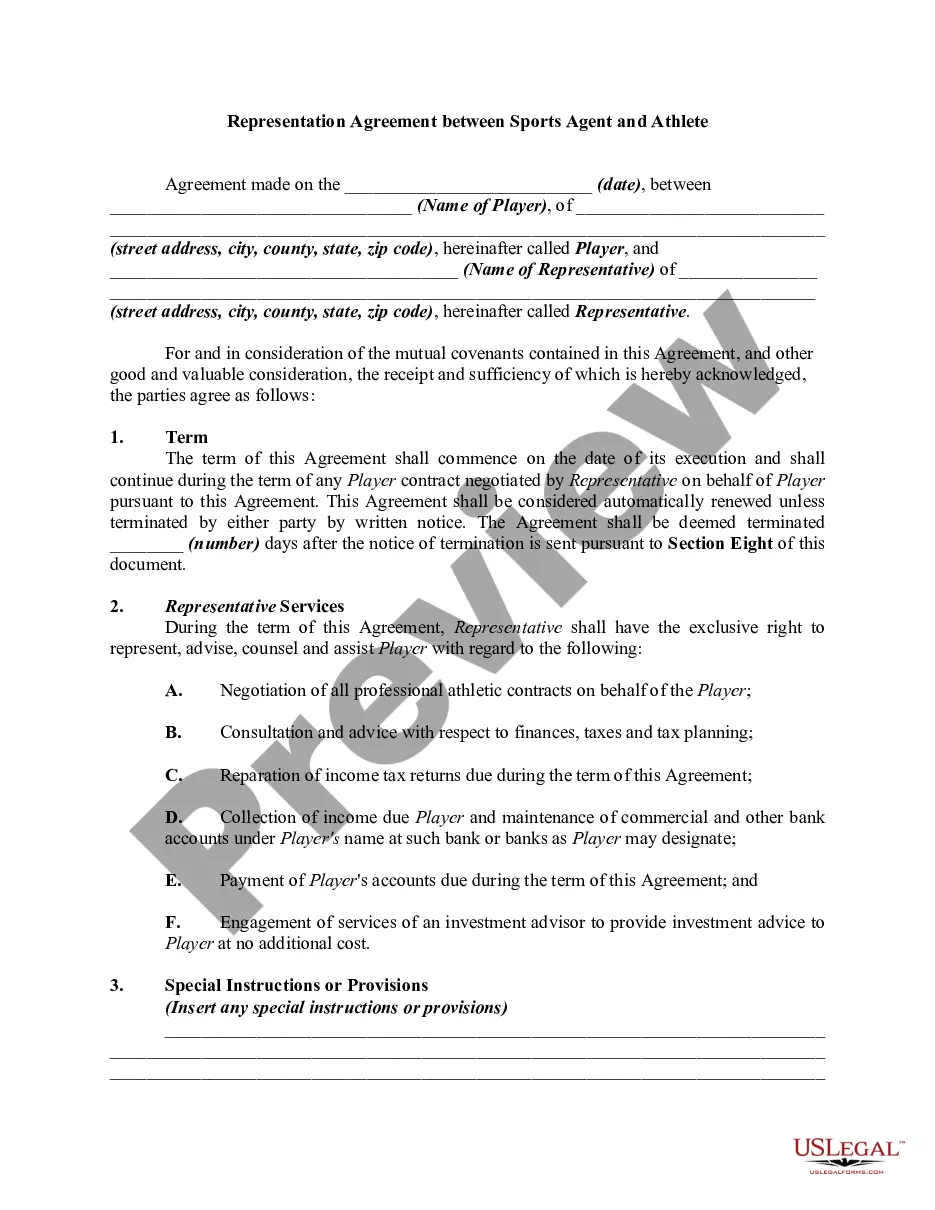
Get your form ready online
Our built-in tools help you complete, sign, share, and store your documents in one place.
Make edits, fill in missing information, and update formatting in US Legal Forms—just like you would in MS Word.
Download a copy, print it, send it by email, or mail it via USPS—whatever works best for your next step.
Sign and collect signatures with our SignNow integration. Send to multiple recipients, set reminders, and more. Go Premium to unlock E-Sign.
If this form requires notarization, complete it online through a secure video call—no need to meet a notary in person or wait for an appointment.
We protect your documents and personal data by following strict security and privacy standards.

Make edits, fill in missing information, and update formatting in US Legal Forms—just like you would in MS Word.

Download a copy, print it, send it by email, or mail it via USPS—whatever works best for your next step.

Sign and collect signatures with our SignNow integration. Send to multiple recipients, set reminders, and more. Go Premium to unlock E-Sign.

If this form requires notarization, complete it online through a secure video call—no need to meet a notary in person or wait for an appointment.

We protect your documents and personal data by following strict security and privacy standards.
Looking for another form?






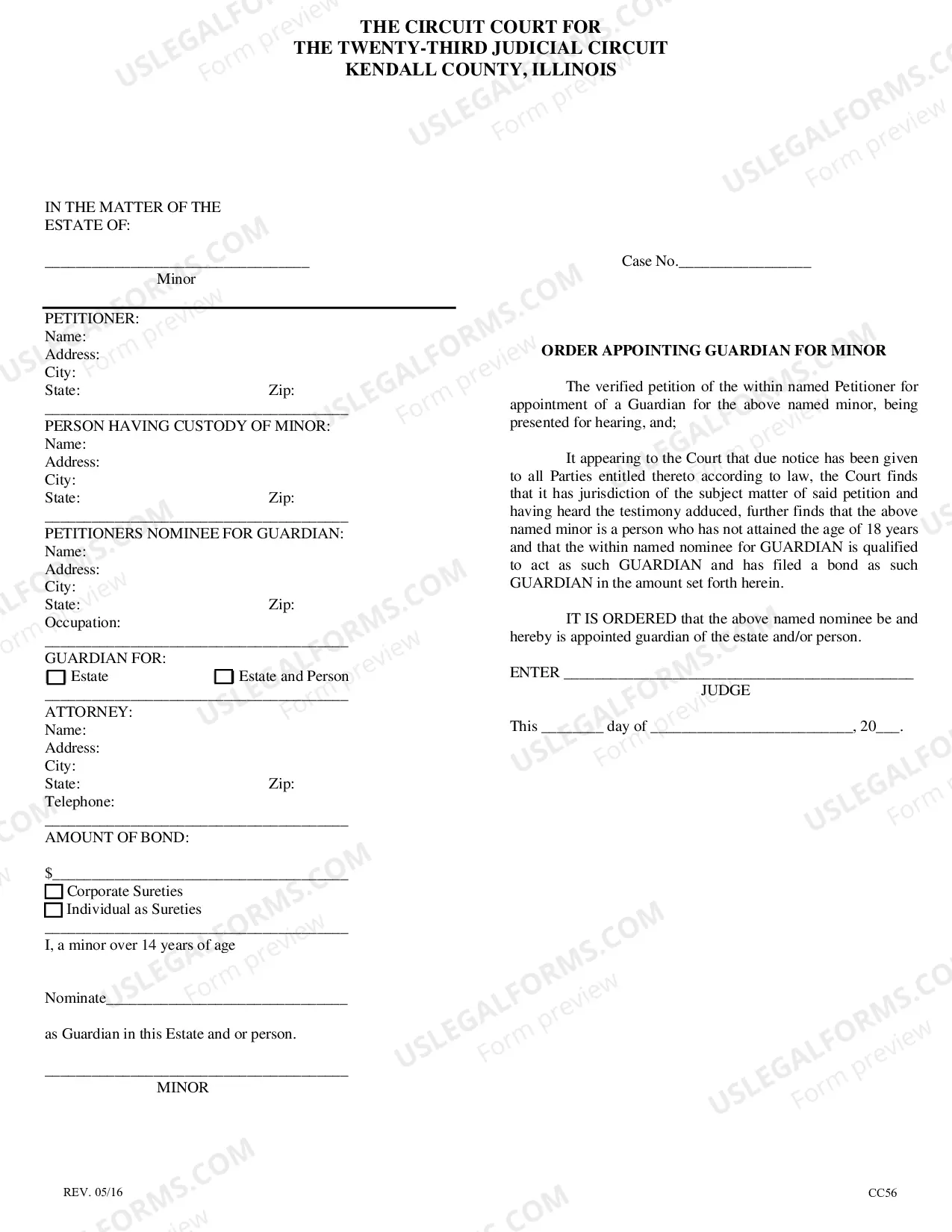



Form popularity
FAQ
Donate to Libraries or Schools : Many public libraries, law schools, or universities may accept donations of legal texts. Donate to Nonprofits Sell Online Trade or Exchange Give to Students Use for Teaching or Workshops Repurpose for Art or Decor Create a Resource Library
U.S. Code (U.S.C.) This code set consists of multiple volumes of the federal laws.
The Law is made up of the first five books of the Bible, Genesis, Exodus, Leviticus, Numbers, and Deuteronomy.
Thanks for signing up! “Letters to a Law Student” by Nicholas McBride. “Bleak House” by Charles Dickens. “Learning the Law” by Glanville Williams. “To Kill a Mockingbird” by Harper Lee. “Jeremy Hutchinson's Case Histories” by Thomas Grant. “Winning Arguments” by Jay Heinrichs. “Lord Denning, A Life” by Iris Freeman.
Legal books come in different types. Some examples of books on the law are treatises, hornbooks, practice guides, legal encyclopedias, and self-help law books. Treatises are books written by knowledgeable people, such as law professors, attorneys, or judges, that include detailed information on a legal topic.
The United States Code is a compilation of most public laws currently in force, organized by subject matter. When a law has been amended by another law, the U.S. Code reflects this change.
To get started you can use the Supreme Court Adult Name Change Petition Program to change your name. The adult name change form is used to ask (or “petition”) the NY State Supreme Court to change your name. The petition (court paper) may be filed in the Supreme Court in the county where the person lives.
The United States Code is the Code of Laws of the United States of America (also referred to as Code of Laws of the United States, United States Code, U.S. Code, or U.S.C.) and is a compilation and codification of all the general and permanent Federal laws of the United States.
``The Common Law'' by Oliver Wendell Holmes Jr. - A classic exploration of the development of common law principles. ``The Concept of Law'' by H.L.A. Hart ``Law's Empire'' by Ronald Dworkin - An influential work in legal theory that argues for a moral reading of law.
A Google search should be able to unearth an out-of-mind book title. But if you feel lazy, use Wikipedia as a book finder. The giant online encyclopedia has an ever-growing stockpile of the world's knowledge, so there's a chance it will also have clues to the book title lost to oblivion.
