Law Books For Personal Statement In Dallas
Description
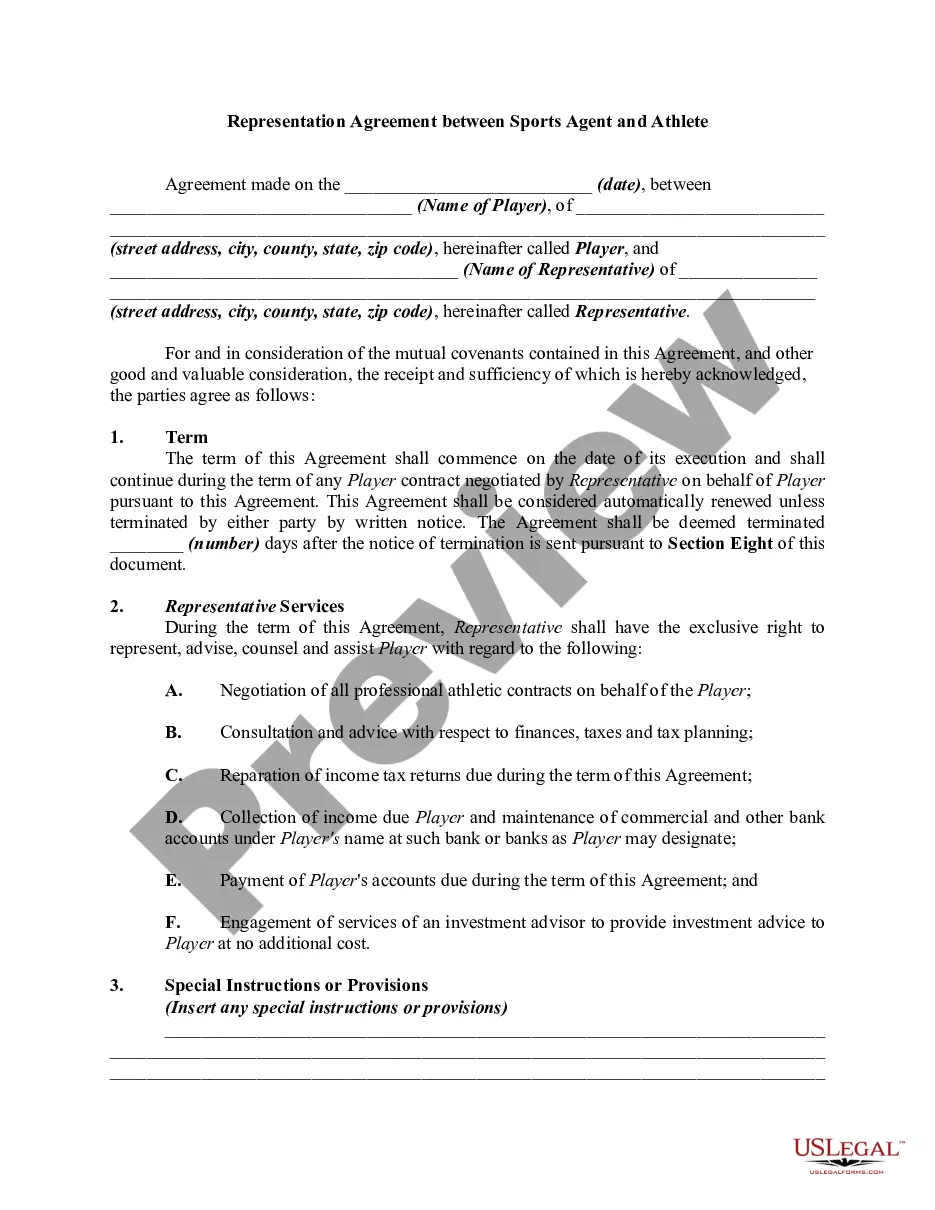
Get your form ready online
Our built-in tools help you complete, sign, share, and store your documents in one place.
Make edits, fill in missing information, and update formatting in US Legal Forms—just like you would in MS Word.
Download a copy, print it, send it by email, or mail it via USPS—whatever works best for your next step.
Sign and collect signatures with our SignNow integration. Send to multiple recipients, set reminders, and more. Go Premium to unlock E-Sign.
If this form requires notarization, complete it online through a secure video call—no need to meet a notary in person or wait for an appointment.
We protect your documents and personal data by following strict security and privacy standards.

Make edits, fill in missing information, and update formatting in US Legal Forms—just like you would in MS Word.

Download a copy, print it, send it by email, or mail it via USPS—whatever works best for your next step.

Sign and collect signatures with our SignNow integration. Send to multiple recipients, set reminders, and more. Go Premium to unlock E-Sign.

If this form requires notarization, complete it online through a secure video call—no need to meet a notary in person or wait for an appointment.

We protect your documents and personal data by following strict security and privacy standards.
Looking for another form?








Form popularity
FAQ
How to Write a Personal Statement The New Yorker Magazine Joan Didion's essays Tina Fey's memoir, BossyPants When Breath Becomes Air, by Paul Kalinithi The historical travel writing of Sarah Vowell A Walk in the Woods by Bill Bryson Into Thin Air or Into the Wild by John Krakauer Zeitoun, by Dave Eggers
The main idea for your personal statement is to show that you are enthusiastic about your course and willing to commit. You can refer to as many books as you like but make sure that they all have a purpose.
Your opening should grab the reader's attention and set the tone for your story. Consider starting with an anecdote, a surprising fact about yourself, or a pivotal moment that sparked a passion or interest. This not only makes your statement engaging but also personalizes it from the start.
1. CPC by Takwani 2. CrPC by Kelkar 3. Constitutional Law by VN Shukla 4. Contract law by Mulla 5. Law of Tort by Ratanlal Dhirajlal 6. Family law by Poonam Pradham Saxena 7. Property law by Poonam Pradhan Saxena
A personal statement can massively improve your chances of getting accepted to a top law school. And today, you get a real example from an applicant with a low GPA who got admitted to a T-10 law school.
The time it takes to write a personal statement can vary depending on several factors, including how much preparation you have done and your writing skills. On average, it can take several weeks to produce a polished personal statement.
Law School Confidential by Robert H. Miller sets you up to be a successful 1L by detailing what to expect during your first year. You'll also find tips on what to do in every first-year law school situation that will most likely happen to you.
Law School Personal Statement Topics to Avoid 1. General reference to historical or political events 2. Athlete stories 3. Generic study abroad story 4. High school events 5. Overly artsy, creative writing-type essays 6. Woe is me essay
9 Important Personal Statement Tips for Law School Applicants Tip 1: Focus on you. Tip 2: Brainstorm broadly. Tip 3: Be genuine. Tip 4: Just write. Tip 5: Remember your “why” ... Tip 6: Be specific. Tip 7: Grab our attention. Tip 8: Know what makes the school tick.
The basic format of a law school personal statement is a double-spaced essay with 1-inch margins. You should use a standard font in size 11 or 12, like Times New Roman, Calibri, Cambria, or Arial. You can also use standard Google fonts with a similar aesthetic, like Roboto.
