Law Book For Georgia In Clark
Description
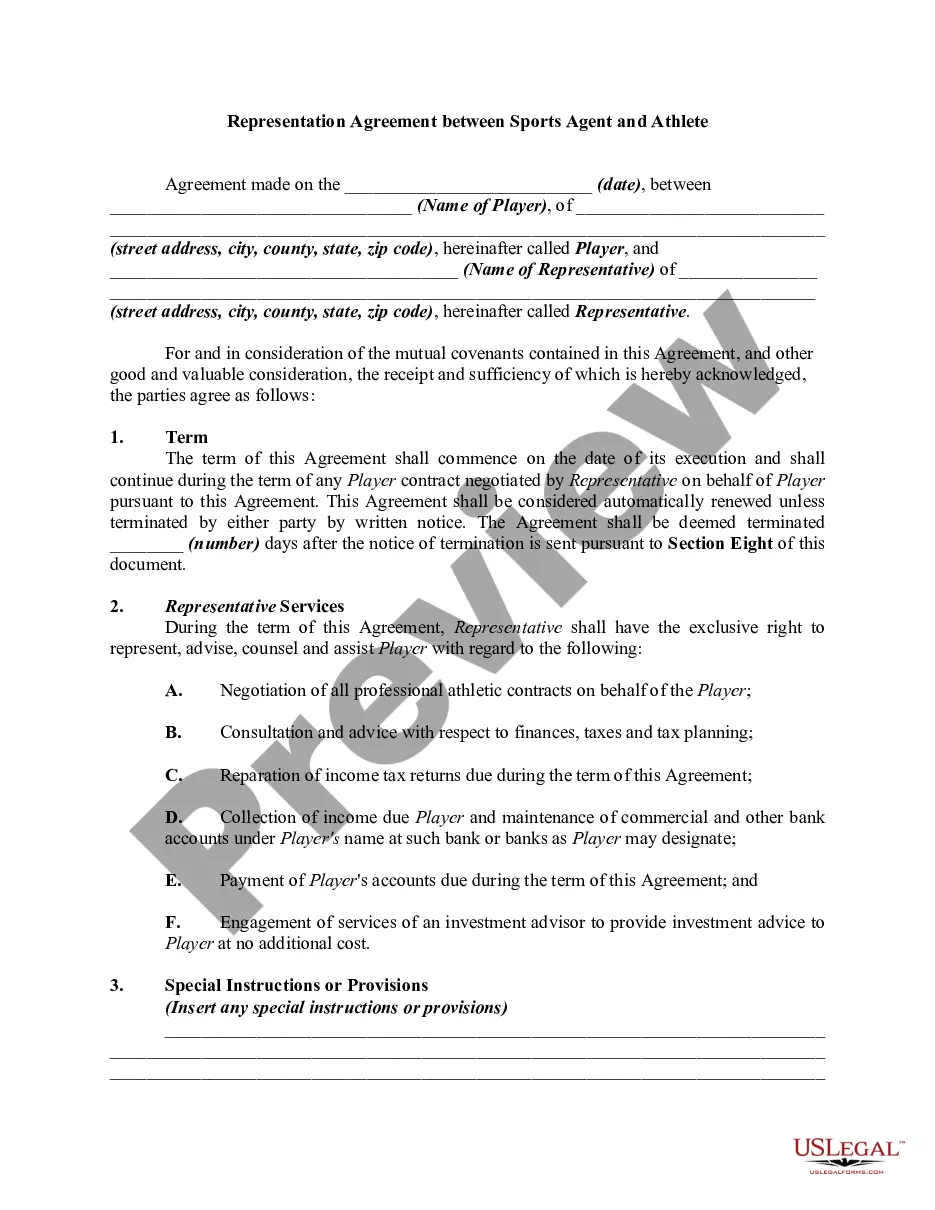
Get your form ready online
Our built-in tools help you complete, sign, share, and store your documents in one place.
Make edits, fill in missing information, and update formatting in US Legal Forms—just like you would in MS Word.
Download a copy, print it, send it by email, or mail it via USPS—whatever works best for your next step.
Sign and collect signatures with our SignNow integration. Send to multiple recipients, set reminders, and more. Go Premium to unlock E-Sign.
If this form requires notarization, complete it online through a secure video call—no need to meet a notary in person or wait for an appointment.
We protect your documents and personal data by following strict security and privacy standards.

Make edits, fill in missing information, and update formatting in US Legal Forms—just like you would in MS Word.

Download a copy, print it, send it by email, or mail it via USPS—whatever works best for your next step.

Sign and collect signatures with our SignNow integration. Send to multiple recipients, set reminders, and more. Go Premium to unlock E-Sign.

If this form requires notarization, complete it online through a secure video call—no need to meet a notary in person or wait for an appointment.

We protect your documents and personal data by following strict security and privacy standards.
Looking for another form?





Form popularity
FAQ
The legal system of Georgia is based on the common law. Like all U.S. states except Louisiana, Georgia has a reception statute providing for the "reception" of English law. All statutes, regulations, and ordinances are subject to judicial review.
Georgia is not a common-law state in the sense that a common-law marriage can no longer be created in this state. Since January 1, 1997, no one can create or form a common law marriage in Georgia. Any such marriages created in Georgia before January 1, 1997, will be recognized as common-law marriages.
Choice of law clause, also known as a governing law clause, that allows the contracting parties to choose the substantive law of Georgia to apply to the contract.
The law of the case rule is abolished; but generally judgments and orders shall not be set aside or modified without just cause and, in setting aside or otherwise modifying judgments and orders, the court shall consider whether rights have vested thereunder and whether or not innocent parties would be injured thereby; ...
Georgia's legal system is based on common law, which is interpreted by case law through the decisions of the Supreme Court and the Court of Appeals, which are published in the Georgia Reports and Georgia Appeals Reports, respectively.
Laws governing entities regulated by the Department are primarily found in Title 7 of the Official Code of Georgia Annotated ("Code"). Access to the entire Code is provided by LexisNexis from the Georgia General Assembly's website. Go to Code.
Containing 51 titles, the main edition of the United States Code is published every six years by the Office of the Law Revision Counsel of the House of Representatives, and cumulative supplements are published annually to provide the most up-to-date information.
No person shall be deprived of life, liberty, or property except by due process of law. Paragraph II. Protection to person and property; equal protection. Protection to person and property is the paramount duty of government and shall be impartial and complete.
The Georgia Archives, many libraries, and all Georgia courthouses have the Official Code of Georgia Annotated (OCGA) and it is available online at: . From the reference(s) in OCGA, check the published laws to determine the Act number and Bill number.
The United States Code is the Code of Laws of the United States of America (also referred to as Code of Laws of the United States, United States Code, U.S. Code, or U.S.C.) and is a compilation and codification of all the general and permanent Federal laws of the United States.
