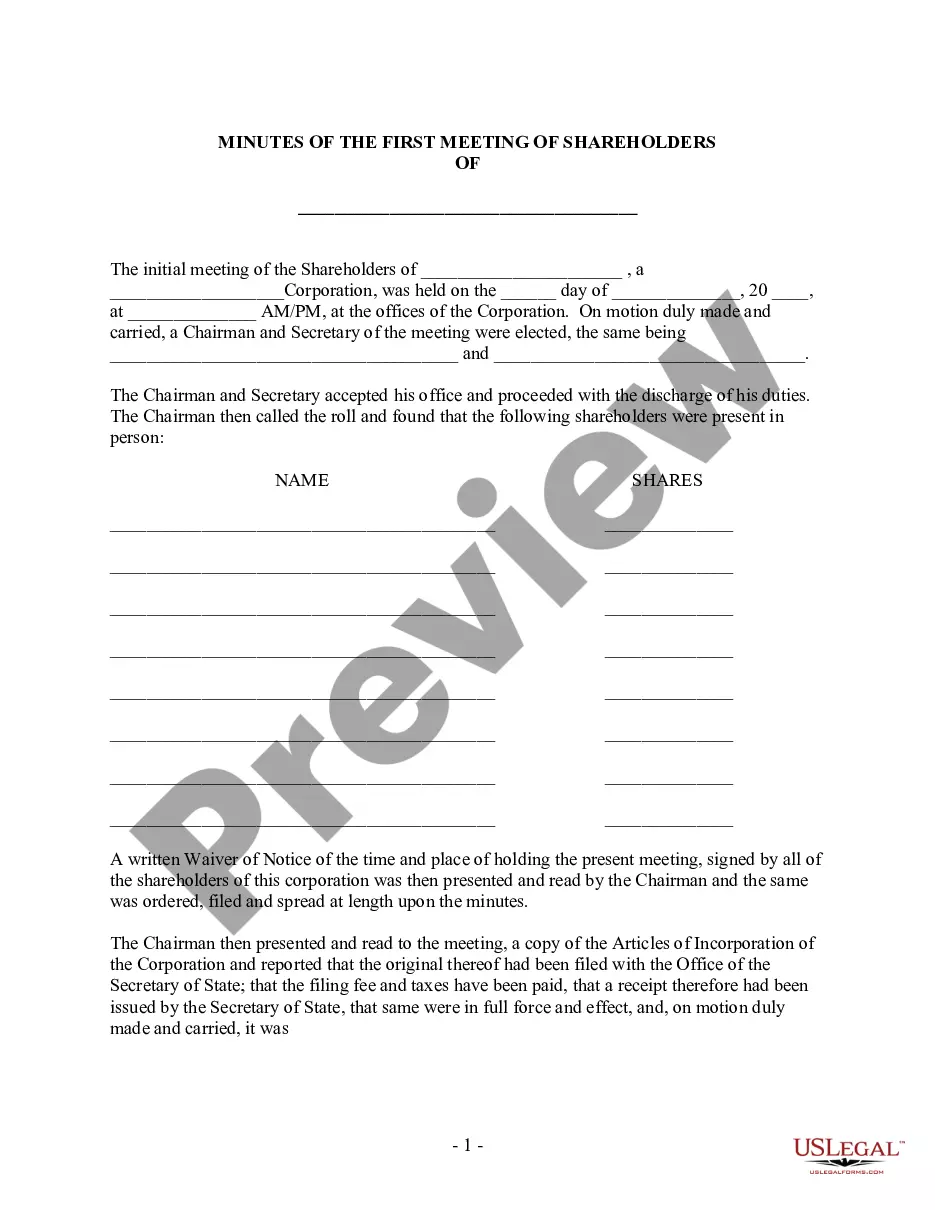
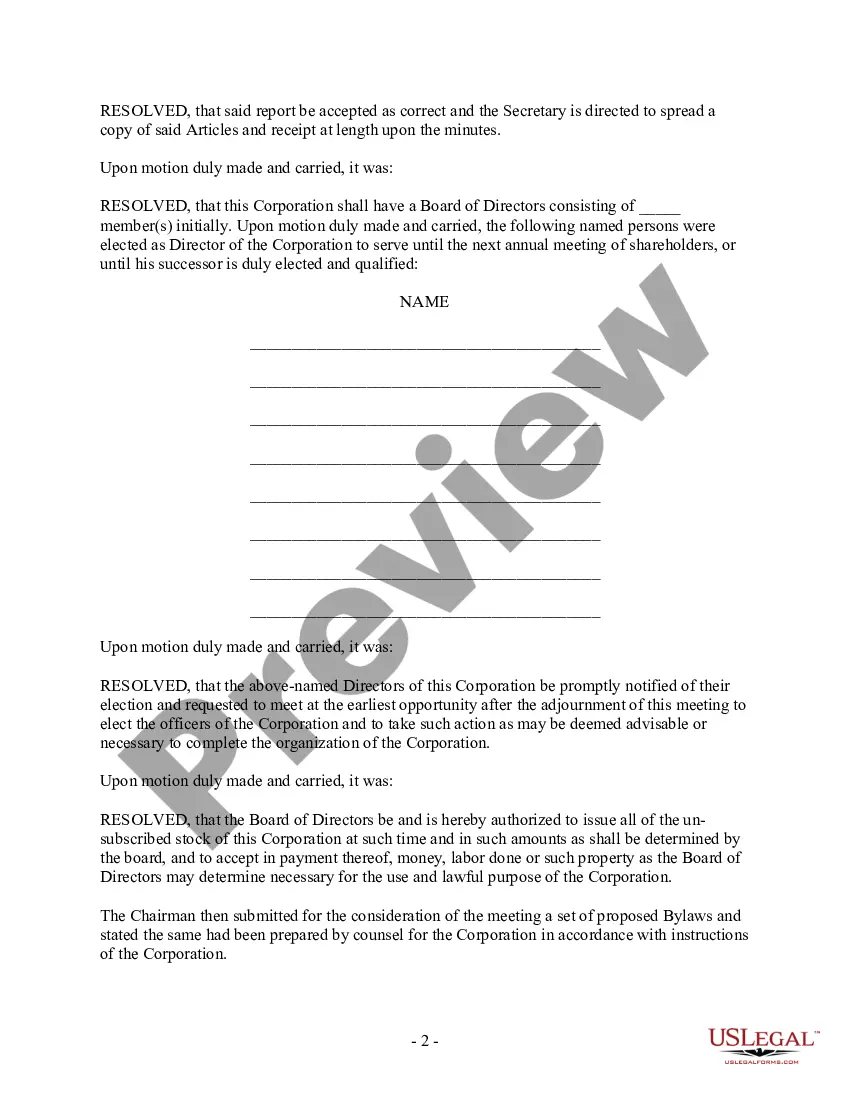
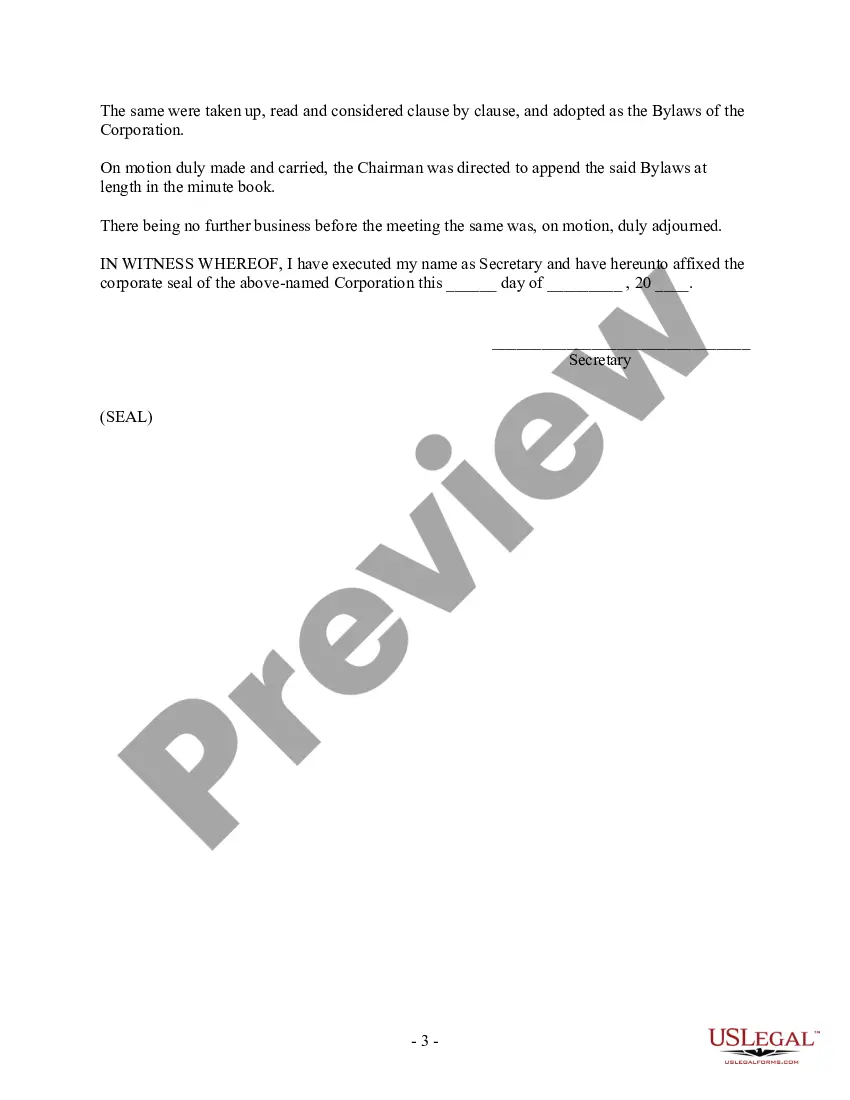
Meeting Minutes Corporate With Action Items Template In Wake
Description



Get your form ready online
Our built-in tools help you complete, sign, share, and store your documents in one place.
Make edits, fill in missing information, and update formatting in US Legal Forms—just like you would in MS Word.
Download a copy, print it, send it by email, or mail it via USPS—whatever works best for your next step.
Sign and collect signatures with our SignNow integration. Send to multiple recipients, set reminders, and more. Go Premium to unlock E-Sign.
If this form requires notarization, complete it online through a secure video call—no need to meet a notary in person or wait for an appointment.
We protect your documents and personal data by following strict security and privacy standards.

Make edits, fill in missing information, and update formatting in US Legal Forms—just like you would in MS Word.

Download a copy, print it, send it by email, or mail it via USPS—whatever works best for your next step.

Sign and collect signatures with our SignNow integration. Send to multiple recipients, set reminders, and more. Go Premium to unlock E-Sign.

If this form requires notarization, complete it online through a secure video call—no need to meet a notary in person or wait for an appointment.

We protect your documents and personal data by following strict security and privacy standards.
Looking for another form?

Form popularity
FAQ
Action items: List any tasks that have been assigned or agreed upon, along with the details of the assignees and deadlines. Next steps: Don't forget to record any remaining tasks to be accomplished, follow-up meetings, or plans for implementation.
5 steps to write impactful meeting action items Write the action item (what) Discuss the purpose (why) Set a due date (when) Assign a person to every action item (who) Think about what happens next.
7 Quick and Effective Steps for Tracking Action Items In order to reach business or organizational goals, we need to take action. Ensure Clarity. Establish a System. Include Key Information. Attach Deadlines. Record Action Items and Changes. Monitor the Progress of Action Items. Follow up with Task Owners.
Corporate meeting minutes typically include: The meeting's date, time and location. A list of attendees and absentees, including any present board members or officers. Agenda items. Summaries of all discussion points. Details of all activities completed or agreed upon. Results of any votes or motions.
How do I write action items in meeting minutes? Summarize the meeting conversation topic and the problem that needs to be solved. Decide on the specific action that needs to be done to help progress the project, problem, or goal. Assign the action to the most suitable person for the job.
Robert's Rules of Order offers a simple guideline for what should be included in meeting minutes: minutes should record what is done, not what is said. Action minutes record key information about the meeting and describe any action that was taken.
Meeting action items and meeting minutes go hand-in-hand to ensure that all tasks are completed. Meeting minutes help to capture the discussion, decisions, and action items from a meeting, whereas meeting action items set out specific assignments for team members to complete.
Agendas most often include: Informational items - sharing out updates regarding a topic for the group. For example, a manager may provide an update on the year-end planning process. Action items - items that you expect the group will want to review during the meeting.
For meeting notes that happen frequently I like to keep them in one page and have the date be a header and the content indented since you can collapse at the heading and keep past meetings hidden and neat.
What Should Be Included in Meeting Minutes? Date and time of the meeting. Names of the meeting participants and those unable to attend (e.g., “regrets”) Acceptance or corrections/amendments to previous meeting minutes. Decisions made about each agenda item, for example: Actions taken or agreed to be taken. Next steps.