Requesting Discovery Form For Divorce In Virginia
Description
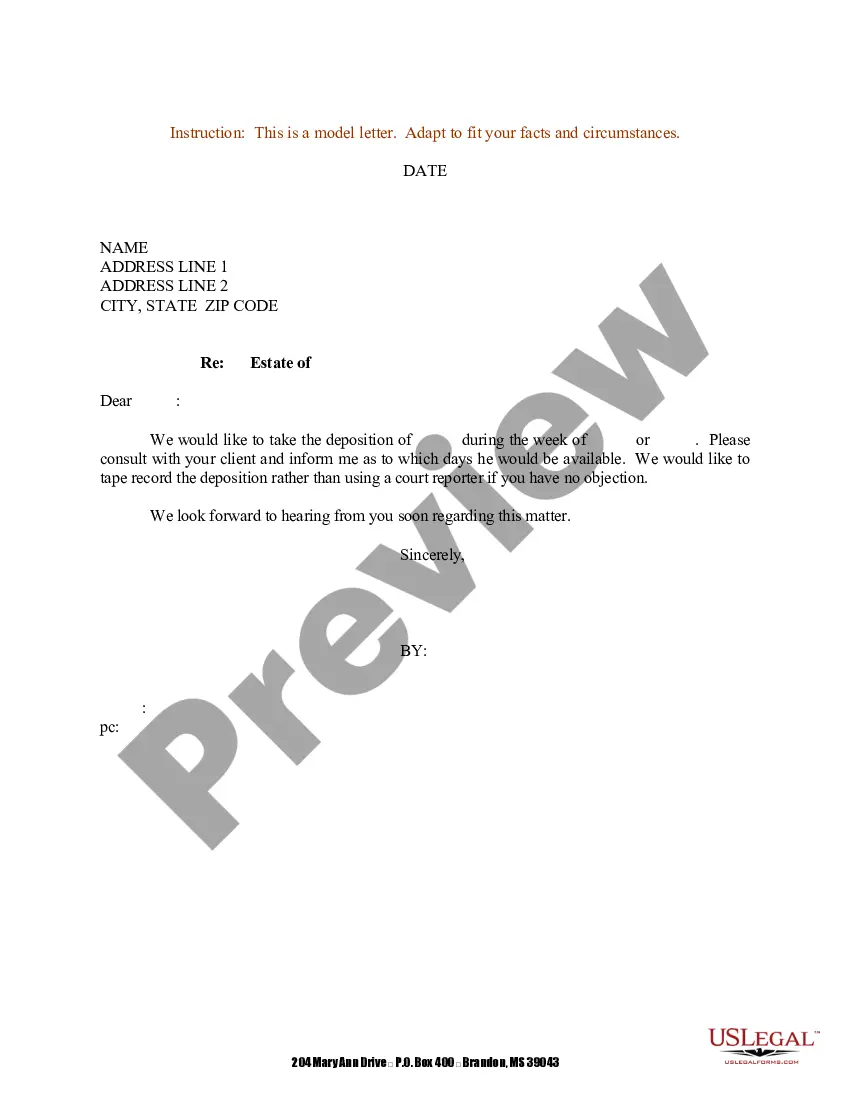
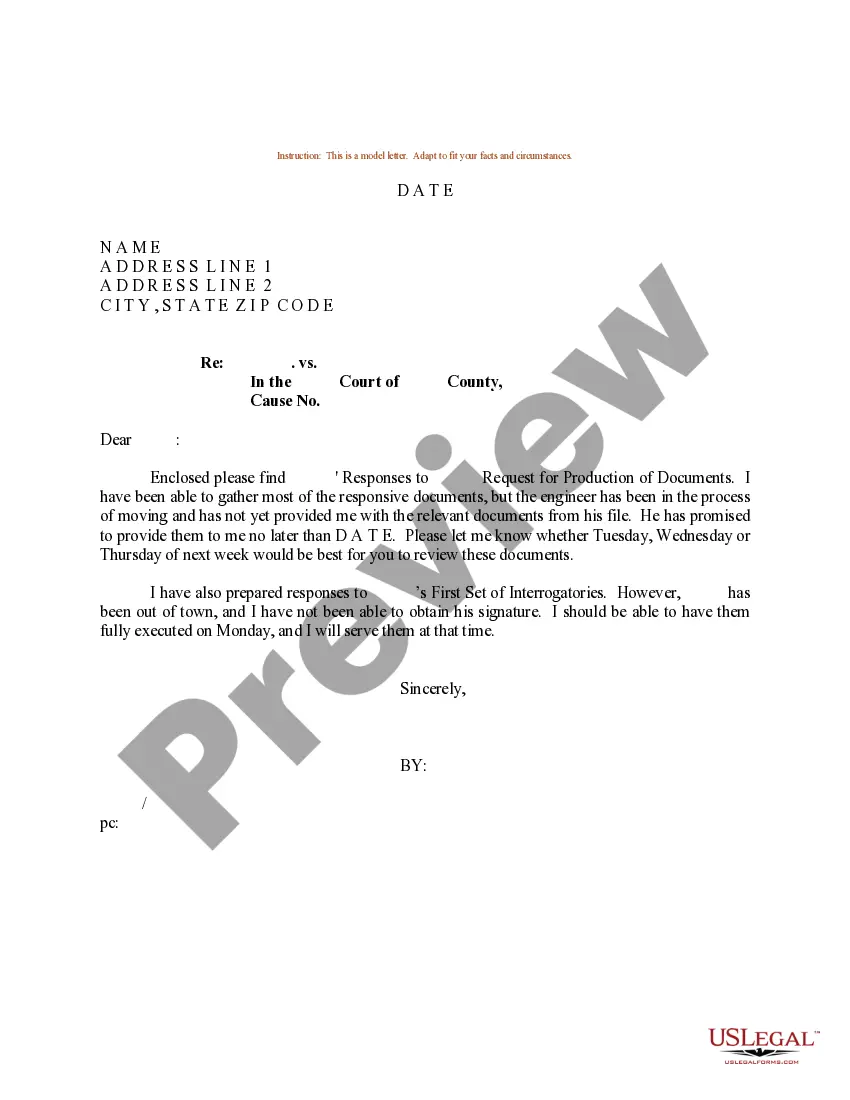
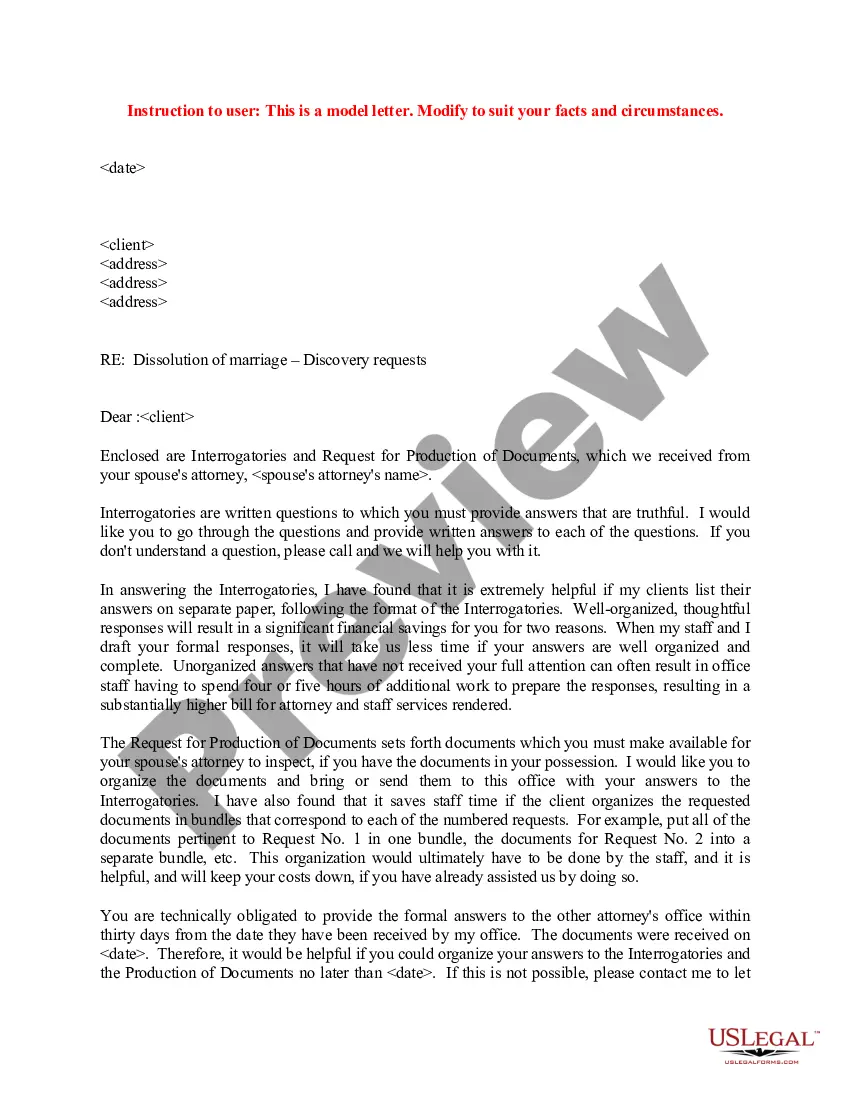
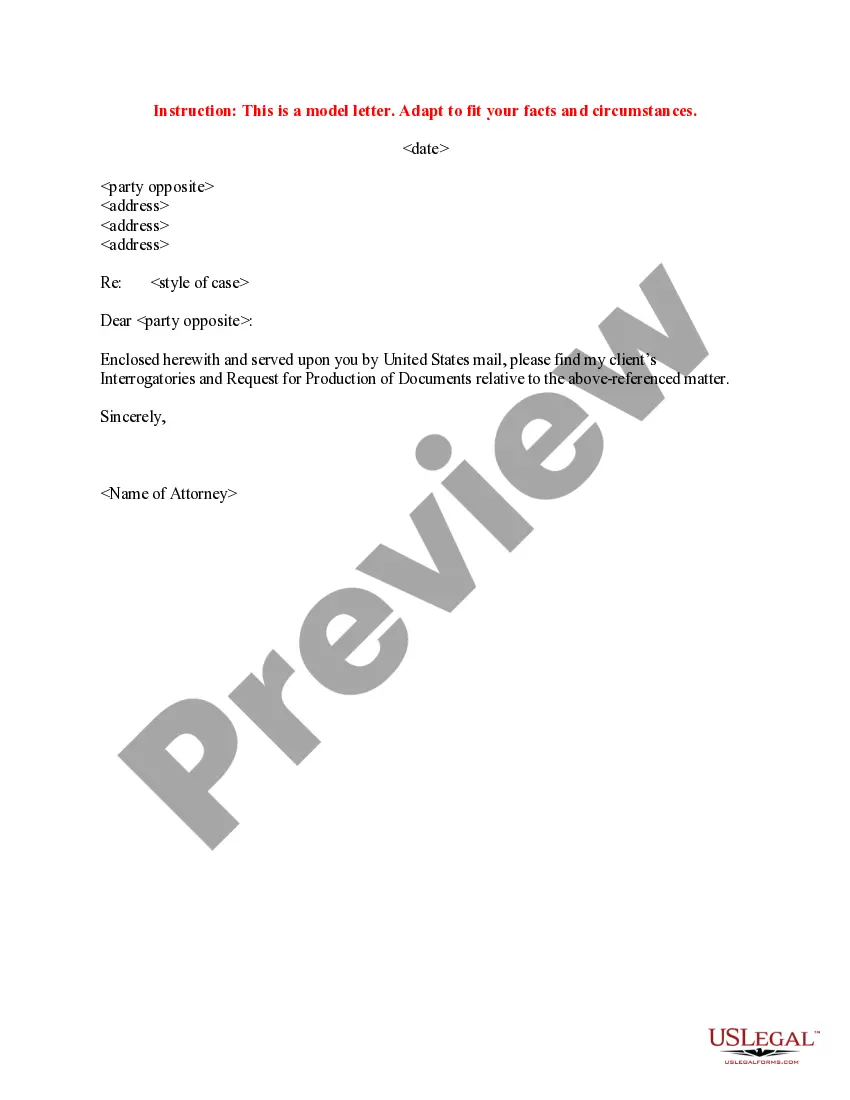
Get your form ready online
Our built-in tools help you complete, sign, share, and store your documents in one place.
Make edits, fill in missing information, and update formatting in US Legal Forms—just like you would in MS Word.
Download a copy, print it, send it by email, or mail it via USPS—whatever works best for your next step.
Sign and collect signatures with our SignNow integration. Send to multiple recipients, set reminders, and more. Go Premium to unlock E-Sign.
If this form requires notarization, complete it online through a secure video call—no need to meet a notary in person or wait for an appointment.
We protect your documents and personal data by following strict security and privacy standards.

Make edits, fill in missing information, and update formatting in US Legal Forms—just like you would in MS Word.

Download a copy, print it, send it by email, or mail it via USPS—whatever works best for your next step.

Sign and collect signatures with our SignNow integration. Send to multiple recipients, set reminders, and more. Go Premium to unlock E-Sign.

If this form requires notarization, complete it online through a secure video call—no need to meet a notary in person or wait for an appointment.

We protect your documents and personal data by following strict security and privacy standards.
Looking for another form?



Form popularity
FAQ
The earlier that you can begin considering these questions, the better. Once discovery is issued, parties typically have 21 days to respond. However, attorneys (in collaboration with their paralegal to keep costs down) will likely need several days to compile, review, and complete the responses as well.
The Virginia Rules of Evidence recognize a broad definition of writings, including “letters, words, numbers, or their equivalent, set down by handwriting, typewriting, printing, photographing, magnetic impulse, mechanical or electrical recording, or other form of data compilation or preservation.” The best evidence ...
Parties may obtain discovery regarding any matter, not privileged, which is relevant to the subject matter involved in the pending action, whether it relates to the claim or defense of the party seeking discovery or to the claim or defense of any other party, including the existence, description, nature, custody, ...
Your answers should be short and concise. Only answer the actual question being asked of you. Type your responses, please do not handwrite your responses. Be truthful.
The parties shall complete discovery, including depositions, by 30 days before trial; however, depositions taken in lieu of live testimony at trial will be permitted until 15 days before trial.
The California discovery rule stops the clock on the statute of limitations until the plaintiff either finds out about the cause of action or has a good reason to do so. This rule comes into play when the plaintiff didn't realize, and a reasonable person wouldn't have realized, that they were harmed.
(ii) Response. The party upon whom the request is served must serve a written response within 21 days after the service of the request, except that a defendant may serve a response within 28 days after service of the complaint upon that defendant. The court may allow a shorter or longer time.
The only way to avoid the invasive discovery process during divorce is to draft a settlement agreement with a spouse outside of court. When both parties in the divorce can agree on the division of their assets in a way that they're satisfied with, they can form their own divorce settlement agreement outside of court.
Discovery is designed to ensure fairness and transparency in the divorce process, and non-compliance by one spouse hinders this process. Consequently, if you don't comply with discovery requests, it can have serious legal repercussions and lead to adverse rulings against you in the divorce proceedings.
Examples of Real Divorce Discovery Questions What is your current income? What is your employment history for the past 10 years? What are your current expenses? Do you have any outstanding debts? What is the value of your retirement accounts? Do you have any other sources of income?
