Requesting Discovery Form For Canada In Virginia
Description
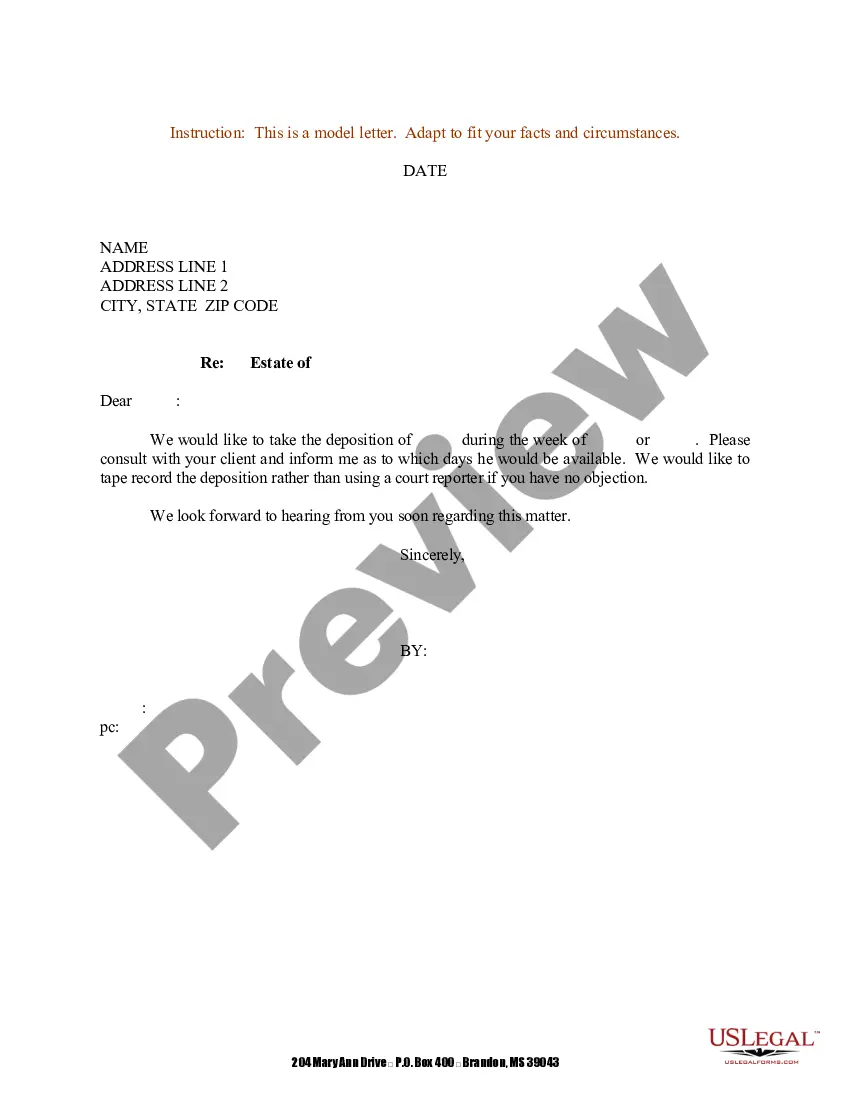
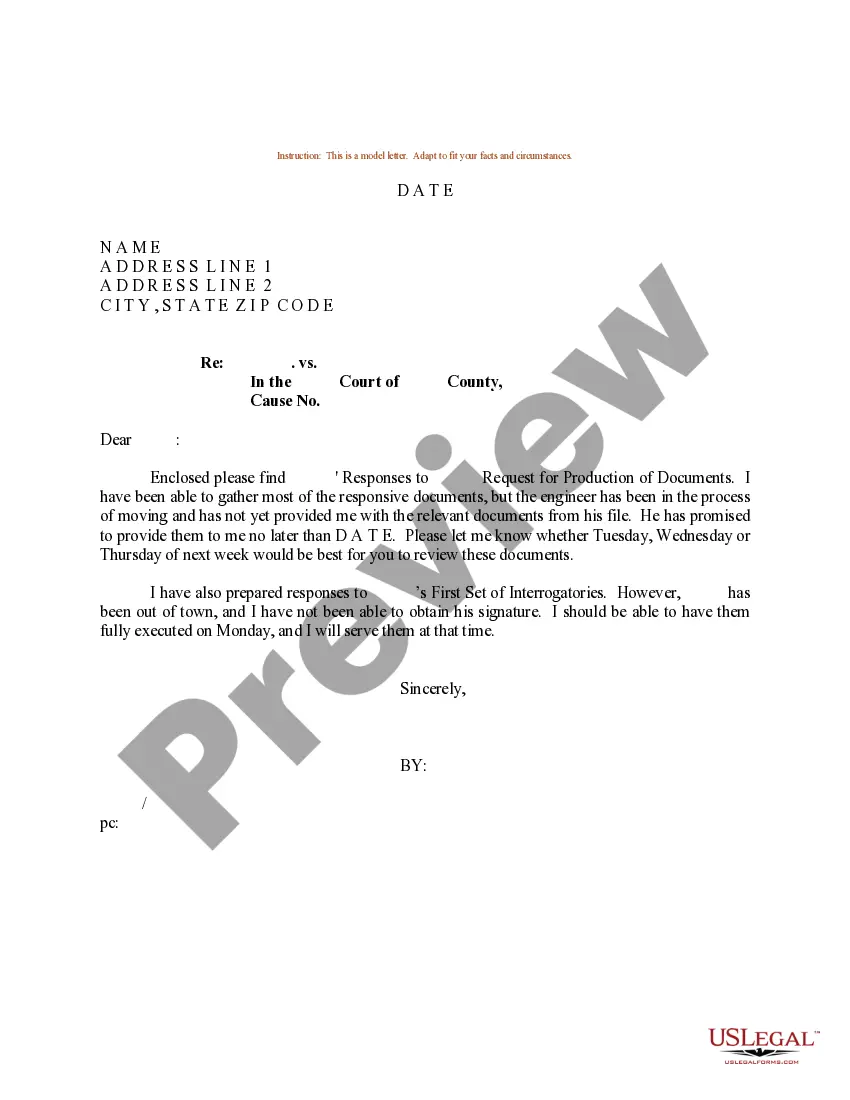
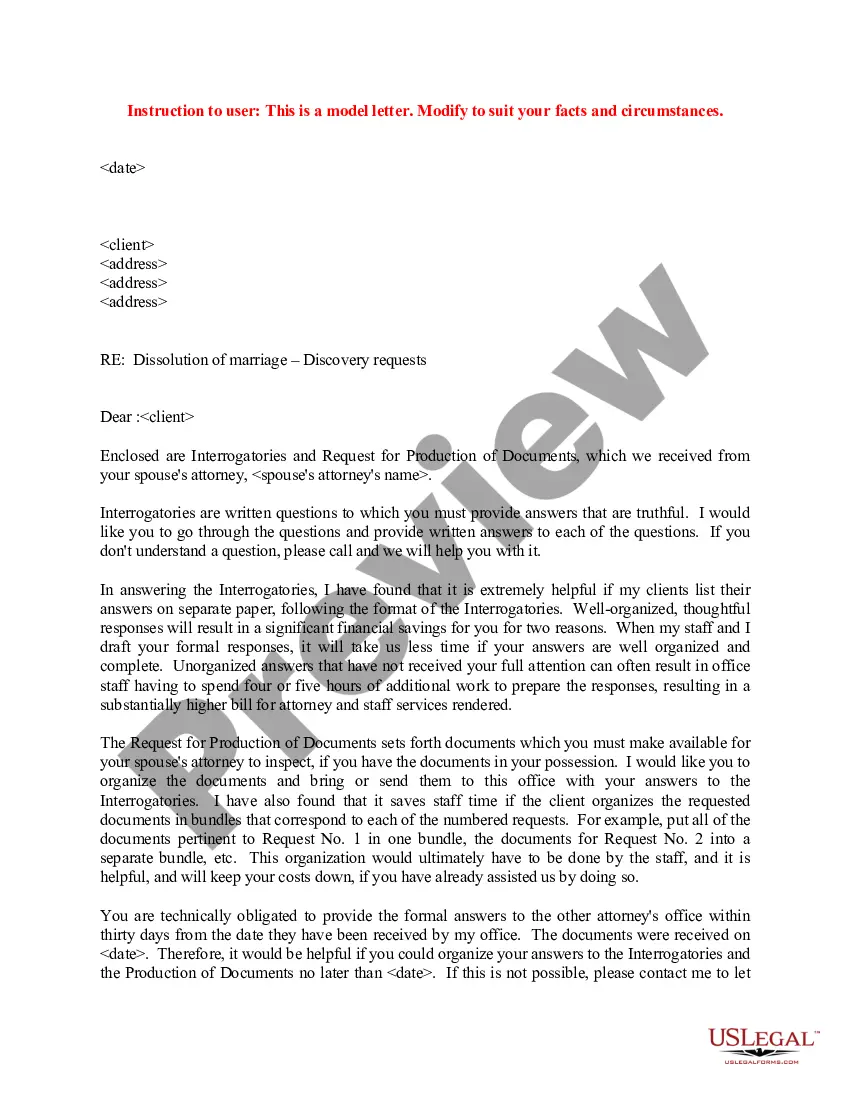
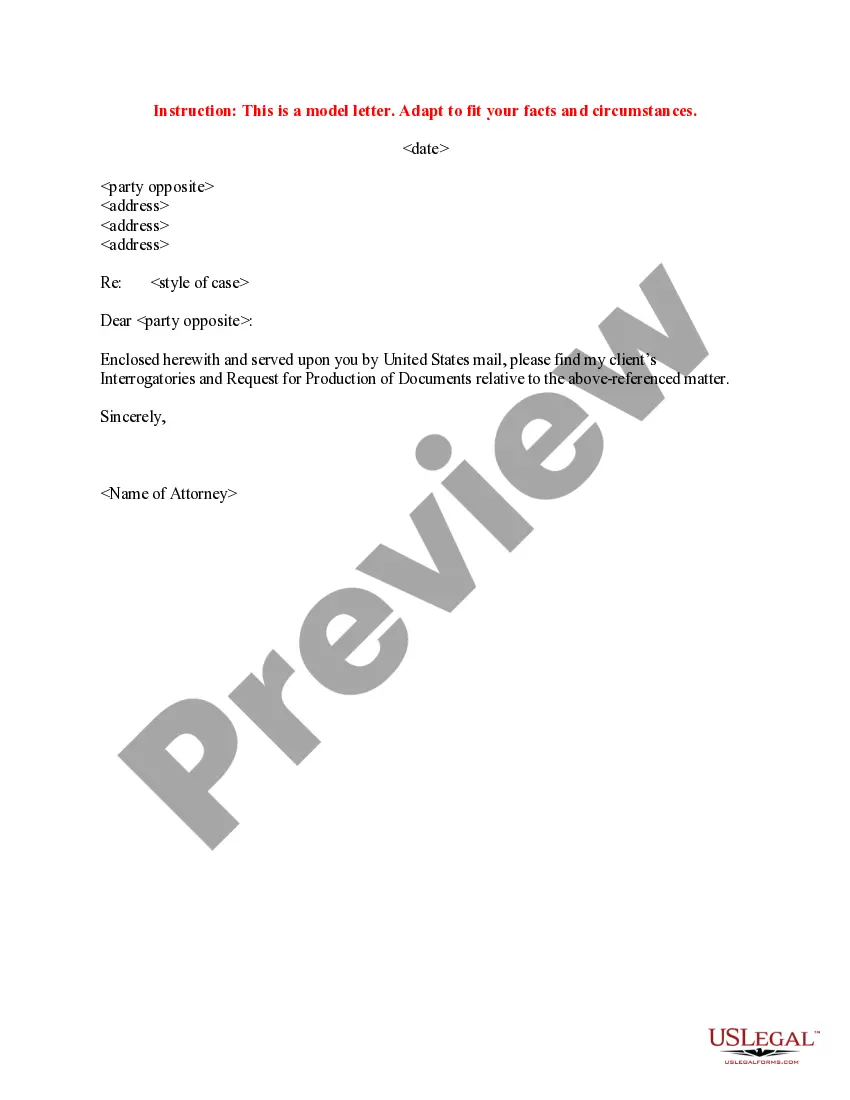
Get your form ready online
Our built-in tools help you complete, sign, share, and store your documents in one place.
Make edits, fill in missing information, and update formatting in US Legal Forms—just like you would in MS Word.
Download a copy, print it, send it by email, or mail it via USPS—whatever works best for your next step.
Sign and collect signatures with our SignNow integration. Send to multiple recipients, set reminders, and more. Go Premium to unlock E-Sign.
If this form requires notarization, complete it online through a secure video call—no need to meet a notary in person or wait for an appointment.
We protect your documents and personal data by following strict security and privacy standards.

Make edits, fill in missing information, and update formatting in US Legal Forms—just like you would in MS Word.

Download a copy, print it, send it by email, or mail it via USPS—whatever works best for your next step.

Sign and collect signatures with our SignNow integration. Send to multiple recipients, set reminders, and more. Go Premium to unlock E-Sign.

If this form requires notarization, complete it online through a secure video call—no need to meet a notary in person or wait for an appointment.

We protect your documents and personal data by following strict security and privacy standards.
Looking for another form?








Form popularity
FAQ
Unlike subpoenas to be served in the United States, the clerk's office cannot routinely issue a subpoena to be served in a foreign country. The party seeking such a subpoena must move the court for an order directing the issuance of the subpoena pursuant to 28 U.S.C. § 1783.
A subpoena may also be issued in a civil proceeding by an attorney-at-law who is an active member of the Virginia State Bar at the time of issuance, as an officer of the court.
To request the issuance of a subpoena under this article, a party shall submit to the clerk of court in the circuit in which discovery is sought to be conducted in the Commonwealth (i) a foreign subpoena and (ii) a written statement that the law of the foreign jurisdiction grants reciprocal privileges to citizens of ...
Parties may obtain discovery regarding any matter, not privileged, which is relevant to the subject matter involved in the pending action, whether it relates to the claim or defense of the party seeking discovery or to the claim or defense of any other party, including the existence, description, nature, custody, ...
The parties shall complete discovery, including depositions, by 30 days before trial; however, depositions taken in lieu of live testimony at trial will be permitted until 15 days before trial.
Under the Rules, a written motion must be filed to ask for discovery. It must be filed at least 10 days before trial. What Information Must the Prosecutor Provide? In general, discovery is limited to information that the prosecutor or local law enforcement has.
If any subpoena is served less than five calendar days before appearance is required upon any judicial officer generally incompetent to testify pursuant to § 19.2-271, such subpoena shall be without legal force or effect unless the subpoena has been issued by a judge.
This involves requesting the subpoena to be issued from the out-of-state court, which, depending on the state, can be done through an application, filing a petition as a process server, providing additional documents to the court, or having an attorney file a petition.
A standard entry on criminal dockets is “Motion for Discovery.” This motion is a tool your criminal defense lawyer uses to access the prosecution's information and evidence against you. Virtually every criminal case that reaches trial will undergo the discovery process.

