Requesting Discovery Form For Divorce In Utah
Description
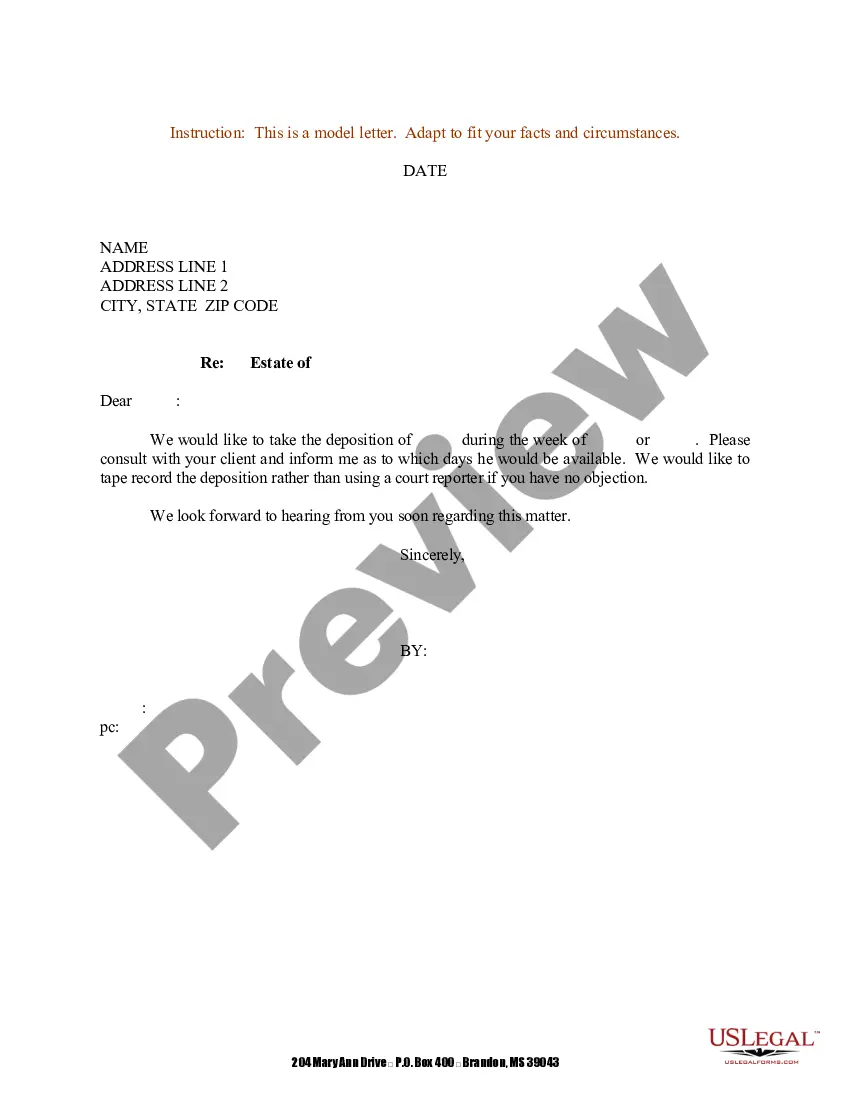
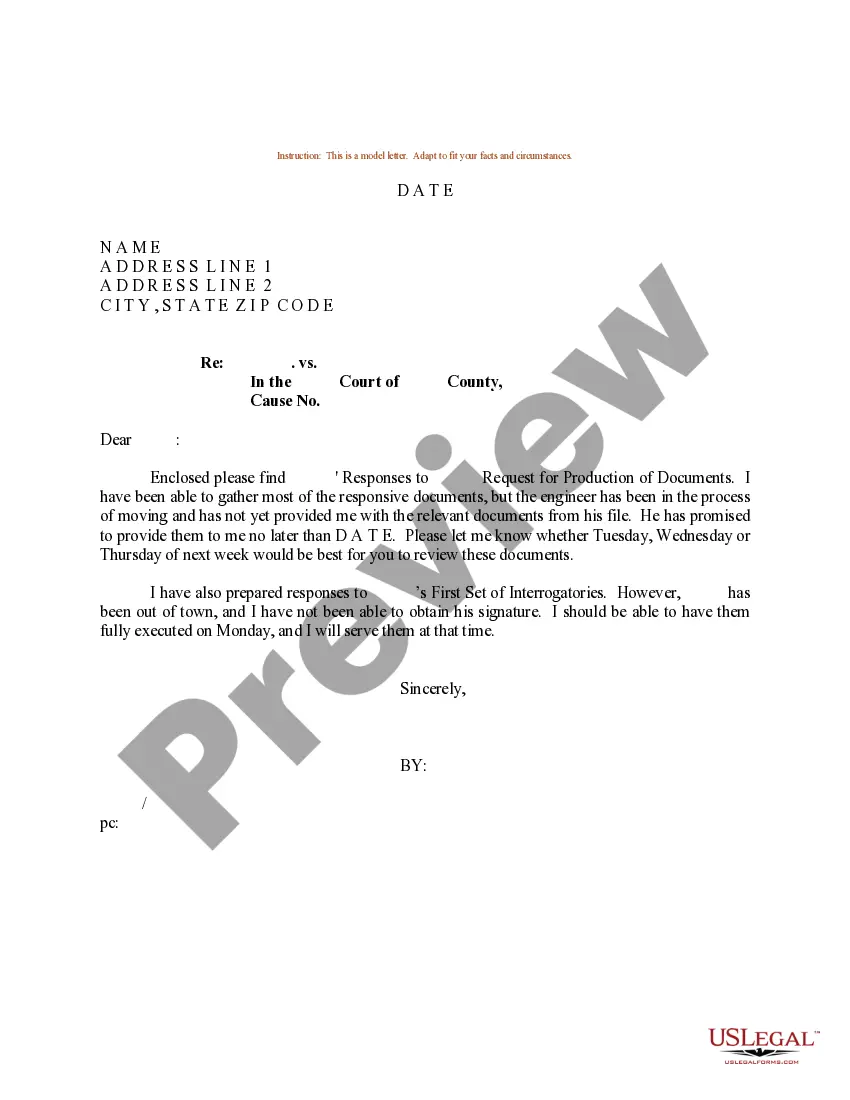
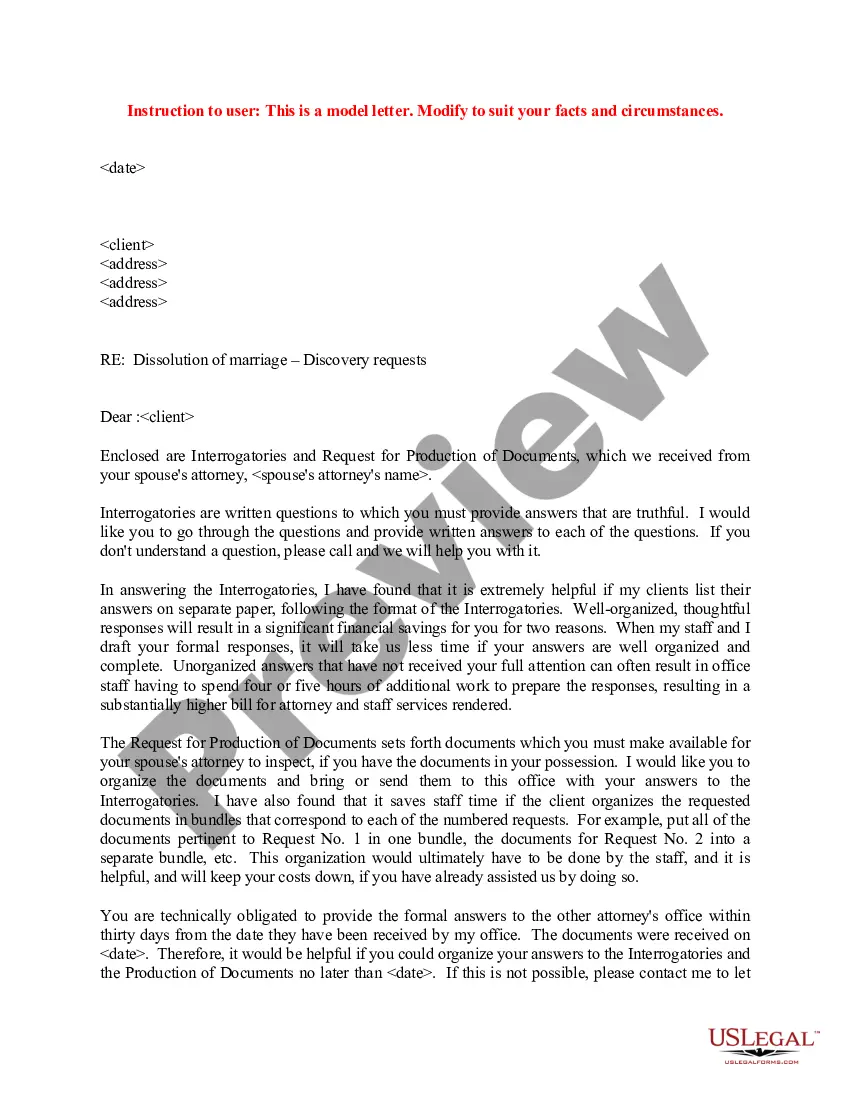
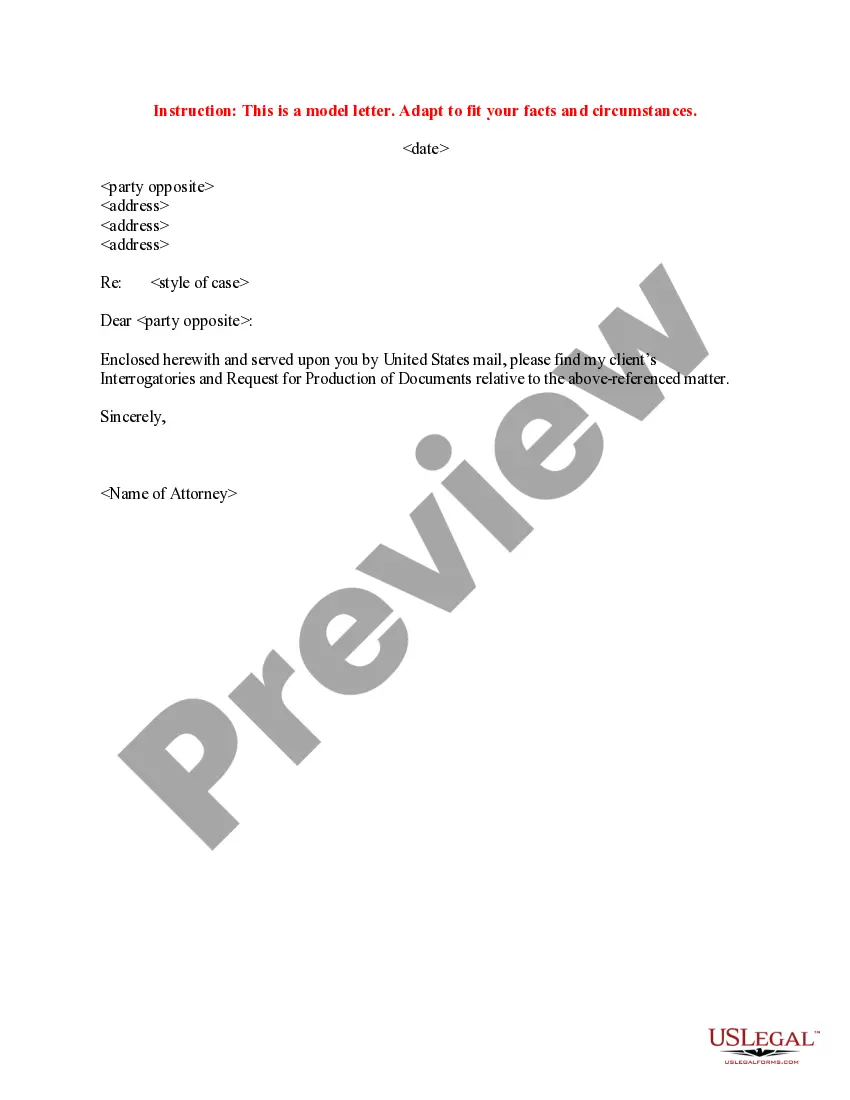
Get your form ready online
Our built-in tools help you complete, sign, share, and store your documents in one place.
Make edits, fill in missing information, and update formatting in US Legal Forms—just like you would in MS Word.
Download a copy, print it, send it by email, or mail it via USPS—whatever works best for your next step.
Sign and collect signatures with our SignNow integration. Send to multiple recipients, set reminders, and more. Go Premium to unlock E-Sign.
If this form requires notarization, complete it online through a secure video call—no need to meet a notary in person or wait for an appointment.
We protect your documents and personal data by following strict security and privacy standards.

Make edits, fill in missing information, and update formatting in US Legal Forms—just like you would in MS Word.

Download a copy, print it, send it by email, or mail it via USPS—whatever works best for your next step.

Sign and collect signatures with our SignNow integration. Send to multiple recipients, set reminders, and more. Go Premium to unlock E-Sign.

If this form requires notarization, complete it online through a secure video call—no need to meet a notary in person or wait for an appointment.

We protect your documents and personal data by following strict security and privacy standards.
Looking for another form?







Form popularity
FAQ
A 'Discovery Request' is a legal procedure where organizations are required to identify and disclose relevant data in response to a judicial order or legal proceeding. It involves finding and preserving information from individuals and business systems that may be pertinent to a transaction or dispute.
Rule 11 was designed to highlight the importance of constitutional rights by requiring the judge in district court to discuss these rights with the defendant before accepting his plea. In other words, Rule 11 was created to help the defendant understand the basic consequences of the decision to plead guilty.
It cannot be waived, no. The court can enter a judgment making the marriage automatically terminate once the 90 days is up, but the 90 days must pass before the marriage dissolves. There is no way to sugar coat that.
Any party may file a response to a motion within 14 days after the motion is served; however, the court may, for good cause shown, dispense with, shorten, or extend the time for responding to any motion.
Generally speaking, when a party does not respond to discovery, one may file a motion to compel. It may also be important to check with the party to see why no response was provided. Typically the court will decide all discovery disputes.
(i) The party who bears the burden of proof on the issue for which expert testimony is offered must serve on the other parties the information required by paragraph (a)(4)(A) within 14 days after the close of fact discovery.
What Happens After the Discovery Phase in a Lawsuit? Once the discovery phase is complete, the parties better understand the strengths and weaknesses of their respective cases. With this information, they can engage in settlement negotiations to resolve the dispute without going to trial.
A party must make disclosures and respond to discovery requests based on the information then known or reasonably available to the party. If a party learns that a disclosure or discovery response is incomplete or incorrect in some important way, the party must timely provide the additional or correct information.
If the other person does not respond, or their response is still incomplete, you can ask the court to order them to respond. You have 45 days from the service of the most recent responses to ask the court to make an order requiring an answer. If the response was served by mail, 5 extra days are added.
One of the most common methods of discovery is to take depositions. A deposition is an out-of-court statement given under oath by any person involved in the case. It is to be used at trial or in preparation for trial. It may be in the form of a written transcript, a videotape, or both.

