Requesting Discovery Form With Two Points In Texas
Description
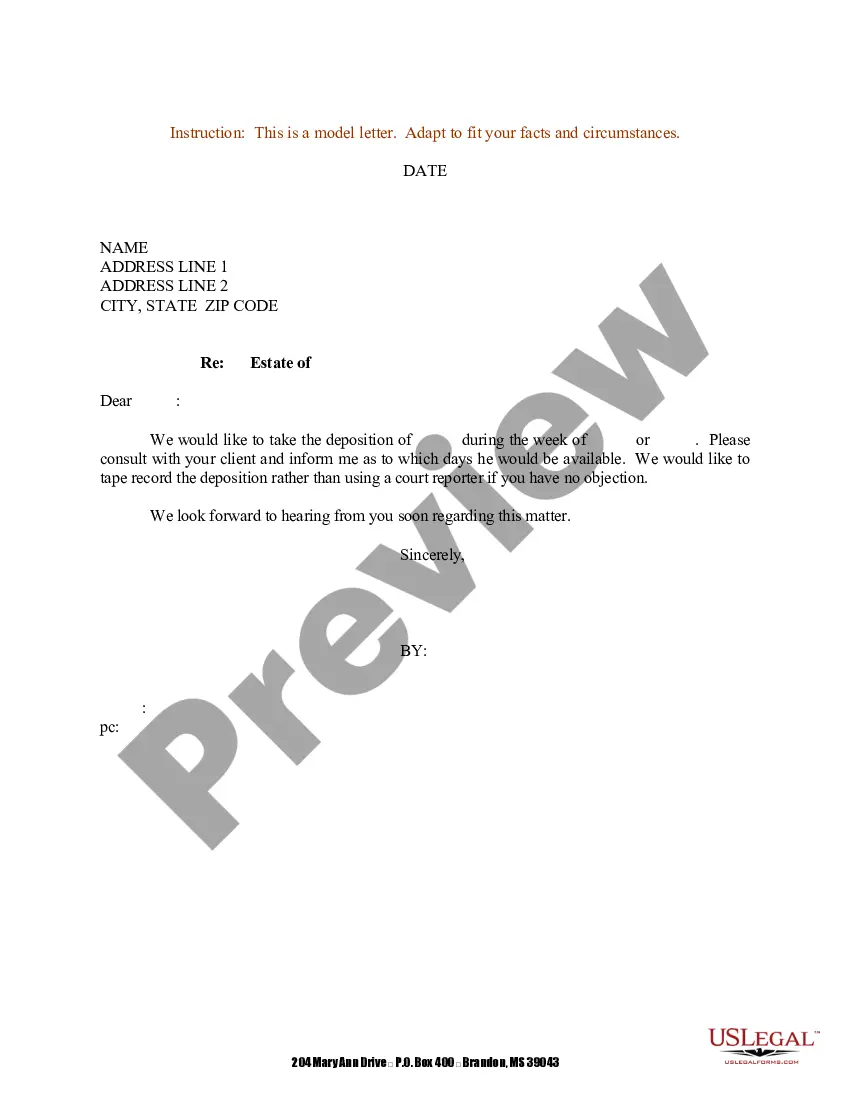
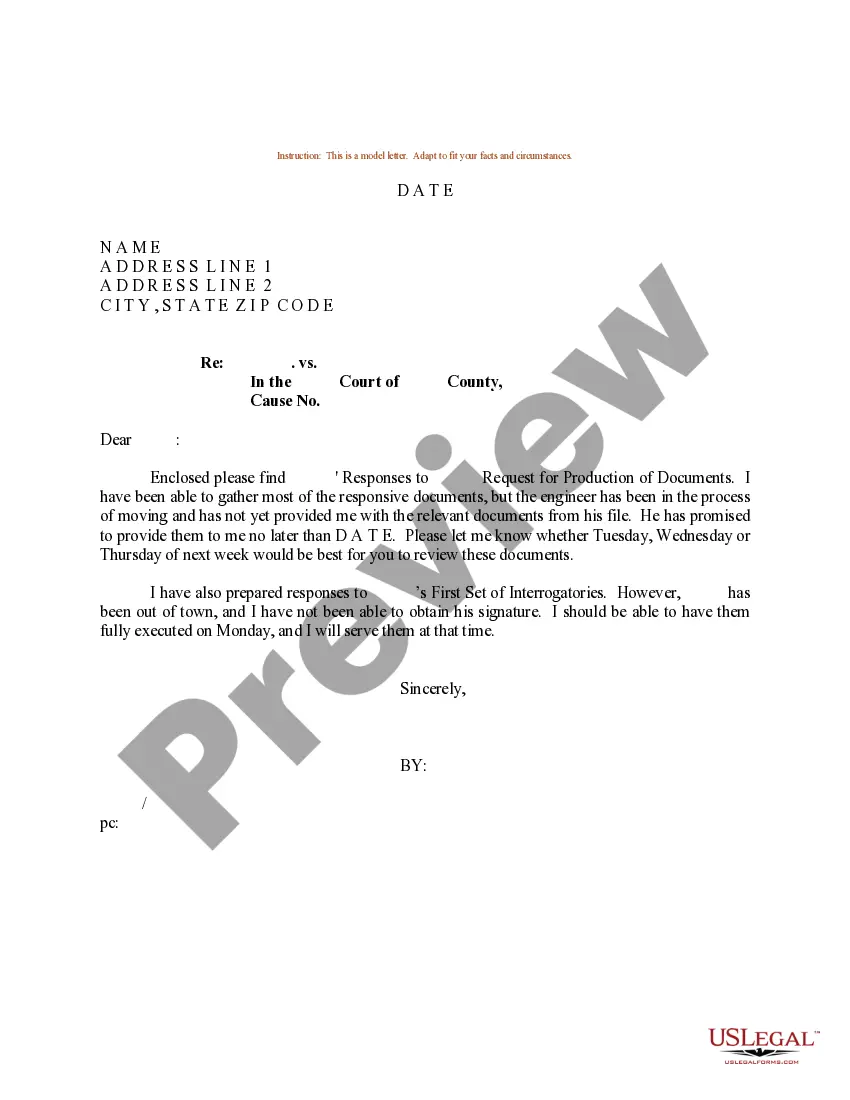
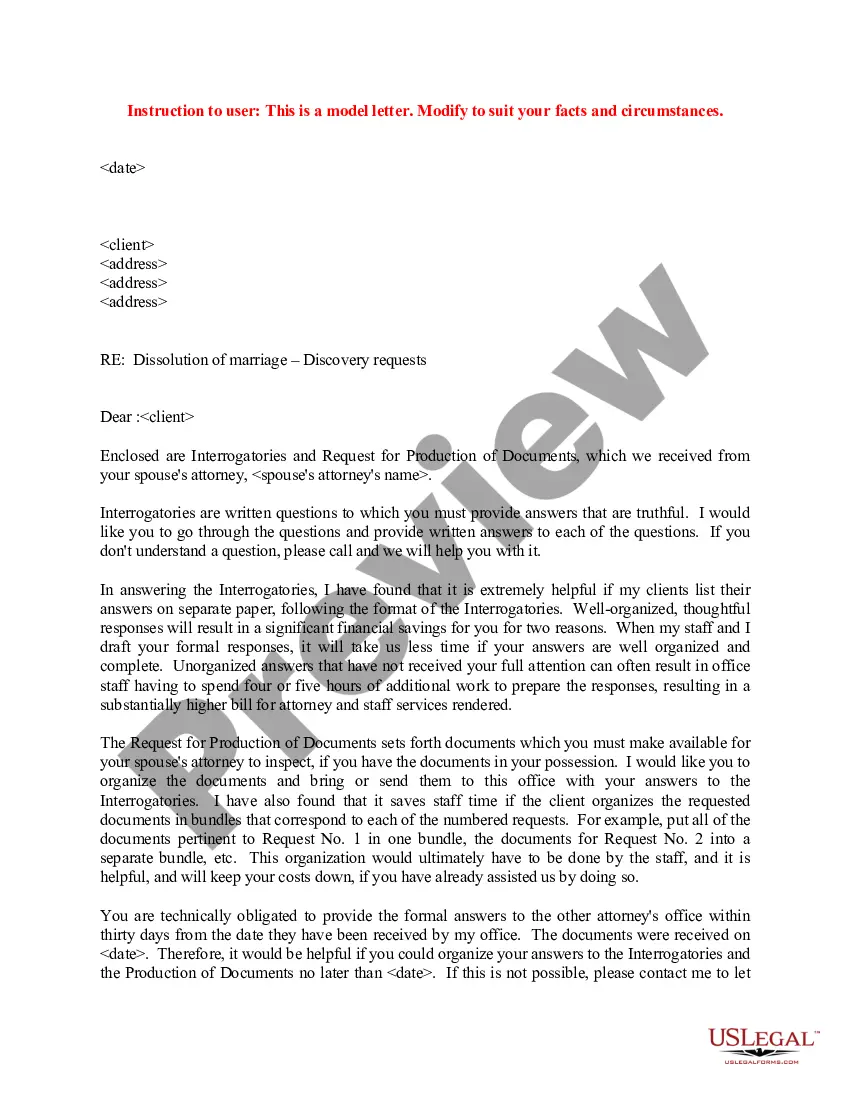
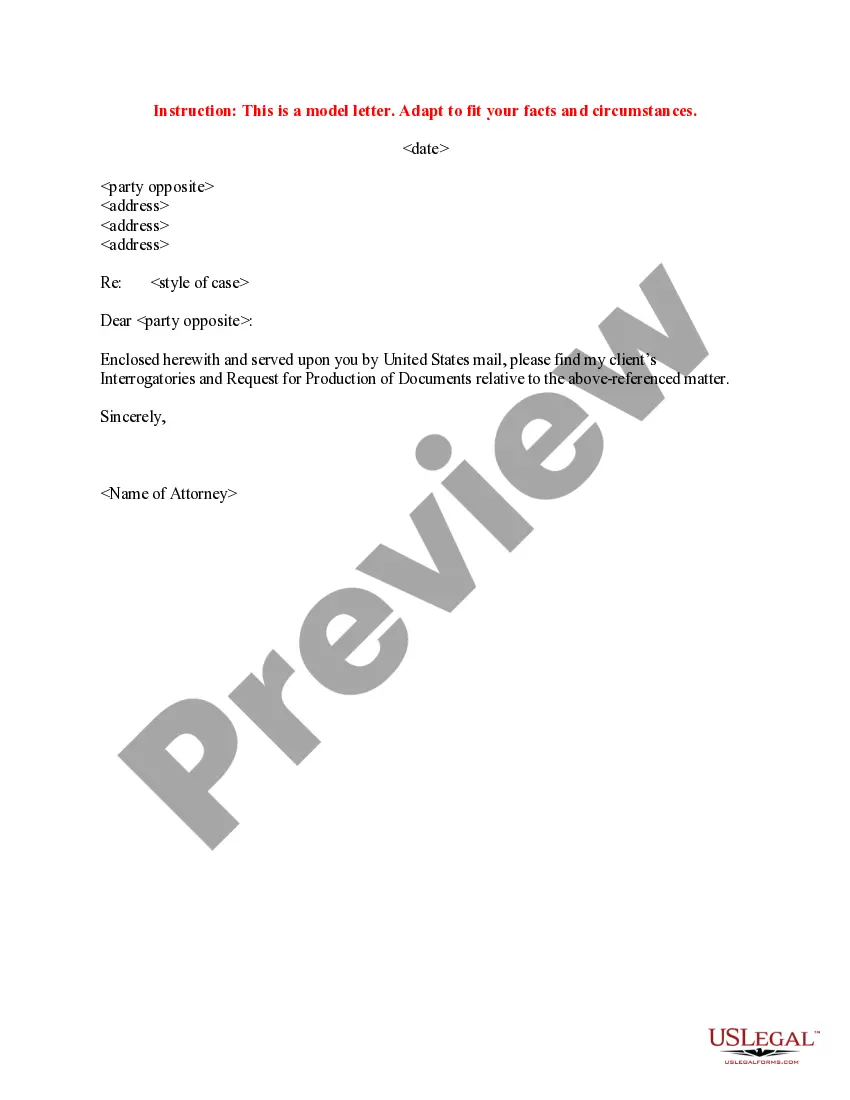
Get your form ready online
Our built-in tools help you complete, sign, share, and store your documents in one place.
Make edits, fill in missing information, and update formatting in US Legal Forms—just like you would in MS Word.
Download a copy, print it, send it by email, or mail it via USPS—whatever works best for your next step.
Sign and collect signatures with our SignNow integration. Send to multiple recipients, set reminders, and more. Go Premium to unlock E-Sign.
If this form requires notarization, complete it online through a secure video call—no need to meet a notary in person or wait for an appointment.
We protect your documents and personal data by following strict security and privacy standards.

Make edits, fill in missing information, and update formatting in US Legal Forms—just like you would in MS Word.

Download a copy, print it, send it by email, or mail it via USPS—whatever works best for your next step.

Sign and collect signatures with our SignNow integration. Send to multiple recipients, set reminders, and more. Go Premium to unlock E-Sign.

If this form requires notarization, complete it online through a secure video call—no need to meet a notary in person or wait for an appointment.

We protect your documents and personal data by following strict security and privacy standards.
Looking for another form?



Form popularity
FAQ
When a party requests documents or answers to questions from the opposing party in a lawsuit, you must do so in the form of a Motion for Discovery. A Motion for Discovery may be filed with the Court via E-File, Email, in person, or by US Mail.
The Discovery Rule essentially means that the two-year statute of limitations for personal injury cases doesn't necessarily start from the date of the incident but from the date the injury is discovered or, in the exercise of reasonable diligence, should have been discovered.
During discovery, both parties must exchange evidence they plan to use during trial and certain disclosures are automatically required in most cases. These are called initial or required disclosures. Initial disclosures are not required in family law cases such as divorce and custody.
The discovery rule is a “narrow exception” to the legal injury rule that “defers accrual of a cause of action until the plaintiff knew or, exercising reasonable diligence, should have known of the facts giving rise to the cause of action.” Berry, 646 S.W. 3d at 524 (quoting Comput.
There are four main types of discovery requests: (1) depositions; (2) interrogatories; (3) requests for admissions; and (4) requests for the production of documents. Depositions are formal witness interviews.
In 2020, the Texas Supreme Court made significant changes to both TRCP 194 and 195, notably the implementation of “Required Disclosures,” automatically obligating parties in civil suits filed after January 1, 2021, to provide certain information and documents to the other parties without waiting for a discovery request ...
Generally, the party receiving the discovery request has 30 days to respond. Some exceptions and variations apply, so make sure you review how much time you have to respond depending on the type of case, the rules, and the type of discovery method used.
Rule 192.2. Timing and Sequence of Discovery (2021) (a) Timing. Unless otherwise agreed to by the parties or ordered by the court, a party cannot serve discovery on another party until after the other party's initial disclosures are due.
For example, in Level 2 discovery, which is the most common type, discovery begins when the suit is filed and continues until 30 days before the trial is set (in family law cases).
It essentially provides that the statute of limitations (the time within which a lawsuit must be filed) does not begin to run until the plaintiff knows or reasonably should know of the injury, harm, or damage that forms the basis of the lawsuit.

