Requesting Discovery Form For Personal Injury Courts In Santa Clara
Description
Get your form ready online
Our built-in tools help you complete, sign, share, and store your documents in one place.
Make edits, fill in missing information, and update formatting in US Legal Forms—just like you would in MS Word.
Download a copy, print it, send it by email, or mail it via USPS—whatever works best for your next step.
Sign and collect signatures with our SignNow integration. Send to multiple recipients, set reminders, and more. Go Premium to unlock E-Sign.
If this form requires notarization, complete it online through a secure video call—no need to meet a notary in person or wait for an appointment.
We protect your documents and personal data by following strict security and privacy standards.

Make edits, fill in missing information, and update formatting in US Legal Forms—just like you would in MS Word.

Download a copy, print it, send it by email, or mail it via USPS—whatever works best for your next step.

Sign and collect signatures with our SignNow integration. Send to multiple recipients, set reminders, and more. Go Premium to unlock E-Sign.

If this form requires notarization, complete it online through a secure video call—no need to meet a notary in person or wait for an appointment.

We protect your documents and personal data by following strict security and privacy standards.
Looking for another form?








Form popularity
FAQ
If the parties are having a dispute, either party can file a motion with the court asking the judge to order the other side to respond to discovery requests or punish the other side for failing to respond to discovery requests or for making unreasonable discovery requests.
However if the case remains unsettled. It will proceed to trial after the discovery phase isMoreHowever if the case remains unsettled. It will proceed to trial after the discovery phase is complete. To learn more check out these links which you can click in the description.
You must complete discovery 30 days before your trial The deadline for finishing discovery (the discovery cutoff) is 30 days before the original date set for a trial unless the parties have agreed or the court has ordered to extend the time. You need all the responses by this date.
Depending on the type of case, discovery could last a few months to more than a year. For example, large class action lawsuits, medical malpractice cases, and product liability claims often require lengthy discovery. The parties need time to retain and work with experts.
Many personal injury lawsuits conclude either during or at the end of the discovery phase. In many cases, the defendants don't want evidence against them revealed in court. The pressure from the discovery process can push a stubborn defendant into agreeing to a more reasonable settlement.
Generally, the prosecution must provide discovery within a set period after the defense's formal request, often ranging from a few weeks to several months. Evidence should be available to the defense either at the preliminary hearing or after the accused has been indicted by a grand jury.
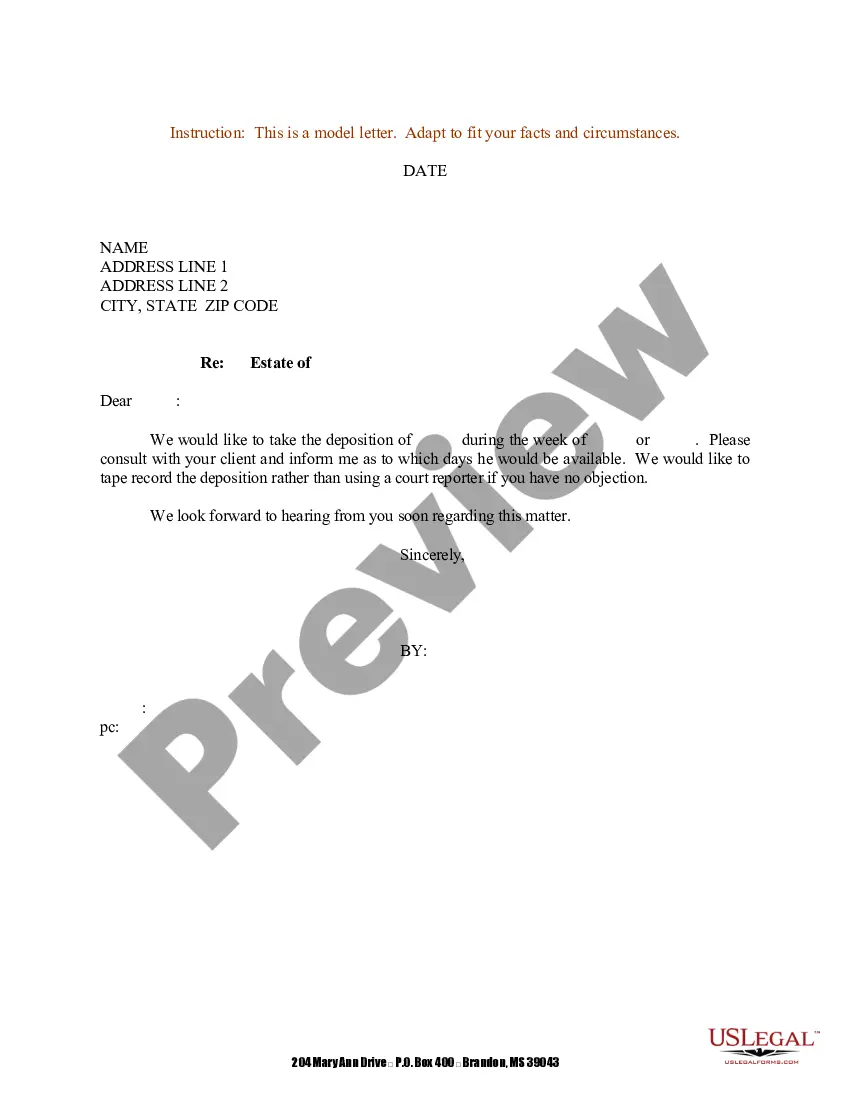
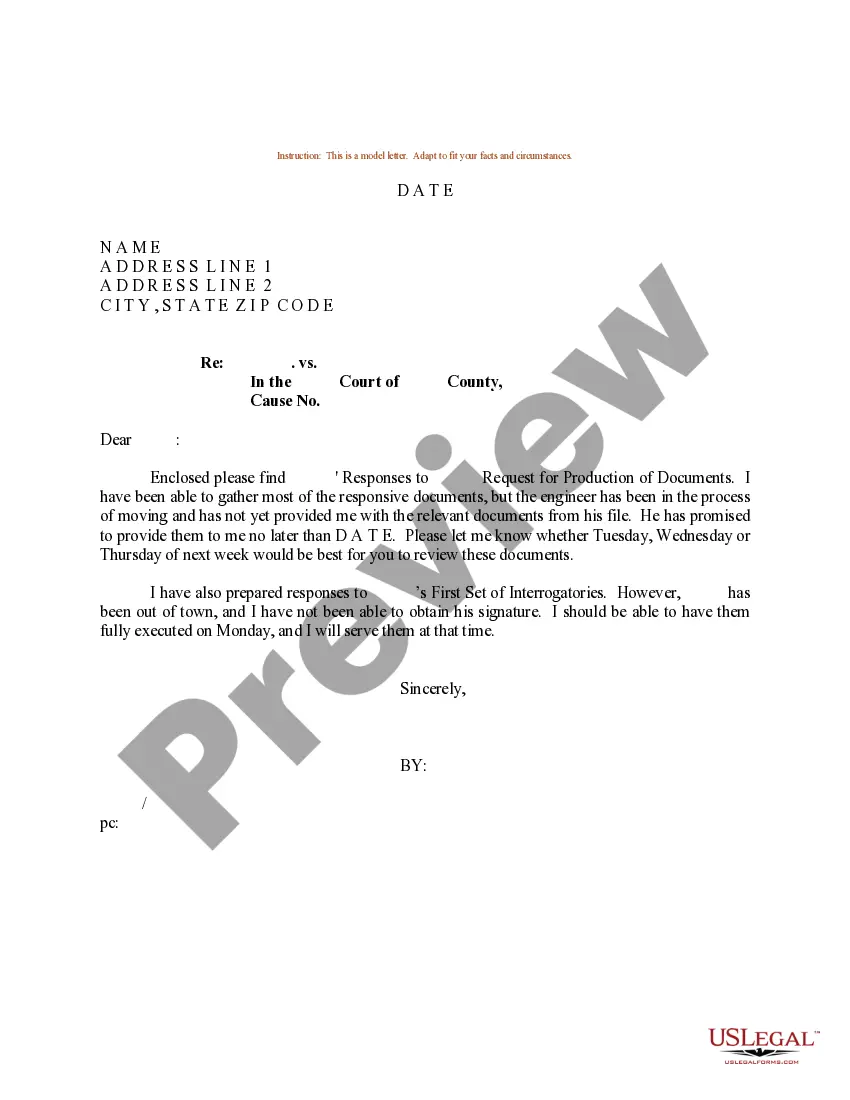
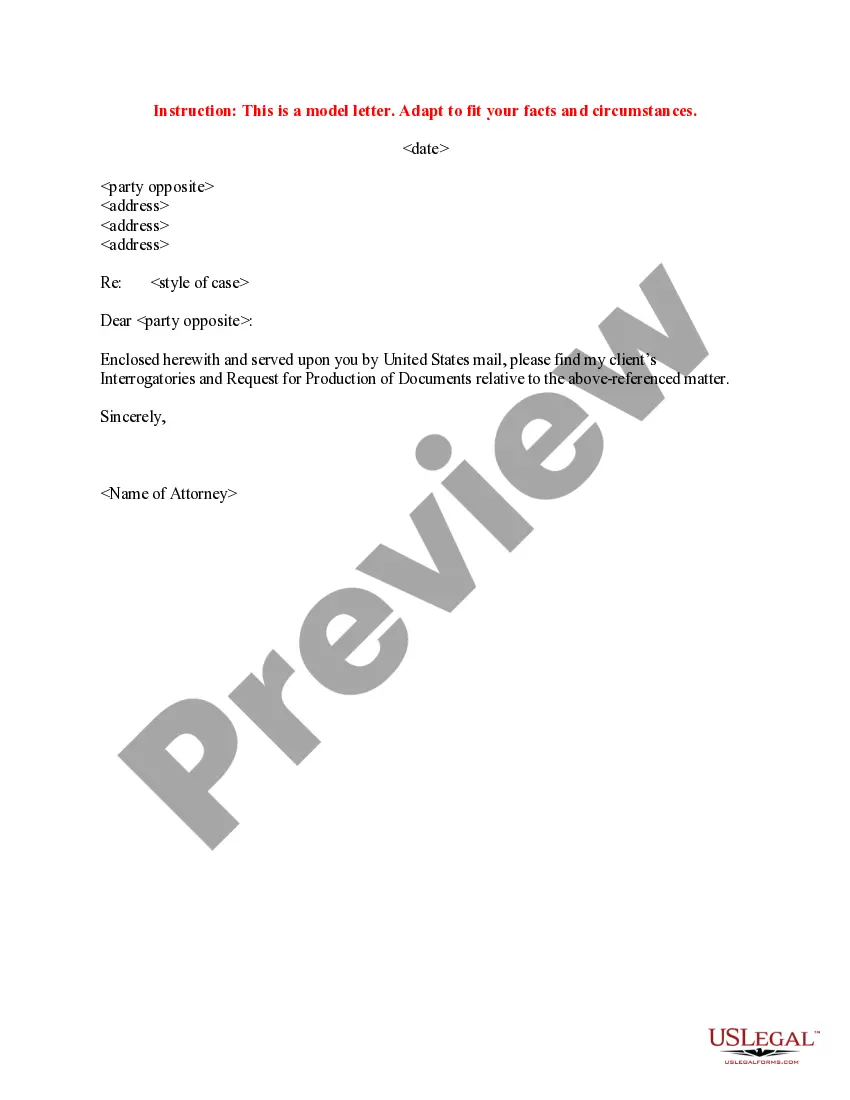
Discovery may be obtained through depositions, written interrogatories, production of documents, physical or mental examinations and requests for admissions. Discovery can be obtained regarding. any matter that is not subject to a privilege (attorney-client privilege or physician-patient privilege for.
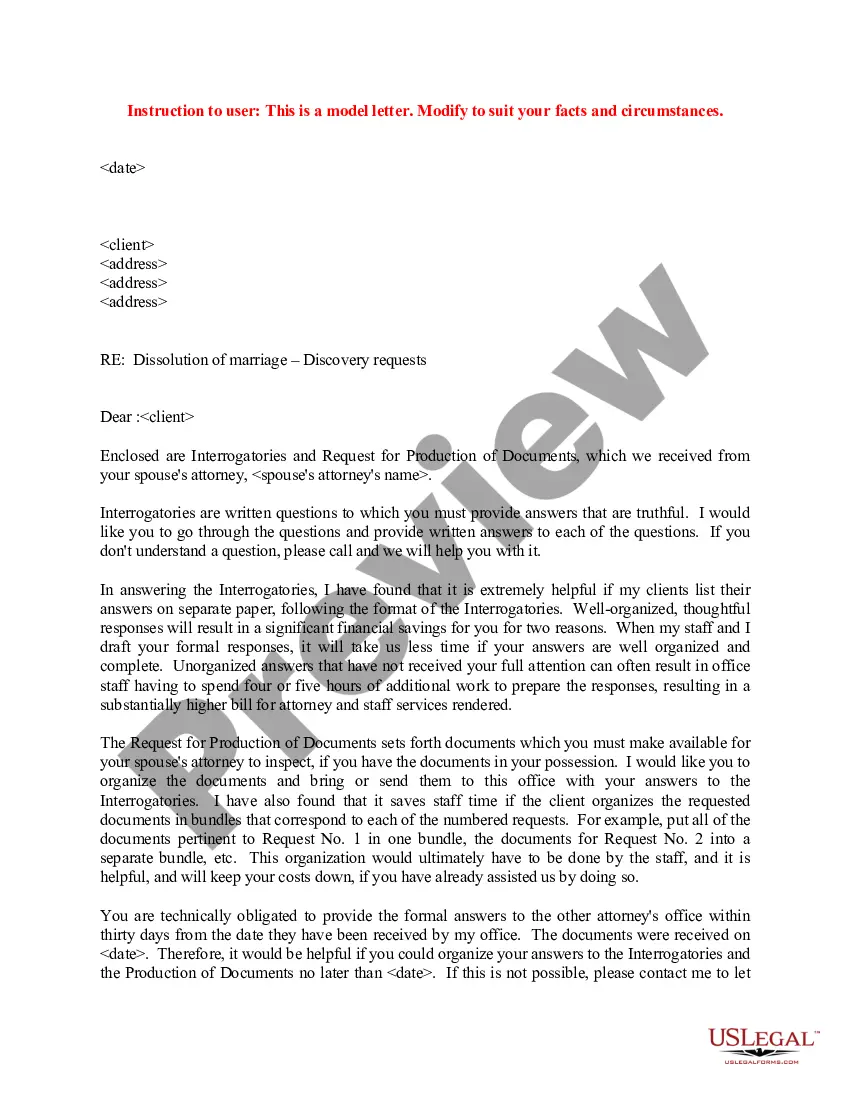
Begin by explaining that the case has reached the discovery stage and what that means. Something like this: At this stage of the pending action, all parties are subject to procedures called “discovery” that allow each party to obtain information and documents relevant to the case.
In the United States, there are five basic forms of discovery: depositions, interrogatories, requests for production of documents (or permission to inspect), physical and mental examinations, and requests for admission.

