Requesting Discovery Form For Court In Santa Clara
Description
Get your form ready online
Our built-in tools help you complete, sign, share, and store your documents in one place.
Make edits, fill in missing information, and update formatting in US Legal Forms—just like you would in MS Word.
Download a copy, print it, send it by email, or mail it via USPS—whatever works best for your next step.
Sign and collect signatures with our SignNow integration. Send to multiple recipients, set reminders, and more. Go Premium to unlock E-Sign.
If this form requires notarization, complete it online through a secure video call—no need to meet a notary in person or wait for an appointment.
We protect your documents and personal data by following strict security and privacy standards.

Make edits, fill in missing information, and update formatting in US Legal Forms—just like you would in MS Word.

Download a copy, print it, send it by email, or mail it via USPS—whatever works best for your next step.

Sign and collect signatures with our SignNow integration. Send to multiple recipients, set reminders, and more. Go Premium to unlock E-Sign.

If this form requires notarization, complete it online through a secure video call—no need to meet a notary in person or wait for an appointment.

We protect your documents and personal data by following strict security and privacy standards.
Looking for another form?
Form popularity
FAQ
Parties usually send their discovery requests and responses to the other party electronically, by email. But, parties may also send or respond to discovery requests by U.S. mail or a parcel service. Discovery requests and responses should not be sent to the Administrative Judge, except to support a motion.
Beginning on January 1, 2024, parties will be required to make initial witness and document disclosures within 60 days of another party's request. Failure to comply or act in good faith with the new law will result in a court-imposed sanction of $1,000.
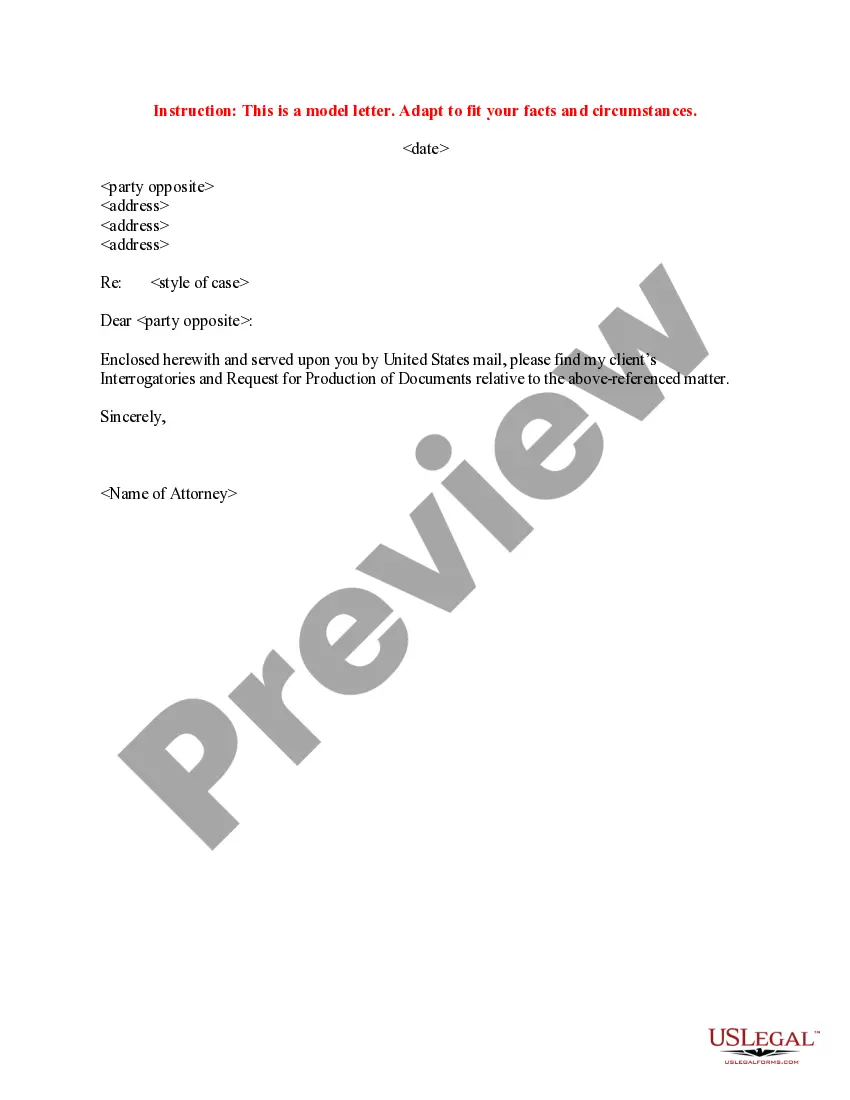
Service may be completed by mail, by a person over the age of 18 who is not a party to the case. The person serving your requests must complete a proof of service form, typically a Proof of Service by First Class Mail (POS-030).
A party or other person may serve documents electronically directly, by an agent, or through a designated electronic filing service provider.
As to the method of serving papers upon a party whose address is unknown, see Rule 5(b). The amendment makes clear that all papers relating to discovery which are required to be served on any party must be served on all parties, unless the court orders otherwise.
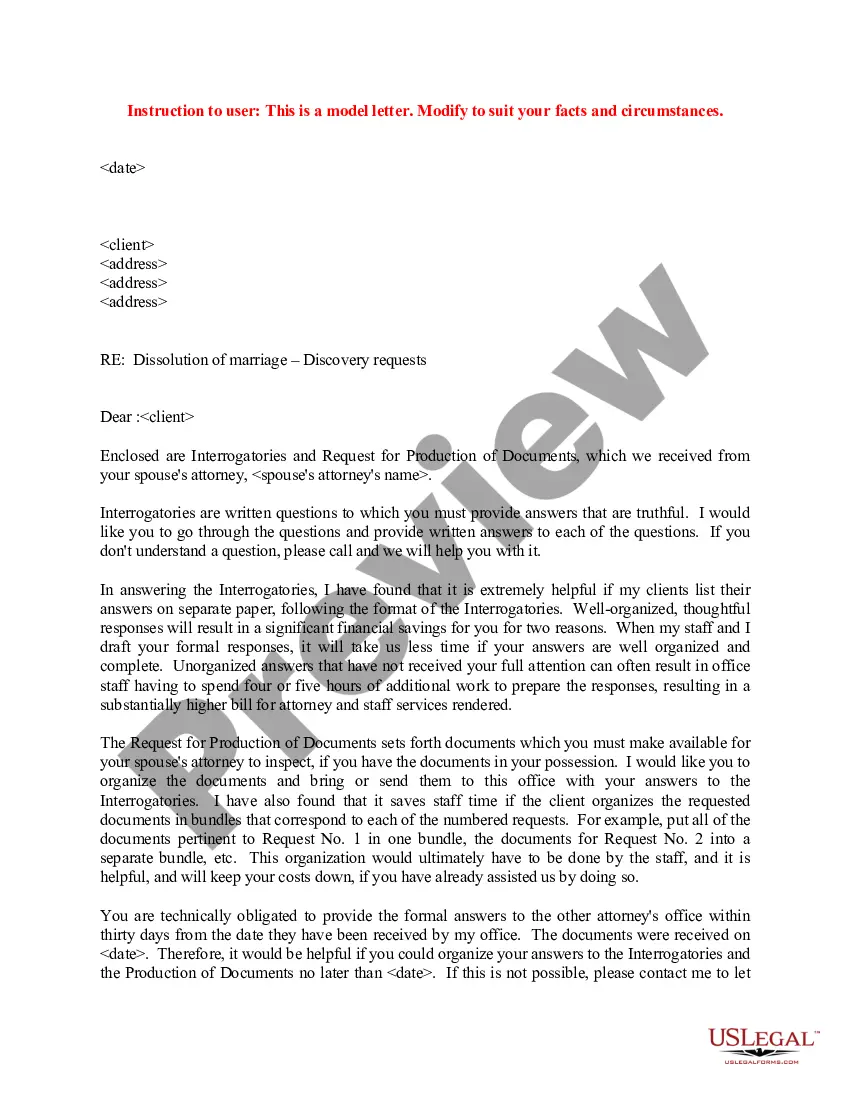
If the parties are having a dispute, either party can file a motion with the court asking the judge to order the other side to respond to discovery requests or punish the other side for failing to respond to discovery requests or for making unreasonable discovery requests.
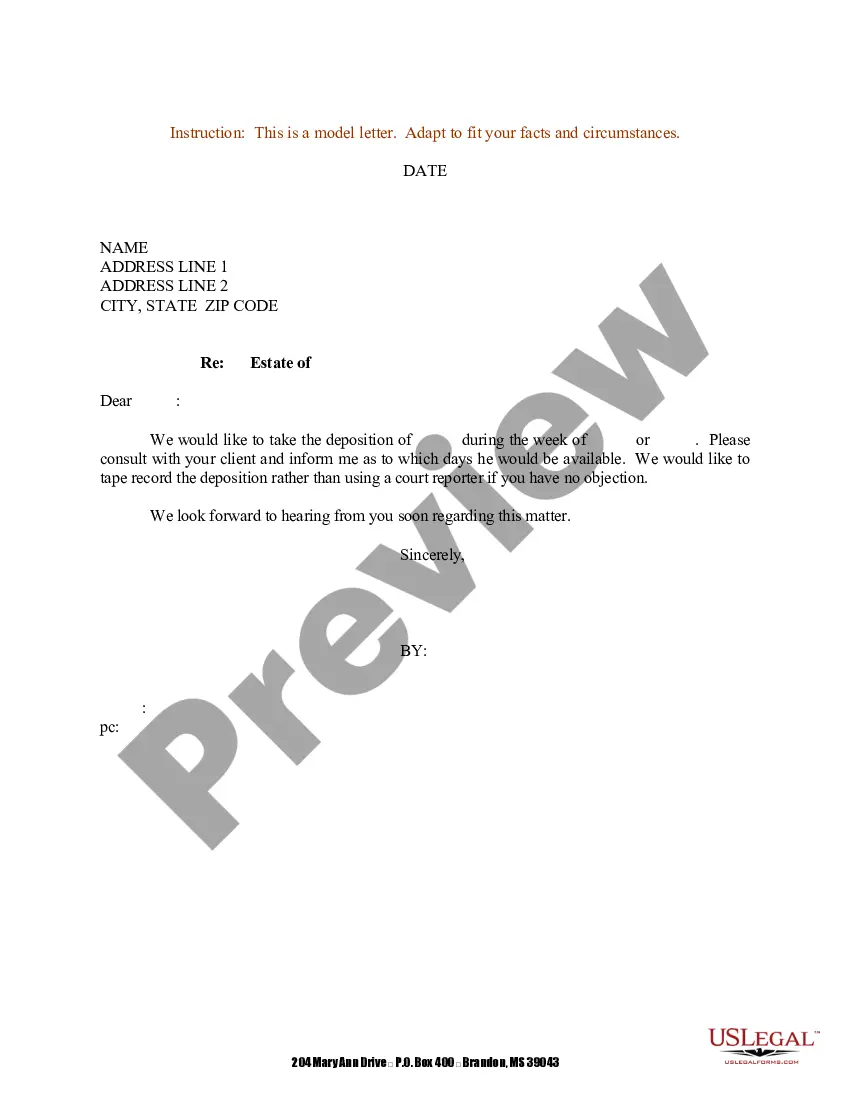
How Does Discovery Work? There are four main types of discovery requests: (1) depositions; (2) interrogatories; (3) requests for admissions; and (4) requests for the production of documents. Depositions are formal witness interviews.
Discovery is very important if you are wanting to obtain specific information to further strengthen your case or disprove the other side. This provides a chance for both sides to build a strong case and further provide evidence to support their claim.
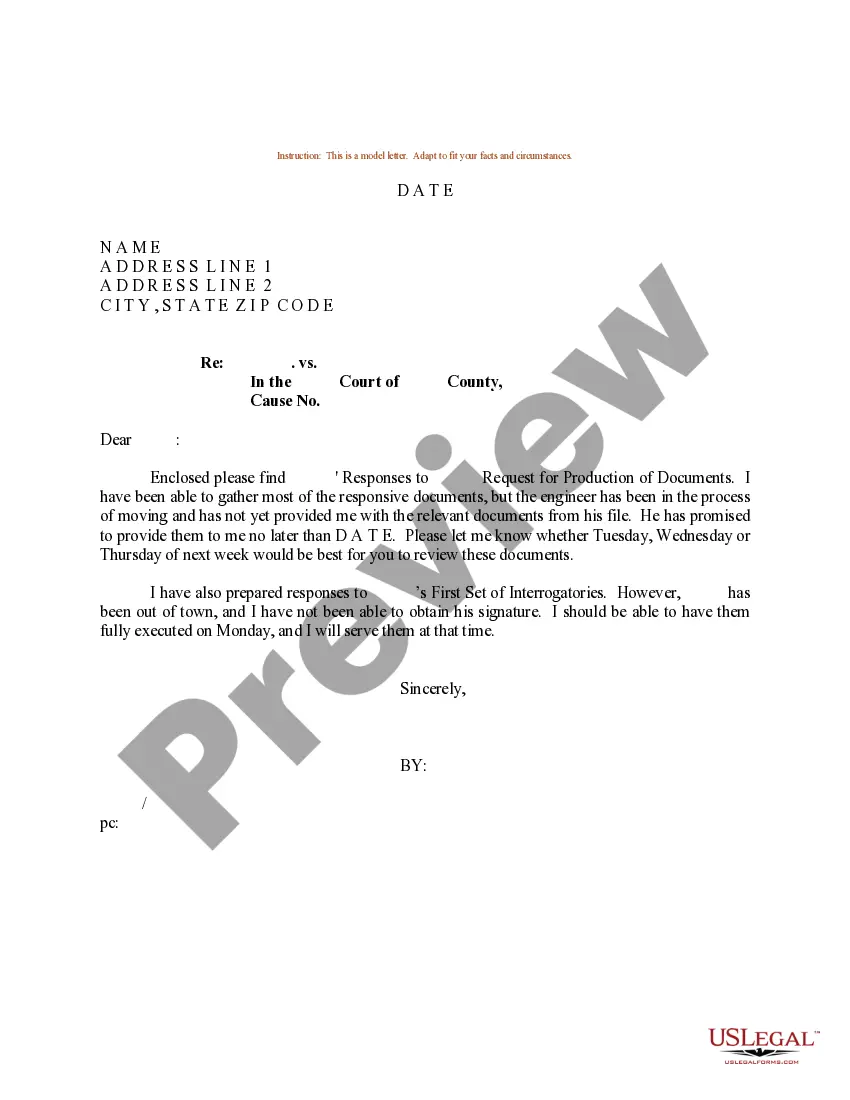
Requests for production of documents are a discovery tool used in the legal process, allowing one party to request that another party provide documents relevant to the case. This tool is crucial for gathering evidence and information that supports a party's claims or defenses.
The Benefits of Discovery for Both Plaintiffs and Defendants Helps plaintiffs and defendants understand the legal issues at play in the case and better prepare for trial. During discovery, each party can obtain facts from the other through requests for admission, interrogatories, documents, depositions, and more.
