Requesting Discovery Form With Decimals In Salt Lake
Description
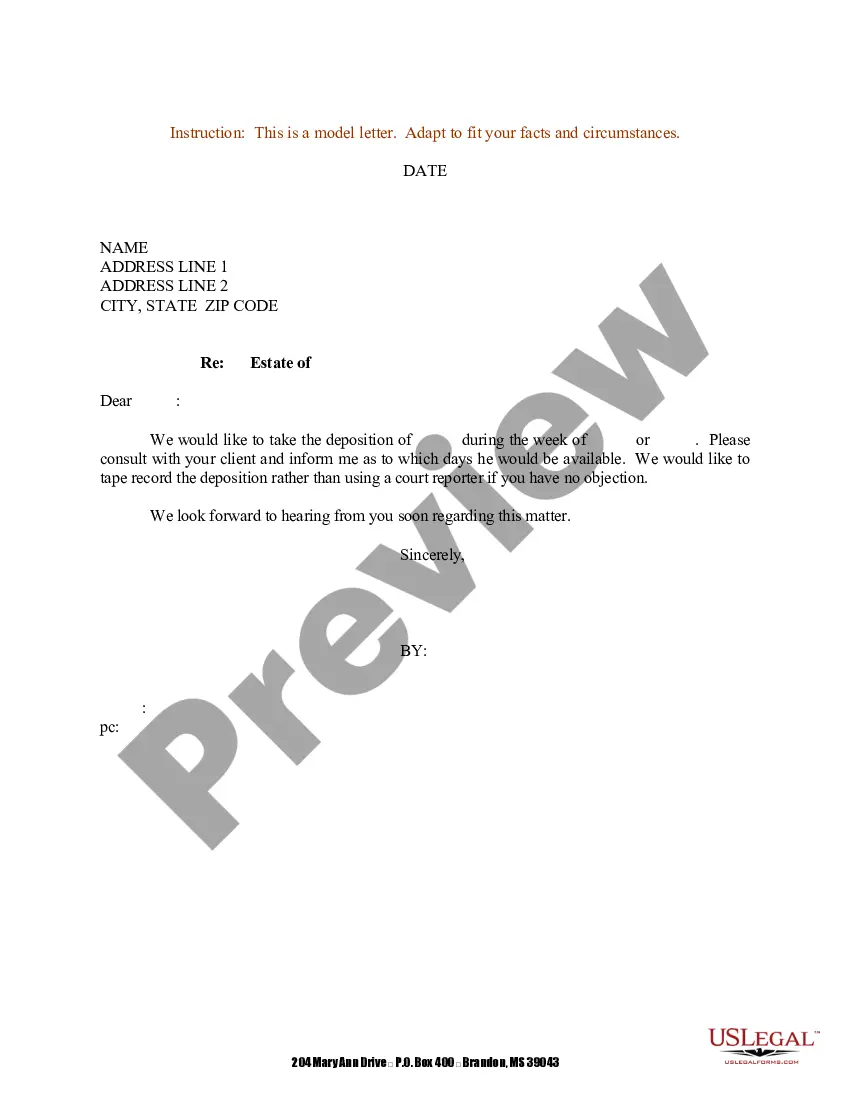
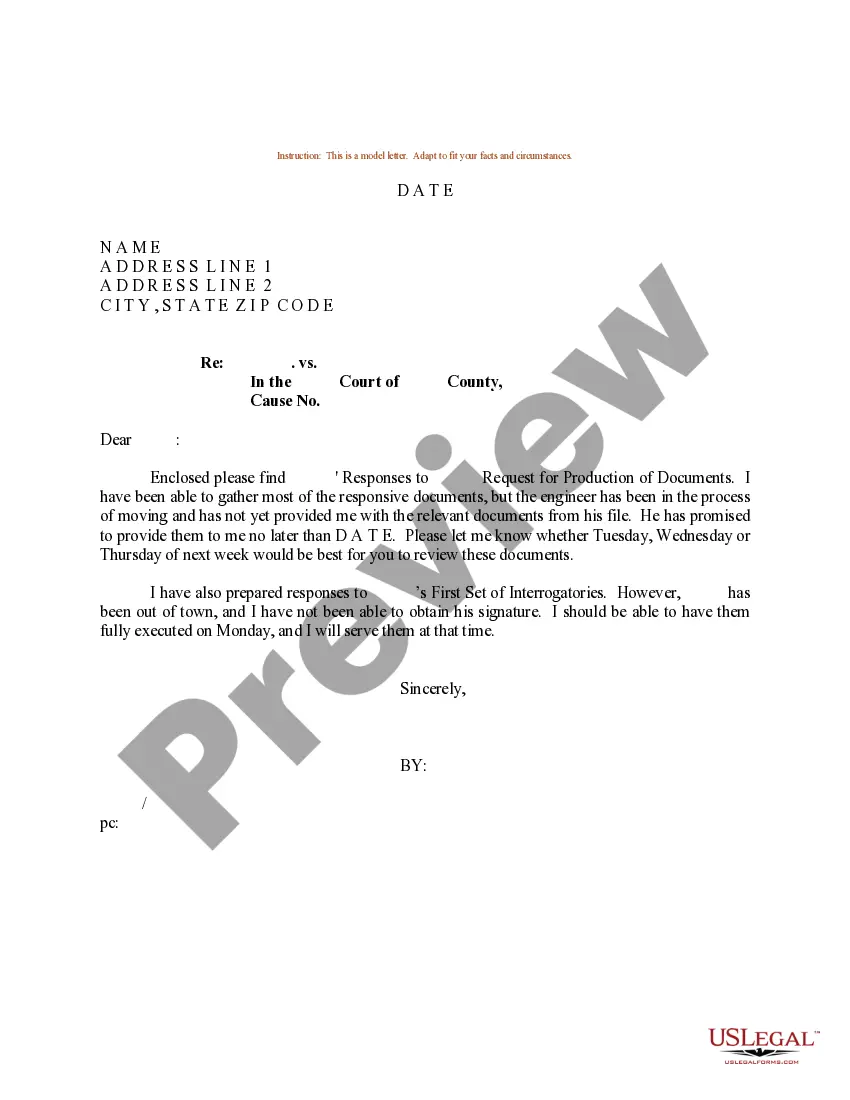
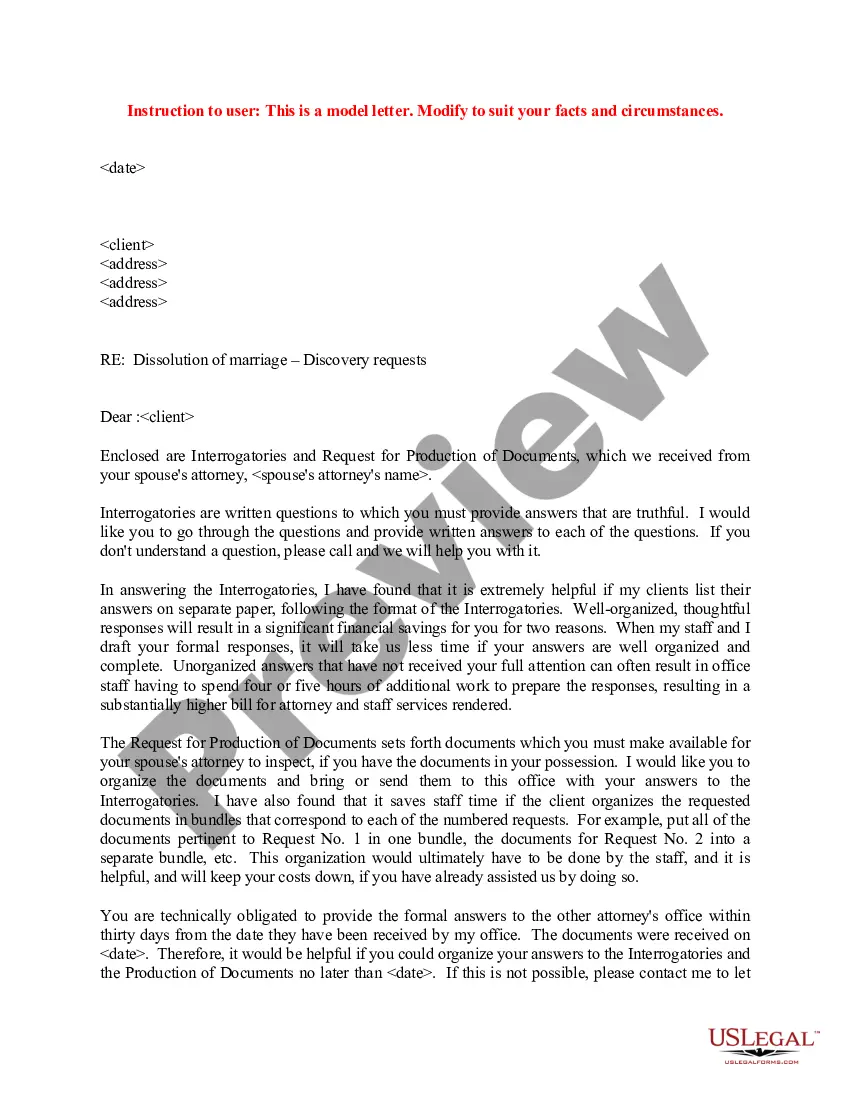
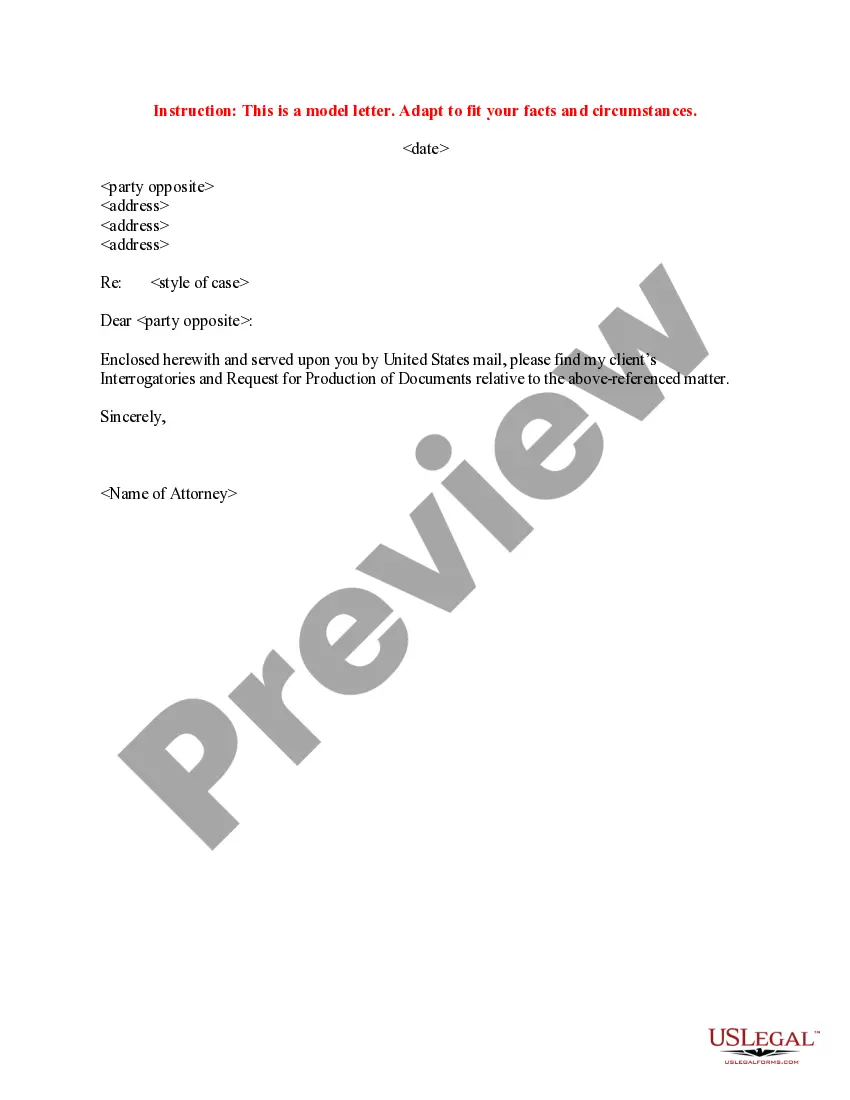
Get your form ready online
Our built-in tools help you complete, sign, share, and store your documents in one place.
Make edits, fill in missing information, and update formatting in US Legal Forms—just like you would in MS Word.
Download a copy, print it, send it by email, or mail it via USPS—whatever works best for your next step.
Sign and collect signatures with our SignNow integration. Send to multiple recipients, set reminders, and more. Go Premium to unlock E-Sign.
If this form requires notarization, complete it online through a secure video call—no need to meet a notary in person or wait for an appointment.
We protect your documents and personal data by following strict security and privacy standards.

Make edits, fill in missing information, and update formatting in US Legal Forms—just like you would in MS Word.

Download a copy, print it, send it by email, or mail it via USPS—whatever works best for your next step.

Sign and collect signatures with our SignNow integration. Send to multiple recipients, set reminders, and more. Go Premium to unlock E-Sign.

If this form requires notarization, complete it online through a secure video call—no need to meet a notary in person or wait for an appointment.

We protect your documents and personal data by following strict security and privacy standards.
Looking for another form?








Form popularity
FAQ
Write out each fact you wish the other party to admit is true. When writing these facts, be as clear and concise as possible. Each request must be for a single fact; do not include multiple facts, compound questions, or subparts.
Steps Of The Discovery Process. There are four key actions in the discovery process which include interrogatories, request for documents, request for admissions, and depositions.
Discovery statements might include declarations of goals, descriptions of attitudes, expressions of emotions, and histories of conduct. The parties may find out through discovery what evidence could be utilized before the trial even begins.
During discovery, both sides exchange evidence to learn what the other side intends to use in court. Discovery refers to tangible objects—or anything that you can physically touch. For example, this may include a gun with fingerprints on it or a stack of physical documents.
How Does Discovery Work? There are four main types of discovery requests: (1) depositions; (2) interrogatories; (3) requests for admissions; and (4) requests for the production of documents. Depositions are formal witness interviews.
Steps for requesting a subpoena Fill out the subpoena form, available in the Forms section below. Bring the form to the court for a court clerk to sign. Deliver a copy of the subpoena to the other parties in the case.
Getting information from the other side. You use discovery to get information or evidence from the other side in a lawsuit that will help you make your case. In order to get the information you need, you must make a request using a specific procedure and written format, within a specific timeframe.
Reveal, disclose, divulge share the meaning of making known something previously concealed or secret. To reveal is to uncover as if by drawing away a veil: The fog lifted and revealed the harbor. To disclose is to lay open and thereby invite inspection: to disclose the plans of an organization.
Essentially, a party must disclose to the other parties the information, documents and witnesses that support the party's claims and defenses. Discovery refers to the procedures by which each party learns about the information, documents and witnesses that the other party does not have to disclose.

